


Illustration: The Touch & Go
NASA Awards $30M for AI and Sustainable Aviation Technology Research at Universities
NASA funds four university-led aeronautics projects including AI-enabled avionics and high-speed propulsion to advance aviation innovation and safety.
The gist
NASA commits $30 million to university research on machine-learning avionics, fuel-flexible propulsion, and urban noise reduction technologies.
NASA has allocated approximately $30 million in funding to four university-led aeronautics research projects aiming to push the boundaries of aircraft technology and safety. These investments are part of the agency's University Leadership Initiative, which fosters collaboration between academic researchers, industry partners, and government entities over multi-year efforts. The latest awards emphasize breakthroughs in artificial intelligence (AI) avionics, sustainable propulsion, noise reduction, and improved aircraft certification methods.
Leading the AI avionics effort is Stanford University researcher Somil Bansal, spearheading a four-year project to develop aircraft avionics that leverage machine learning capabilities. The system under development will integrate AI to manage critical communications, navigation, and other avionics functions while continuously ensuring operational safety. NASA officials believe this work will lay the groundwork for future integration of AI-enabled avionics into the national airspace system, highlighting the project’s potential to transform how aircraft systems self-monitor and adapt to changing conditions.
Beyond avionics, the University of Minnesota is embarking on a four-year program to create a fuel-flexible propulsion system that combines turbofan and ramjet engine modes. The propulsion system is designed to operate conventionally as a turbofan during takeoff and subsonic flight phases, then transition to ramjet operation capable of sustained speeds at approximately Mach 4. This dual-mode propulsion could revolutionize high-speed flight by providing efficiency and performance across diverse flight regimes, impacting both military and commercial aviation applications.
Stanford also received funding for a separate initiative aimed at optimizing flight paths for future small aircraft in urban environments with a focus on noise reduction. This project involves developing high-fidelity simulation tools to plan routes that minimize noise impact over populated areas, a critical consideration as urban air mobility and electric vertical takeoff and landing (eVTOL) aircraft become more prevalent. The research intends to balance operational efficiency with community noise concerns to support broader acceptance of urban aviation technologies.
Virginia Tech's three-year project addresses the multifaceted challenges of aircraft design and certification processes by integrating model-based systems engineering with multidisciplinary analysis tools. Their approach incorporates uncertainty modeling to embed certification considerations earlier in development, aiming to reduce costly redesigns and streamline regulatory approvals. This innovative method could shorten development timelines and lower overall costs in bringing new aircraft to market.
These four newly awarded projects mark the ninth round of funding under NASA's University Leadership Initiative, reflecting the agency's ongoing commitment to academic partnerships that advance aeronautics research priorities. Andrew Provenza, project manager at NASA’s Glenn Research Center, indicated these projects align with NASA’s strategic focus areas to enhance aviation safety, efficiency, and environmental sustainability.
The funding enables students and researchers to work closely with industry and governmental partners, fostering practical innovation that can be transitioned to operational use. As the aviation sector confronts challenges such as airspace integration, noise pollution, emissions reduction, and safety assurance amid growing technological complexity, these projects exemplify targeted research that addresses multiple fronts simultaneously.
This multi-disciplinary investment in advanced avionics, propulsion, noise modeling, and design certification illustrates NASA’s holistic approach to aeronautics innovation. Through these efforts, foundational technologies for next-generation aircraft systems—including AI-enabled control and sustainable high-speed propulsion—are being developed with an eye toward eventual deployment in the national airspace and beyond.
Frequently asked questions
- What is the goal of Stanford University’s AI avionics project funded by NASA?
- Stanford’s project aims to develop machine-learning-enabled aircraft avionics that control communications, navigation, and electronics while ensuring continuous safety during operation.
- What propulsion technology is the University of Minnesota working on with NASA funding?
- They are developing a fuel-flexible propulsion system that operates as a turbofan for takeoff and subsonic flight, then transitions to ramjet mode to cruise at Mach 4.
- How does Virginia Tech’s research aim to improve aircraft certification?
- Virginia Tech is combining model-based systems engineering and uncertainty modeling to incorporate certification requirements earlier in development to reduce costly redesigns later.
Read more
All Aviation Safety →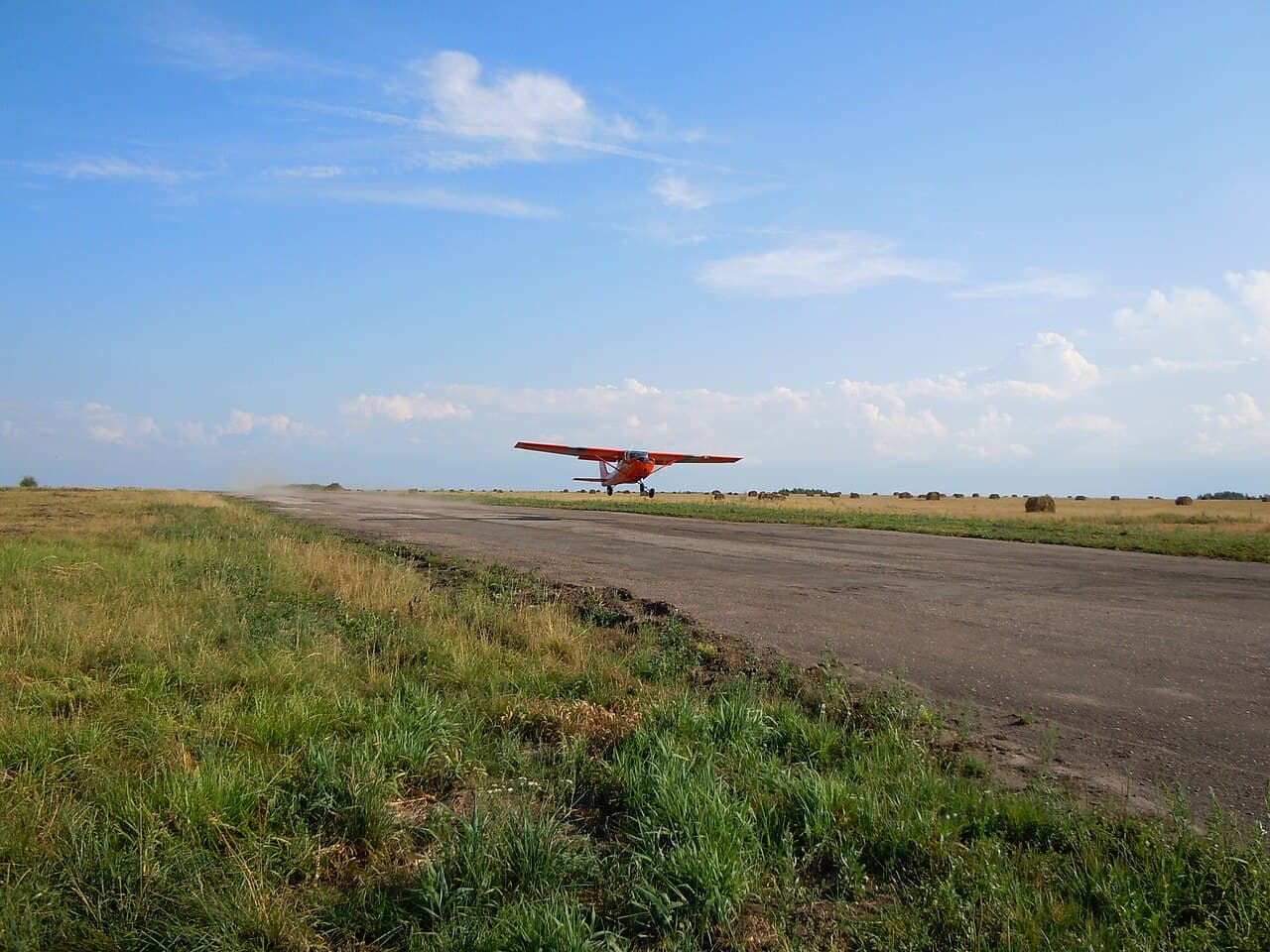
Cessna 150 Collides with Pennsylvania State Police Bell 407 Helicopter at Carlisle Airport
The pilot of a Cessna 150 was killed and two State Police troopers were hurt when the small plane collided with a police Bell 407 helicopter at Carlisle Airport, Pennsylvania, on Wednesday evening. Early reports suggest that the helicopter had been conducting routine training and was hovering a few feet above a grass area when the Cessna struck it from behind.
Seven perish in Eurocopter EC130 crash on Kenya safari flight near Mount Ololokwe
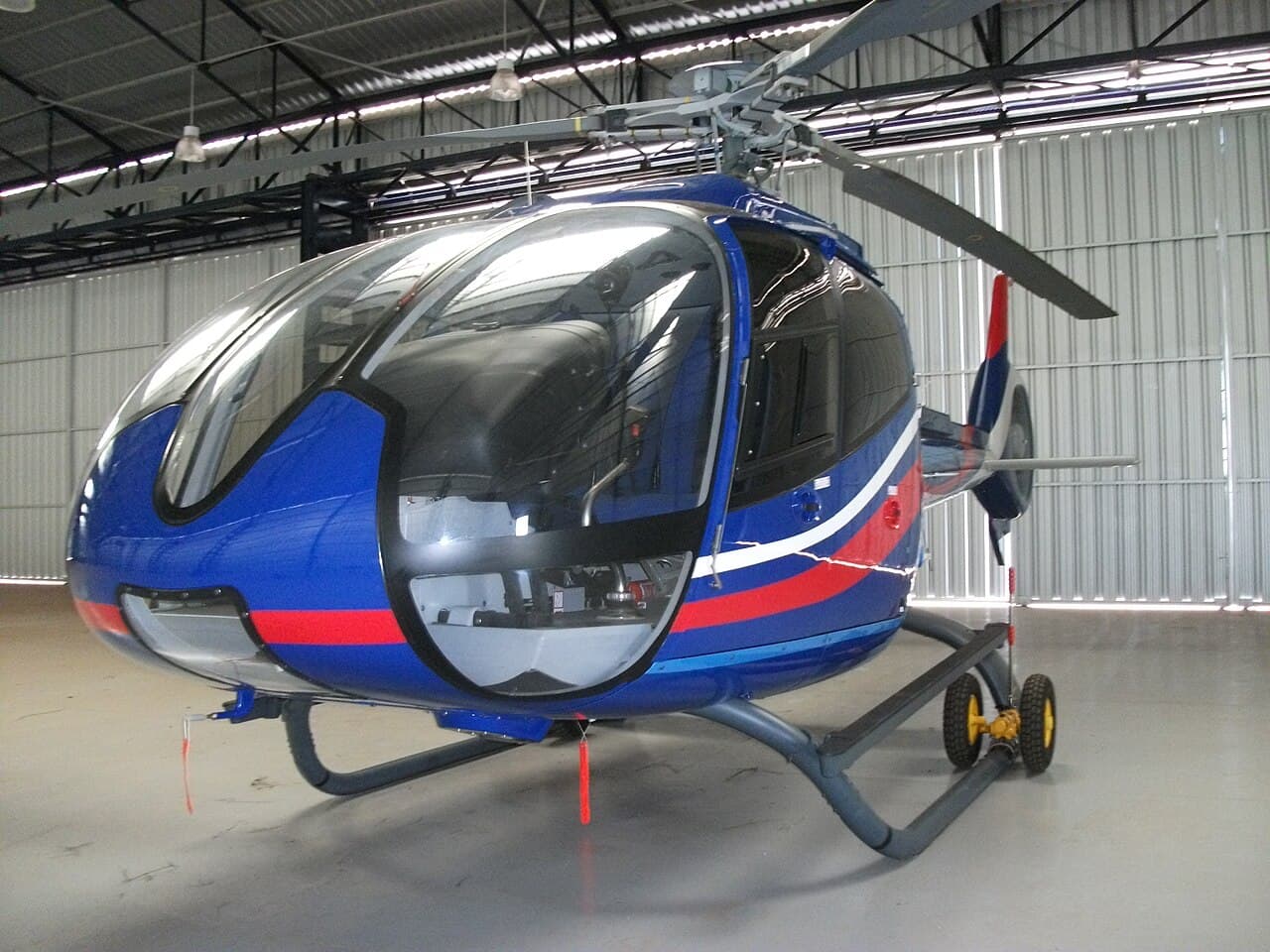
Five Americans were among seven people killed when a tourist helicopter crashed in a remote area of northern Kenya on August 19, 2026. The Eurocopter EC130 B4, registered 5Y-GYM, was carrying six passengers and one pilot when it crashed near Kirish, close to Mount Ololokwe in Samburu County. The Kenya Civil Aviation Authority (KCAA) said the accident occurred at approximately 09:13 local time while the helicopter was flying from Loisaba Conservancy to the Ewaso Nyiro area. The aircraft was operated by Lady Lori Helicopters and was carrying guests of luxury safari company &Beyond. "We can confirm that on the morning of August 19, an aircraft registered as 5Y-GYM, carrying &Beyond guests, crashed near Kirish, close to Mt. Ololokwe in Samburu County, Kenya," the company said in a statement. The US State Department confirmed that five US citizens were among those killed. "We can confirm the deaths of five US citizens in a helicopter crash in Samburu County, Kenya," a State Department spokesperson said. "The US Embassy is in touch with local authorities and is providing consular assistance." Lady Lori Helicopters identified the aircraft as 5Y-GYM and said it was operating the charter flight from Suyian Conservancy to Ololokwe. "Lady Lori Helicopters is deeply saddened to confirm that one of our aircraft, registered 5Y-GYM, was involved in an accident," the company said. "Our deepest sympathies are with the guests, crew, their families and loved ones, and all those affected by this tragic accident." The six passengers included Michele Sensi-Contugi, director of Ecuador's National Intelligence Center; his wife, Stephany Hollihan Vasconez, a dual US-Ecuadorian citizen; and José Alberto Suárez, a senior Telemundo executive based in Florida. The Kenya Red Cross joined a multiagency response at the crash site. The remote and mountainous terrain complicated efforts to reach the wreckage. Kenya's Air Accident Investigation Department is leading the crash investigation. The EC130 B4 is a seven-seat, single-engine helicopter developed by Eurocopter, now part of Airbus Helicopters. The type is widely used for sightseeing and charter flights because of its large cabin, low external noise and unobstructed views. Mount Ololokwe, also known as Ol Donyo Sabache, rises above the Samburu region and is a popular destination for hiking and wildlife tourism. Loisaba Conservancy and the Ewaso Nyiro River are also part of Kenya's northern safari circuit.
NTSB Publishes New Video and Reports on Deadly Philadelphia Learjet 55 Crash
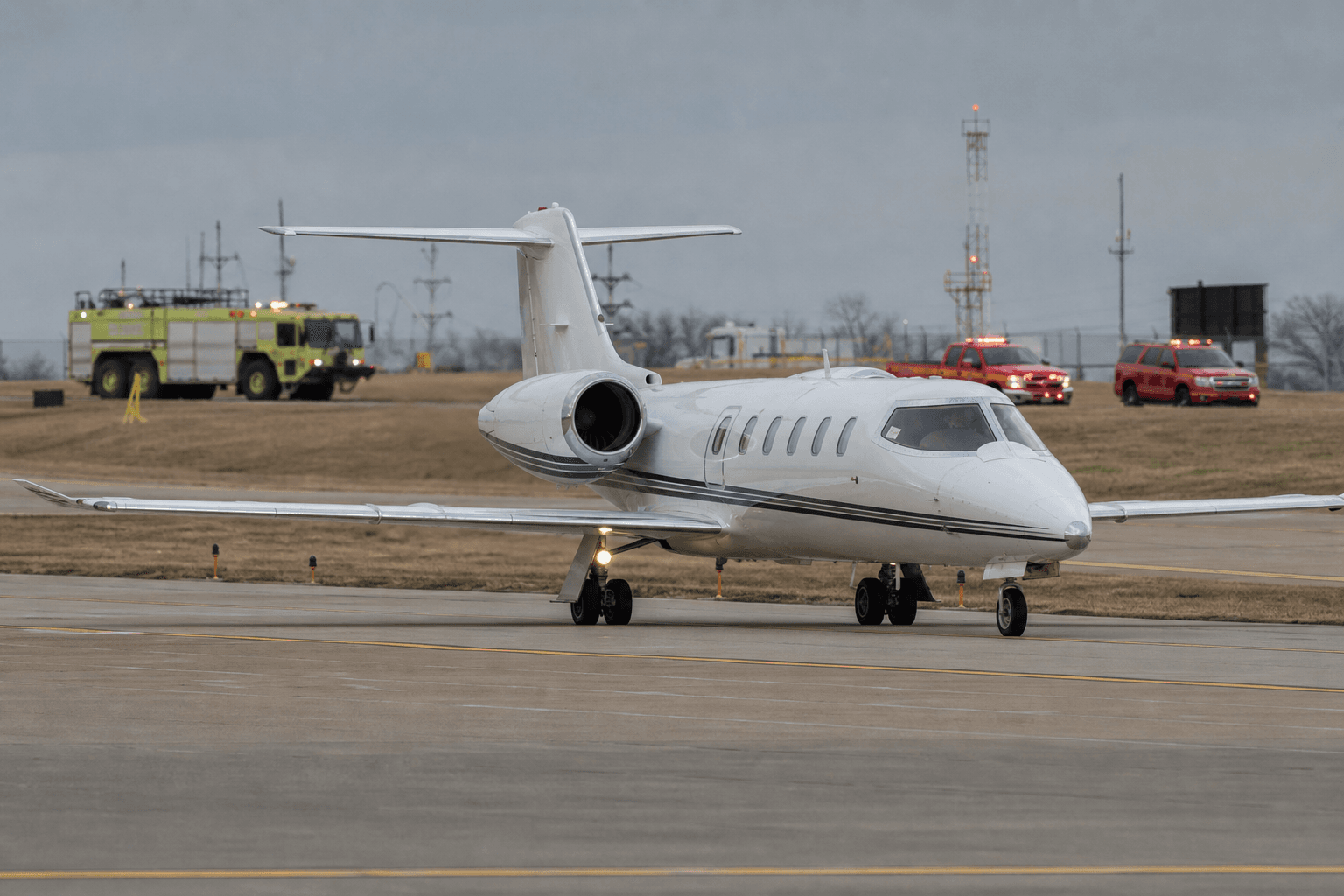
The National Transportation Safety Board (NTSB) released a new batch of investigative material from its probe of the January 2025 Learjet 55 crash in Philadelphia, including surveillance videos capturing the aircraft before and during the accident. The material was added to the NTSB's public docket Tuesday, Aug. 18. The docket now contains 59 items, including operational, airworthiness and maintenance reports, along with videos, audio recordings and other investigative data. Among the newly released videos are doorbell-camera and drive-thru footage showing the final seconds of the flight. Additional surveillance footage shows the aircraft at Miami-Opa Locka Executive Airport and Northeast Philadelphia Airport, including video of the crew conducting its preflight and the airplane taxiing for departure. The Learjet 55, operated by Jet Rescue Air Ambulance, departed Northeast Philadelphia Airport shortly after 6 p.m. on Jan. 31, 2025, carrying a pediatric patient, her mother and four crewmembers on a flight to Tijuana, Mexico. The aircraft was airborne for about 22 seconds before crashing near Cottman Avenue and Roosevelt Mall. All six people aboard were killed, as were two people on the ground. At least 24 others were injured. The docket also includes an operational factors factual report, accident flight risk assessment, pilot training and flight-time records, aircraft weight-and-balance information, airworthiness and maintenance reports, and a checklist page recovered from the wreckage. Investigators also released reports covering the cockpit voice recorder , enhanced ground proximity warning system, aircraft performance and FAA ADS-B data. The NTSB has not yet determined what caused the crash. The newly released documents are factual investigative material and do not represent the agency's final findings or probable cause. The investigation remains ongoing, with the NTSB expected to address the cause and any contributing factors in its final report.
Tail-strike and delayed liftoff mark Vietnam Airlines 787 takeoff in Munich
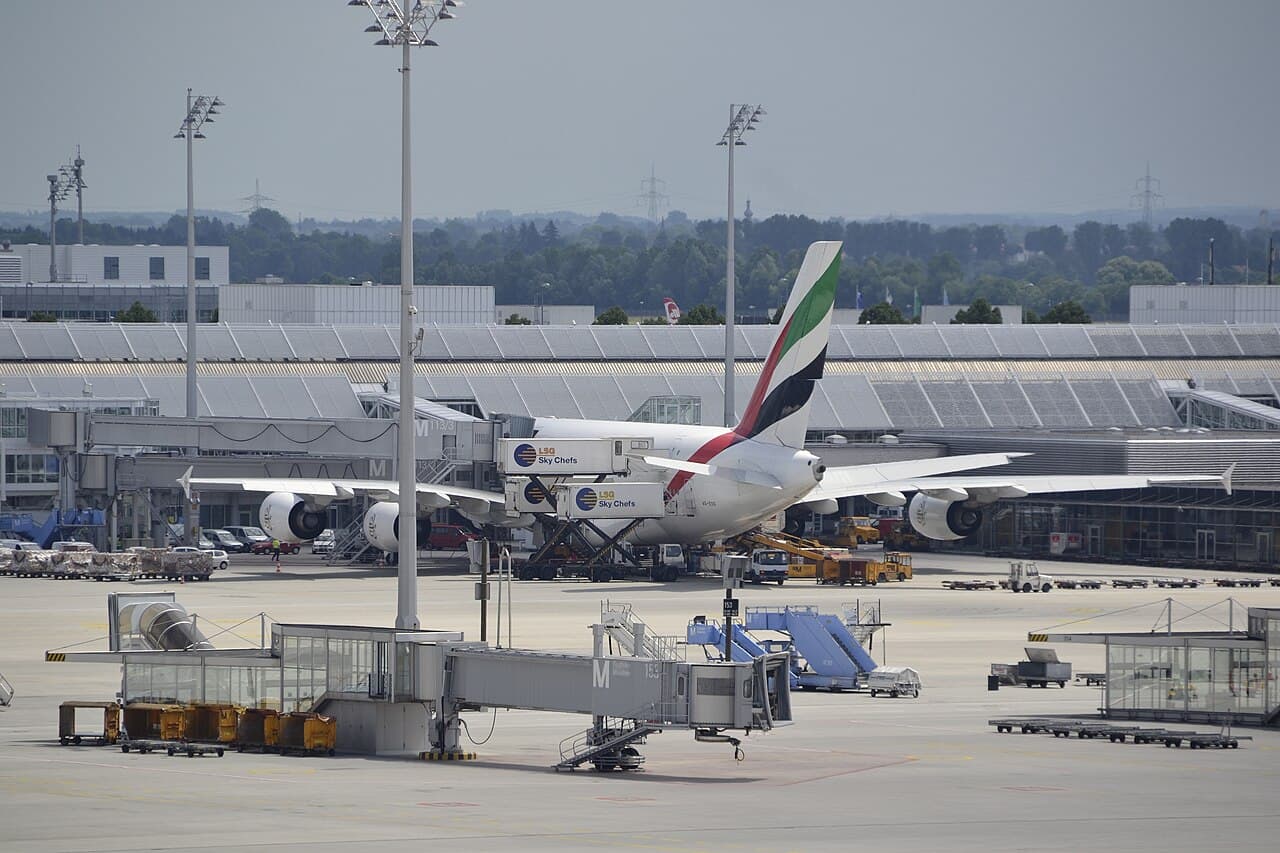
German investigation authority confirms tail-strike as Hanoi-bound twinjet laboured to become airborne. German investigation authority BFU has confirmed that the Vietnam Airlines Boeing 787-9 involved in a prolonged take-off roll at Munich struck its tail during a late lift-off. The aircraft, operating to Hanoi, was departing from runway 26L at 13:57 on 15 August but returned and landed just over 2h later. "During the rotation phase, the tail of the aircraft touched the ground," says BFU, adding that the aircraft "lifted off late". It states that the flight recorders from the twinjet are being read out at the authority's Braunschweig facilities. "Reading and analysing the data will take some time," it says. BFU also confirms that type marks "that could be attributed to the aircraft" were identified at the far end of the runway. No preliminary conclusions have been drawn by the inquiry, and no details have been released on performance calculations or system functionality. But the presence of the tyre marks – perhaps indicating activation of braking systems – is likely to be a focus of the probe, given that the crew appeared to have committed to becoming airborne. The aircraft carried out a full-length take-off from 26L, which is 4,000m in length, but preliminary information from Vietnamese publications appear to confirm indications that the aircraft struggled to accelerate. Vietnamese outlet VnExpress , citing an initial report from the country's civil aviation authority, says the crew realised – about halfway along the runway – that the aircraft's speed did not increase for a few seconds, before acceleration resumed. Upon reaching the V1 decision speed, it reports, the crew noticed a deceleration but believed there was insufficient runway distance to abort take-off. Normally V1 is defined as a speed which allows take-off to be aborted safely, and this might suggest an unexpected shortfall in the aircraft's acceleration performance and delays in achieving V1. The VnExpress report says the crew increased thrust to maximum and started rotating with about 300ft of runway remaining, generating a tail-strike warning. The crew also received alerts on tyre pressure. After burning fuel to reduce the landing weight, the 787 touched down on Munich's runway 26R. Several main landing-gear tyres were badly damaged. Meteorological data from Munich airport at the time indicates light variable winds and good visibility. Vietnamese and US representatives are participating in the inquiry. "Investigation into the accident is not yet complete," says BFU. "Further facts regarding human and technical factors, as well as organisational influences, still need to be established."
The Daily Touch & Go
The day's best aviation news in your inbox. Free, no spam.