

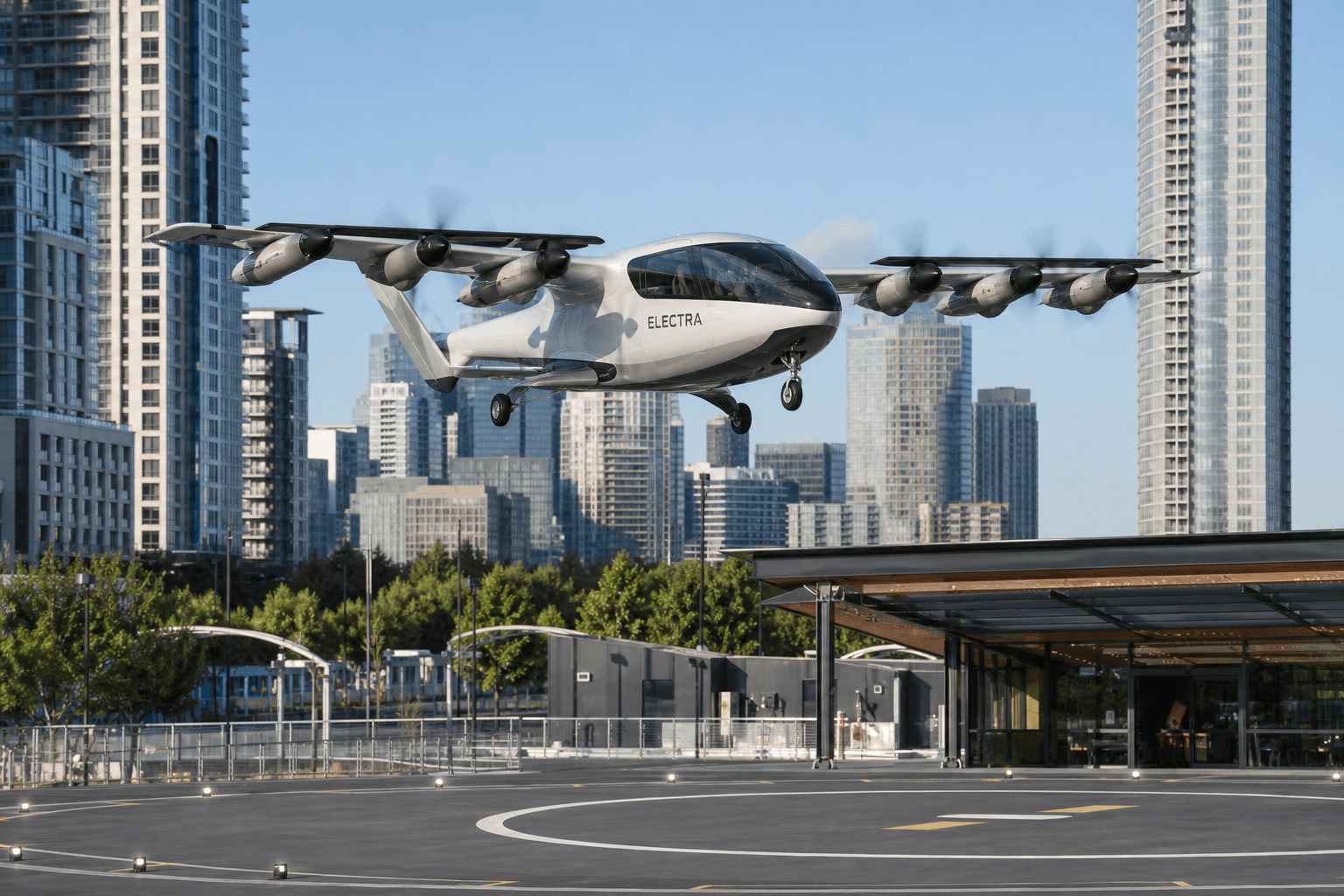
Illustration: The Touch & Go
Electra, UrbanV, Signature Aviation Partner to Build Regional Mobility Network with EL9 Ultra
Electra, UrbanV, and Signature Aviation signed a memorandum to develop a regional air mobility network using Electra's EL9 Ultra aircraft paired with vertiports and existing facilities for short regional trips.
The gist
Electra joins UrbanV and Signature Aviation to launch a regional air mobility network targeting short trips with EL9 Ultra and vertiport infrastructure.
Electra Aviation has entered a strategic partnership with UrbanV and Signature Aviation to develop a regional air mobility network centered on Electra’s EL9 Ultra Short Takeoff and Landing (STOL) aircraft. The companies formalized the collaboration with a memorandum of understanding (MOU) that aims to combine innovative aircraft technology with an expanding network of vertiports and traditional aviation facilities to better serve regional travel needs. This agreement focuses on creating access points suited for high-demand short regional routes where conventional airline service is often limited or impractical.
The EL9 Ultra is a nine-passenger aircraft designed specifically for ultra-short field operations, capable of taking off and landing within 150 feet. This capability allows it to access smaller airports and alternative landing sites that are typically unavailable to larger commercial aircraft. Electra’s vision pairs these aircraft capabilities with its Direct Aviation model, which emphasizes point-to-point travel that circumvents the inefficiencies and inconveniences associated with hub-and-spoke airline systems.
Electra’s vice president of commercial programs, Diana Siegel, highlighted the concept of Direct Aviation as providing unprecedented freedom for travelers by eliminating the constraints imposed by traditional airlines. Siegel cited the company’s Direct Aviation Market Outlook, which identifies tens of millions of daily regional trips in the U.S. alone, often across distances that are too short to be efficient for scheduled airline service yet too long for convenient driving. The collaboration is a major step toward addressing these unmet travel needs.
UrbanV brings extensive experience in vertiport development and operations, a crucial element for the network’s infrastructure. Vertiports—designated spaces for vertical takeoff and landing aircraft—are increasingly important hubs for next-generation regional and urban air mobility. Signature Aviation adds its global footprint through more than 200 private aviation terminals spanning 27 countries, offering access to established Fixed Base Operator (FBO) networks to support operations and passenger services.
Under the terms of the MOU, the three companies will collaborate to identify and develop site-specific locations, negotiating term sheets that facilitate the integration of the EL9 Ultra aircraft into existing and new regional travel infrastructure. Electra’s market analysis highlights more than 35 million daily regional passenger trips in the United States involving routes between 50 and 250 miles and identifies over 6,000 routes with more than 1,000 travelers per day where this model could be viable.
The partnership aims to target short regional trips that currently rely heavily on ground transportation or indirect airline routes, which can be time-consuming and inconvenient. By providing a direct air travel option, the network aspires to make regional mobility faster and more accessible. The collaboration considers both passenger and cargo operations to maximize the utility of the aircraft and infrastructure.
This initiative comes amid growing interest in regional air mobility as a solution to congested highways and inefficient regional airline networks. The EL9 Ultra's STOL capabilities position it uniquely to tap into smaller airports and even non-traditional landing sites with minimal infrastructure needs. Coupled with the planned vertiports and Signature Aviation’s extensive FBO presence, this network promises to blend emerging aviation technology with proven facility operations.
Electra, UrbanV, and Signature Aviation’s agreement represents a concrete move toward realizing practical regional air mobility at scale. As regional travel demand continues to grow and travelers seek faster, more direct options, this partnership creates a framework for deploying aircraft and infrastructure tailored to short-haul trips. By advancing both hardware and network development simultaneously, the companies look to deliver an integrated solution that overcomes the limitations of current regional transportation options.
Read more
All Cargo →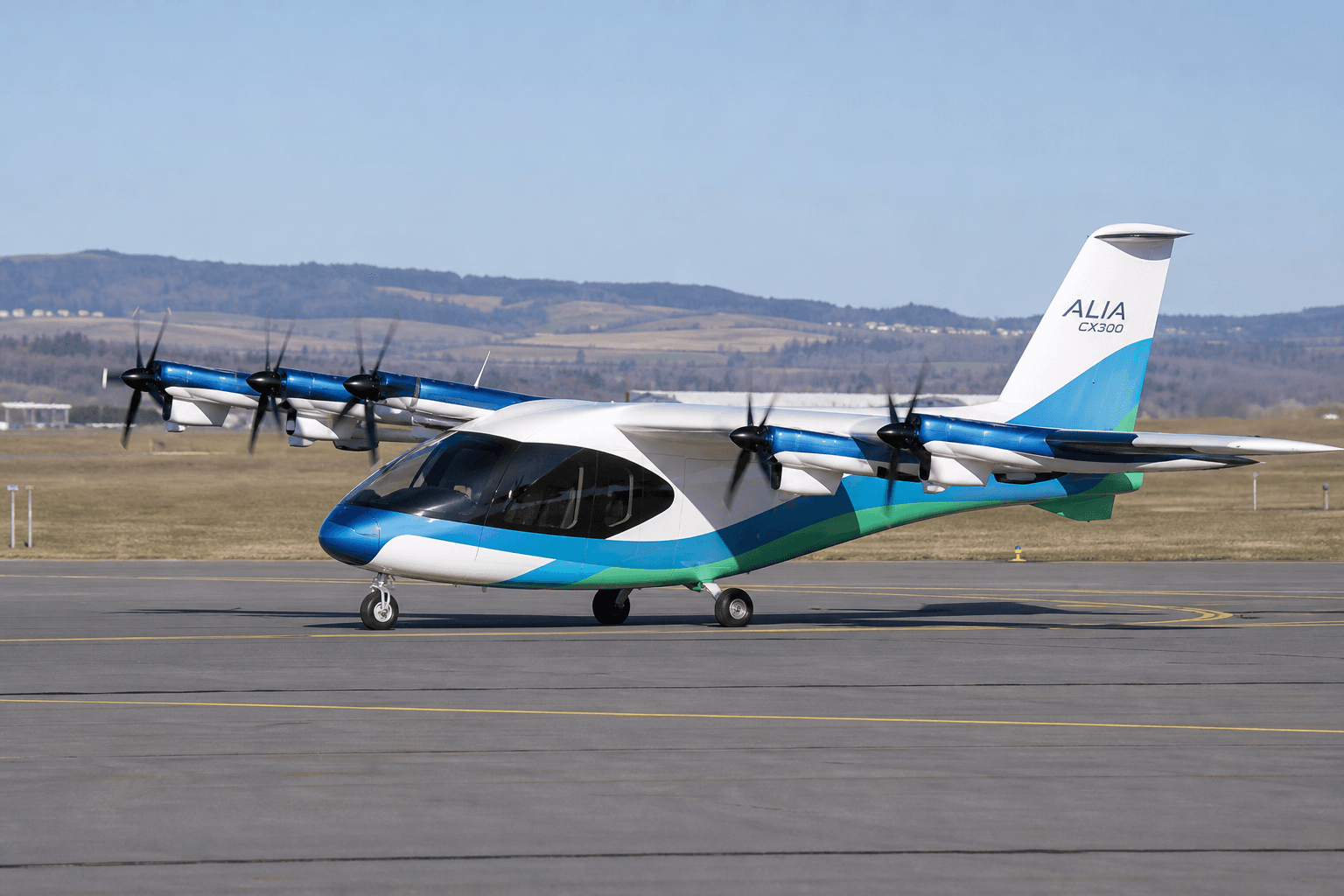
FAA and BETA Technologies Launch eVTOL Integration Pilot Program with First Electric Cargo Flights
The FAA and Transportation Department's eVTOL Integration Pilot Program ( eIPP ) has begun operational flying. BETA Technologies said Friday that it conducted the program's first electric conventional-takeoff-and-landing flights using its ALIA CX300 aircraft to transport manufactured organs in Maryland and Virginia. Medical Missions Open Program United Therapeutics took part in the flights alongside BETA and the Multistate Collaborative eIPP National Integration Complex. The missions were intended to demonstrate how electric aircraft could support time-sensitive medical transportation between existing airports. The CX300 uses a runway for takeoffs and landings. BETA is pursuing FAA certification for the aircraft and has demonstrated a range of 337 nautical miles. Flights by the company's vertical-takeoff ALIA model are expected to follow conventional aircraft operations under the program. Trials Span 26 States The FAA and Transportation Department selected eight projects for the program in March . The projects cover 26 states and include passenger transportation, cargo deliveries, medical response and autonomous-aircraft operations. BETA was selected to participate in seven projects and expects to operate in at least 10 states. The program is expected to run for at least three years. The FAA plans to use data collected during the operations to develop regulations for integrating electric and other advanced aircraft into the national airspace system.
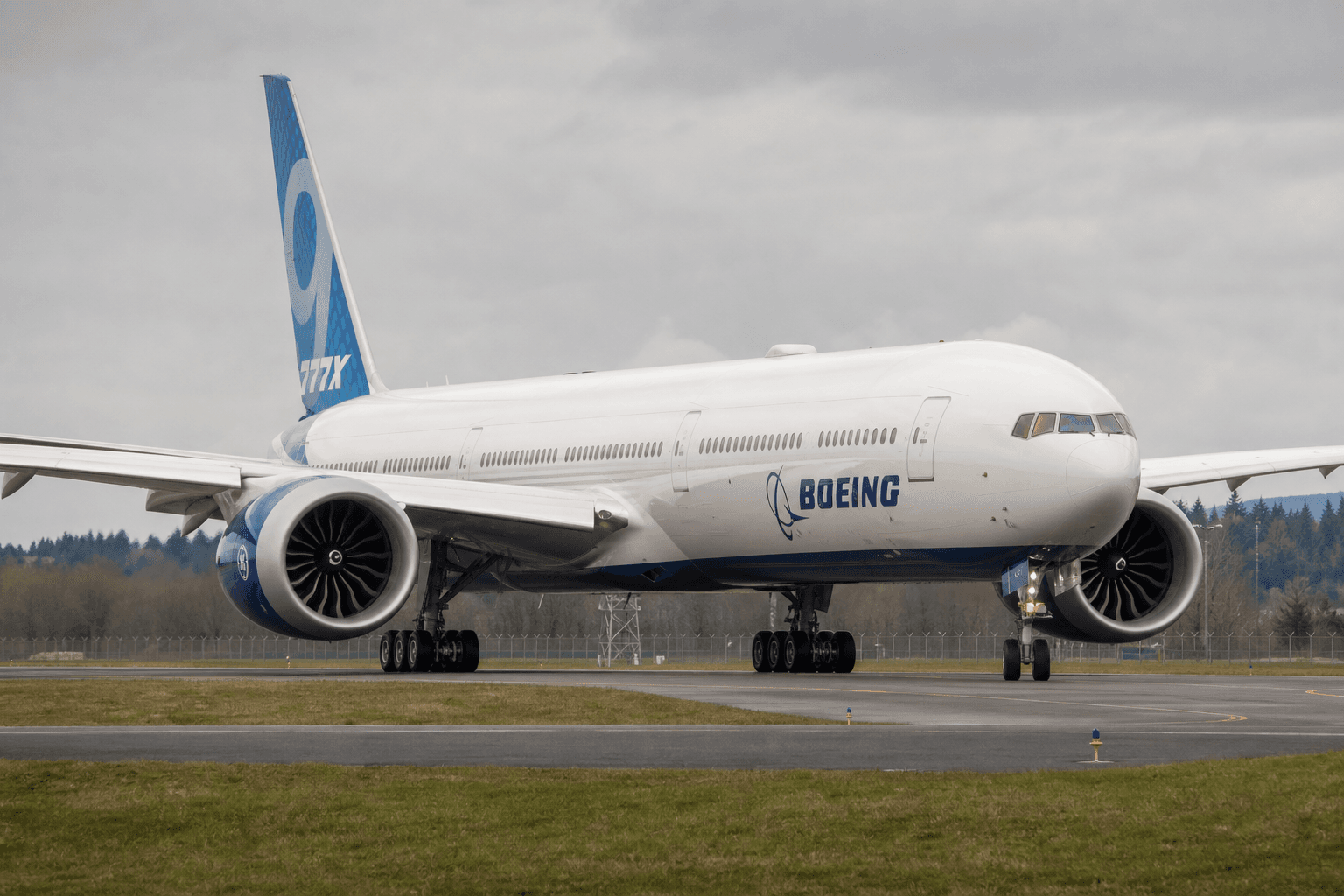
Boeing updates B777X range and capacity quietly, boosting performance outlook
Evidence suggests that Boeing has updated the advertised range of the B777X aircraft. The US aircraft manufacturer has not made any official announcement about these changes. However, several media outlets and industry analysts have noted that Boeing has quietly updated the marketing materials related to the B777X which are available online . The range performance improvement seems to be across the whole family of aircraft. The B777-9 has been increased by 715 nm (1,324 km), from 7,285 nm (13,492 km) to 8,000 nm (14,816 km), an increase of almost 10%. The rise has been even larger for the B777-8, which has seen its advertised range expanded by 755 nm (1,398 km), from 8,745 nm (16,196 km) to 9,500 nm (17,594 km) – a boost of 8.6%. This figure places this version of the B777X close to the 10,000 nautical miles (18,520 km) of the Airbus A350-1000ULR , which has been picked by Qantas to operate what is set to be the world's longest commercial route, from Sydney (SYD) to London Heathrow (LHR). The B777-8 Freighter has also had 590 nm (1,093 km) added to its advertised performance, taking it from 4,410 nm (8,167 km) to 5,000 nm (9,260 km) – in percentage terms, the largest jump at 13.4%. What's more, the theoretical maximum number of passengers that each of these B777X versions is able to carry appears to have been updated upwards, too. The B777-8 is now listed as being able to carry 350 to 425 passengers in a two class-configuration, while previously the upper limit was 395. The equivalent number of the B777-9 has been revised to a bracket of 375 to 450 passengers in two classes, while previously it stood at 426. Richard Schuurman at aviation news platform AirInsight noted that these performance figures have been revised while leaving the aircraft's MTOW (Maximum Take Off Weight) largely intact . This may indicate that these changes have been achieved through efficiency improvements rather than through any structural modifications. The B777-9 is currently expected to complete its certification process by early 2027 , as it continues to accumulate delays. The B777-8, in both its passenger and cargo versions, could take another two to three years to achieve certification. AeroTime has reached out to Boeing for further comment. RELATED Watch: What is inside a B777-9 test cabin?
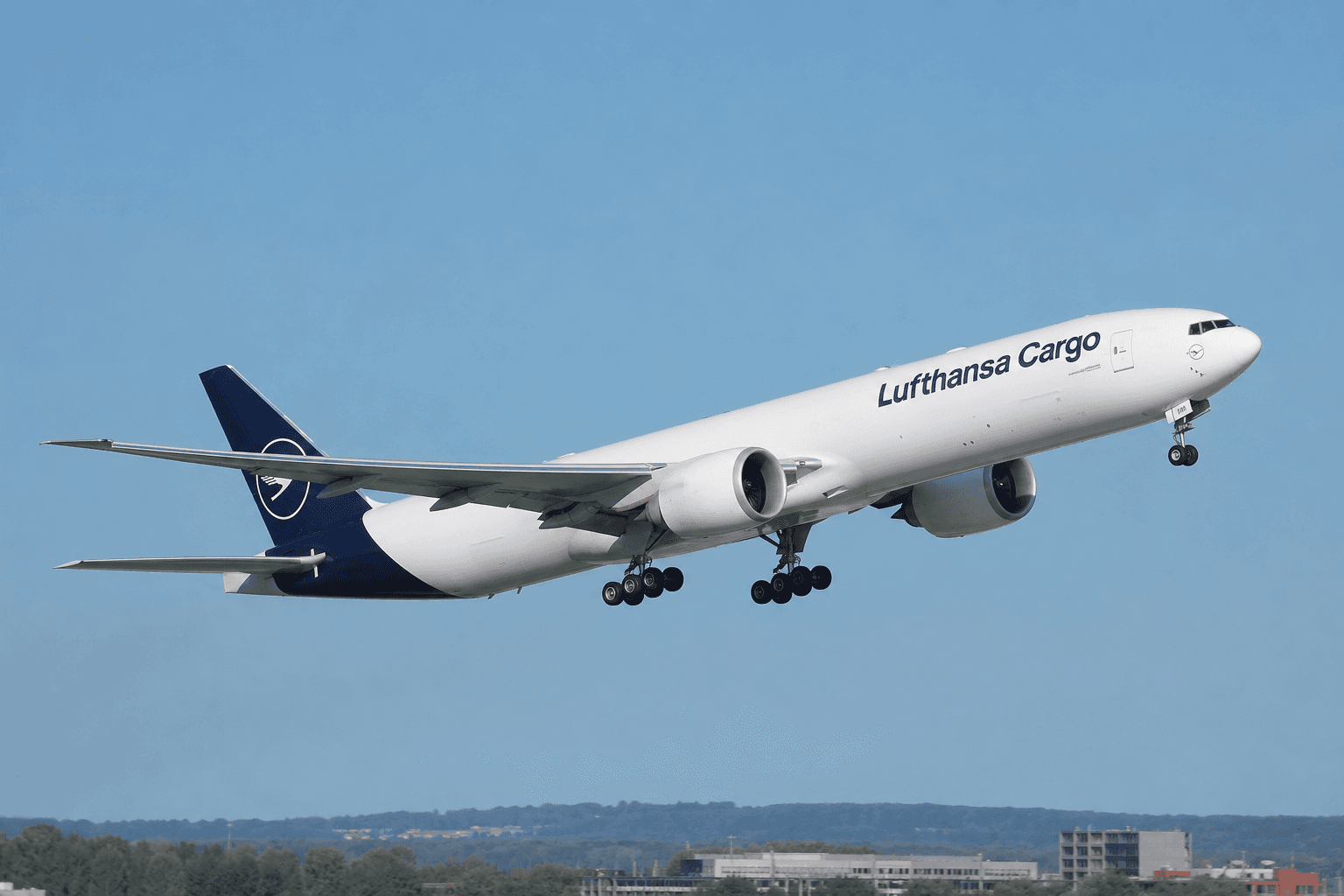
AerCap leases three Boeing 777-300ERSF freighters to China Southern Airlines Cargo
AerCap has signed lease agreements with China Southern Air Logistics Co. Ltd. (China Southern Airlines Cargo) for three Boeing 777-300ERSF converted freighter aircraft. The aircraft, also known as “The Big Twin,” represents the first passenger-to-freighter conversion program for the Boeing 777-300ER. The first aircraft is scheduled for delivery in October 2027, while the second and […]
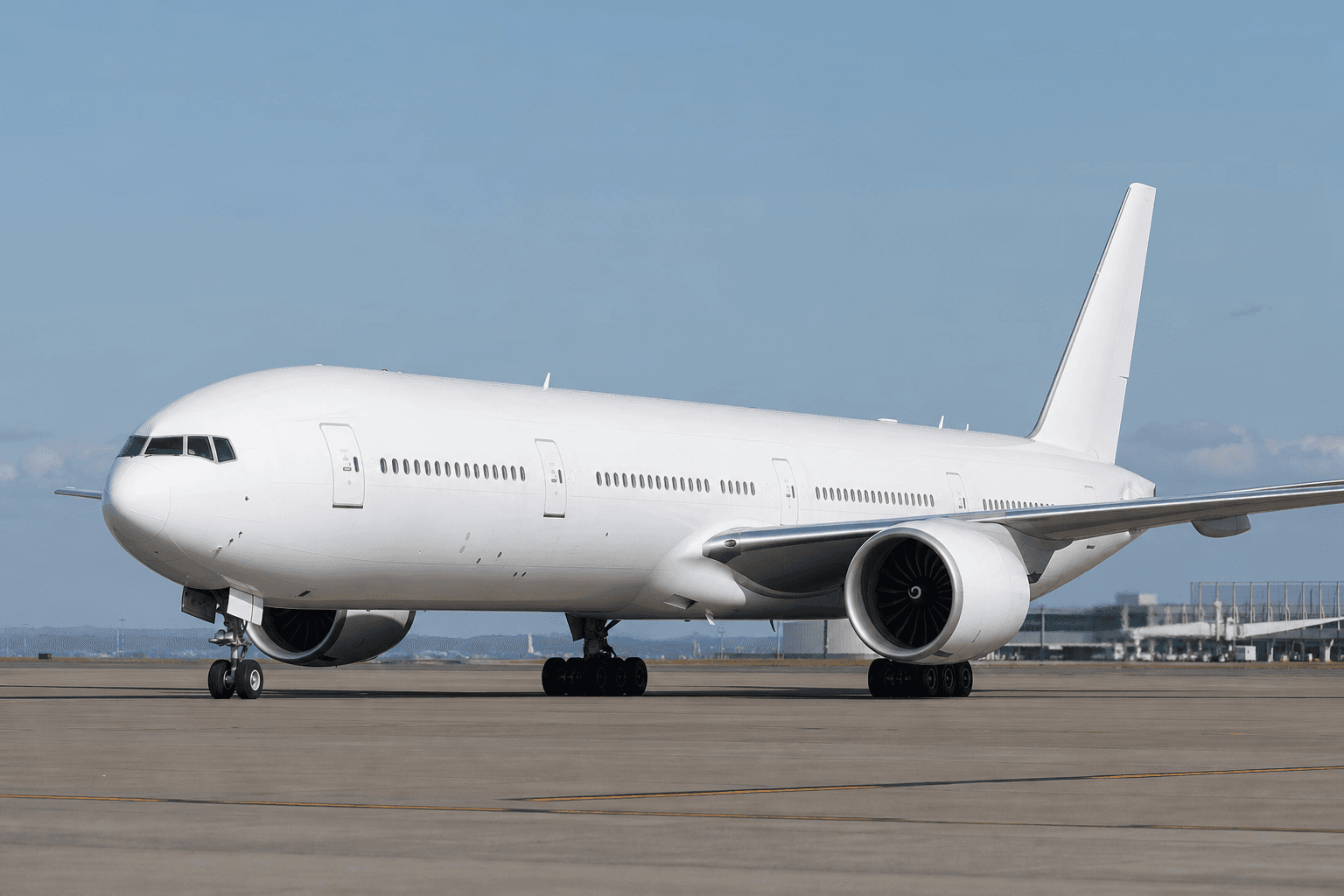
China Southern Air Logistics to Add Three Boeing 777-300ER Converted Freighters
Operator to take IAI-modified twinjets under lease agreement with AerCap. China Southern Airlines has become the latest carrier to commit to introducing converted Boeing 777-300ER freighters. The airline's logistics division has signed a lease agreement for three of the type with Irish-based lessor AerCap. AerCap states that it will deliver the first of the modified twinjets to the Guangzhou-based company in October next year. The remaining two will be handed over in the first and second quarters of 2028 respectively. Designated the 777-300ERSF the aircraft are being converted under a programme partnership between Israel Aerospace Industries and AerCap. "These aircraft will provide strong support for our strategy to expand intercontinental routes, enabling us to deliver superior service to customers worldwide," says China Southern Air Logistics chair Li Xiao. "Introduction of the [777-300ERSF] marks a major milestone in the continued evolution of our fleet." China Southern has cargo hubs at Shanghai and Guangzhou and its cargo fleet includes a dozen Boeing 777Fs and a pair of 747-400Fs. AerCap chief Aengus Kelly says the 777-300ERSFs will "integrate seamlessly" into the Chinese carrier's 777 operation.
The Daily Touch & Go
The day's best aviation news in your inbox. Free, no spam.