
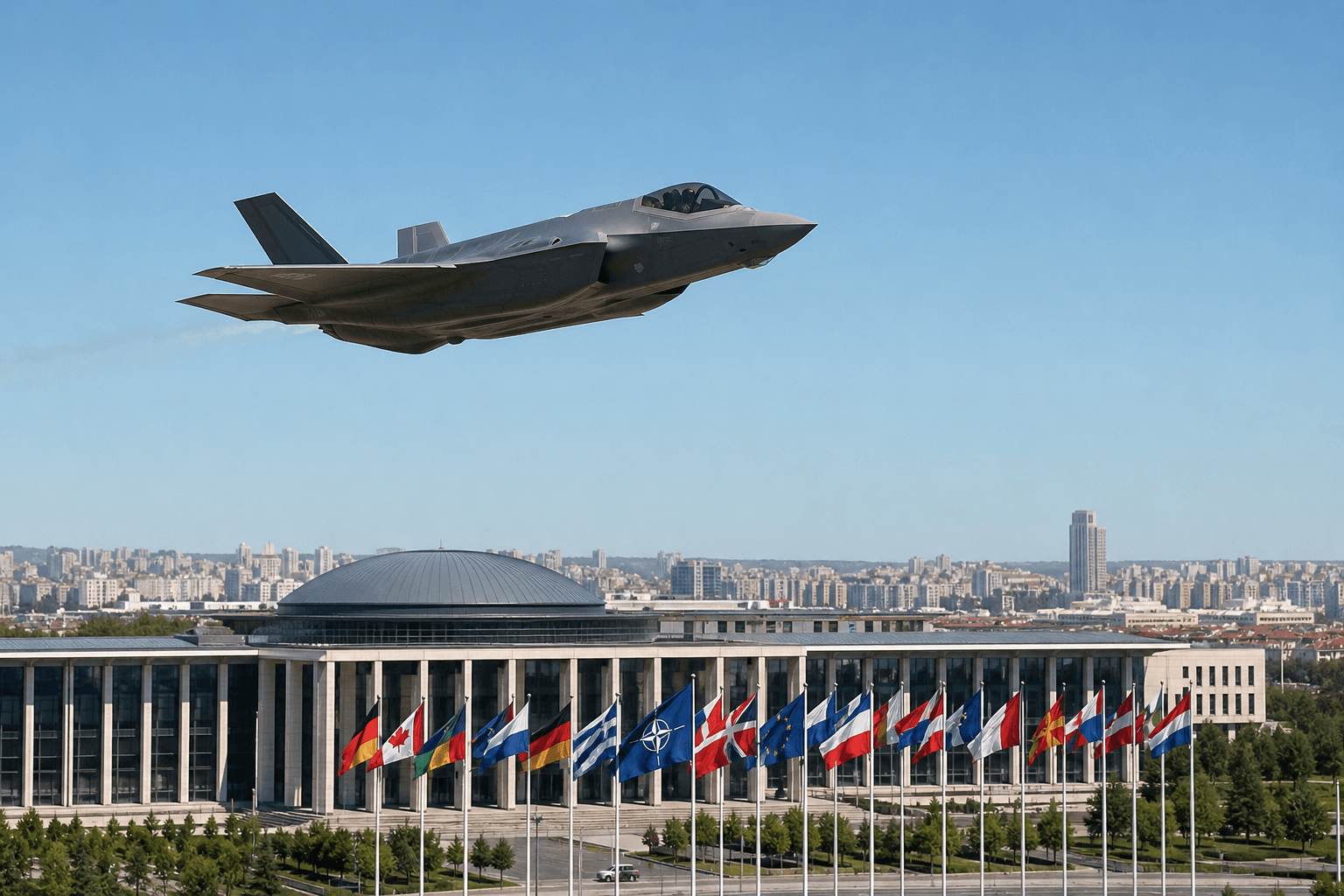
Illustration: The Touch & Go
Trump signals lifting Turkey sanctions and reconsiders F-35 sales amid S-400 dispute
President Trump announced plans to remove sanctions on Turkey and weigh F-35 fighter jet sales, conditional on resolving the Russian S-400 air defense system issue.
The gist
Trump plans to lift sanctions on Turkey and decide on F-35 sales if Ankara resolves its S-400 impasse.
Continuing coverage
All F-35 →- UK Defence Investment Plan boosts Global Combat Air Programme and unmanned systems, trims older fleets
- Germany to Expand F-35 Fleet Amid FCAS Fighter Program Collapse
- Six F-35Bs Delivered Without Radars Amidst Upgrade Challenges, Program Director Reveals
- Spain boosts Eurofighter fleet with 20 new jets, stepping back from F-35 plans
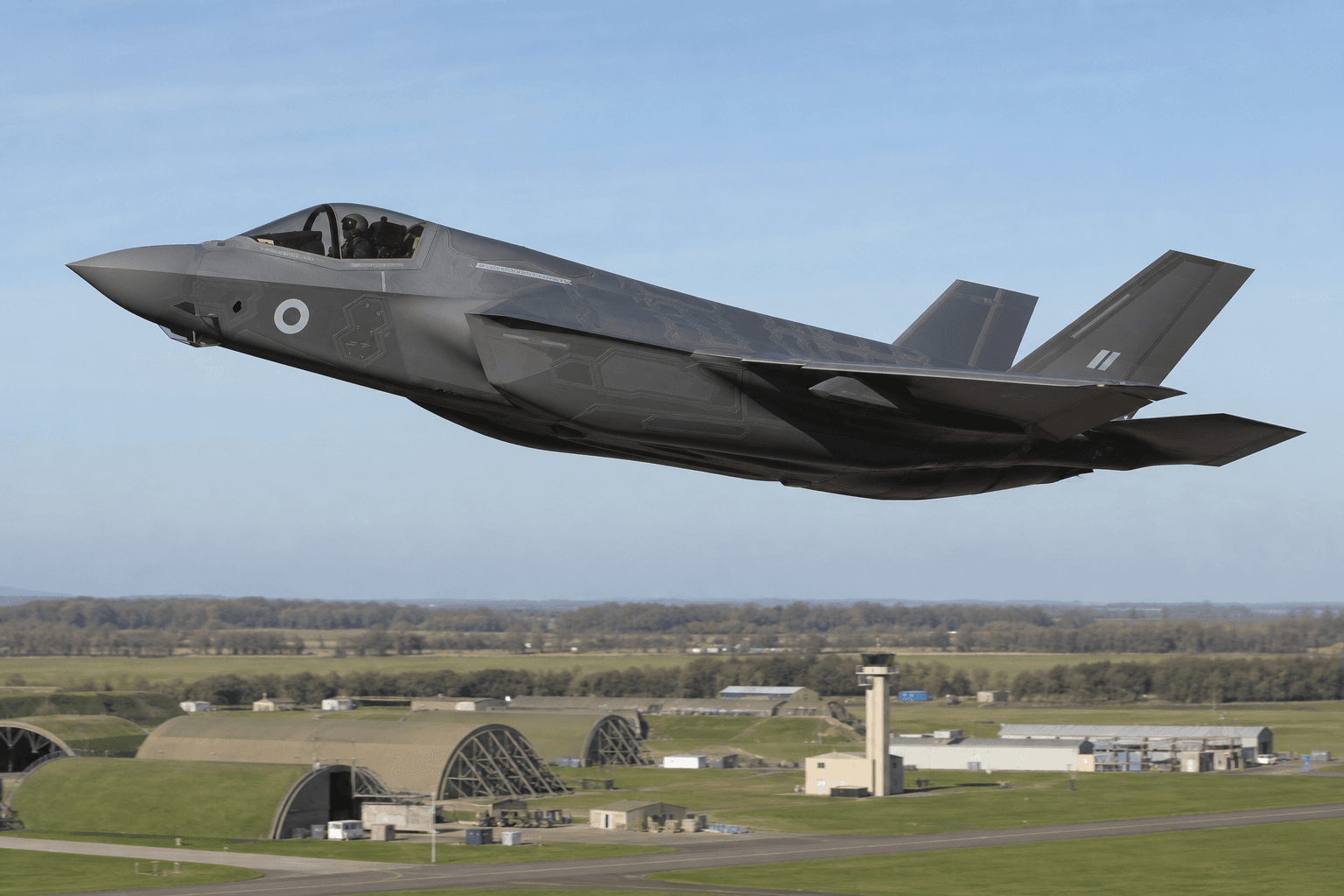
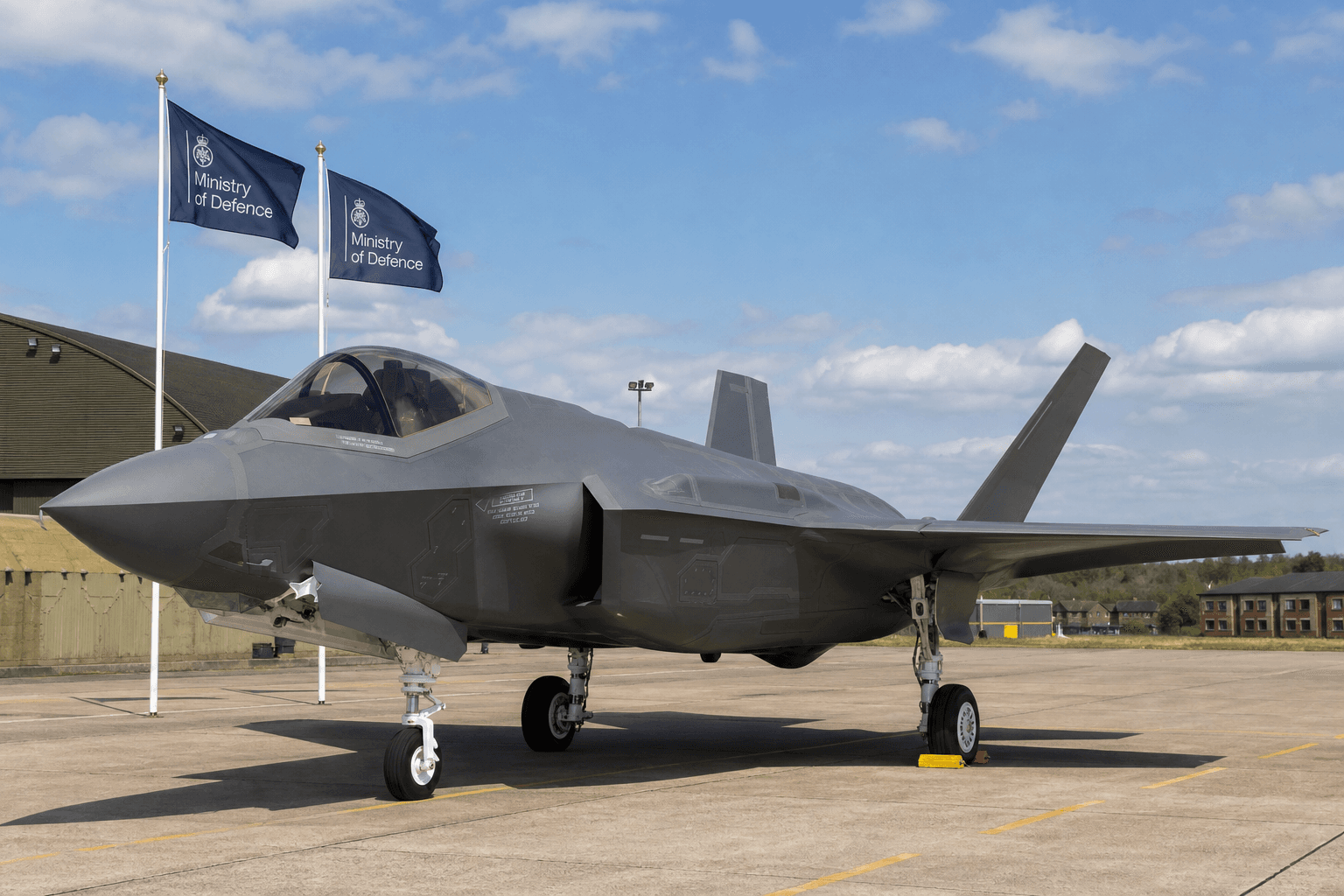
US President Donald Trump revealed on July 7, 2026, during a NATO summit in Ankara that the United States intends to lift sanctions imposed on Turkey and will decide on selling the nation Lockheed Martin F-35 stealth fighter jets. This development marks a significant shift since Turkey was removed from the F-35 program in 2019 following its purchase of the Russian S-400 air defense system. The aircraft transfer remains blocked as long as Turkey maintains possession of the S-400, which Washington regards as a critical security threat potentially compromising the stealth capabilities of the F-35.
The Countering America’s Adversaries Through Sanctions Act (CAATSA) sanctions levied against Turkey in 2020 were a direct response to Ankara’s acquisition of the Russian missile system. Trump’s announcement suggests the administration is seeking a pathway to resolve this conflict and restore defense cooperation, including potentially reintegrating Turkey into the F-35 program. Still, no conclusive agreement has emerged regarding the fate of the S-400 system, which remains the central obstacle.
One proposed solution under discussion involves Turkey transferring the S-400 system to a third country, which could pave the way for normalization of military ties and resumption of F-35 sales. However, such a transfer faces hurdles, including anticipated resistance from Russia, known for imposing end-user restrictions on its weapons exports. The United States Congress has also enacted provisions through the Fiscal Year 2020 National Defense Authorization Act to withhold F-35 deliveries until Turkey no longer holds the S-400.
Turkey’s earlier involvement in the F-35 program entailed not only intentions to operate the fighter jets but also participation by Turkish companies in manufacturing components. Since being removed, Ankara has diversified its defense strategy. It has moved forward with acquiring Eurofighter Typhoons and launched development of the KAAN, a domestic fifth-generation fighter jet initiative supported by a recent $700 million sale of General Electric F110 engines to Turkey for this program. These moves coincide with efforts to maintain an advanced air combat capability independent of US systems.
The potential rekindling of the F-35 sales to Turkey has prompted opposition from bipartisan members of the US Congress, who argue that the security risks posed by Turkey’s continued possession of the S-400 preclude the transfer of sensitive stealth technology. Israel, an operator of the F-35I Adir variant, has also expressed concerns. Jerusalem seeks to preserve its qualitative military edge in the region and views the prospect of F-35 sales to Turkey with caution.
President Trump’s statements came in direct remarks to reporters during the NATO summit with Turkish President Recep Tayyip Erdogan, marking one of the clearest indications from Washington of a willingness to revisit past decisions on defense relations with Turkey. The move aligns with broader diplomatic overtures aimed at reinforcing NATO unity amid evolving geopolitical challenges.
At present, the outcome hinges on resolving the status of the S-400 system. Should Turkey successfully relinquish the Russian air defense system, it could unlock US approvals for F-35 transfers, reversing a rupture that has lasted more than half a decade. Until then, legal restrictions and security assessments continue to restrict Turkey’s access to the US stealth fighter.
The Trump administration’s efforts underscore the complex interplay between arms sales, alliance politics, and regional security considerations. Restoring Turkey’s role in the F-35 program would reintegrate a major NATO ally into cutting-edge defense technology manufacture and deployment, while also navigating sensitivities related to partner nations’ security perceptions in the Eastern Mediterranean and beyond.
Read more
All Military/Defense →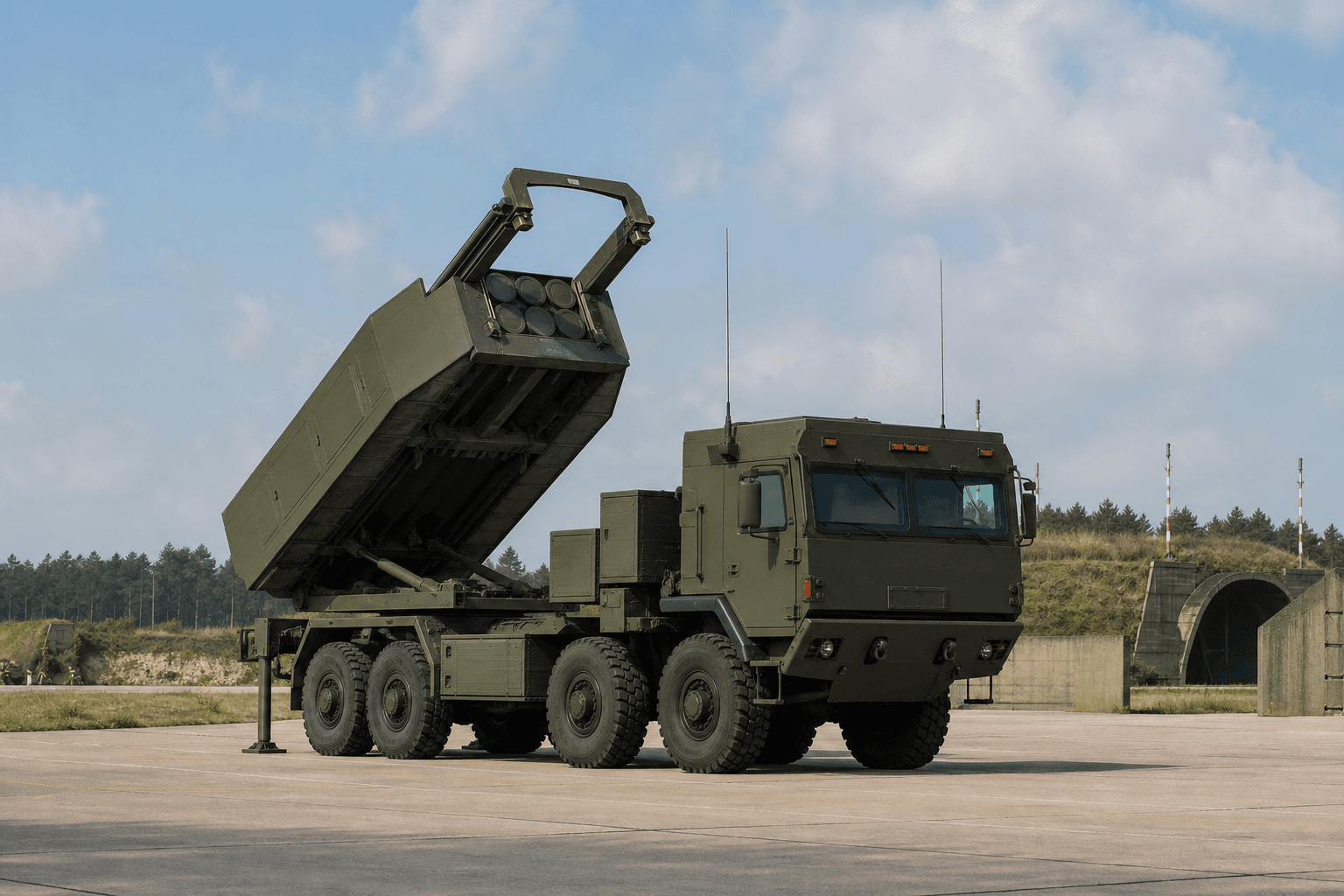
Germany to Acquire Tomahawk Cruise Missiles for Deployment on Home Soil
Germany has reached an agreement with the United States to purchase Tomahawk cruise missiles and station them on German territory, Chancellor Friedrich Merz announced on July 9, 2026. Speaking during a government statement to the Bundestag, Merz said the US administration had approved the sale of the long-range missiles, which will be acquired by the German government and deployed in Germany. The two sides reached the agreement on the sidelines of the NATO summit held in Ankara, Turkey, on July 7 and 8, 2026, a gathering that also produced a pooled A400M transport fleet and the selection of the Saab GlobalEye as NATO's future AWACS platform. "With this, we are closing an important strategic gap in our defense, and we will at the same time work on developing European systems and stationing them in Europe," Merz told lawmakers. The announcement came a day after German Defense Minister Boris Pistorius described talks with Washington as progressing, while cautioning on the morning of July 8, 2026, that no results had yet been achieved. From US deployment to German ownership The deal differs from the arrangement outlined in the joint statement signed by then US President Joe Biden and then Chancellor Olaf Scholz on July 10, 2024, under which the US was to begin episodic deployments of SM-6, Tomahawk, and developmental hypersonic weapons in Germany from 2026. That plan, which prompted Moscow to threaten a return to intermediate-range missile production , was shelved in May 2026 when the Pentagon scrapped the planned Long-Range Fires Battalion, citing stockpile shortages following heavy munitions expenditure in the US-Iran conflict. Under the new agreement, the missiles will instead be German-owned and German-operated, placing Berlin alongside the United Kingdom and the Netherlands as European operators of the Raytheon-built weapon, which can strike targets up to 2,500 kilometers (1,550 miles) away. A bridge to European deep strike MBDA's LCM / NCM Mk2 missile displayed at Eurosatory 2026, with the DELUGE long-range teleoperated munition shown above it. (Credit: AeroTime) Merz framed the purchase as an interim measure while Europe builds sovereign long-range capabilities. The chancellor's remarks echo a broader push that saw the UK commit £1.4 billion ($1.9 billion) to the Franco-British-Italian Stratus cruise missile on July 8, 2026, and MBDA present its complete Land Cruise Missile system at Eurosatory 2026 in June 2026. Germany is also participating in the European Long-Range Strike Approach (ELSA) alongside France, Italy, and Poland.
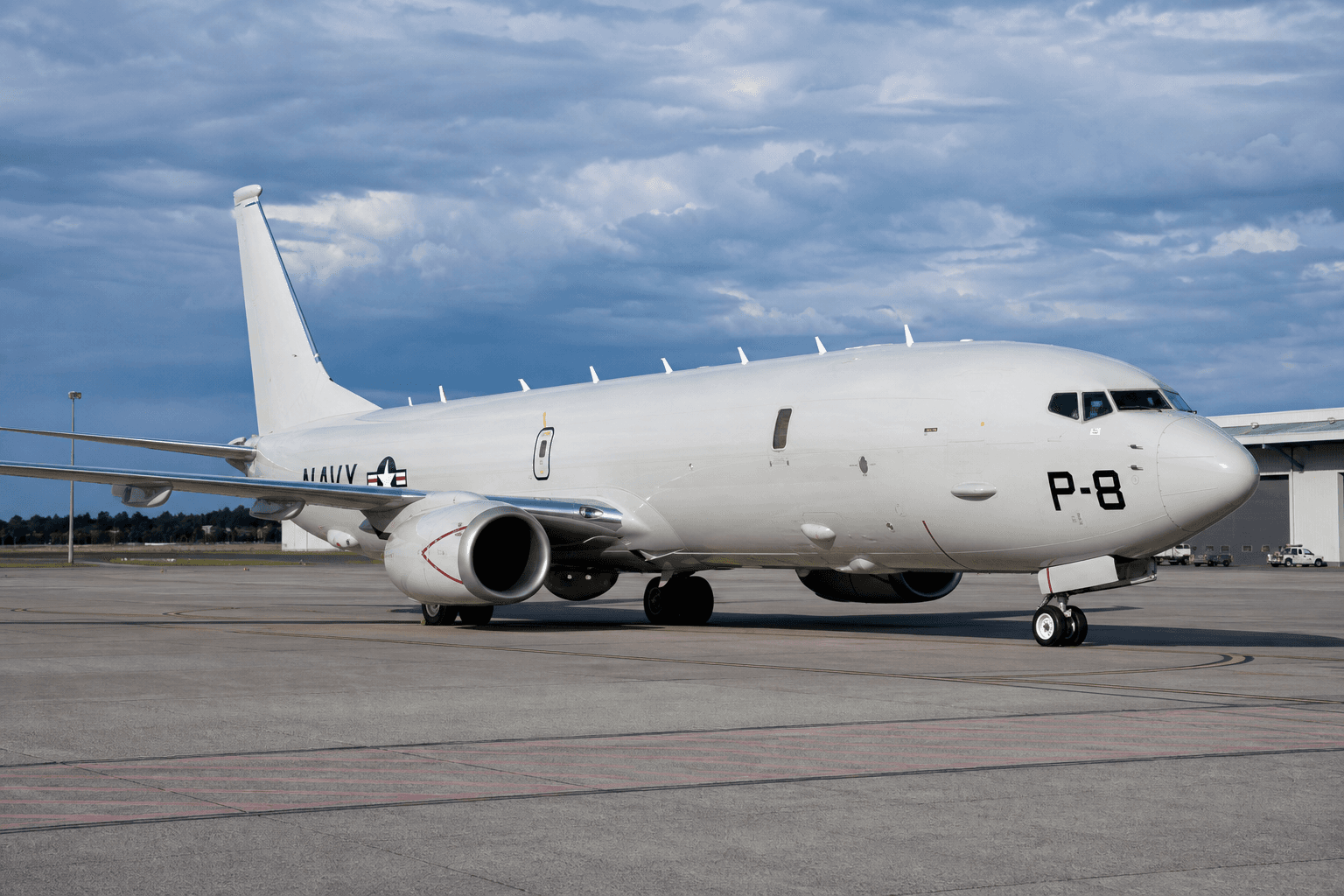
Denmark Orders Two Boeing P-8 Poseidon Aircraft Alongside NATO MQ-4C Triton Drones
Two major announcements from the North Atlantic Treaty Organization came on Tuesday, July 7. First, four member nations of NATO have decided to procure up to five Northrop Grumman MQ-4C Triton advanced surveillance drones. Second, Denmark will complement its new drone with the purchase of two Boeing P-8A Poseidon maritime patrol aircraft.
UK confirms purchase of 12 F-35As to restore RAF nuclear strike role
The UK's Defence Investment Plan, published on June 30, 2026, confirms funding for 12 Lockheed Martin F-35A fighters…
UK Defence Investment Plan boosts Global Combat Air Programme and unmanned systems, trims older fleets
Military expenditure rises, but MoD also announces “hard but necessary decisions”. The UK Ministry of Defence (MoD) has published its long-awaited Defence Investment Plan (DIP), committing fresh funding to the Global Combat Air Programme (GCAP) and confirming a previously announced plan to buy 12 Lockheed Martin F-35As, but also detailing a series of new platform…
The Daily Touch & Go
The day's best aviation news in your inbox. Free, no spam.