

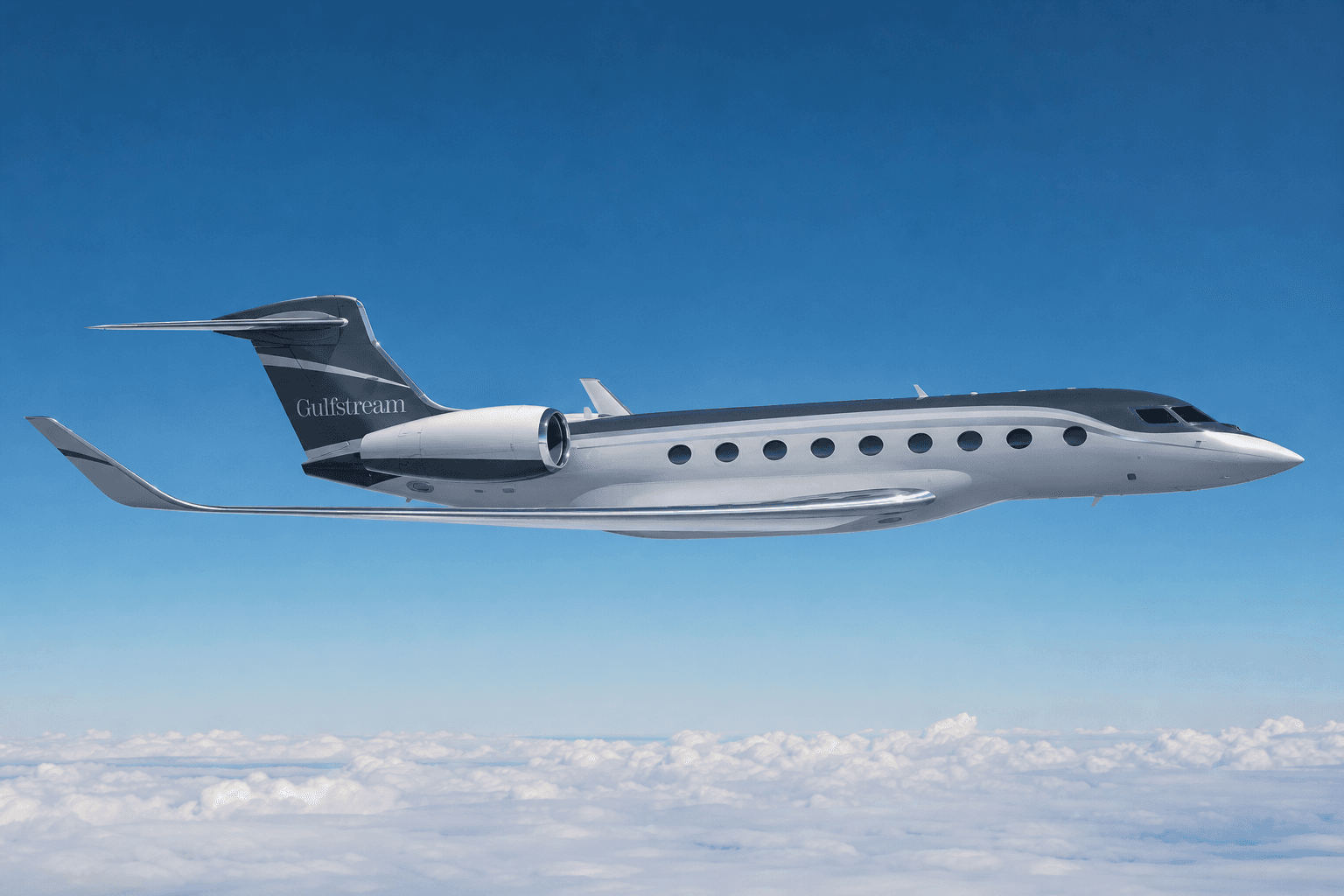
Illustration: The Touch & Go
Gulfstream and Rolls-Royce Complete First High-Altitude Flights Using 100% Sustainable Aviation Fuel
Gulfstream's G800 jet powered by Rolls-Royce engines successfully flew at 50,000 feet on 100% sustainable aviation fuel, measuring emissions and contrail impacts.
The gist
A Gulfstream G800 flew at 50,000 feet using 100% sustainable aviation fuel, showing reduced particulate emissions and advancing future fuel certification.
Continuing coverage
All Gulfstream →Gulfstream Aerospace and Rolls-Royce have concluded a significant flight-test campaign assessing the environmental effects of using 100% sustainable aviation fuel (SAF) at high altitudes. The test aircraft, a Gulfstream G800 equipped with Rolls-Royce Pearl 700 engines, ascended to 50,000 feet to operate entirely on unblended SAF for the first time in its flight history. This campaign aimed to collect critical data on emissions characteristics at altitudes where contrails typically form and impact climate effects.
Supporting the G800 was a specially modified Gulfstream G700 that flew in close formation to act as an airborne laboratory. The G700 was outfitted to monitor particulate emissions and atmospheric conditions, providing real-time analysis of the G800's exhaust plumes. This two-aircraft setup allowed researchers to capture detailed emissions profiles and study how 100% SAF impacts contrail formation compared to conventional fuels.
The campaign compared three fuel types: conventional Jet-A, low-sulfur Jet-A, and 100% hydroprocessed esters and fatty acids (HEFA) sustainable aviation fuel. Preliminary findings from Rolls-Royce indicate a measurable decrease in particles known to contribute to contrail formation when using 100% SAF. Contrails can have a warming effect on the climate, so reducing particles that aid their development could mitigate the aviation sector’s environmental footprint.
Participation in this research included major stakeholders such as the U.S. Federal Aviation Administration (FAA), NASA, the German Aerospace Center (DLR), and Missouri University of Science and Technology. Their involvement lends scientific rigor and oversight to the data collection and subsequent analyses, ensuring that results align with regulatory and environmental monitoring requirements.
Although the tests used unblended sustainable aviation fuel, current commercial aviation fuel standards typically limit SAF blends to a maximum of 50% with conventional jet fuel. This limitation varies based on the production pathway of the SAF. Demonstrating safe and effective operation on 100% SAF represents a major step towards expanding these limits and updating standards.
Rolls-Royce emphasized that proving its existing Pearl 700 engines can reliably run on 100% SAF at cruising altitudes sets a strong foundation for future engine and fuel certifications. The detailed emissions data collected will also inform regulatory bodies and fuel producers, potentially influencing upcoming revisions of aviation fuel specifications.
This high-altitude campaign advances the broader industry effort to decarbonize aviation by validating sustainable fuel performance beyond engine bench tests and low-altitude operations. It directly addresses the critical challenge of contrail-induced climate impacts by targeting reductions in particulate emissions at altitudes where contrails form most readily.
With commercial aviation contributing significantly to global carbon emissions and climate change, such research is vital to enabling a transition to sustainable fuels. As the G800 and its engines successfully demonstrate 100% SAF use in real-world flight conditions, this paves the way for airlines to consider deeper SAF integration in future operations.
Frequently asked questions
- What aircraft and engines were involved in the 100% SAF flight tests?
- A Gulfstream G800 equipped with Rolls-Royce Pearl 700 engines conducted the 100% SAF flights, accompanied by a modified G700 for emissions monitoring.
- What emissions changes were observed when using 100% sustainable aviation fuel at high altitude?
- Preliminary results showed a measurable reduction in particulate emissions that contribute to contrail formation when flying on 100% SAF.
- Why is testing 100% sustainable aviation fuel significant when current standards limit blends to 50%?
- Demonstrating safe engine operation on 100% SAF supports updating fuel standards and certification, potentially allowing higher blend ratios in the future.
Read more
All Sustainability →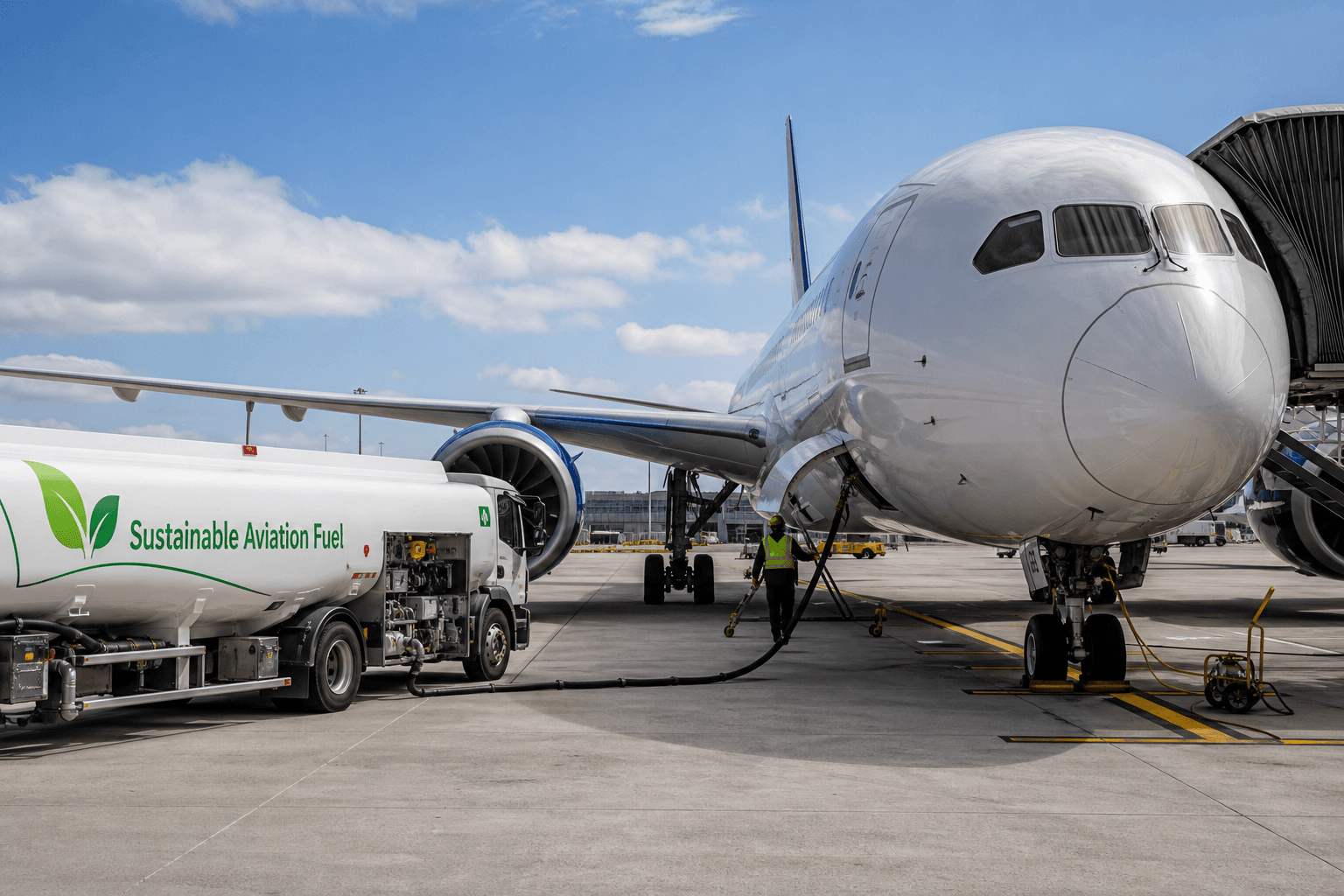
Aviation's 65% Sustainable Fuel Goal by 2050 Faces Serious Doubts Amid Supply and Policy Challenges
There are significant obstacles in the way for the airline industry to reach net-zero carbon emissions.
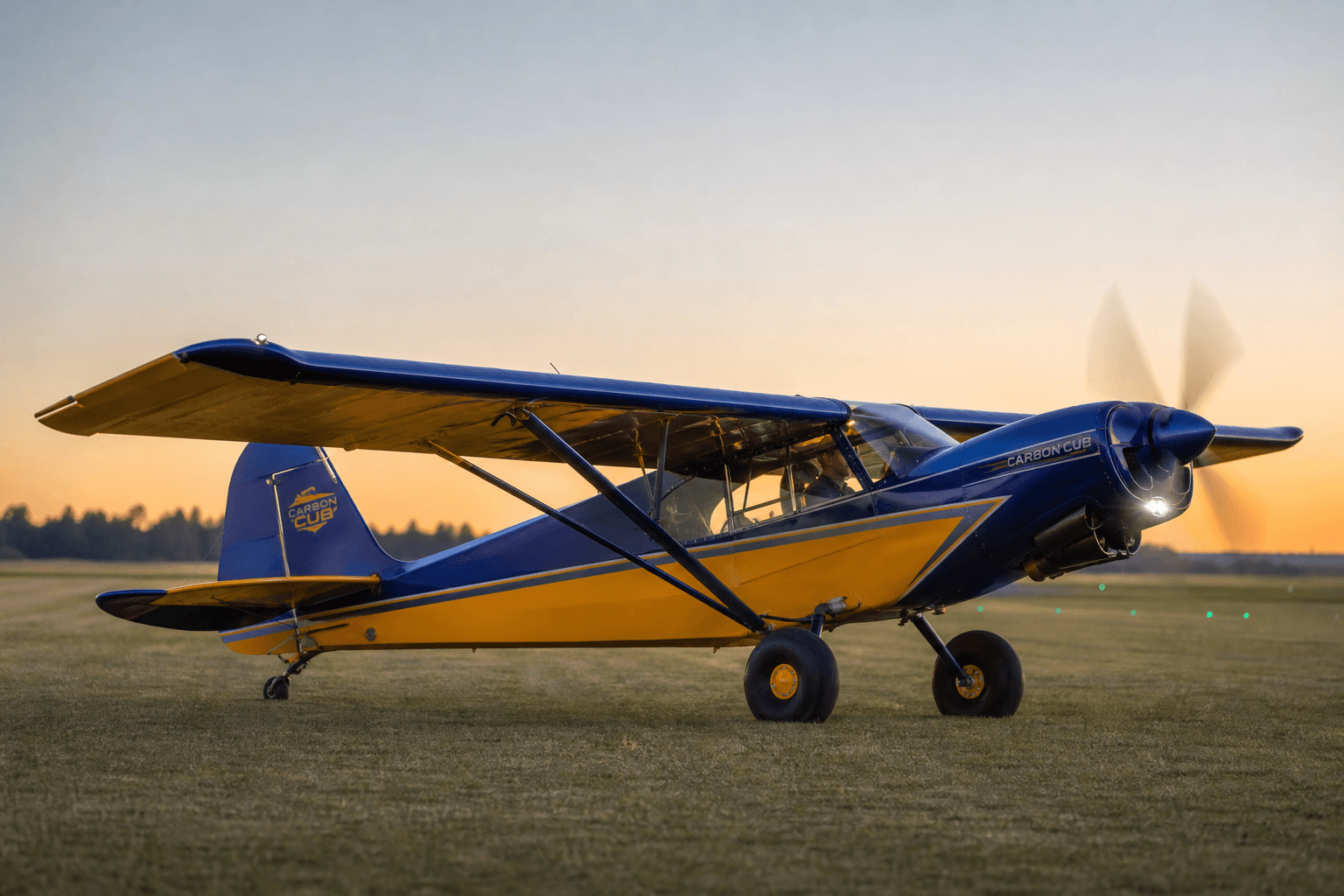
CubCrafters debuts regenerative turbine-powered Carbon Cub ULT for backcountry flying
CubCrafters has introduced a turbine-powered version of its Carbon Cub UL, putting a French regenerative turboprop engine on the nose of one of the lightest high-performance backcountry airplanes currently in production. The Carbon Cub ULT is based on the already impressive Carbon Cub UL platform, which traces its roots to CubCrafters' long-running effort to modernize the classic Piper Super Cub. The ULT iteration replaces the UL's Rotax piston engine with a TurboTech TP-R90 regenerative turboprop. CubCrafters says the new aircraft is aimed at the FAA's MOSAIC era, which expands light-sport aircraft rules and allows new propulsion types, including turbine engines. Despite the addition of a turbine whine, however, the Carbon Cub ULT is not pitched as a faster or more powerful Carbon Cub so much as a different kind of Carbon Cub altogether: one with turbine smoothness, Jet-A/diesel fuel capability, push-button start and single-lever FADEC engine control, while retaining performance similar to the Rotax-powered Carbon Cub UL. CubCrafters announced the airplane on July 7, 2026, ahead of its planned public debut at EAA AirVenture Oshkosh this month. The company said it is accepting customer deposits, with first deliveries expected in 2027. Built for MOSAIC CubCrafters says the ULT is the first US-manufactured turboprop aircraft eligible to be flown by sport pilots under the FAA's new MOSAIC regulations. The aircraft uses the FADEC-controlled TurboTech engine to automatically manage fuel flow, ignition, engine temperatures and propeller operation. CubCrafters says pilots start the aircraft by turning on the master switch and pressing the start button, with the FADEC handling the start sequence to ease workload. The prototype cockpit shown by CubCrafters includes Garmin G3X Touch avionics, along with a dedicated turbine engine display for the TurboTech turboprop installation. Unlike a conventional small turboprop, the TurboTech engine uses a regenerative cycle. The system recovers heat from the exhaust and uses it to preheat intake air before combustion. That improves efficiency and is intended to give the engine fuel consumption closer to a modern piston engine while retaining turbine smoothness and Jet-A/diesel compatibility. TurboTech is a French aerospace company founded by former Safran engineers. Safran and GO Capital announced an investment in TurboTech in 2018, describing the company as a startup developing a new generation of turbine engines and hybrid propulsion systems. The engine has been in development for several years and has already flown in European light-aircraft applications. TurboTech engines have been flying in European ultralight aircraft including those built by Bristell, JMB and GoGetAir aircraft, as well as two helicopters. CubCrafters identifies the ULT powerplant as the TurboTech TP-R90 / R150. Its comparison page lists a power rating of 160 hp with "turbine + electric boost." TurboTech's current TP-R150 data lists a maximum output of 141 hp, eco-cruise fuel burn of about 5.0 gal/h at 50% power, a fully equipped weight of about 190 lb and a 3,000-hour time between overhauls. Advanced engineering work On paper, the ULT's published performance is close to the Rotax-powered Carbon Cub UL. CubCrafters lists both aircraft at more than 113 kt cruise speed, 28 kt stall speed, 50 ft takeoff distance and 90 ft landing distance when comparing the ULT with the higher-fuel, variable-pitch Carbon Cub UL configuration. CubCrafters has published an estimated empty weight of 880 lb, a maximum gross weight of 1,865 lb and an estimated useful load of 985 lb. The aircraft carries 44 gal of fuel and has an estimated endurance of 5.2 hours and range of 682 statute miles, or about 593 nm. CubCrafters lists estimated cruise speed at more than 113 kt, stall speed at 28 kt, takeoff distance at 50 ft and landing distance at 90 ft. The company notes that performance figures assume optimal conditions and that actual numbers will vary. The ULT has a 34 ft 3 in wingspan, 179 sq ft of wing area and seating for two. CubCrafters lists the aircraft as single-engine land and sea, with Light Sport and Experimental Amateur-Built factory builder-assist certification options. "The Carbon Cub ULT represents some of the most advanced engineering work ever undertaken at CubCrafters," said Patrick Horgan, CubCrafters President and CEO. "Bringing together regenerative turbine technology, full FADEC controls, lightweight composite construction, and our proven STOL capability into a practical backcountry aircraft demanded an incredible amount of focused innovation and refinement from our team." TurboTech CEO Damien Fauvet said CubCrafters is the company's launch partner in the United States. "CubCrafters has an exceptional reputation for innovation and engineering excellence in backcountry aviation, and the Carbon Cub ULT is an ideal platform to demonstrate the capabilities of the TP-R90 engine," Fauvet said. CubCrafters lists the Carbon Cub ULT base price as "TBD." The turbine-powered model is likely to command a steep premium over the Rotax-powered Carbon Cub UL, which starts at $293,900, according to the company's comparison page. CubCrafters said the aircraft is undergoing flight testing near its headquarters in Yakima, Washington. The company plans to display the Carbon Cub ULT at booths 272-274 during EAA AirVenture 2026.
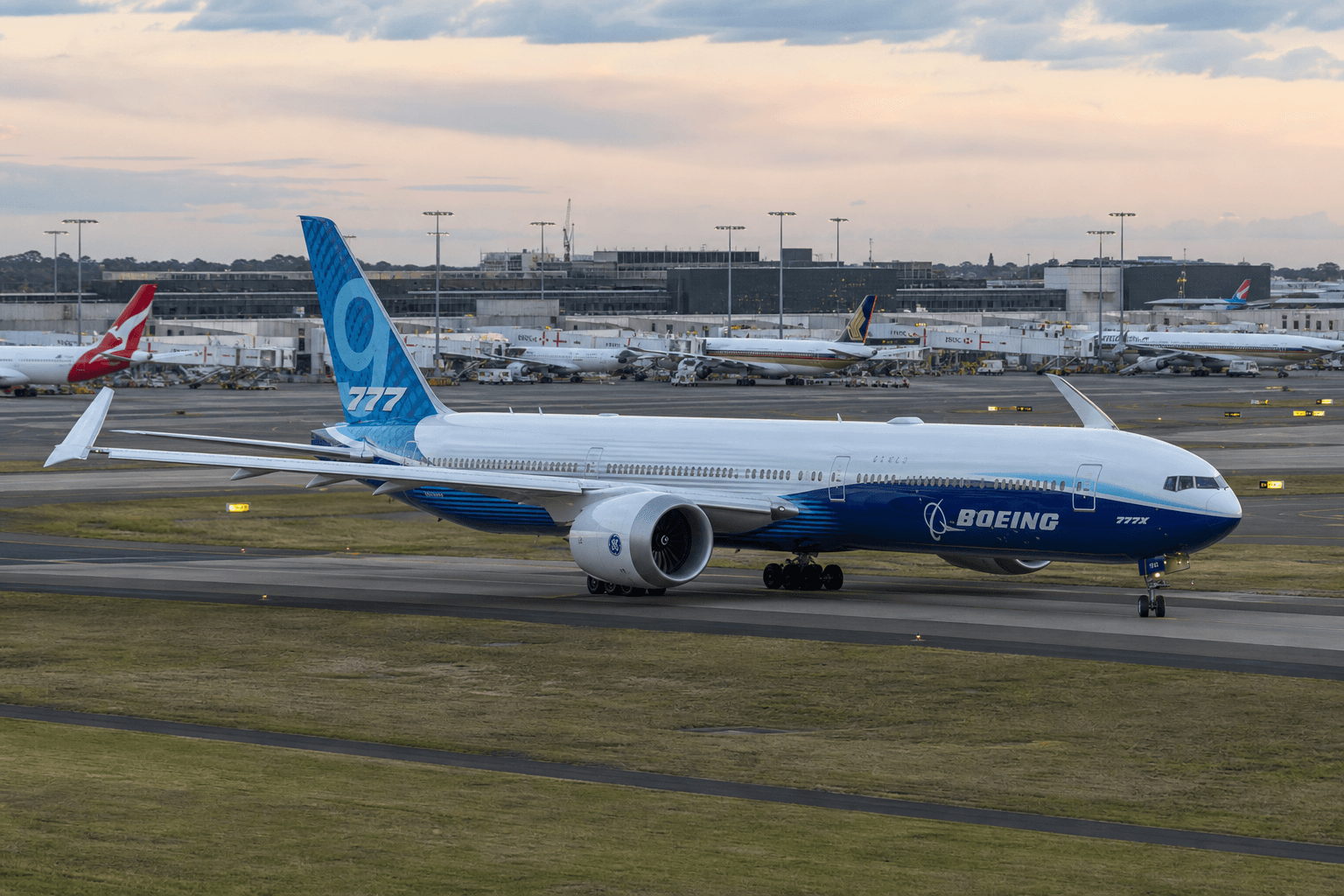
Sydney Airport's Tight Space Requires Boeing 777X to Fold Wings at Gates
The long-anticipated Boeing 777X is almost here, and when it does finally arrive, it will begin an era of vastly different wing design to commercial aviation. To achieve unprecedented fuel efficiency, designers equipped the massive twin-engine jet with a sprawling carbon-fiber wing that exceeds standard international airport dimensions. Making the wings smaller was not an option, so Boeing opted for a very different kind of solution.
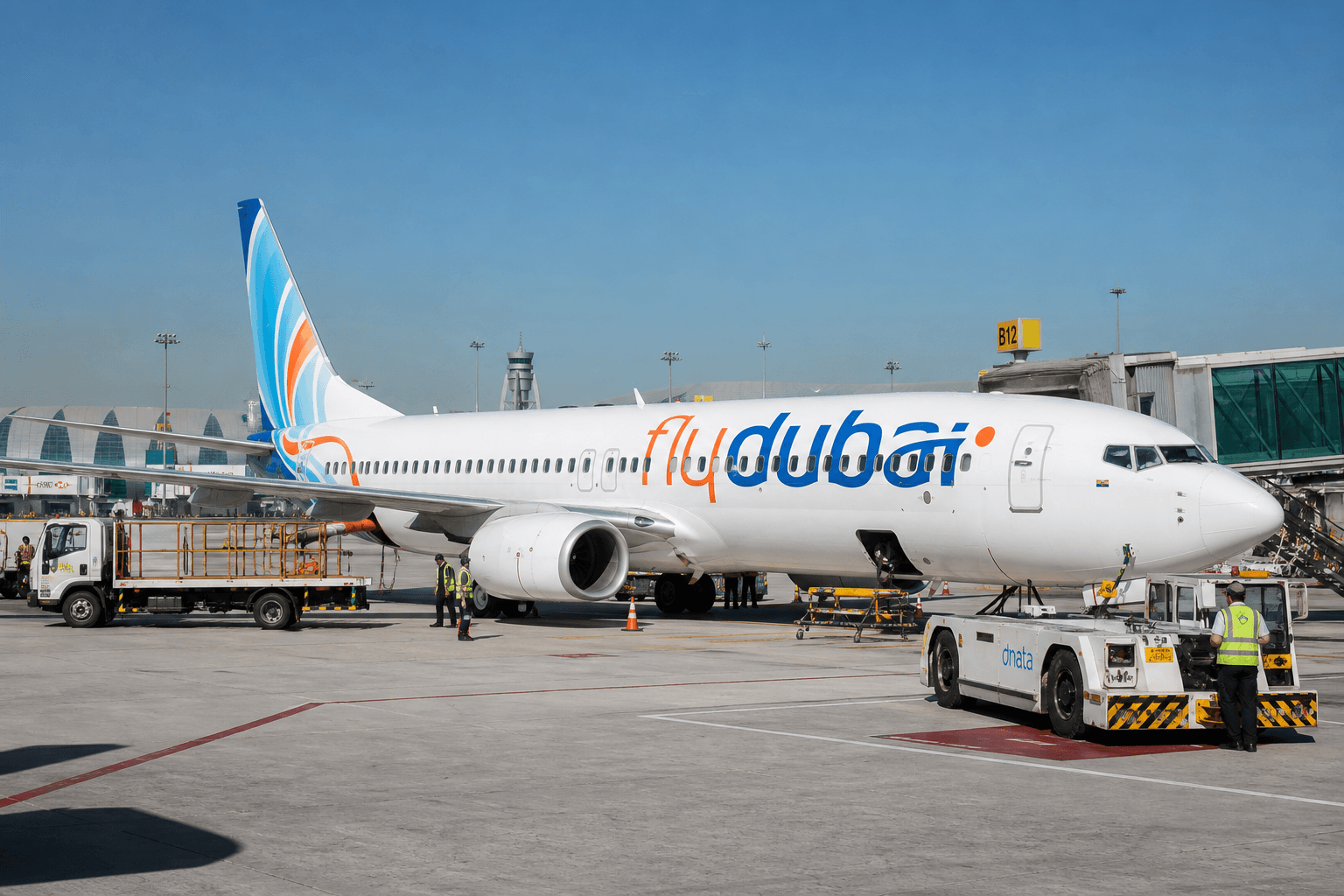
flydubai's single-engine taxiing program cuts emissions well above industry average
Small changes can make a big difference in aviation when extrapolated across a whole fleet.
The Daily Touch & Go
The day's best aviation news in your inbox. Free, no spam.