

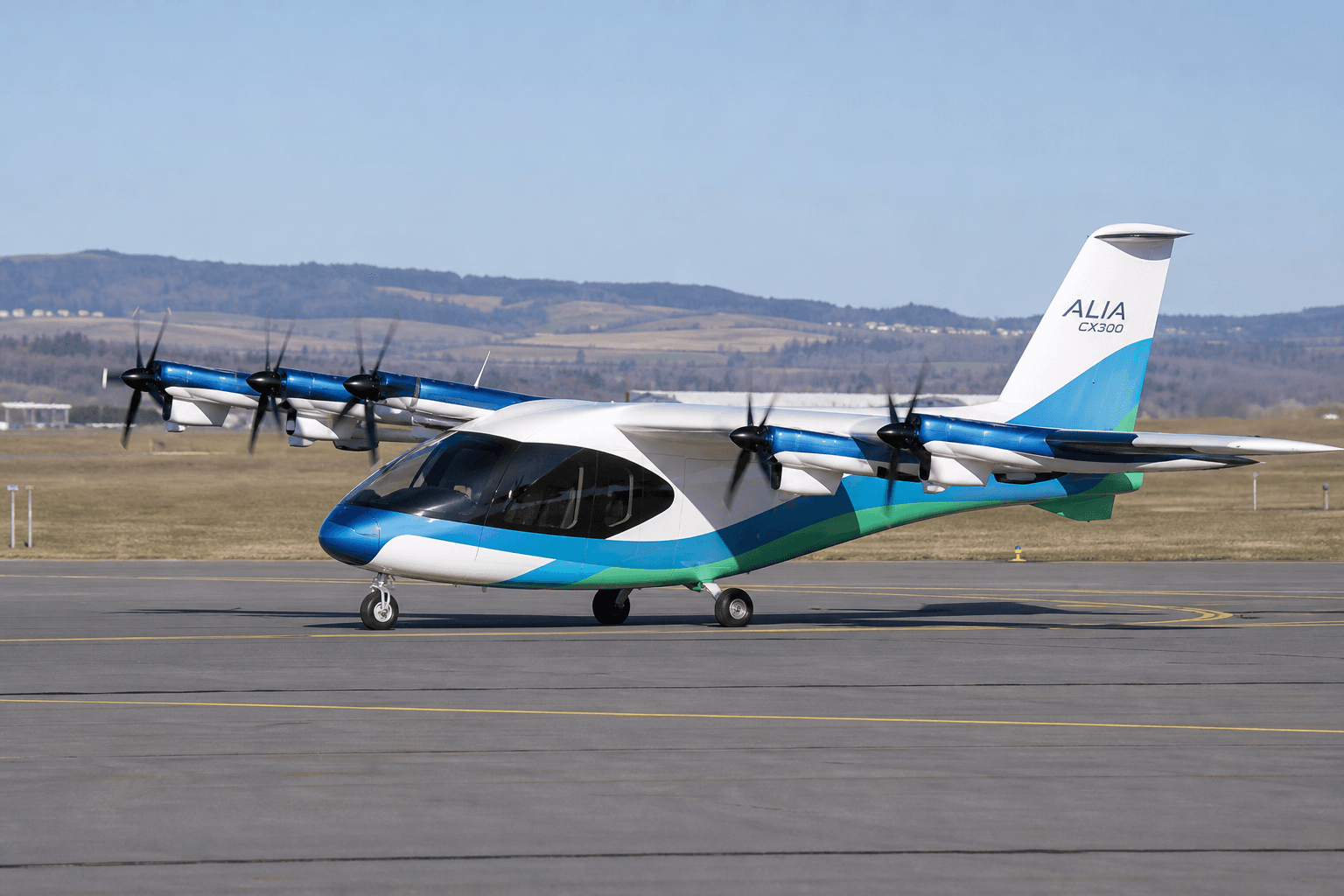
Illustration: The Touch & Go
FAA and BETA Technologies Launch eVTOL Integration Pilot Program with First Electric Cargo Flights
BETA Technologies initiated operational flights under FAA's eVTOL Integration Pilot Program, transporting medical organs in the Mid-Atlantic using their ALIA CX300 electric aircraft.
The gist
BETA Technologies began eVTOL Integration Pilot Program flights, moving medical cargo by electric ALIA CX300 planes in multiple states.
Continuing coverage
All Electric Aircraft →- EAA AirVenture Showcases Cutting-Edge Electric Aircraft and Autonomous Flight Tech
- Electric Aircraft Start Short Flights Between Hawaiian Islands in Early Trials
- Aura Aero acquires VoltAero assets, boosting hybrid-electric aircraft innovation in France
- Bye Aerospace Reveals Supplier Network as eFlyer 2 Nears Maiden Flight
- Bye Aerospace Close to First Flight of eFlyer 2 Electric Trainer
The FAA and U.S. Transportation Department have officially commenced the operational flying phase of the eVTOL Integration Pilot Program (eIPP), marking a milestone for electric aviation. On July 10, BETA Technologies executed the program's inaugural flights using its ALIA CX300 aircraft, a conventional-takeoff-and-landing electric plane designed to transport critical medical cargo such as manufactured organs. These flights took place across Maryland and Virginia, demonstrating a key use case for electric aircraft in time-sensitive medical logistics.
BETA Technologies deployed its ALIA CX300 to carry medical organs in partnership with Medical Missions Open Program United Therapeutics and the Multistate Collaborative eIPP National Integration Complex. The missions focused on linking existing airports with swift, zero-emission flights to support urgent medical transport that could potentially save lives and improve patient outcomes. The demonstration highlighted the growing role electric aircraft can play in addressing logistical challenges faced by healthcare supply chains.
The ALIA CX300 aircraft is distinctive for its use of a conventional runway for both takeoffs and landings, differentiating it from the more commonly discussed vertical takeoff and landing (VTOL) eVTOL designs. BETA Technologies is actively working to obtain FAA certification for the CX300 model; it has already proven capable of covering ranges up to 337 nautical miles on electric power, a competitive feat compared to conventional small aircraft.
Alongside these conventional eVTOL operations, BETA plans to conduct flights with its vertically launched ALIA variant under the eIPP program. These vertical takeoff aircraft are expected to operate later in the program, expanding the scope of electric aviation trials that could enhance urban and regional air mobility with more flexible infrastructure needs.
The eIPP, launched with eight selected projects in March, spans 26 states and encompasses a broad spectrum of electric and advanced aircraft operations. Besides medical cargo missions, the program includes passenger transport, cargo delivery, urgent medical response, and autonomous aircraft testing, collectively aiming to validate and integrate new technologies into the national airspace system.
Of the eight projects included in the eIPP, BETA Technologies is engaged in seven, positioning itself as a central player in the program’s execution. The company's operations are set to cover a minimum of 10 states, demonstrating significant geographic reach. This widespread activity underscores the program’s ambition to gather operational data across varied environments and regulatory landscapes.
The program is slated to run for at least three years, during which the FAA will analyze collected data to inform regulatory frameworks for electric vertical takeoff and landing aircraft, as well as other advanced propulsion types. This regulatory groundwork is critical for safely incorporating emerging electric and autonomous aircraft into everyday airspace usage alongside traditional aviation.
These initial electric cargo flights represent a pioneering step in sustainable aviation, directly supporting life-critical logistics and proving the operational feasibility of electric conventional aircraft. By focusing first on medical mission applications, the program showcases practical benefits while also tackling broader challenges of noise, emissions, and airspace integration that have historically slowed electric aircraft adoption.
BETA Technologies’ leadership in multiple eIPP projects and their varied aircraft portfolio position them at the forefront of the electric aviation industry. The success of these early flights under the FAA’s program will likely influence forthcoming certification efforts and broader commercial deployment of electric aircraft across sectors.
Frequently asked questions
- What aircraft did BETA Technologies use for the first eIPP flights?
- BETA Technologies used its ALIA CX300 electric conventional-takeoff-and-landing aircraft for the first flights under the eVTOL Integration Pilot Program.
- What was the purpose of the initial eIPP operational flights?
- The first flights transported manufactured medical organs between airports in Maryland and Virginia, demonstrating electric aircraft for time-sensitive medical transport.
- How many projects and states does the eVTOL Integration Pilot Program cover?
- The eIPP includes eight projects spanning 26 states, covering diverse missions like passenger travel, cargo delivery, medical response, and autonomous aircraft operations.
Read more
All Cargo →
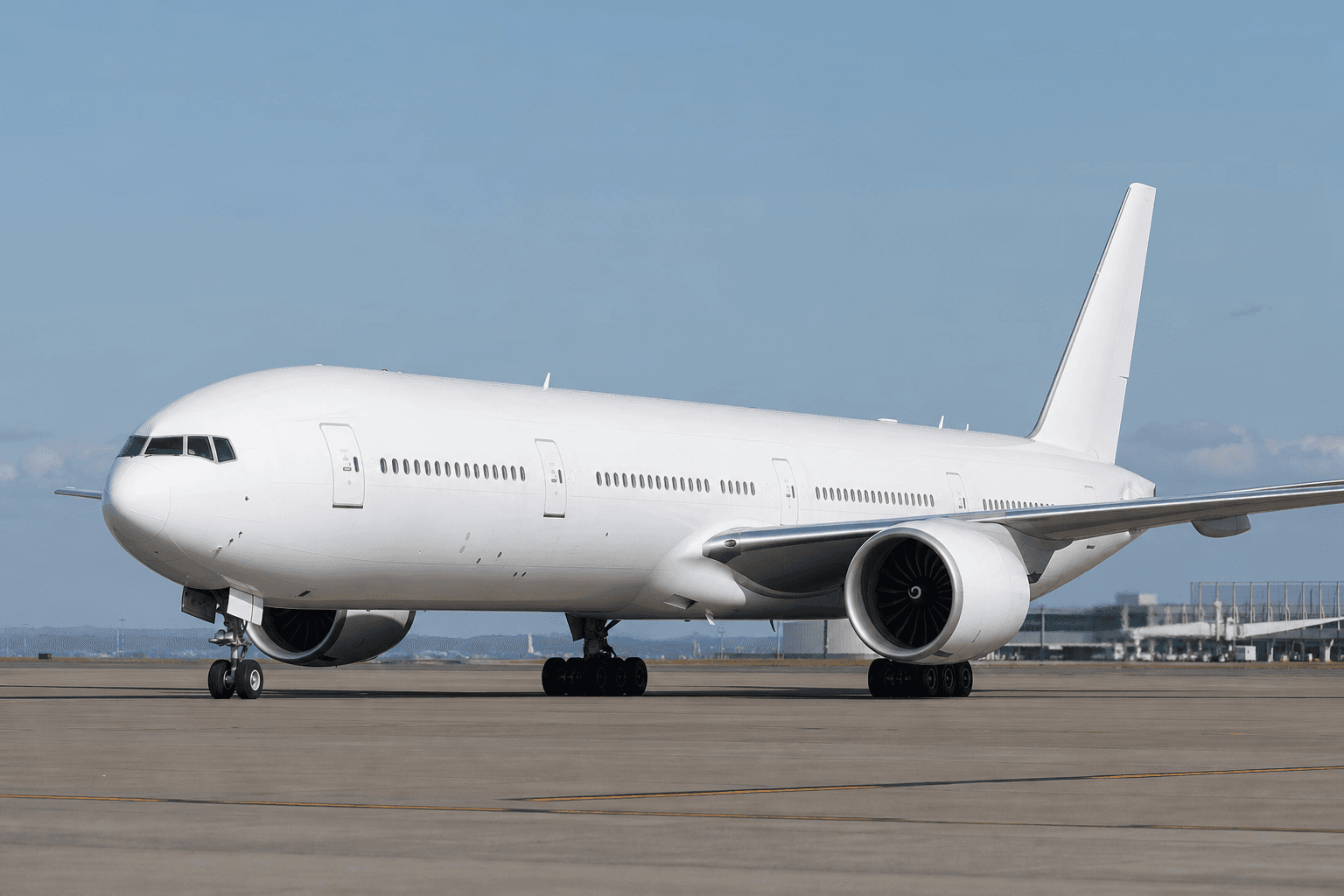
AerCap leases three Boeing 777-300ERSF freighters to China Southern Airlines Cargo
AerCap has signed lease agreements with China Southern Air Logistics Co. Ltd. (China Southern Airlines Cargo) for three Boeing 777-300ERSF converted freighter aircraft. The aircraft, also known as “The Big Twin,” represents the first passenger-to-freighter conversion program for the Boeing 777-300ER. The first aircraft is scheduled for delivery in October 2027, while the second and […]
China Southern Air Logistics to Add Three Boeing 777-300ER Converted Freighters
Operator to take IAI-modified twinjets under lease agreement with AerCap. China Southern Airlines has become the latest carrier to commit to introducing converted Boeing 777-300ER freighters. The airline's logistics division has signed a lease agreement for three of the type with Irish-based lessor AerCap. AerCap states that it will deliver the first of the modified twinjets to the Guangzhou-based company in October next year. The remaining two will be handed over in the first and second quarters of 2028 respectively. Designated the 777-300ERSF the aircraft are being converted under a programme partnership between Israel Aerospace Industries and AerCap. "These aircraft will provide strong support for our strategy to expand intercontinental routes, enabling us to deliver superior service to customers worldwide," says China Southern Air Logistics chair Li Xiao. "Introduction of the [777-300ERSF] marks a major milestone in the continued evolution of our fleet." China Southern has cargo hubs at Shanghai and Guangzhou and its cargo fleet includes a dozen Boeing 777Fs and a pair of 747-400Fs. AerCap chief Aengus Kelly says the 777-300ERSFs will "integrate seamlessly" into the Chinese carrier's 777 operation.

Philip Krzyszton Builds Aviation Business and Flies Cargo Debt-Free at 23
At 23, Philip Krzyszton owns a 1965 Mooney, flies cargo, operates a growing mobile aircraft maintenance company known as AircraftMD , and holds both his pilot and airframe and powerplant certificates. He did it all without taking on debt.

FedEx's Boeing 727 Fleet Retired as Cargo Operations Modernize
For many aviation enthusiasts, the Boeing 727 and FedEx became inseparable. Long after most passenger…
The Daily Touch & Go
The day's best aviation news in your inbox. Free, no spam.