

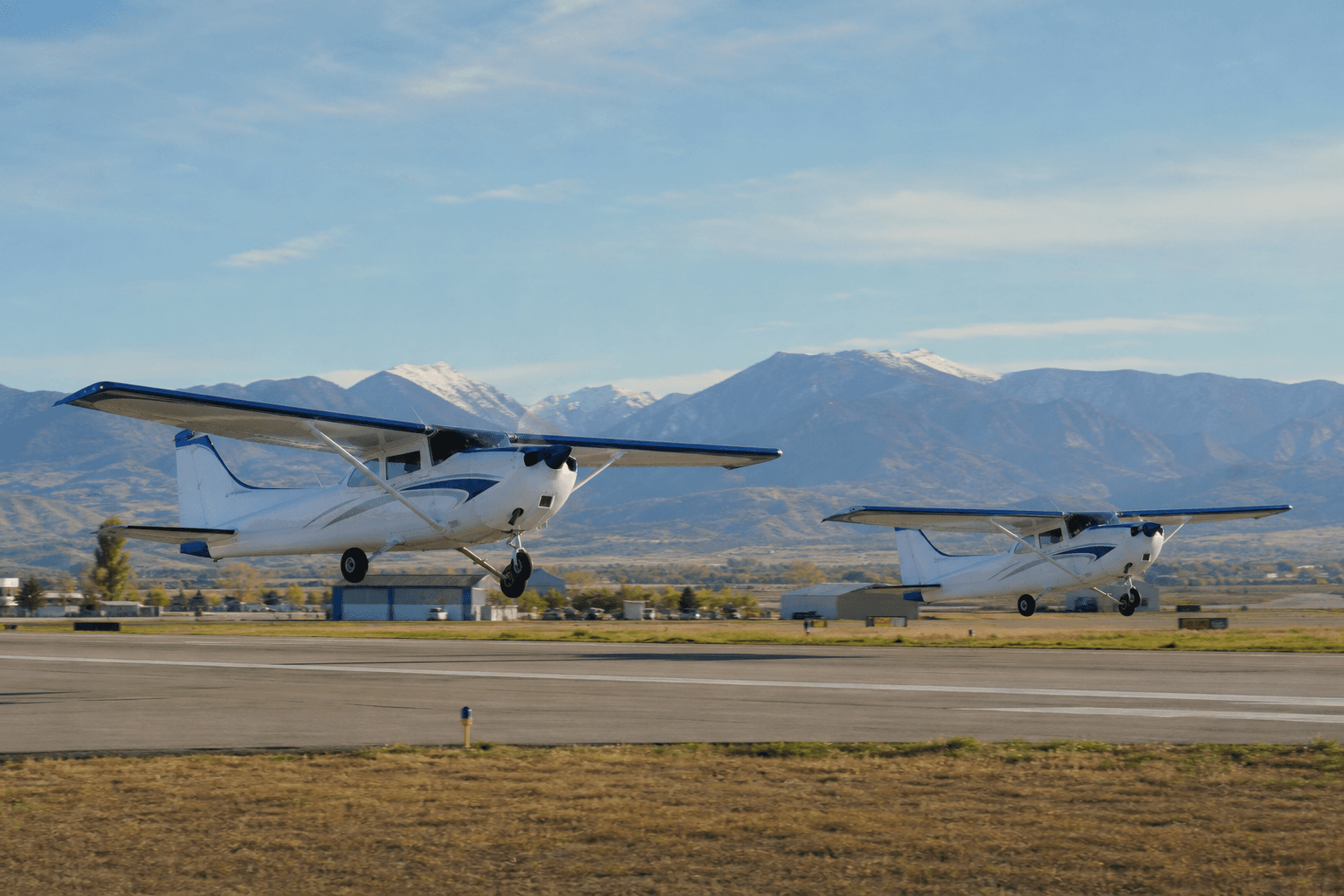
AI-generated illustration
FAA Clears Centennial Airport to Resume Parallel Departures and Pattern Work After Two-Month Halt
A new procedure that splits departure paths off Centennial's parallel runways by 20 degrees took effect November 23, ending restrictions the FAA imposed without warning on October 1.
The gist
Centennial Airport near Denver can bring back parallel departures and touch-and-goes under a new FAA-approved 10-degree divergence procedure.
Continuing coverage
All Faa →- FAA Halts O'Hare Arrivals for Over an Hour as Chicago TRACON Runs Short of Controllers
- Aviation Coalition Asks Congress for $30 Billion in ATC Funding, Short of White House $50 Billion Ask
- White House Forms Tiger Team to Head Off Air Traffic Control Outages Before Thanksgiving
- FAA Nationwide Ground Stop Sends NBA, NHL and College Teams Scrambling for Weekend Travel
- Delta Ground Stop at Atlanta Eases to Ground Delay as Airline Restores Weight and Balance Automation
The FAA has approved a plan that allows Centennial Airport near Denver to bring back parallel runway departures, pattern work and touch-and-goes, nearly two months after the agency abruptly barred those operations over safety concerns. The new procedure took effect November 23. The Arapahoe County Public Airport Authority, which operates the field, said the return will be phased in gradually rather than all at once.
The fix centers on how aircraft leave the airport's two parallel runways, 35L/17R and 35R/17L. Under the approved mitigation, controllers will instruct departing aircraft to turn 10 degrees off their runway centerlines, spreading the two departure paths 20 degrees apart. Departing pilots on either runway should therefore expect a heading change from the tower that moves them away from traffic on the other side. The airport said more traffic will be permitted in the pattern over time as the procedure settles in.
The approach originated with local FAA representatives, who proposed it during a Safety Risk Management panel held October 27, according to the airport authority. David Boulter, AOPA's vice president of regulatory affairs, took part in that panel. The FAA subsequently approved the mitigation, setting up the November 23 start date.
The restrictions date to October 1, when the FAA ordered an immediate stop to simultaneous parallel departures, touch-and-goes and most pattern work. A safety assessment had found aircraft drifting toward one another on departure. The directive came with no advance notice to airport management, to the operators based on the field, or to the air traffic control tower itself, leaving all three to react to an order that was already in force.
Centennial records more than 300,000 operations a year, placing it among the busiest general aviation airports in the country. The loss of pattern work and touch-and-goes disrupted flight training and other activity there for close to two months. The situation drew in a number of outside organizations, including the Colorado Pilots Association and AOPA, which pressed for a path back to normal operations.
As the new procedure rolls out, the airport authority issued a statement telling pilots operating at Centennial to listen carefully to air traffic control and follow all instructions. The guidance applies throughout the phase-in period, when pattern traffic limits will be eased in steps rather than lifted in a single move.
Brad Schuster, AOPA's Northwest Mountain regional manager, said the initial restrictions had been disruptive to the Centennial Airport community. He said the association appreciated the FAA working with the airport authority, air traffic controllers, flight schools, local pilots and AOPA to address the safety concerns. Schuster said pattern work, including touch-and-goes, is an important part of flight training that helps pilots stay safe and proficient, and that AOPA hopes the plan will let flight schools and other operations return to normal as quickly as possible.
Originally reported by AOPA
Read more
All Airports →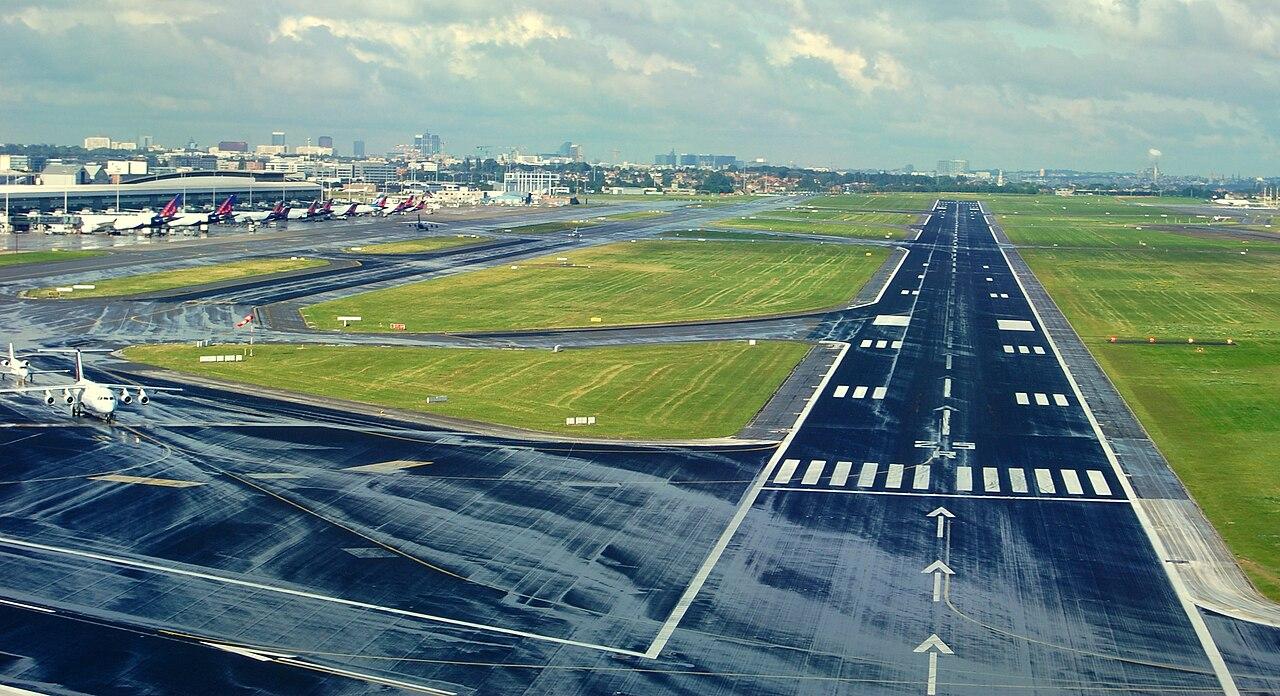
Belgian Air Traffic Control Strike Grounds 404 Brussels Flights and Hits Liège Cargo Traffic
A 14-hour suspension of regular air traffic control services on 23 November cancelled 404 Brussels Airport flights, shut Charleroi for the day and disrupted about 70 aircraft movements at Liège.
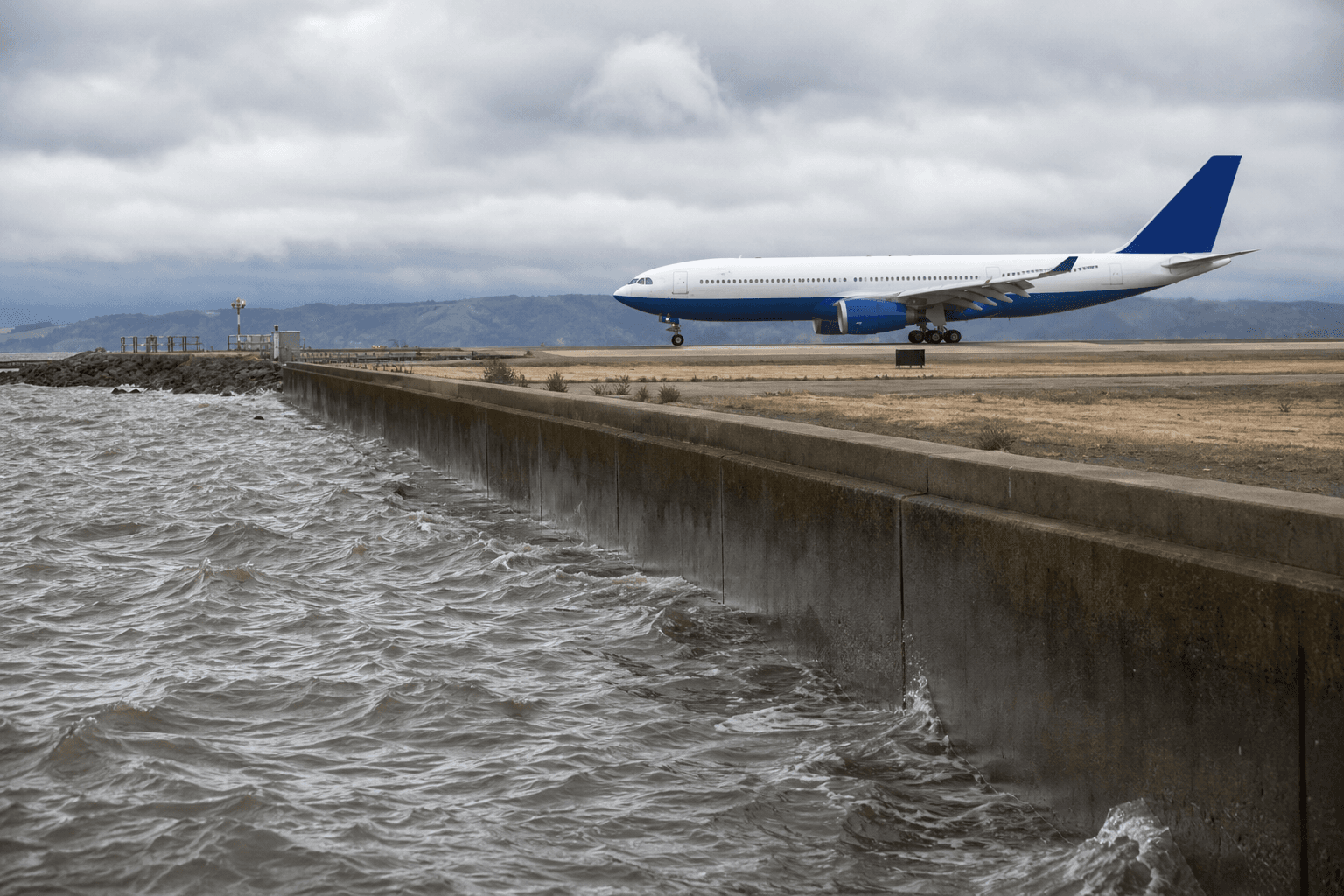
SFO Braces for Possible Airfield Flooding as Near 9-Foot Tides Coincide with Thanksgiving Travel
Forecast king tides and storm surge could push San Francisco Bay water over low sections of SFO's seawall between November 24 and 26, while crews stage sandbags and flood barriers.
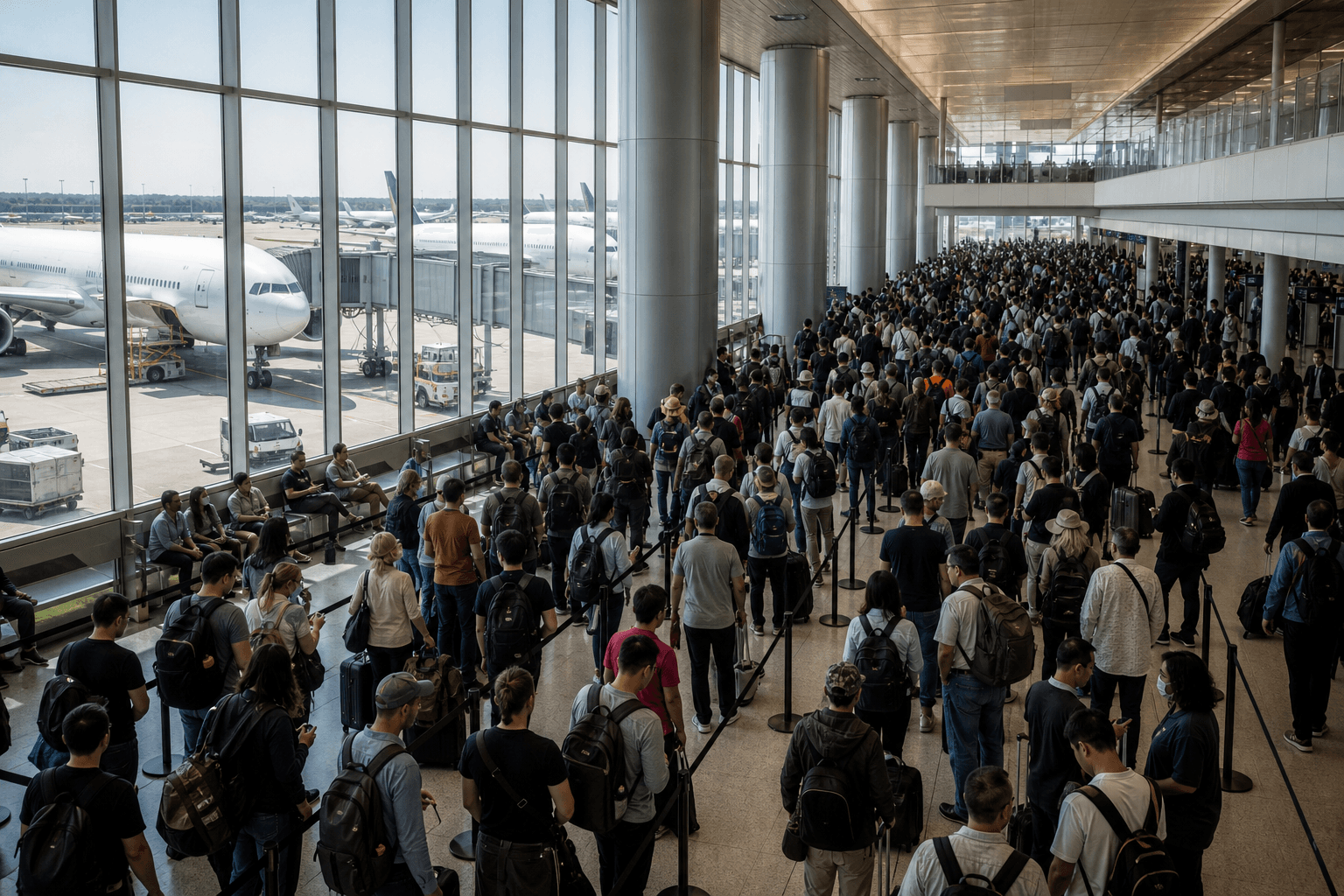
Train Failure Strands Thousands in Madrid Barajas T4S Satellite Terminal
A breakdown of the automated people mover linking Madrid's T4 and its remote T4S satellite left non-Schengen passengers stuck for hours on Sunday until Aena ran buses and Alstom engineers restored service.
Gulf Carriers Threaten Diplomatic Escalation as Mumbai Airport Pushes 14 Routes to Navi Mumbai
Eleven Gulf airlines have asked India's Civil Aviation Ministry for a third time to restore their historical Mumbai slots for Summer 2027, as MIAL plans a Terminal 1 rebuild.
The Daily Touch & Go
The day's best aviation news in your inbox. Free, no spam.