

Image: Mariordo Mario Roberto Duran Ortiz · CC BY 3.0 · via Wikimedia Commons
Airlines Extend Scheduled Flight Times to Improve On-Time Stats Despite Costs
To boost on-time arrival rates, airlines schedule flights with longer block times accounting for ground delays and congestion, despite increased operational costs.
The gist
Airlines add extra scheduled time to flights to improve punctuality stats, balancing true delays against higher costs and operational impacts.
Continuing coverage
All Faa →- FAA Ground Stop Sparks Confusion as Leadership Seeks $50 Billion for Modernization
- FAA Ends Nationwide Ground Stop After Air Traffic Control System Outage
- FAA Orders Nationwide Ground Stop as Air Traffic Control Communications Fail
- FAA Grounds All U.S. Flights in Widespread Air Traffic Control Outage
- FAA Attributes Nationwide Ground Stop to Aging Telecom Equipment, Rules Out AI Involvement
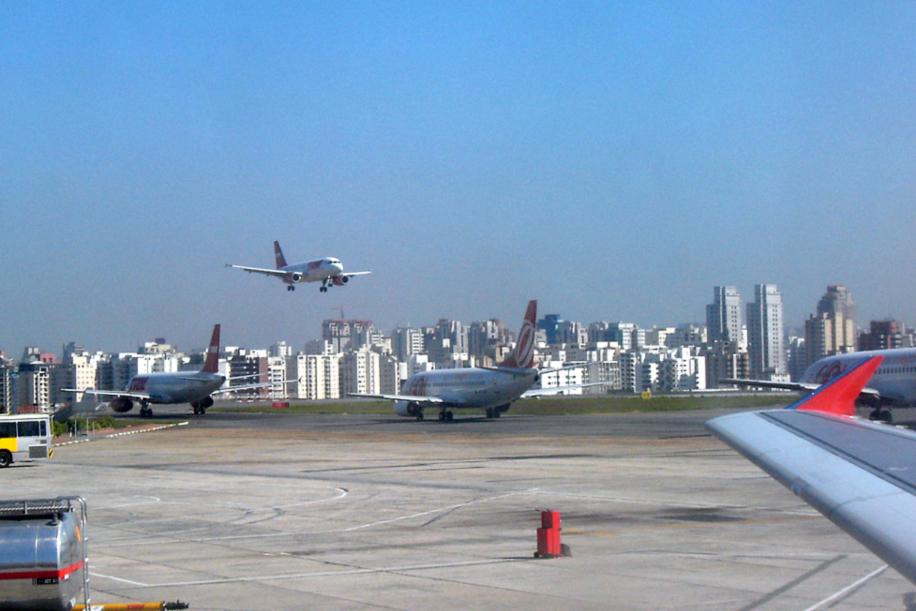
Airlines have been increasingly extending the scheduled durations of flights, a trend highlighted by former Ohio Attorney General Dave Yost who observed his trip to Washington’s National Airport (DCA) still takes about 50 minutes, but the published schedule now shows one hour and 42 minutes. This discrepancy reflects a broad practice where airlines adjust scheduled block times — the window from gate departure to arrival — to factor in expected delays and congestion. While this strategy can boost on-time performance statistics by allowing flights more buffer time, it also carries financial and operational consequences for carriers.
Block times account not only for flight time but also for ground operations such as taxiing, runway waits, and gate availability. At busier airports such as Washington National, the Federal Aviation Administration (FAA) has in recent years reduced hourly arrival rates to address safety concerns, such as the January 2025 collision leading to a cut from 36 to 26 arrivals per hour before gradually increasing it to 30. Factors like limited runway and gate resources, controller shortages, and equipment issues all contribute to variability and unpredictability in total travel time, forcing airlines to build in extra padding to maintain realistic schedules.
The variability is a significant issue for scheduling. Airlines need timetables that accommodate normal congestion levels rather than perfect conditions. When delays and bottlenecks increase unpredictably, adding padding safeguards the airline's reliability. American Airlines’ redesign of its Dallas hub in 2026, moving to smaller connecting waves with longer block times, exemplifies this approach and has resulted in a 50% reduction in missed connections. Similarly, United Airlines had planned 25% of flights to arrive 10 minutes early to allow operational flexibility.
Despite some public skepticism that airlines intentionally inflate block times merely to game on-time performance metrics, experts and industry insiders note that padded schedules bring real costs. Crew members frequently get paid based on scheduled time rather than actual flight time, increasing expenses. Longer block times also reduce an aircraft’s utilization, potentially requiring airlines to dedicate more planes and crews to maintain service levels. Additionally, longer scheduled durations may deter customers seeking faster journeys and reduce competitiveness.
Airlines also create some self-imposed congestion by clustering flights tightly at major hubs to support convenient connections. This scheduling strategy amplifies demand on infrastructure and manpower during peak periods, further complicating efforts to keep flights punctual. The cumulative effect is a complex trade-off between creating attractive itineraries and managing operational constraints, resulting in cautious extension of block times to maintain schedule reliability.
There is a further operational complexity in cases where aircraft arrive ahead of schedule. Early arrivals do not always translate to faster gate access; occupied gates at peak times can force planes to taxi or wait on the ground, negating punctuality gains. Limited gate capacity and compatibility issues mean early landings can still result in delays from gate hold times. Airlines like American have highlighted how tightly allocated gate resources can constrain operational flexibility during busy periods.
Ultimately, while extended scheduled times help airlines report more flights as on time within the industry-standard 15-minute threshold for punctuality, the primary driver is managing real-world constraints rather than simply manipulating statistics. Block time padding reflects an acknowledgment of congestion, air traffic flow management challenges, and other operational realities. Addressing the root causes requires enhanced air traffic control capacity and infrastructural improvements to increase airport throughput and reduce delays.
The ongoing investments by airlines to adjust schedules illustrate their efforts to align passenger expectations with operational realities. This practice affects multiple facets of airline operations, from crew utilization and aircraft scheduling to customer satisfaction and competitive positioning. As congestion and variability continue to challenge the industry, airlines must balance the need for realistic timings with cost efficiency and service quality.
Originally reported by View From The Wing
Read more
All Airports →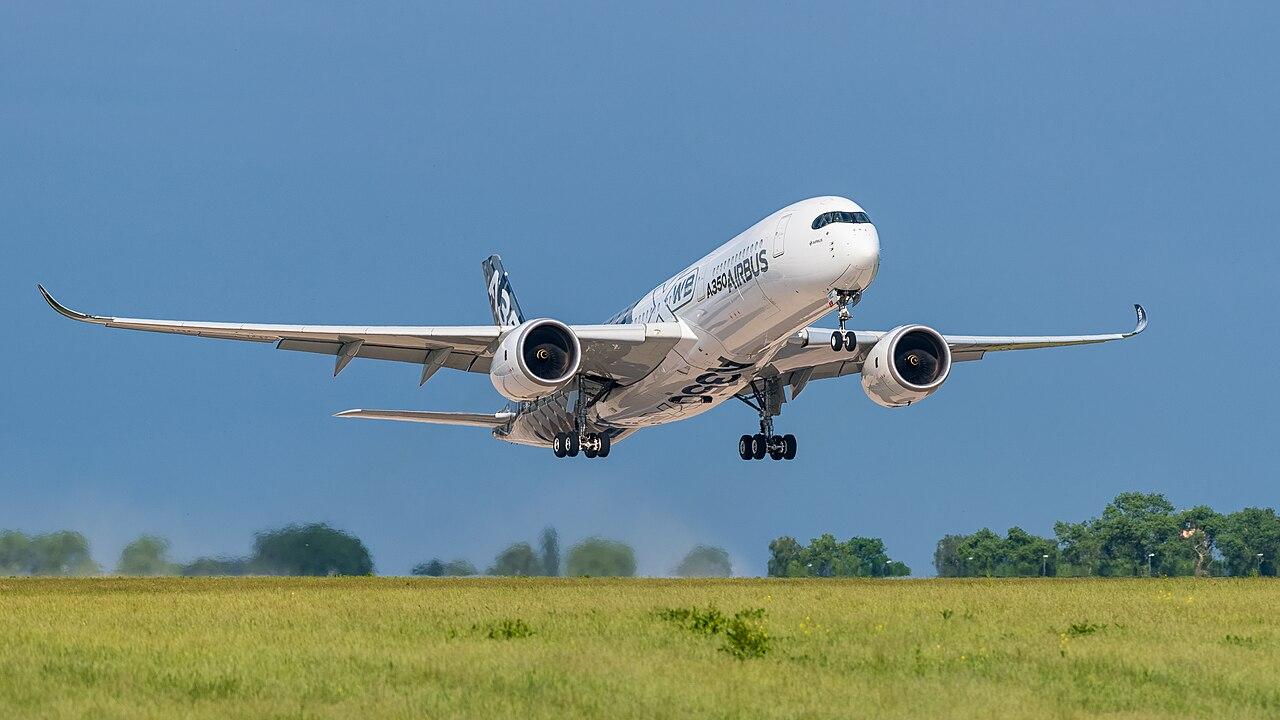
Inside an 18-Hour Singapore Airlines A350-900ULR Flight to New York JFK
Singapore Airlines' 18-19 hour ultra-long-haul A350-900ULR flights between Singapore and New York require a four-pilot crew managing complex operations and rest schedules.
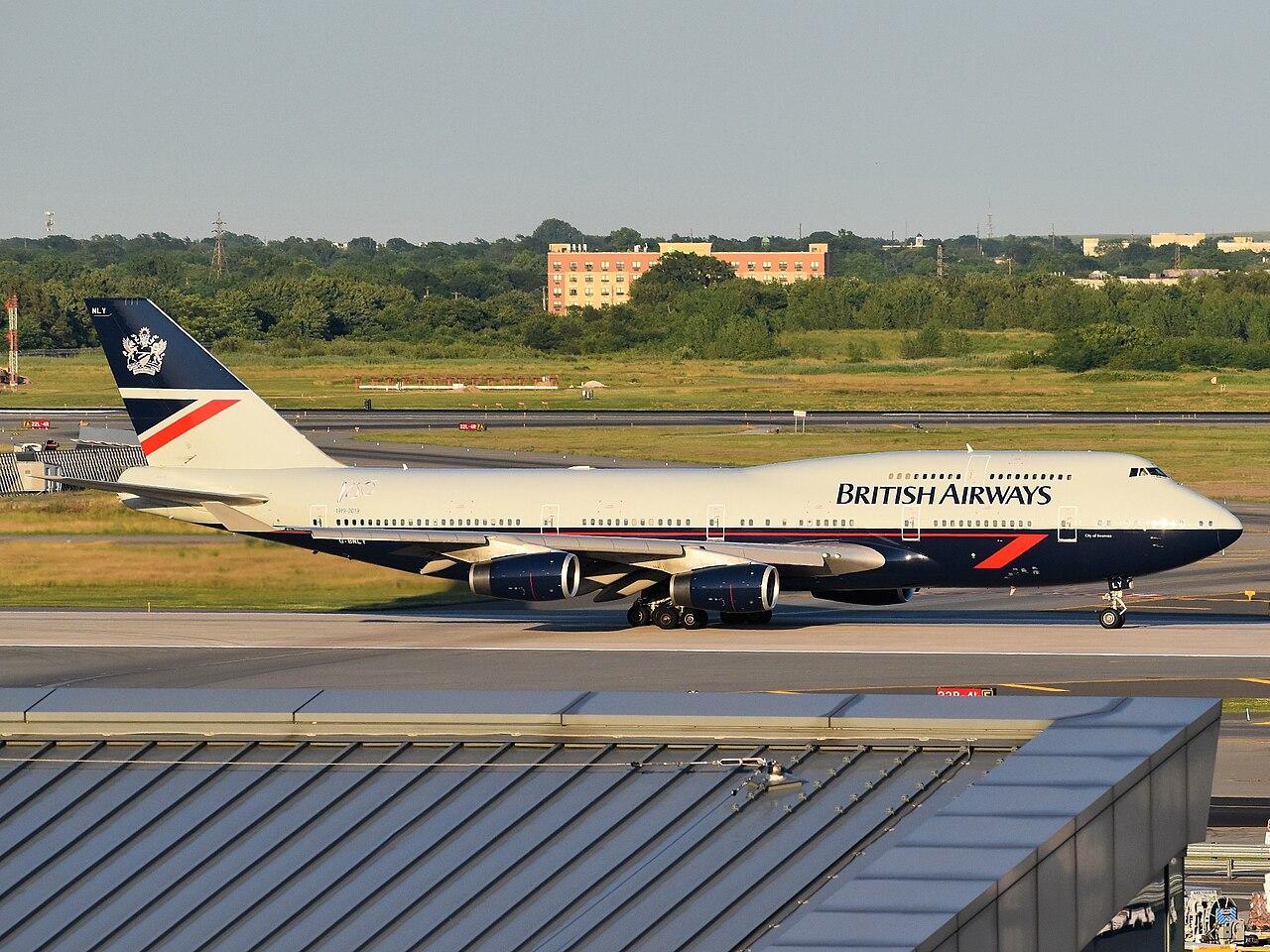
IAG launches new media firm offering brands access to 122 million travelers annually
International Airlines Group introduces IAG Media to unify advertising across its airlines, targeting diverse traveler audiences through digital and onboard channels.
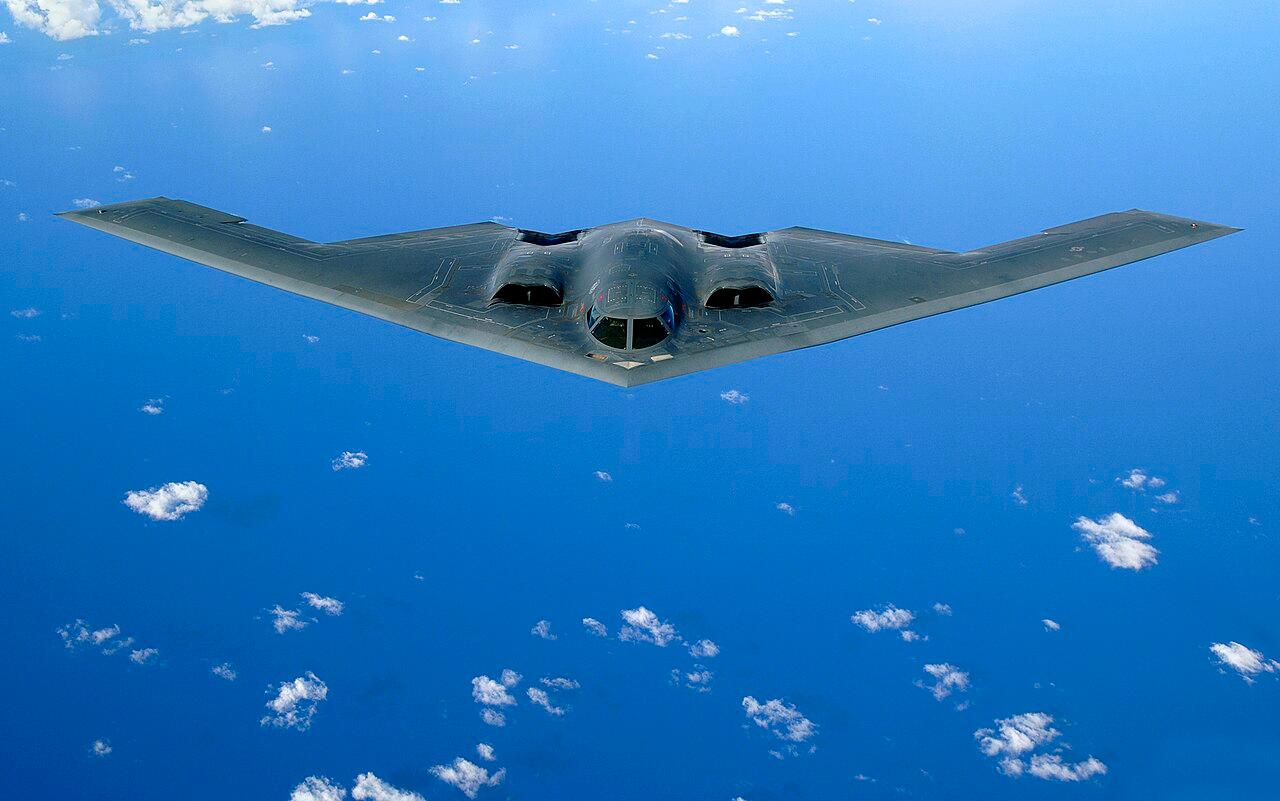
Northrop B-2 Spirit Bomber Balances Stealth and Subsonic Speed for Global Reach
The B-2 Spirit combines a flying wing design with stealth features and high subsonic speed to achieve intercontinental strike missions with precision payloads.
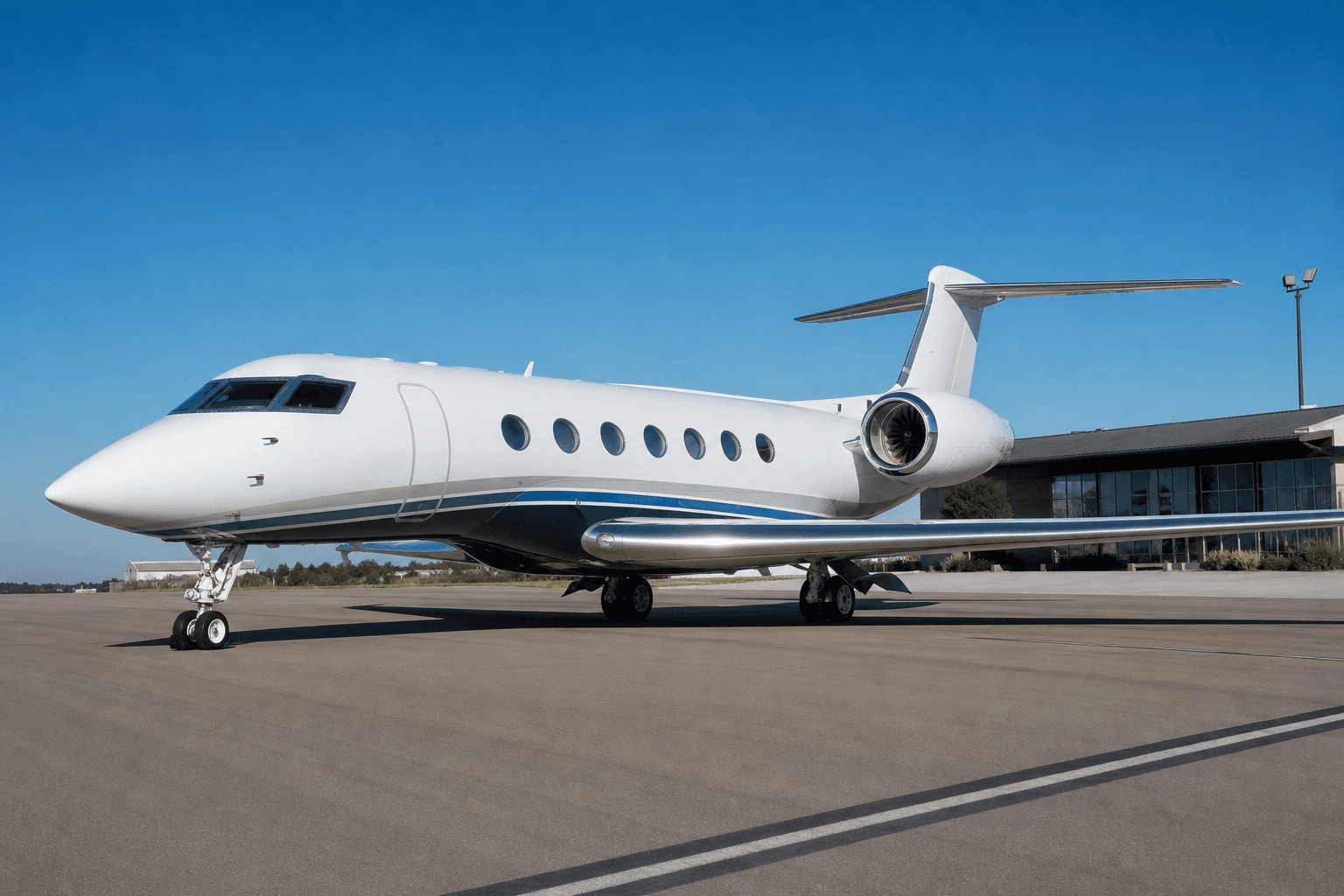
FlyExclusive Expands Fleet and Services by Integrating Fly Alliance Aircraft
FlyExclusive announces a strategic agreement to provide flight operations, management, and maintenance services for Fly Alliance's fleet, enhancing long-range and large-cabin offerings while maintaining Fly Alliance's brand identity.
The Daily Touch & Go
The day's best aviation news in your inbox. Free, no spam.