

Illustration: The Touch & Go
FAA Proposes New Noise Rules To Enable Civil Supersonic Flights Over Land
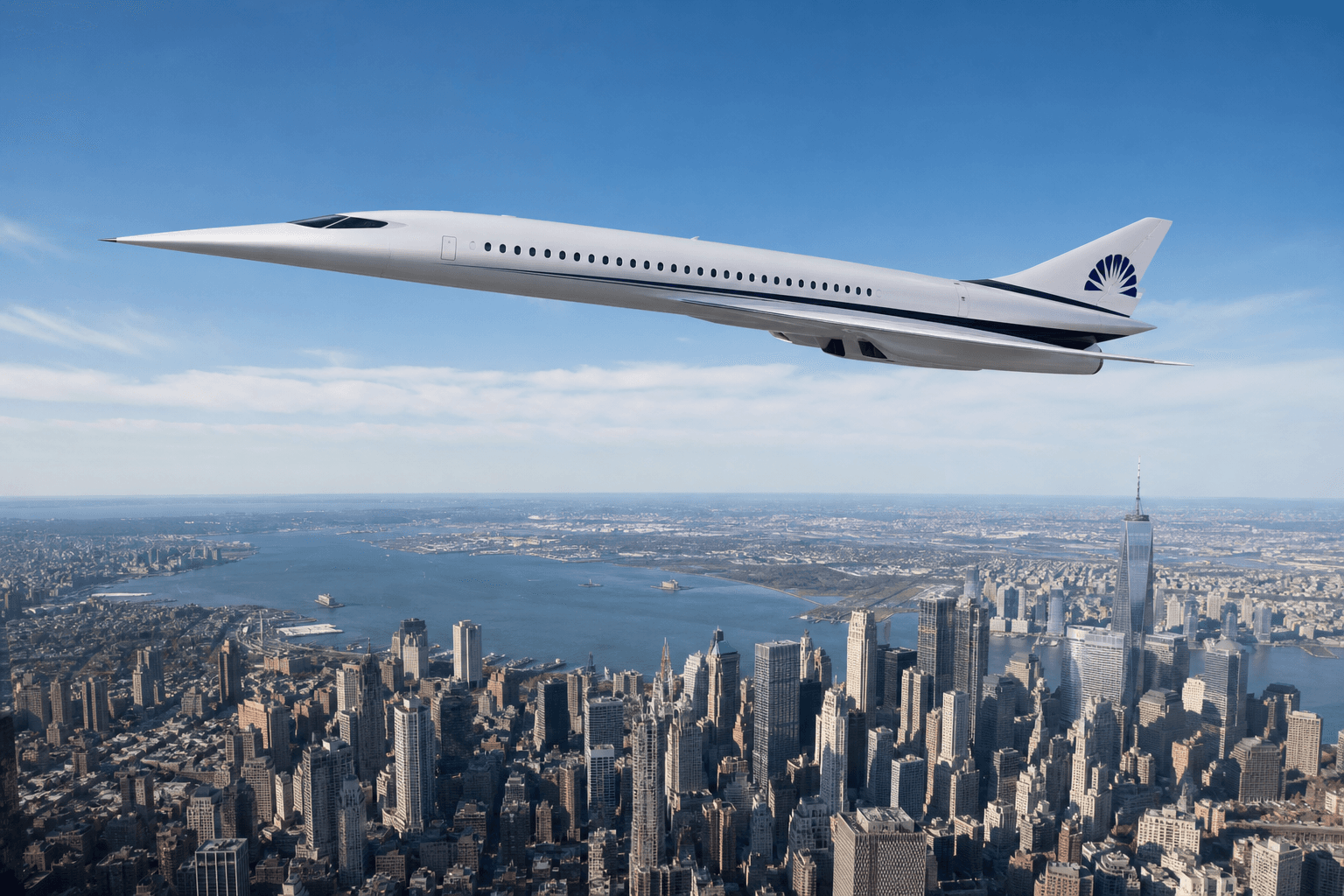
The FAA has launched a rulemaking initiative to establish updated noise standards that would allow next-generation supersonic civil aircraft to operate over the United States mainland.
The gist
FAA aims to make civil supersonic flights over land possible with new noise regulations for future aircraft.
The Federal Aviation Administration (FAA) has officially proposed a new set of noise standards specifically tailored for civil supersonic aircraft. This initiative marks a significant shift, as current regulations largely prohibit supersonic flight over land due to noise concerns, primarily related to sonic booms and other environmental factors. The agency’s move aims to pave the way for innovative supersonic business and commercial jets to eventually operate within U.S. airspace, extending beyond just transoceanic routes.
Under the proposed rulemaking, the FAA intends to address noise emissions from different flight phases, including takeoff, landing, and in-flight operations at supersonic speeds. The focus on noise is critical because traditional supersonic jets created disruptive sonic booms that led to regulatory restrictions in the early 1970s. Advancements in aerodynamics and engine technology now offer the potential for quieter supersonic travel, motivating the FAA to rethink noise certification standards that have remained unchanged for decades.
This regulatory effort aligns with a growing industry push to develop next-generation supersonic aircraft capable of faster-than-sound travel with greater environmental sensitivity. Several companies, both startup innovators and established aerospace manufacturers, are engaging with the FAA and other stakeholders to shape these new standards. Their designs emphasize noise mitigation technologies intended to comply with stricter community noise thresholds, thus making overland supersonic routes socially and politically more feasible.
Historically, the ban on civil supersonic flights over land has been a major hurdle for market expansion, confining supersonic travel primarily to overwater routes to minimize sonic boom disturbance. The FAA’s proposed noise standards could unlock a broader array of commercial opportunities, including faster business travel between major U.S. cities and domestic supersonic transport services. If adopted, the rules would signify an important regulatory modernization timed with the resurgence of interest and investment in supersonic aviation.
The proposal marks the initial phase of a rulemaking process that will invite public comment and industry feedback prior to finalization. The FAA will evaluate technical data and certification procedures to ensure safety and environmental compatibility. Observers anticipate this development to be a crucial enabler for future supersonic aircraft manufacturers and operators pursuing commercial certification and operation within the U.S. national airspace system.
Looking ahead, the aviation community will monitor how the FAA balances noise concerns with innovation goals. Successful implementation could position the U.S. as a leader in supersonic technology and support broader ambitions to reduce flight times while managing ecological impacts effectively. This regulatory engagement reflects the dynamic evolution of supersonic aviation from a niche endeavor toward mainstream commercial viability.
Read more
All Technology/eVTOL →
EAA AirVenture 2026 Showcases Electric Aircraft, Drones, and Autonomous Flight Tech
Electric aircraft, drones and autonomous flight companies are scheduled for Boeing Plaza and Tuesday air show appearances.
GE Aerospace taps Dowty's propeller expertise to advance open-fan RISE demonstrator
UK propeller manufacturer’s expertise is seen as critical to informing design of open-fan demonstrator. GE Aerospace has highlighted the growing involvement of UK subsidiary Dowty in the CFM International RISE open-fan technology demonstrator programme, with the propeller maker's design and industrial know-how seen as increasingly critical to the effort. Arjan Hegeman, vice-president of future flight…
FAA proposes lifting 53-year ban on civilian supersonic overland flight with new noise standards
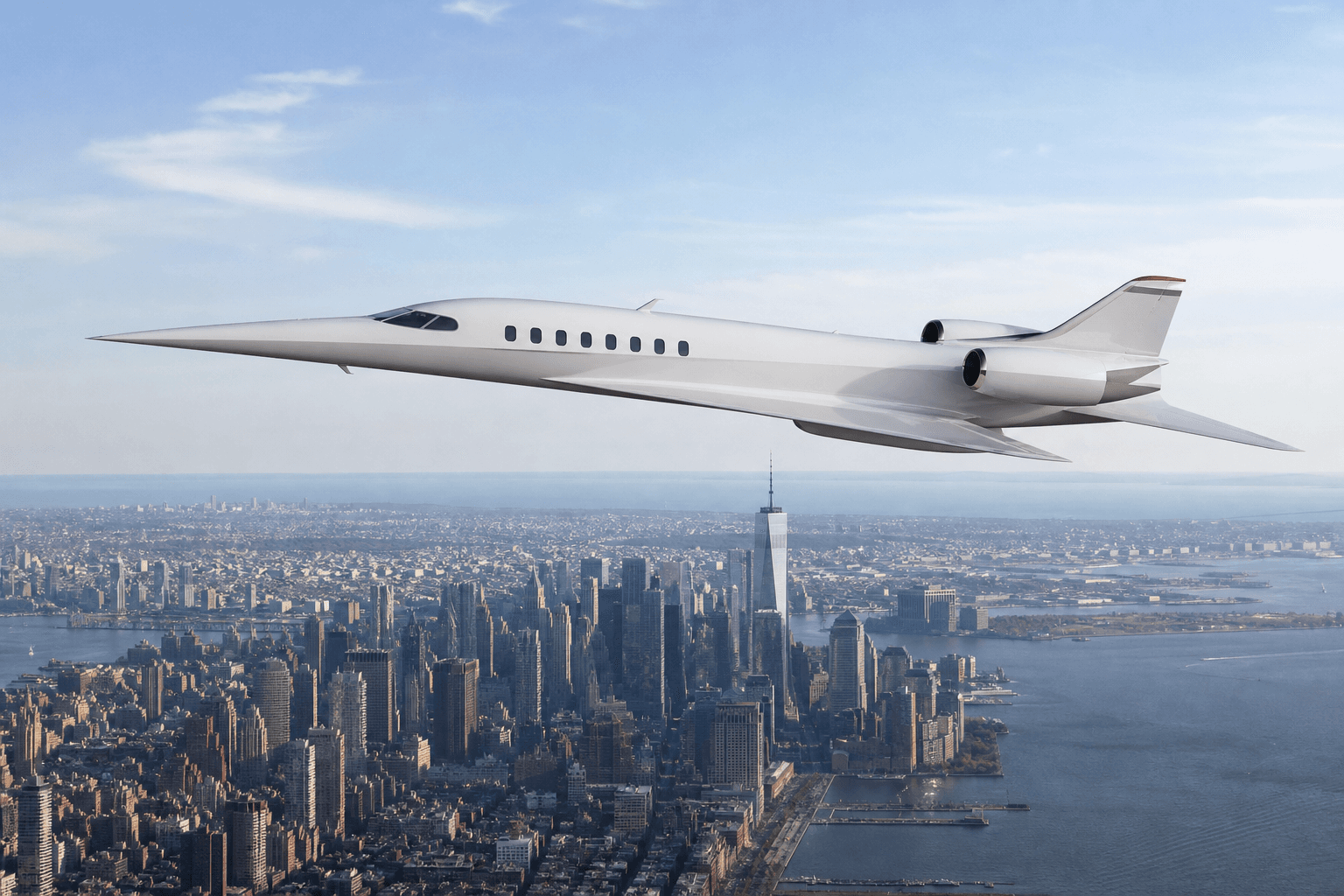
The rule sets an allowable noise standard that should allow for supersonic flight when in the “mach cut-off” regime. The Federal Aviation Administration has proposed repealing the USA’s long-standing ban on civilian overland supersonic flight and adopting new “noise-based” standards it says could allow a new era of supersonic air travel. The FAA “is taking…

Electric Aircraft Begin Multi-Island Trial Flights in Hawaii
Beta Technologies, Surf Air Mobility, and Hawaiian Airlines begin a six-to-eight-week electric aircraft trial.
The Daily Touch & Go
The day's best aviation news in your inbox. Free, no spam.