

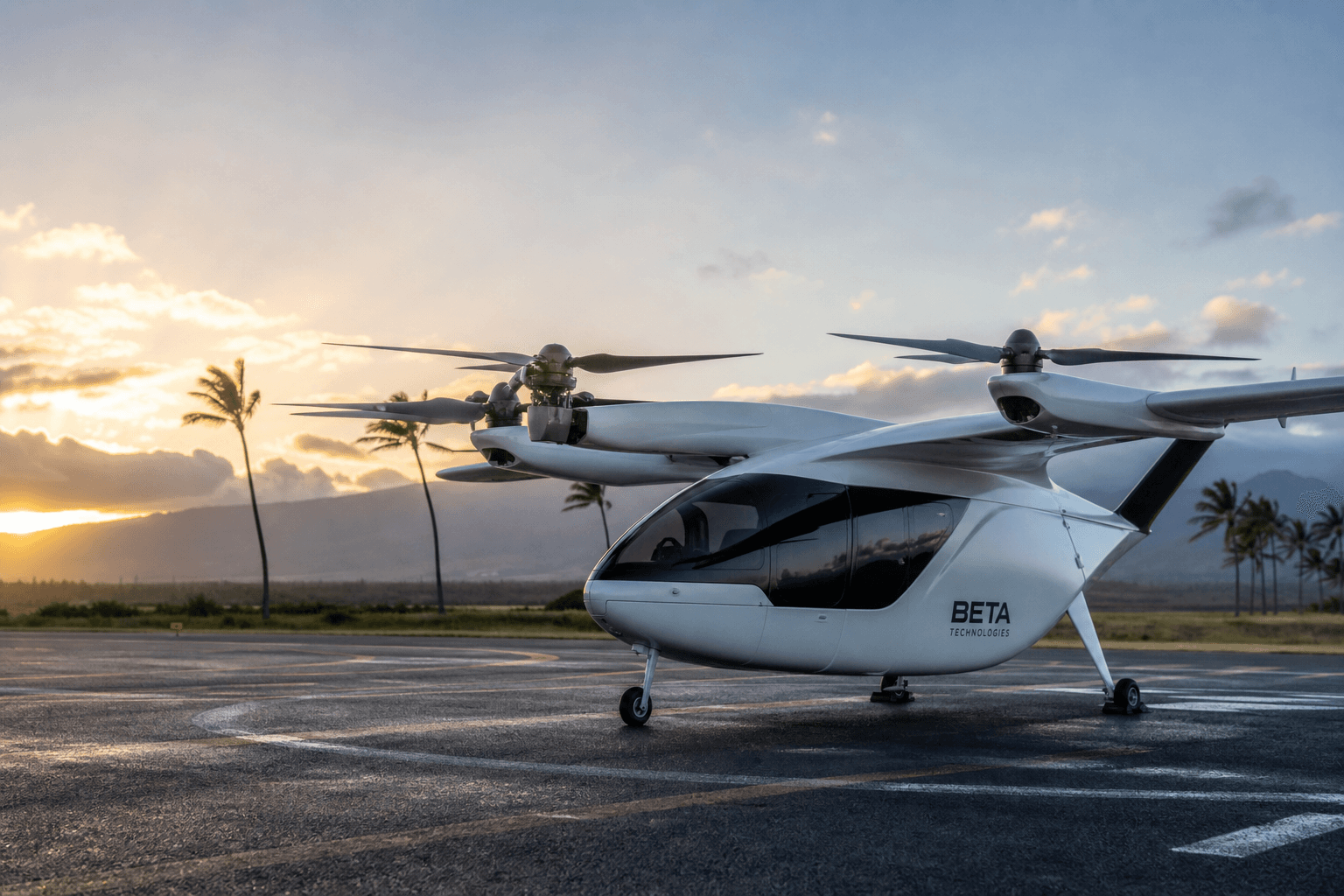
Illustration: The Touch & Go
Electric Aircraft Start Short Flights Between Hawaiian Islands in Early Trials
Hawaii begins six to eight weeks of trial flights featuring precertified electric aircraft, offering residents and visitors their first look at emerging eVTOL technology.
The gist
Trial flights of precertified electric aircraft have started in Hawaii, giving a preview of eVTOL innovation despite not being part of FAA’s main pilot program.
Continuing coverage
All Evtol →Hawaii has launched early trial operations of electric aircraft that are expected to continue for six to eight weeks, providing a unique demonstration of electric vertical takeoff and landing (eVTOL) technology to the state’s residents and visitors alike. While the Federal Aviation Administration (FAA) is conducting more formalized eVTOL trials in 26 other states under its Integration Pilot Program (eIPP), Hawaii is not currently participating in that particular initiative. Nevertheless, these initial flights mark an important step toward familiarizing the public with emerging electric aircraft capabilities in a geographically strategic location.
The trial flights involve precertified electric aircraft, which have been cleared for limited operations ahead of final FAA certification. These aircraft leverage electric propulsion systems designed to reduce noise and emissions compared to traditional combustion-powered planes. The electric aircraft are expected to crisscross between the islands, demonstrating the potential for environmentally friendly and efficient inter-island travel in this island state setting. This type of service could offer an alternative mode of transportation that fits Hawaii’s unique geographical challenges.
Hawaii’s insular environment and relatively short distances between islands make it an ideal candidate for early adoption of electric air mobility solutions. With tourism and inter-island travel accounting for a significant portion of the state’s transportation needs, electric aircraft could become a key component of a sustainable transportation network. The trials are anticipated to provide valuable operational data about electric aircraft performance, safety, and integration into existing aviation infrastructure within the Hawaiian context.
The FAA’s eVTOL Integration Pilot Program (eIPP) provides a formal framework in the continental United States for conducting trials of emerging electric aircraft. Although Hawaii is not included among the initial 26 states participating in eIPP, the state’s trial operations highlight growing interest and momentum for electric aviation beyond the program’s scope. These efforts are consistent with broader industry trends toward electrification and decarbonization in aviation, signaling Hawaii’s willingness to explore novel technologies even if outside the FAA’s current pilot program parameters.
The participating electric aircraft used during these trials have undergone precertification, meaning they meet certain safety and regulatory benchmarks but are still under evaluation prior to full type certification by the FAA. This status allows limited demonstration and operational flights under controlled conditions, aiding manufacturers and regulators in gathering real-world data. Such data are critical for refining certification requirements and accelerating the timeline for commercial deployment of electric aircraft.
While the trial duration is specified as six to eight weeks, the outcomes of these flights could influence future policy and operational developments within the state. Stakeholders including local aviation authorities, environmental groups, and the tourism sector will closely observe how electric aircraft perform in terms of reliability, noise levels, and passenger experience. Positive results may catalyze investments in infrastructure such as vertiports and support services essential for scalable electric aviation operations.
Interest in electric aircraft is surging globally as the aviation sector confronts the challenges of reducing carbon emissions and dependence on fossil fuels. Hawaii’s trial flights represent an intersection of this global push with local needs, offering a microcosm of how electric aviation could transform regional mobility. The use of eVTOL aircraft, in particular, aims to address traffic congestion and provide flexible point-to-point transportation within and between urban areas as well as island clusters like Hawaii’s.
The limited but focused trials opening the door to further innovation also underscore that regulatory, technical, and community integration hurdles remain. FAA oversight and incremental certification steps reflect the careful balance between enabling technological advancement and ensuring aviation safety. Hawaii’s early adoption efforts will contribute to building knowledge that can support expanded operational frameworks allowing electric aircraft to become a practical transportation option.
With these flights underway, Hawaii joins a growing cohort of regions engaging directly with the future of electric aviation, setting the stage for potentially wider adoption as technology matures and regulatory conditions evolve. The state’s initiative illustrates how local operators and governments can proactively participate in pioneering air mobility models tailored to their unique logistical and environmental contexts.
Read more
All Technology/eVTOL →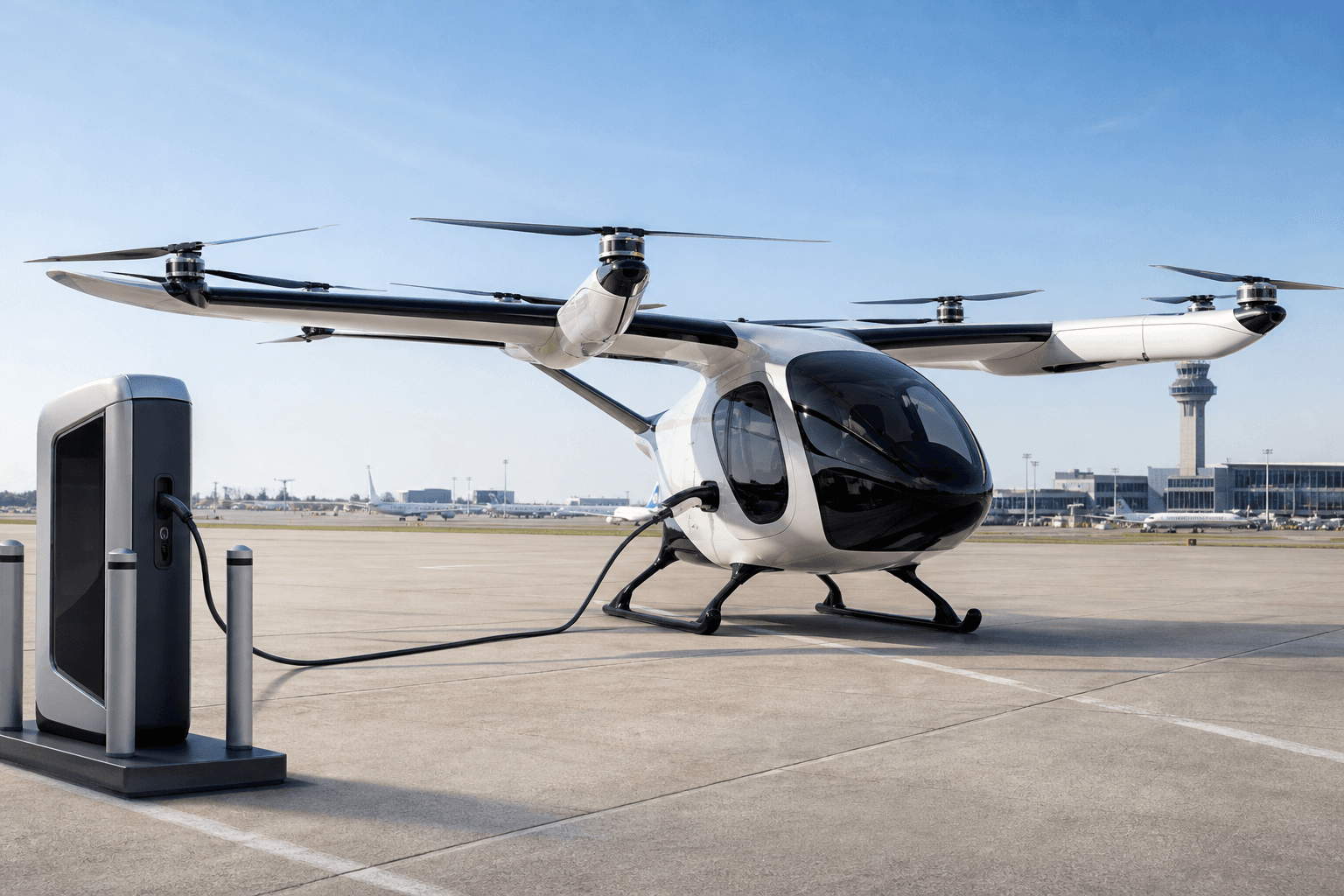
North Central Texas Council Launches $1M Fund for eVTOL Airport Chargers
The North Central Texas Council of Governments has opened a $1 million funding program for electric-aircraft charging equipment at public-use airports in the Dallas-Fort Worth region. Applications are due Aug. 7 at 5 p.m. CDT. The money was initially approved in September 2024 for a potential advanced-air-mobility demonstration connected to the 2026 World Cup. That plan did not proceed as originally envisioned. Arlington dropped expectations for carrying passengers during the tournament because aircraft certification and FAA regulations would not be completed in time, and NCTCOG later redirected the funding toward permanent charging infrastructure and airport readiness. The revised program also supports North Texas' participation in the larger eVTOL Integration Pilot Program ( eIPP ). The state’s participation in the initiative is led by the Texas Department of Transportation and is intended to develop infrastructure, routes and operating procedures for future electric-aircraft demonstrations and service. Airports in the council's 12-county planning area may seek awards of up to $200,000. The program does not require matching funds. Eligible expenses include an eVTOL charger and infrastructure directly required to install and operate it. Stand-alone electrical improvements that do not result in an installed charger are not eligible. The council said applications will be evaluated on airport planning documents, knowledge of advanced-air-mobility infrastructure, partnerships and implementation schedules. Proposed projects must also demonstrate how the equipment could support future aircraft operators, demonstrations or private investment.
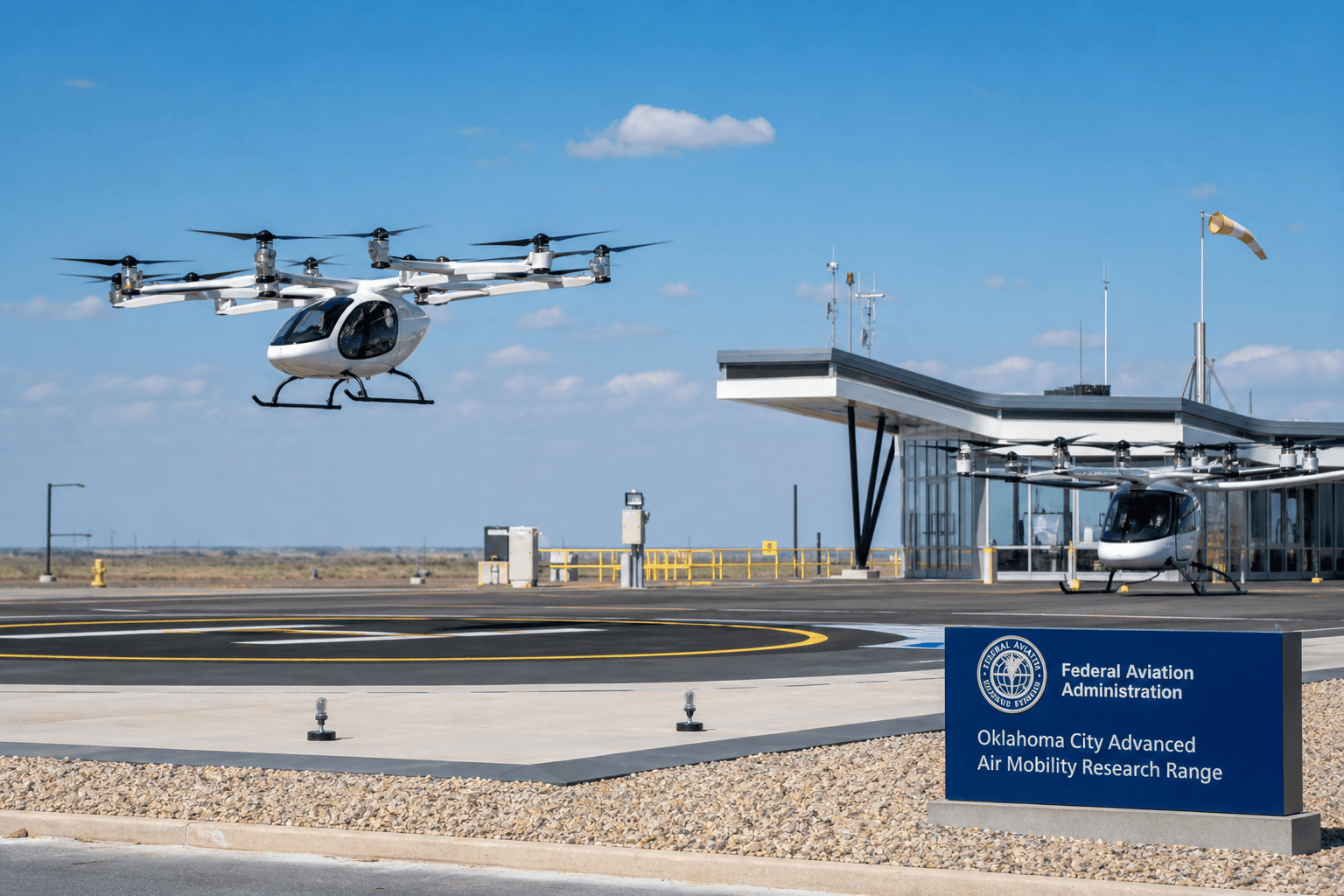
FAA Launches $8.3M Advanced Air Mobility Test Range in Oklahoma City
New Oklahoma City site will support vertiport testing and eVTOL integration work.
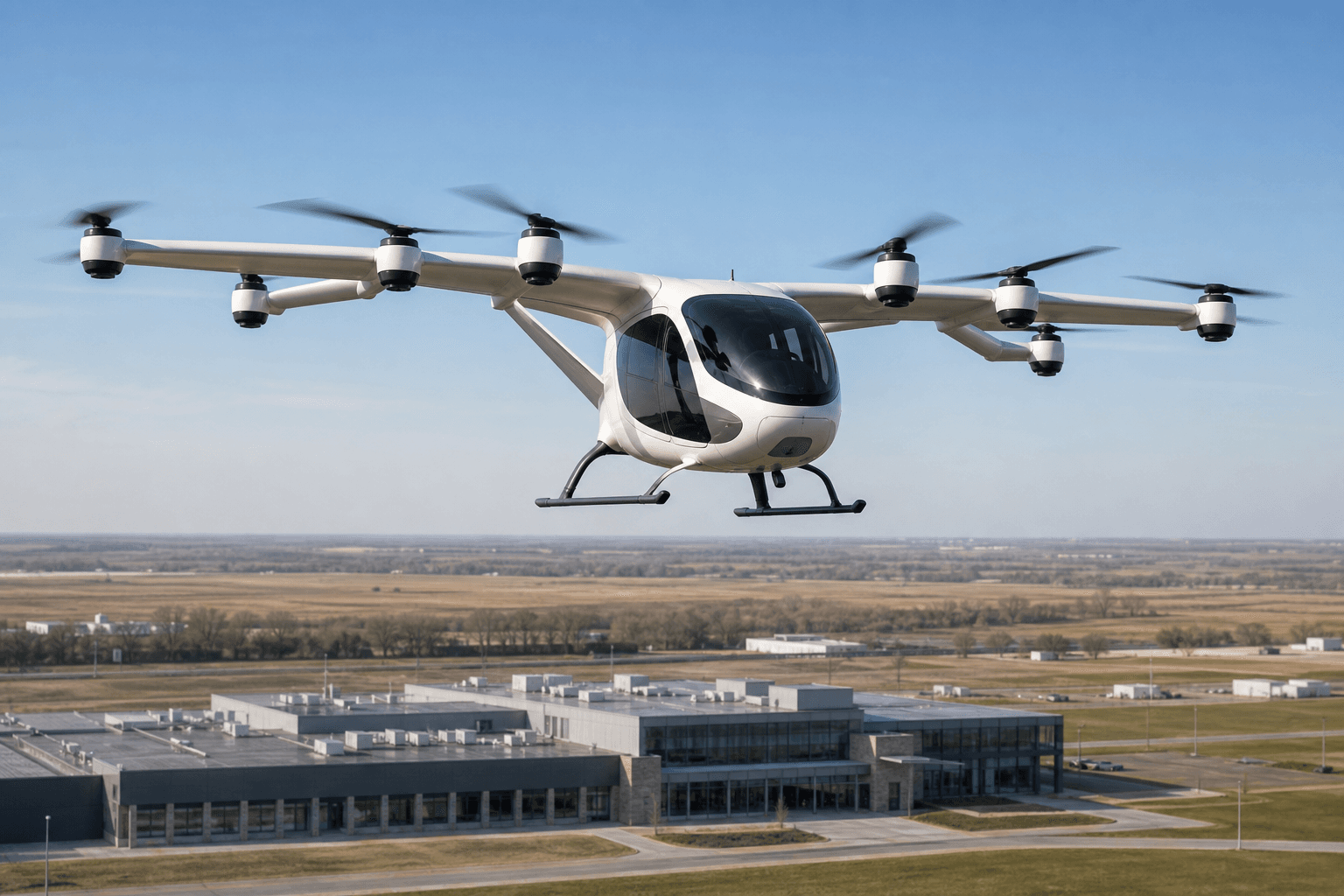
DOT and FAA launch $8.3M Oklahoma facility to advance eVTOL research and integration
It has been announced that the US Department of Transportation (DOT) and Federal Aviation Administration (FAA) have broken… DOT and FAA break ground on $8.3 million facility for eVTOL research in Oklahoma appeared first on AeroTime.
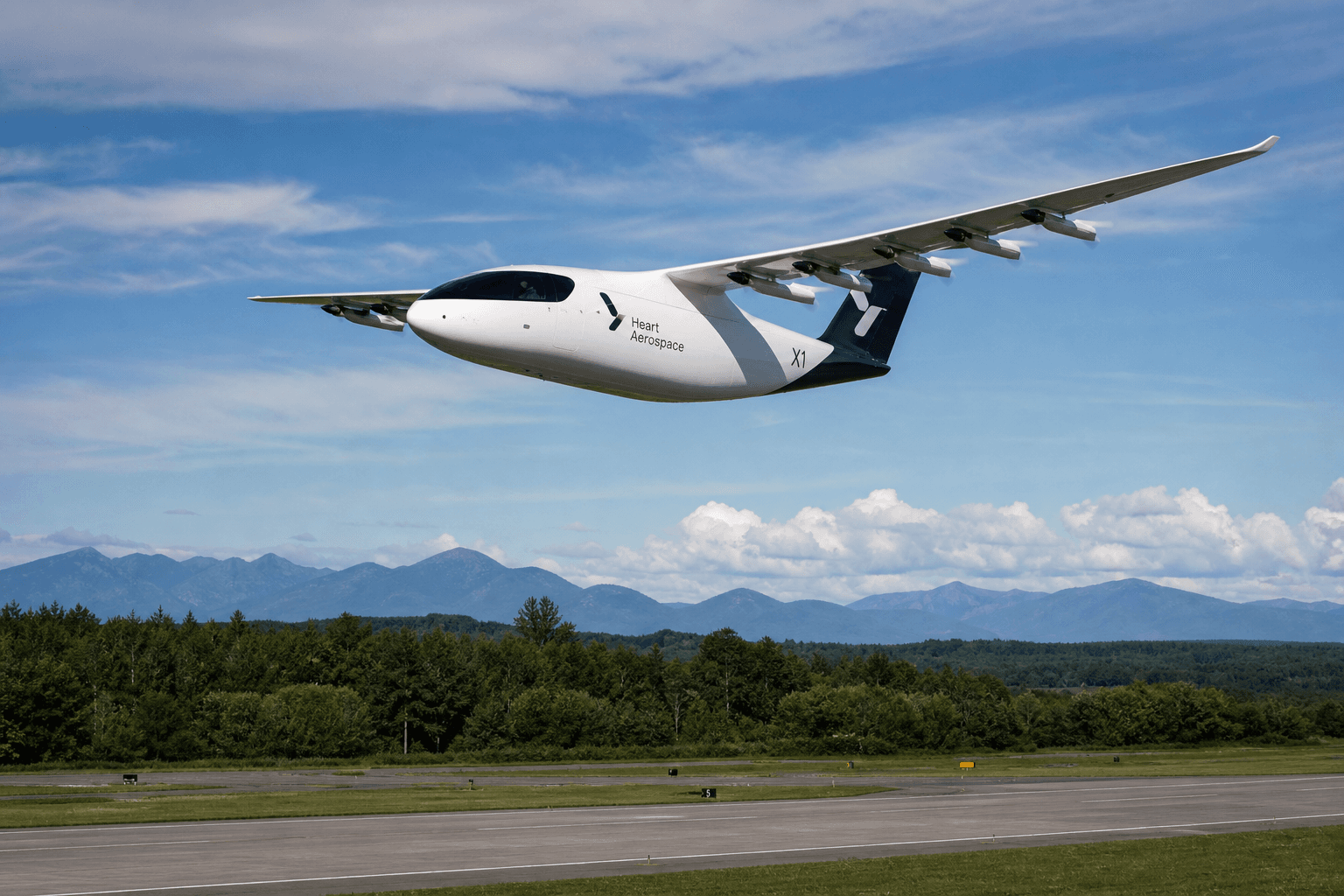
Heart Aerospace's X1 completes first-ever flight as largest battery-electric airplane
Heart Aerospace's X1 demonstrator completed its first flight Wednesday at Plattsburgh International Airport in New York. The company says the full-scale Heart X1 aircraft is the largest battery-electric airplane flown to date. 27-Minute Flight The piloted flight lasted 27 minutes and reached 1,100 feet AGL. Heart said the X1's battery-electric propulsion system produced more than 1 megawatt of power during the flight. The test profile included taxi, takeoff, climb, maneuvering and landing under an FAA experimental special airworthiness certificate. "With the first flight of X1, Heart Aerospace has demonstrated electric flight at the scale of a commercial airliner," Heart Aerospace founder and CEO Anders Forslund said in the company announcement. Supporting The ES-30 The X1 has a 106-foot wingspan, measures 76 feet long and weighed more than 25,000 pounds at takeoff. The FAA issued the aircraft its special airworthiness certificate in July following ground testing that included structural, propulsion, systems and taxi tests. Heart said at the time that it planned to use the demonstrator to collect flight-characteristics and electric-propulsion data. Heart is using the X1 program to support development of its ES-30, a planned 30-seat hybrid-electric regional aircraft. The company says it is building its first preproduction ES-30 at its Los Angeles pilot manufacturing facility and plans to begin flight testing that aircraft in 2028. Heart is targeting entry into service for the ES-30 in 2031.
The Daily Touch & Go
The day's best aviation news in your inbox. Free, no spam.