

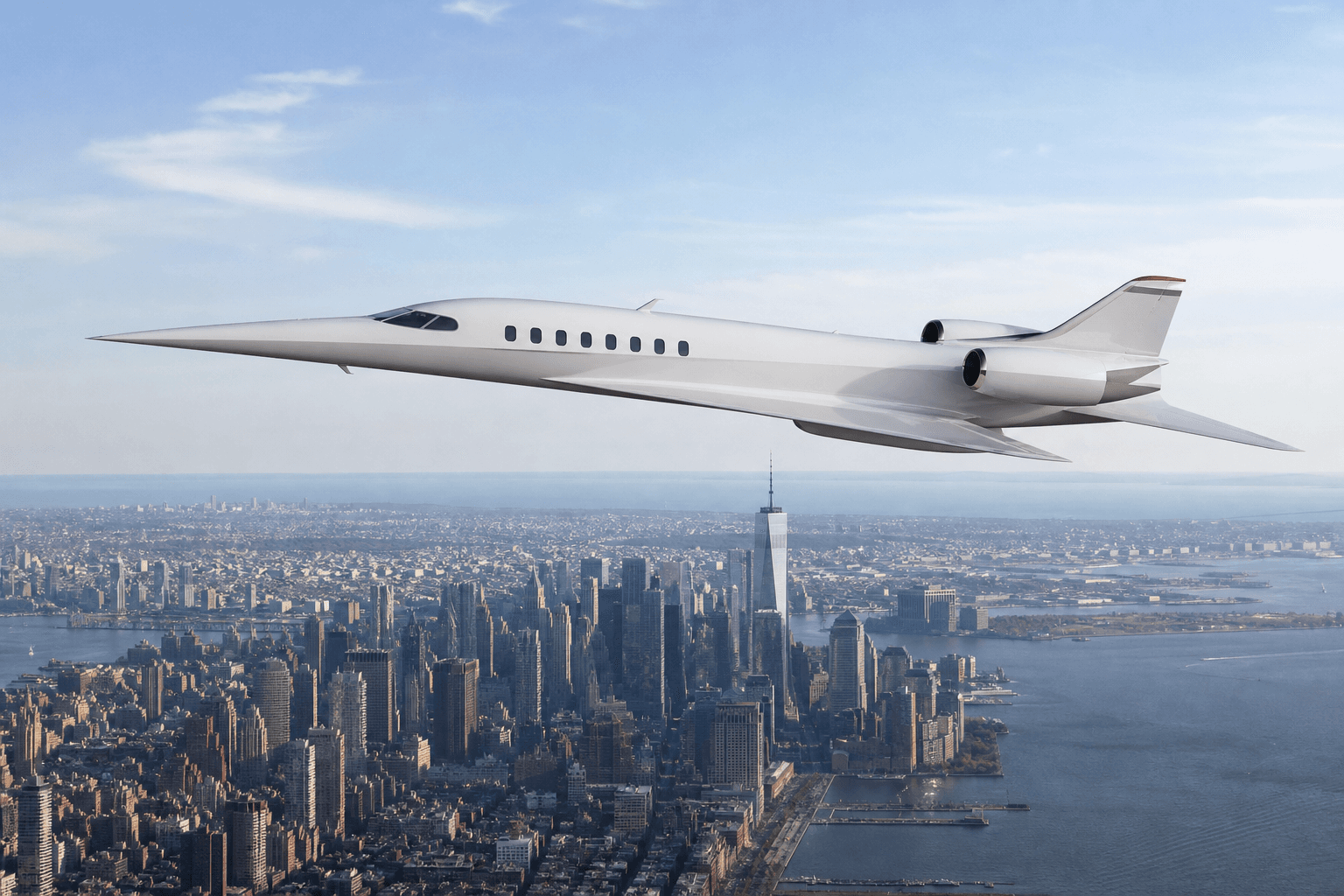
Illustration: The Touch & Go
FAA proposes lifting 53-year ban on civilian supersonic overland flight with new noise standards
The FAA seeks to repeal the United States' decades-old prohibition on civilian supersonic travel over land by introducing noise-based limits to enable future supersonic aircraft operations.
The gist
FAA moves to end decades-old ban on supersonic civilian overland flight by proposing noise standards to allow new supersonic travel.
The Federal Aviation Administration has put forward a proposal to repeal a ban that has prevented civilian supersonic flight over land in the United States for 53 years. This longstanding restriction was originally introduced due to noise concerns related to sonic booms impacting populated areas. The FAA's new approach focuses on noise-based standards intended to accommodate supersonic flight while mitigating disruptive sonic boom effects.
The proposed regulations establish allowable noise levels that will enable aircraft to fly faster than the speed of sound without exceeding specified sound thresholds, specifically targeting operations within what's known as the 'Mach cut-off' regime. This technical framework aims to balance the reintroduction of supersonic travel with community noise considerations, enabling a resurgence of high-speed aviation.
This move signals a shift in regulatory philosophy, focusing on quantifiable noise metrics rather than an absolute ban. With growing interest from the aviation industry in developing next-generation supersonic business jets and commercial planes, the FAA’s initiative could catalyze investment and innovation in this niche. The adoption of noise-based standards aligns with advances in quieter supersonic engine and airframe design, making the regulatory environment more conducive to realistic operational deployment.
Historically, the ban on overland supersonic flight stifled the growth of civilian supersonic aircraft, limiting operations primarily to routes over oceans to avoid population centers. By proposing to lift this ban, the FAA is paving the way for new market opportunities and could enhance the competitiveness of U.S.-based supersonic aircraft manufacturers on the global stage.
Looking forward, the FAA will collect feedback from stakeholders during the proposal's comment period before finalizing the rule. This regulatory modernization reflects broader trends in aviation toward faster, more efficient transport options and may lead to a new era of civilian supersonic travel, potentially reducing flight times on domestic routes significantly.
Read more
All Technology/eVTOL →
Electric Aircraft Begin Multi-Island Trial Flights in Hawaii
Beta Technologies, Surf Air Mobility, and Hawaiian Airlines begin a six-to-eight-week electric aircraft trial.
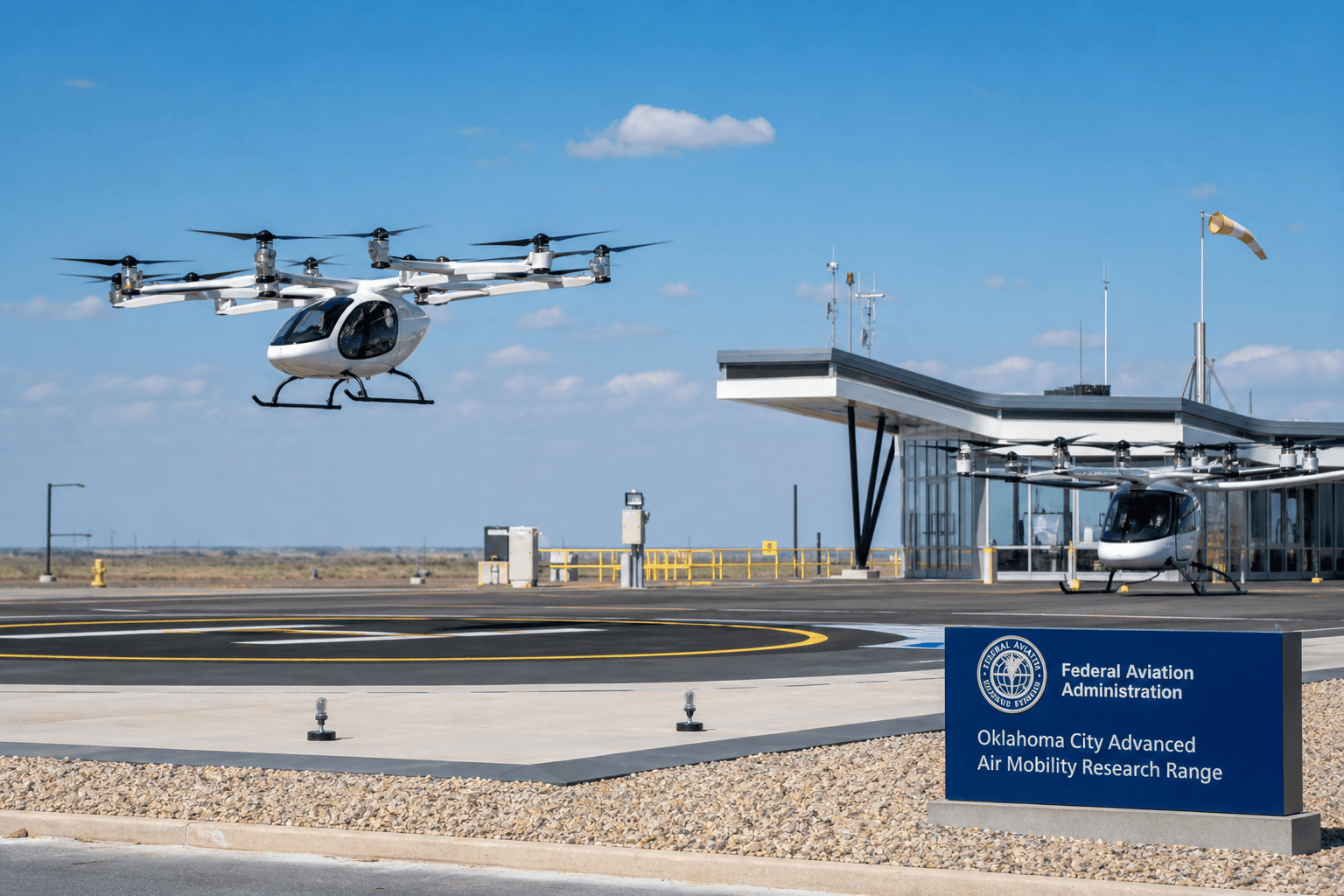
FAA Launches Advanced Air Mobility Research Range in Oklahoma City for eVTOL Testing
New Oklahoma City site will support vertiport testing and eVTOL integration work.
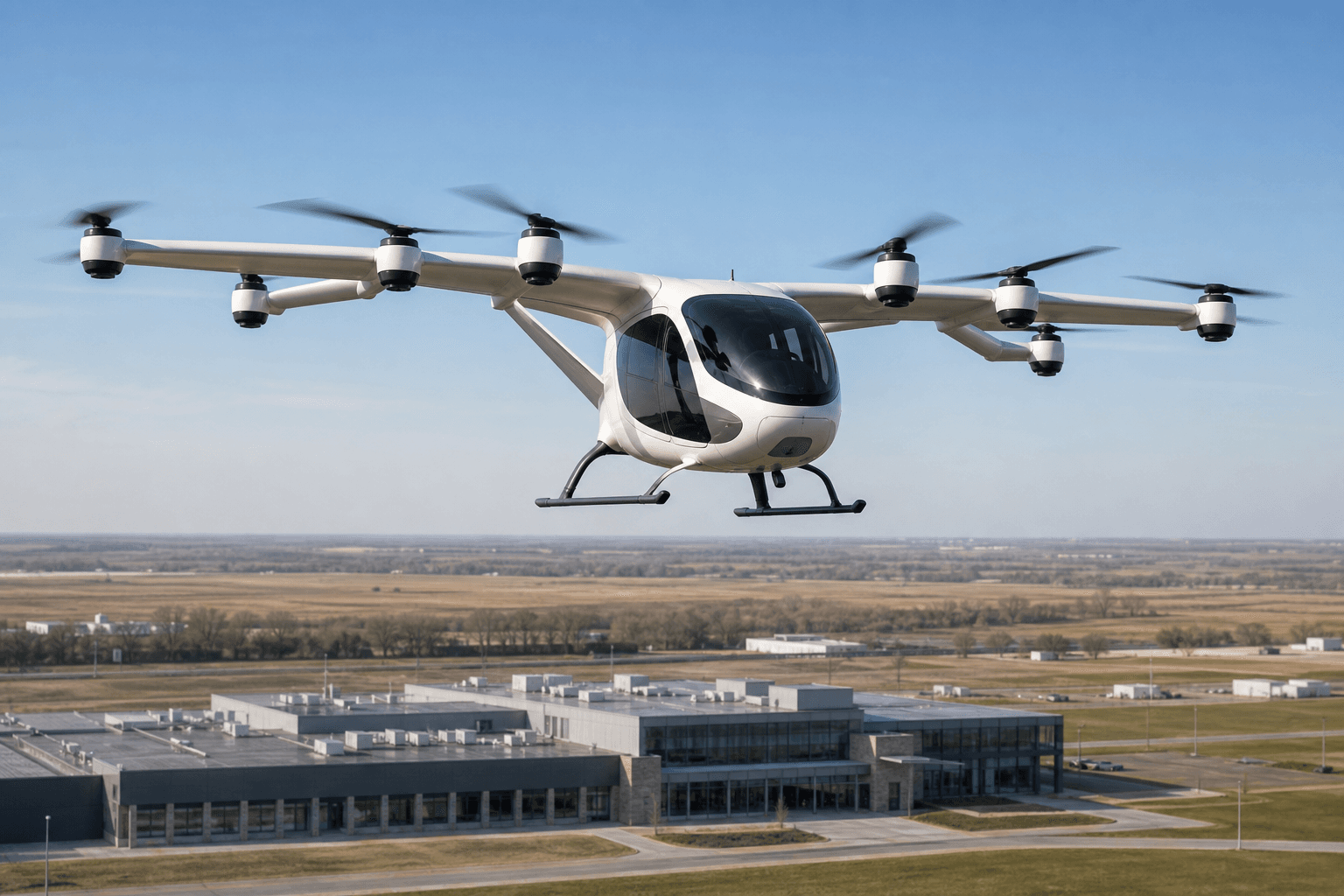
US DOT and FAA Launch $8.3M eVTOL Research Facility in Oklahoma
It has been announced that the US Department of Transportation (DOT) and Federal Aviation Administration (FAA) have broken… DOT and FAA break ground on $8.3 million facility for eVTOL research in Oklahoma appeared first on AeroTime.

Bye Aerospace Announces Supplier Network as eFlyer 2 Trainer Nears First Flight
Multidisciplinary team of partners is helping the Denver-based company prepare for the debut of its all-electric, two-seat trainer.
The Daily Touch & Go
The day's best aviation news in your inbox. Free, no spam.