


Illustration: The Touch & Go
FAA Proposes Rules to Begin Repealing Decades-Old Supersonic Flight Ban
The FAA has unveiled interim noise standards aimed at restarting supersonic flight developments, marking a critical shift from longstanding restrictions.
The gist
FAA moves to repeal supersonic flight ban with new noise standards, advancing the return of supersonic aviation.
In a landmark move, the Federal Aviation Administration (FAA) has proposed interim standards designed to lift the decades-old ban on civil supersonic flight over land. This initiative signals the agency’s first concrete steps toward reintroducing supersonic travel, a sector that halted after noise and sonic boom concerns prompted prohibitive regulations in the 1970s. The proposed regulations specifically target the noise levels created by sonic booms, aiming to forge a path for new generation supersonic aircraft designs to operate within acceptable limits.
The FAA’s draft standards set limits that are expected to be more accommodating than the prior complete ban, focusing on managing the impact of sonic booms without broadly restricting the aircraft’s capabilities. The agency emphasizes that these rules are interim, intended to facilitate further technological advancements while preserving community noise protections. This carefully calibrated approach reflects growing industry interest in developing quieter supersonic jets that can provide significantly reduced travel times.
This regulatory shift comes amidst a resurgence of private and public sector enthusiasm for supersonic aviation. Several aerospace companies have announced projects targeting the commercial supersonic market, boasting designs with improved environmental and noise footprints. The FAA’s guidelines will help clarify the path for certification and deployment of these new aircraft within the American airspace system, encouraging investment and innovation in a sector dormant for decades.
Historically, the ban on supersonic flights over land was instituted because sonic booms could cause noise disturbances and structural damage. Advances in materials, aerodynamics, and engine technology, however, have made it possible to mitigate these effects. The FAA’s step indicates recognition of these technological advances and a readiness to update regulatory frameworks accordingly, balancing progress with community safety and environmental stewardship.
Moving forward, aircraft manufacturers and operators will have a clearer regulatory environment for testing and eventually offering supersonic commercial flights. The FAA plans to solicit public input on these proposed standards to refine them further before finalization. This public review process will be critical in shaping how supersonic aircraft re-enter the national airspace without repeating past disruptions.
In sum, the FAA’s proposal marks a significant milestone in supersonic aviation’s revival, signaling the potential return of this high-speed travel mode. The agency’s careful progression towards repealing the ban underscores the importance of marrying innovation with regulatory prudence. Industry stakeholders and travelers alike would be wise to watch how these regulatory changes unfold and impact the future of fast air travel.
Read more
All Technology/eVTOL →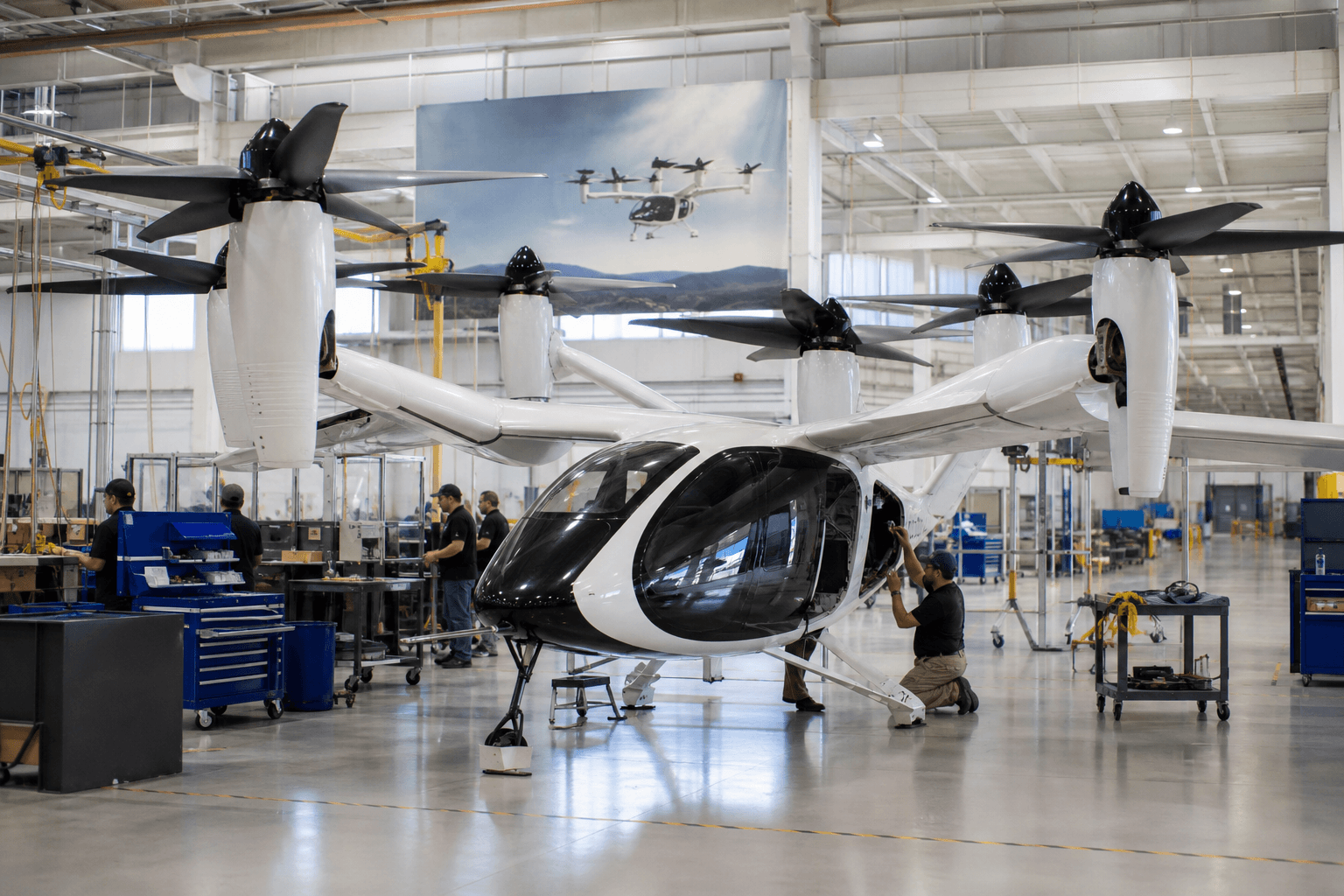
Joby and Toyota Form Joint Venture for Exclusive Electric Air Taxi Production
Partners create a joint venture that is planned to become the exclusive third-party manufacturer of Joby's air taxi.

Electric Aircraft Begin Multi-Island Trial Flights in Hawaii
Beta Technologies, Surf Air Mobility, and Hawaiian Airlines begin a six-to-eight-week electric aircraft trial.
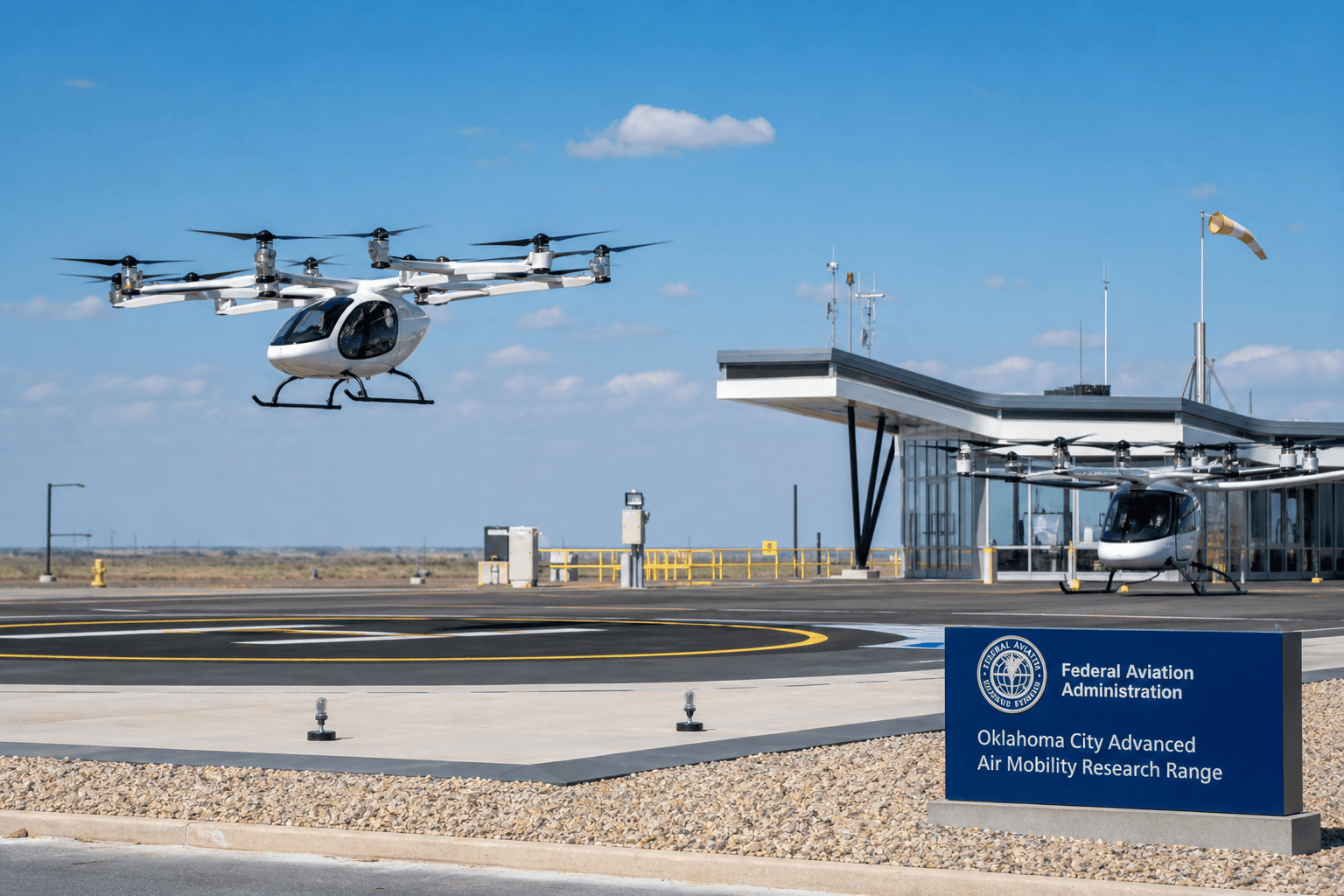
FAA Launches Advanced Air Mobility Research Range in Oklahoma City for eVTOL Testing
New Oklahoma City site will support vertiport testing and eVTOL integration work.
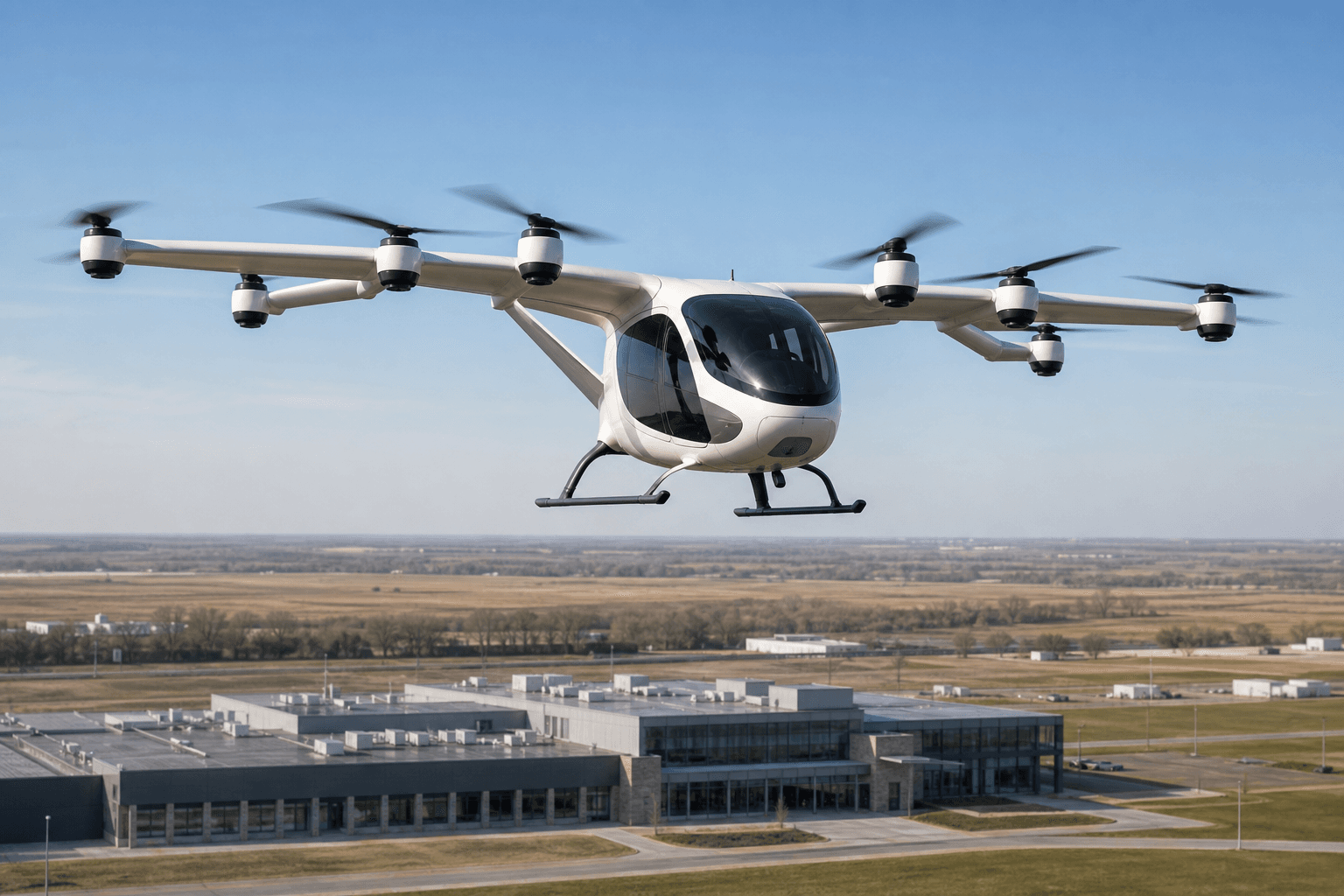
US DOT and FAA Launch $8.3M eVTOL Research Facility in Oklahoma
It has been announced that the US Department of Transportation (DOT) and Federal Aviation Administration (FAA) have broken… DOT and FAA break ground on $8.3 million facility for eVTOL research in Oklahoma appeared first on AeroTime.
The Daily Touch & Go
The day's best aviation news in your inbox. Free, no spam.