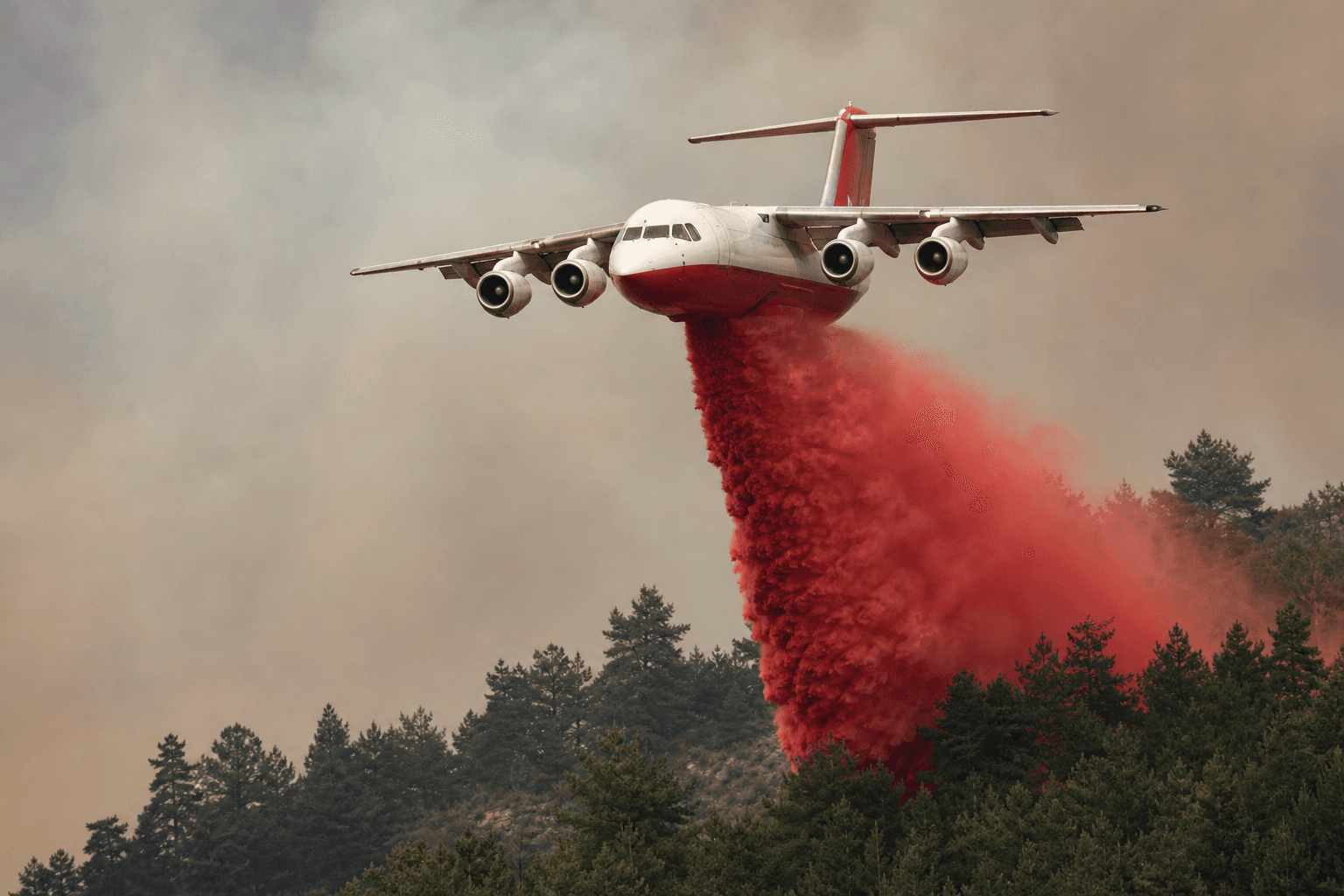
AI-generated illustration
NTSB Finds Approved Fire Retardant Corroded Airtanker Wings, Cables and Engines in One Season
Investigators say the US Forest Service approved Fortress FR-200 without tests that reflected real aircraft construction or the effects of mixing it with other retardants.
The gist
An approved fire retardant ate into an MD-87's wing spar in a single season, and the NTSB wants the Forest Service to overhaul how it tests these chemicals.
Continuing coverage
All Ntsb →A fire retardant cleared for use in US aerial firefighting corroded two large airtankers so badly during a single season that one needed structural repairs to its wing, the National Transportation Safety Board said. The product, Fortress FR-200 from Fortress North America, damaged wing structure, control cables, electrical connectors and engines. On November 17, 2026, the NTSB called on the US Forest Service to strengthen the testing it requires before a retardant can be dropped from aircraft. Investigators concluded that the agency's approval process did not properly assess how the chemical would behave on aircraft under real operating conditions.
The Forest Service took FR-200 off its approved list in December 2024. The NTSB said that withdrawing it, along with a related product, did nothing to fix the gaps in the qualification process that let both products through in the first place.
Two aircraft were at the center of the investigation: a BAe 146-200A flown by Montana-based Neptune Aviation Services and an MD-87 flown by Oregon-based Aero Air, which operates firefighting missions as Erickson Aero Tanker. Both took part in a 2023 Forest Service trial looking at how the newly approved retardant could be used alongside an existing one. The airtankers first carried FR-200, which relies on magnesium chloride as its active retardant salt. Later in the season they switched back and forth between FR-200 and Phos-Chek MVP-Fx, a phosphate-based retardant made by Perimeter Solutions. The trial rules did not require crews to wash out the tanks between loads of the two products, so leftover chemicals were able to mix.
The worst damage turned up on the MD-87. Corrosion ate through more than half the thickness of a wing-spar doubler, a reinforcement that forms part of the wing's main load-bearing structure. Aero Air replaced more than 90 electrical connectors, several control cables and a section of a lengthwise fuselage structural member about 44 inches long. Investigators also found corrosion in three engines that had been installed on the twin-engine jet at different points during the trial. On the BAe 146, the heaviest corrosion was inside the retardant tank.
The extent of the problem only became clear during postseason maintenance. The Forest Service notified the NTSB in March 2024 and asked it to investigate, citing the potential for the corrosion to cause an accident.
Warning signs had appeared two years before the trial. During a 2021 evaluation of Fortress FR-100, an earlier magnesium chloride-based product, operators reported corrosion and deposits when it came into contact with existing retardants, and laboratory testing later confirmed the products were incompatible. The NTSB found that feedback from operators and vendors pointed to a need for more testing and revised procedures. The Forest Service went ahead with the 2023 trial anyway, without any additional corrosion testing.
FR-200 had received full Forest Service approval in December 2022 after laboratory work and a field evaluation on a single-engine airtanker fitted with a fiberglass retardant tank. The qualification tests looked at individual metal samples, which the NTSB said did not represent the mix of metals, fasteners, joints and assembled structures found on an actual aircraft. Later testing showed FR-200 could promote corrosion by itself, and that mixing it with a phosphate-based retardant could make corrosion worse under some conditions.
The Forest Service suspended the qualifications of FR-100 and FR-200 in May 2024 before dropping them from the approved list that December. Compass Minerals, the parent of Fortress, acknowledged the corrosion findings in March 2024, saying safety came first and that the products had passed the tests the Forest Service prescribed. In March 2025, Compass said it would wind down Fortress North America as part of a wider cost-cutting program.
The NTSB is now asking the Forest Service to work with aircraft corrosion specialists, operators and manufacturers to build tests that reflect how aircraft are actually constructed and what happens when retardants are mixed. The board also recommended that the agency write those tests into its qualification requirements for retardant products.
Originally reported by AeroTime
Read more
All Aviation Safety →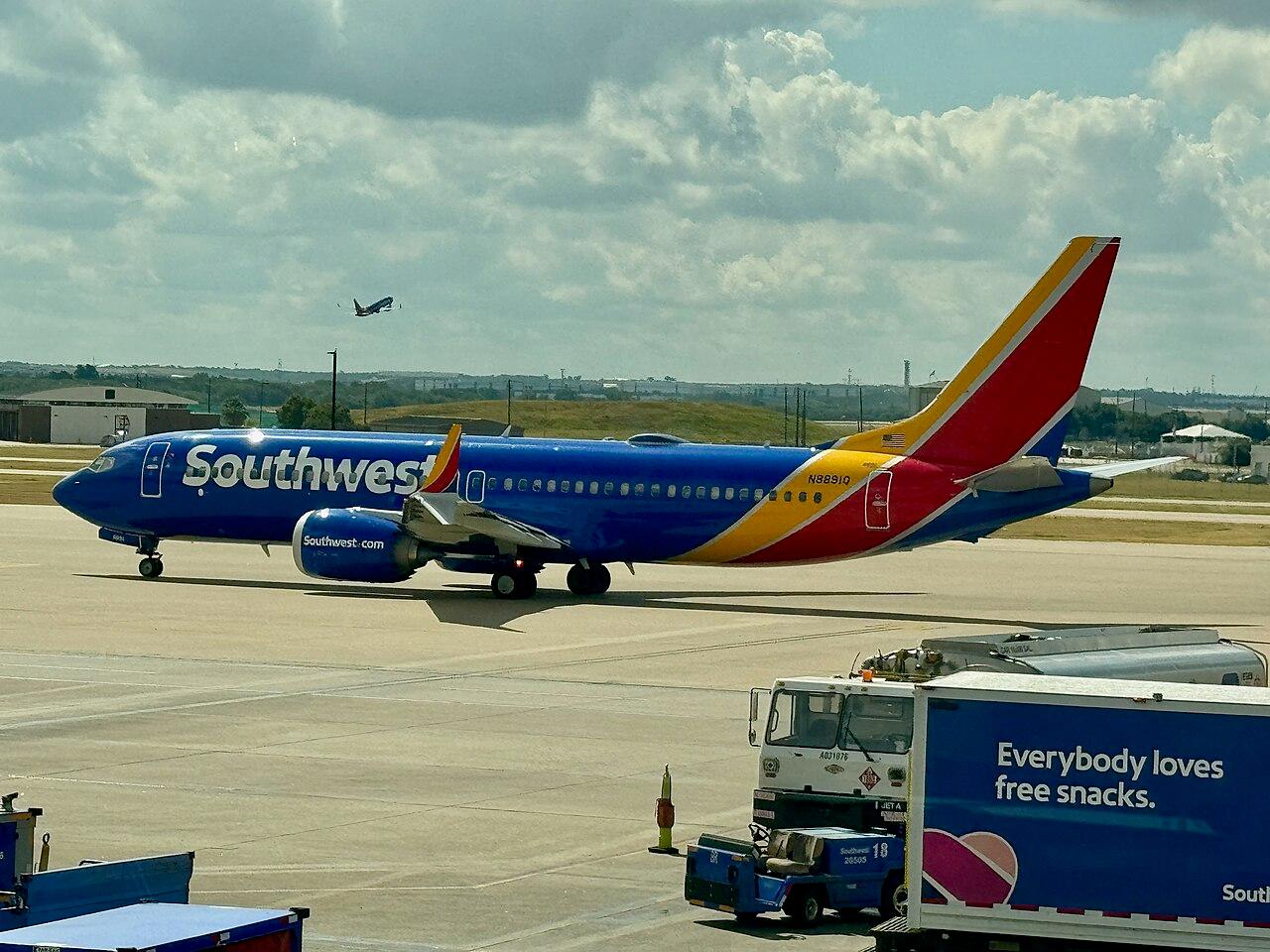
NTSB Finds Storm-Damaged Southwest 737 MAX Flew 44 Times Before Dutch Roll Accident
Investigators said a missed post-storm inspection and a flawed maintenance test allowed a Southwest Boeing 737 MAX with tail damage to keep flying until a Dutch roll accident.

Safety Gaps Persist at Reagan National Nearly Two Years After Midair Collision, Academies Find
A congressionally requested National Academies report says the FAA and Army still fall short on spotting and managing collision risk at KDCA and urges a safety review before any more flights are added.
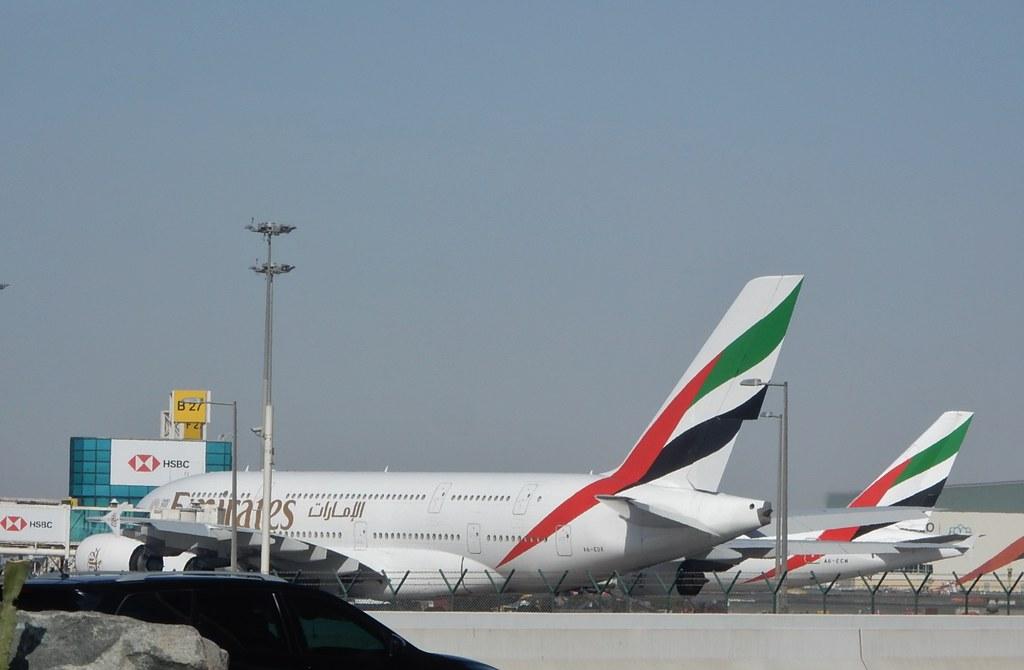
UK Tells Travellers to Dubai and Gulf to Keep Departure Plans Under Review After Iranian Drone Strikes
The Foreign Office reissued its Middle East warning after Iranian drones targeted U.S. bases in Kuwait and Bahrain, telling Britons, including transit passengers at Dubai, to expect cancellations and airspace closures.
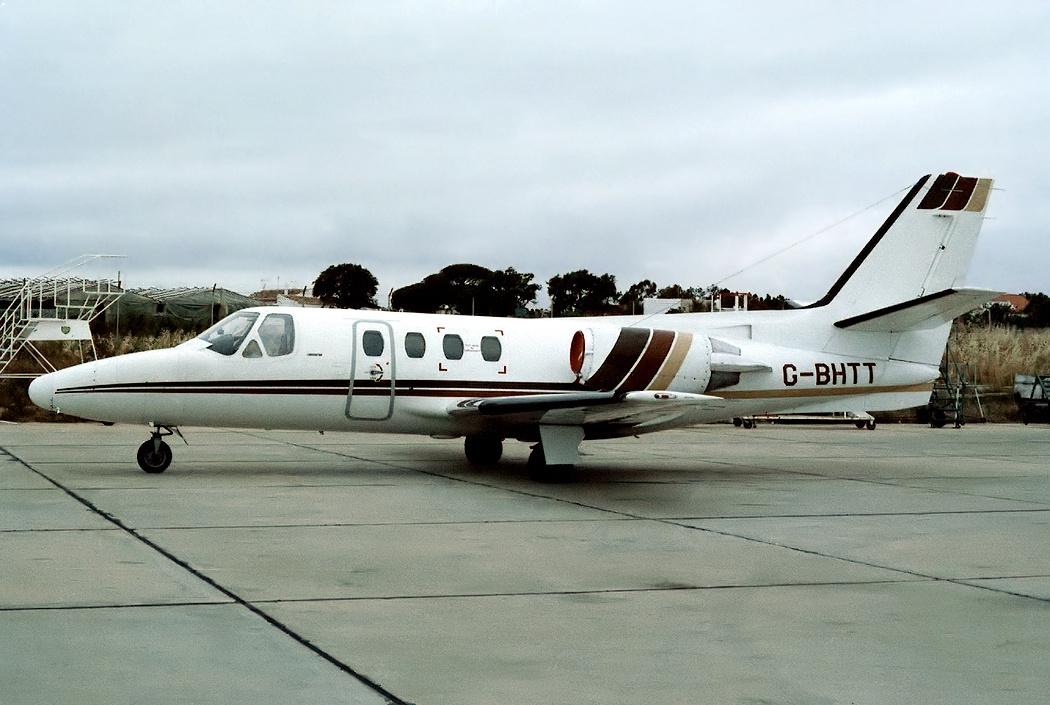
Cessna 500 Bound for Toluca Crashes Near Durango Airport Runway; Pilot's Death Confirmed
A private Cessna 500 came down about 500 metres from the end of runway 03 at Durango's Guadalupe Victoria International Airport on November 17, and conflicting early figures leave the full toll unsettled.
The Daily Touch & Go
The day's best aviation news in your inbox. Free, no spam.