

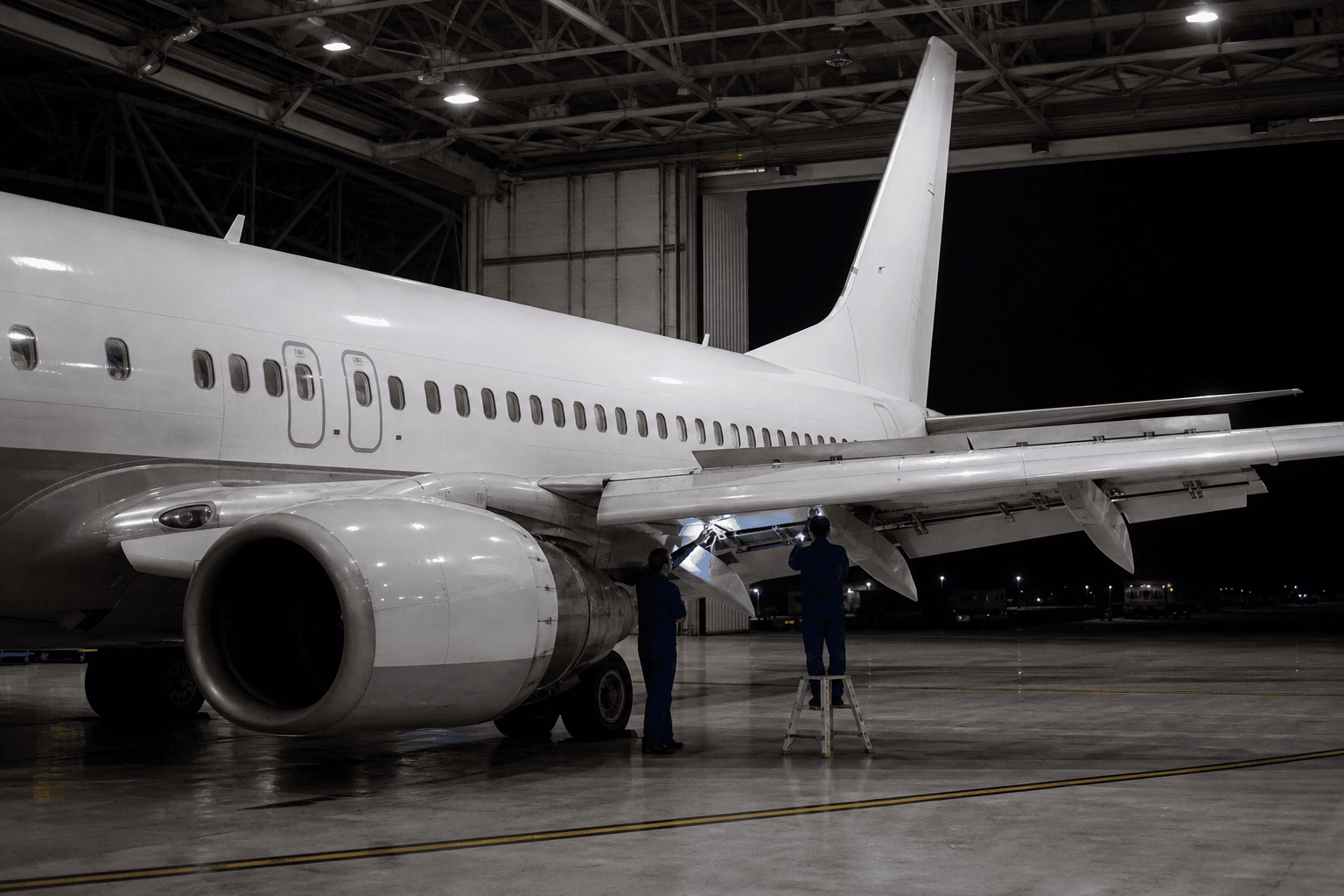
AI-generated illustration
FAA Orders Checks on 300 Boeing 737NGs Over Thrust Split Monitor Spoiler Data Flaw
An emergency airworthiness directive requires repeated tests of digital flight control systems on older 737NGs whose autothrottle safety monitor may fail to activate.
The gist
The FAA is forcing tests on 300 pre-2003 Boeing 737NGs after Boeing found wiring that could stop the autothrottle thrust split monitor from working.
Continuing coverage
All Faa →- Safety Gaps Persist at Reagan National Nearly Two Years After Midair Collision, Academies Find
- Paragon Flight Training Wins First FAA Authorization to Give Check Rides to Outside Students
- American Airlines 737 Carrying Senator Ashley Moody Shuts Down Engine, Diverts to Orlando
- Lawmakers Strike Deal to Require ADS-B In on Civil Aircraft After Potomac Midair Collision
- UPS 767 and Copa 737 Collide on Intersecting Taxiways at Miami International
The US Federal Aviation Administration has ordered airlines to test about 300 Boeing 737NG aircraft after Boeing identified a wiring issue that could stop a key autothrottle safety feature from activating. The airworthiness directive, published on 18 November, covers a group of 737-600s, 737-700s, 737-800s and 737-900s. At issue is the autothrottle cruise thrust split monitor, which is designed to disengage the autothrottle when the engines produce asymmetric thrust. If the monitor fails to act, the FAA said, the result could be a roll that becomes serious unless pilots respond quickly.
The monitor detects asymmetric thrust by looking at two inputs: the disparity in thrust between the engines and the deployment of the spoilers. On the 737NG, the autopilot can deploy spoilers to counter a roll, including a roll caused by uneven thrust. That spoiler movement is one of the cues the monitor uses to decide whether to cut the autothrottle. The FAA order said there is a potential for latent loss of spoiler sensor position data or erroneous spoiler sensor position data, either of which could leave the monitor unable to respond to a large throttle split.
Boeing said it told the FAA in 2025 about a potential problem with wiring in the autothrottle system on 737NGs built before January 2003. The manufacturer said the issue has not been observed in service. Boeing issued an Alert Safety Advisory on 30 October that calls on operators to repeatedly test the digital flight control systems on affected aircraft, and the FAA directive makes those tests mandatory. Boeing said it supports the agency turning its guidance into a requirement.
According to Boeing, each inspection takes about one hour. The problem does not affect the 737 Max or any 737NG built after January 2003, which limits the directive to older airframes in the NG family.
The FAA issued the rule without first taking public comments, the usual step in the rulemaking process. The agency said an unsafe condition justified immediate action. It is now accepting comments for 45 days after publication.
The thrust split monitor has been the subject of regulatory action before, and its failure has been tied to a fatal accident. Indonesian investigators cited delayed activation of the monitor as a contributing factor in the January 2021 upset and crash of a Sriwijaya Air 737-500. That aircraft belonged to the earlier 737 Classic generation rather than the NG.
In 2022, the FAA ordered operators of 737-300s, -400s and -500s to check for spoiler sensor failures that could go undetected by the thrust split monitor. The agency followed in 2024 with another rule addressing concerns about spoilers being unable to reach a required deflection level. The new directive extends scrutiny of the monitor's spoiler inputs to the older end of the 737NG fleet.
Originally reported by FlightGlobal
Read more
All Regulatory →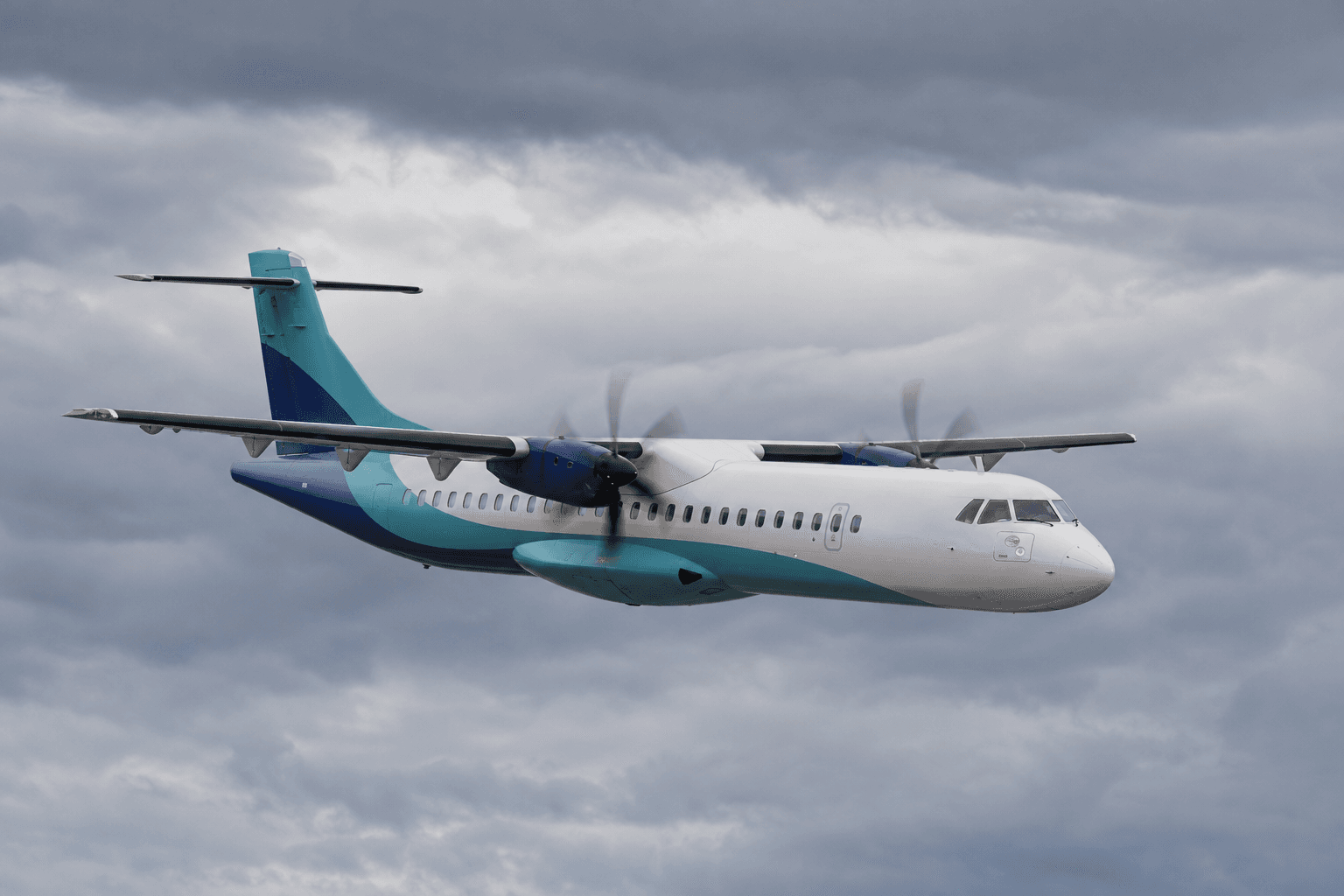
EASA Orders More Frequent ATR 42 and ATR 72 De-Icing Valve Tests to Guard Against Loss of Control
A new airworthiness directive shortens functional test intervals for hot-air valves in the de-icing system on all ATR 42 and ATR 72 turboprops, effective November 30.

FAA Activates Digital Air Traffic Control Towers at Florida and Alaska Airports
FAA has commissioned digital air traffic control towers at Bartow Executive and Kenai Municipal Airports, with five more expected to follow, advancing airport safety and modernization.
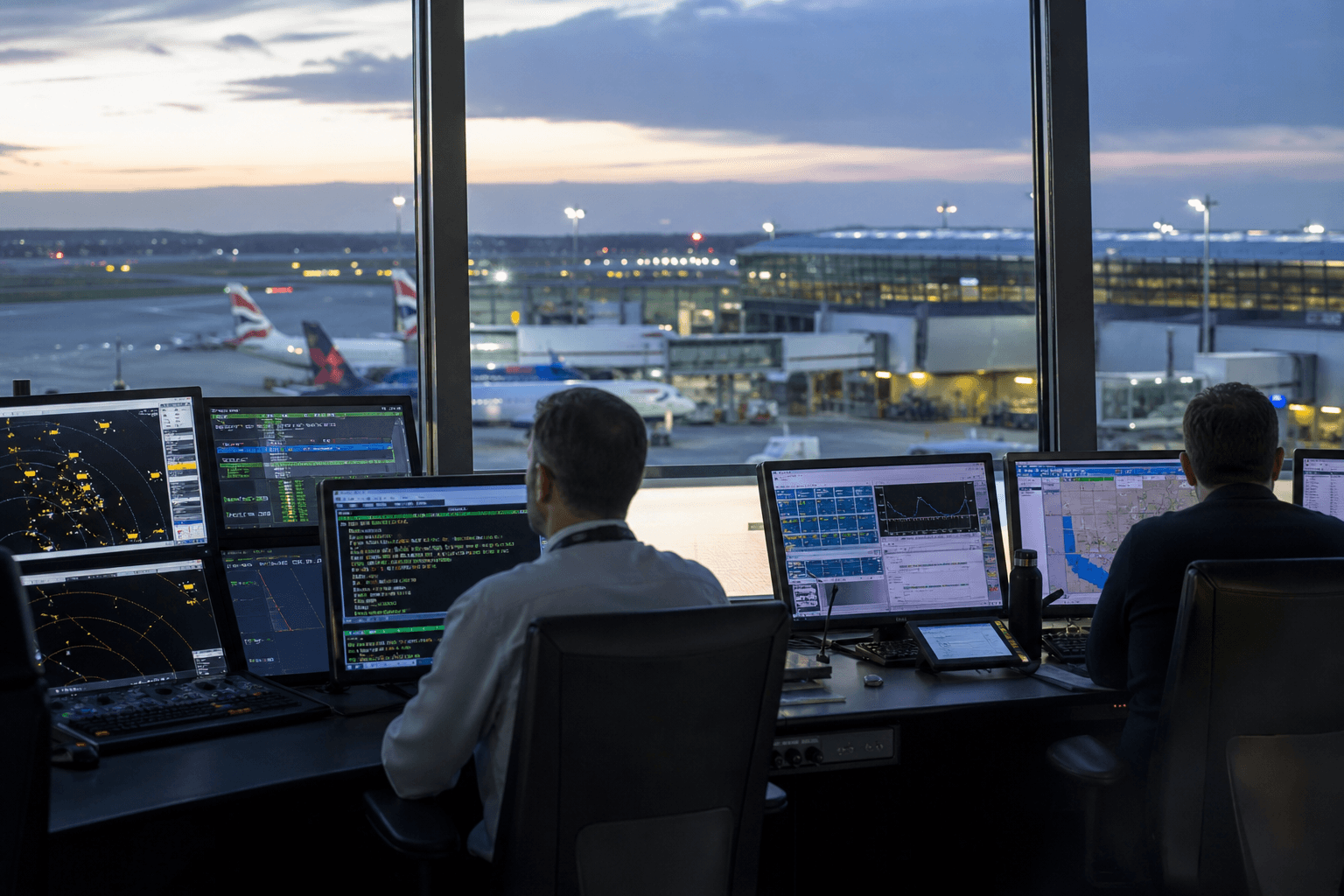
UK CAA Chief Says Cyberattacks, Drones and Bomb Hoaxes Form a Known Playbook Against Aviation
Rob Bishton told an industry audience in London that hybrid tactics targeting airlines are expected, and contrasted the UK's proportionate response to recent bomb hoaxes with more cautious European approaches.
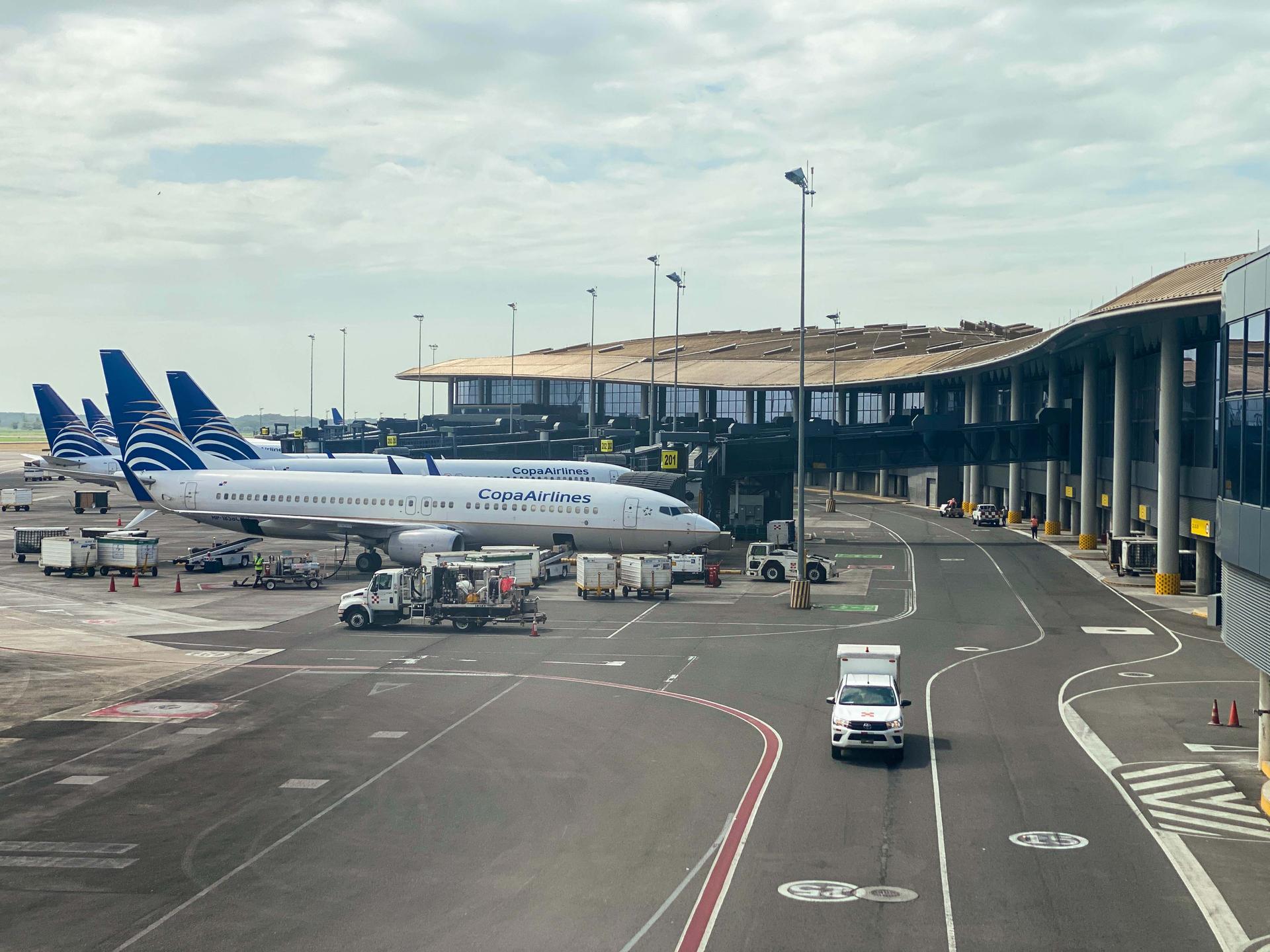
Copa Airlines Cuts 2026 Margin Outlook as Fuel Costs Outpace Its Assumptions
The Panamanian carrier posted a 5.7% rise in third-quarter operating profit to $224 million, but lowered its full-year margin guidance to 16-17% as fuel prices climbed.
The Daily Touch & Go
The day's best aviation news in your inbox. Free, no spam.