

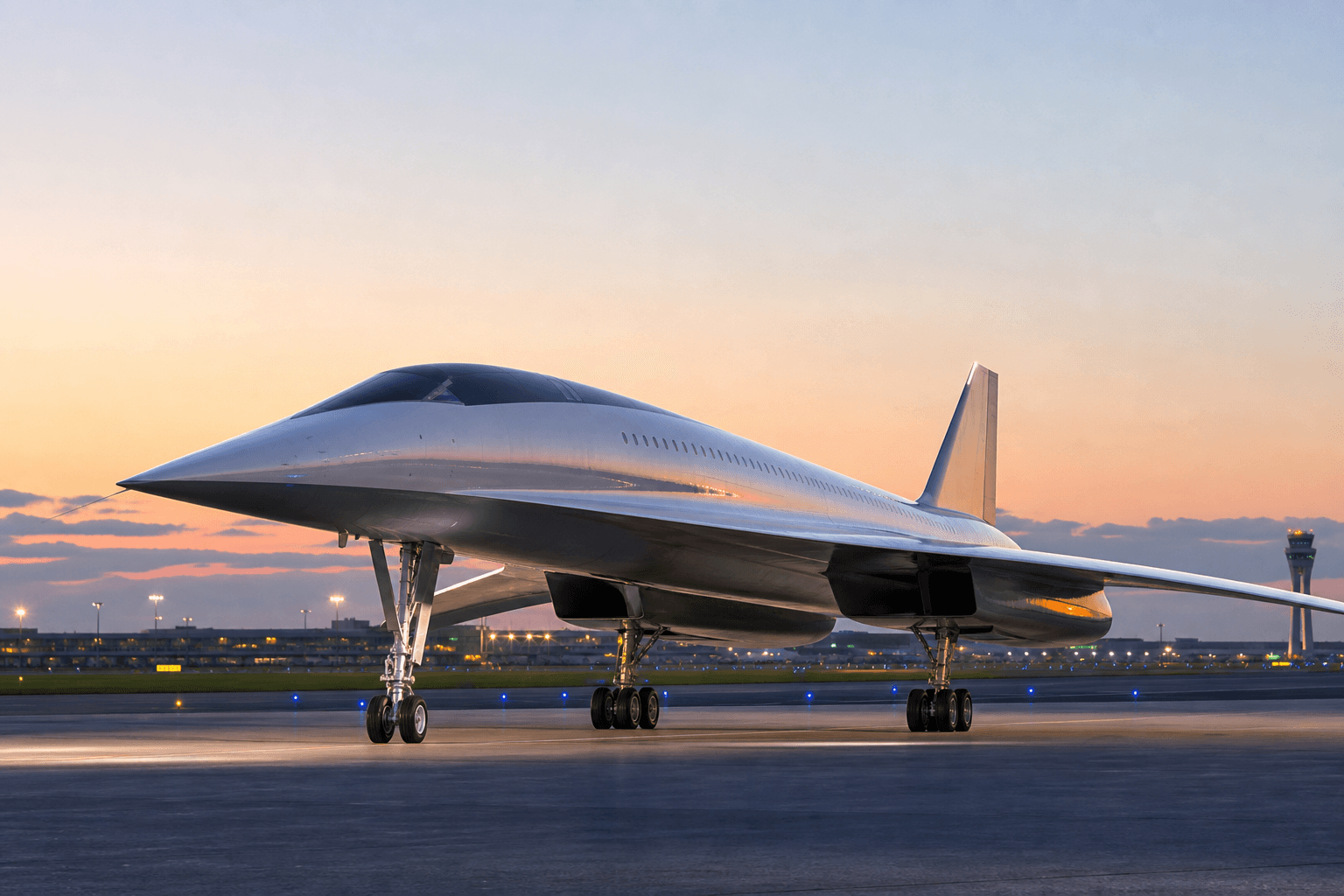
Illustration: The Touch & Go
Boom Supersonic Targets 2029 Launch for Overture Despite Key Challenges
Boom Supersonic aims to start passenger flights with its Overture supersonic jet by 2029 but faces unresolved technical and regulatory hurdles.
The gist
Boom Supersonic is focused on debuting its Overture by 2029, though significant obstacles remain.
Boom Supersonic has set an ambitious goal of launching passenger service with its Overture supersonic aircraft by 2029. The company envisions transforming air travel with speeds faster than existing commercial jets, promising to cut transoceanic flight times dramatically. However, despite these bold plans, crucial technical challenges and regulatory compliance issues have yet to be fully addressed.
The Overture is designed to fly at Mach 1.7 and accommodate between 55 to 75 passengers, aiming to revive supersonic passenger travel since Concorde’s retirement. Boom claims the aircraft will be more efficient and environmentally considerate than its predecessor, focusing on sustainable aviation fuel and reduced sonic booms. Nevertheless, to meet certification standards and passenger safety requirements by 2029, Boom must solve complex engineering problems and demonstrate regulatory conformity.
Development of the Overture involves overcoming hurdles such as noise regulations, particularly around sonic booms, which have historically limited supersonic flight paths over populated areas. Additionally, the long pipeline from prototype to commercial certification includes rigorous testing phases that often reveal unanticipated delays. Boom needs to secure engine partnerships and finalize aerodynamic designs tailored toward efficiency and regulatory acceptance.
The company is also in the process of securing orders and partnerships with airlines interested in operating the Overture, but the commercial success depends on proving operational viability and cost-effectiveness compared to subsonic aircraft. As the timeline tightens, Boom must accelerate its research and testing programs to meet 2029 ambitions without compromising safety or performance standards.
Looking ahead, the Overture project represents a significant technological leap with the potential to redefine air travel speed and passenger experience. Stakeholders will be watching Boom's progress closely to see if it can navigate the remaining technical and regulatory hurdles in time to initiate passenger flights as promised. The next few years will be critical for clarifying the timeline and confirming the aircraft’s market readiness.
Read more
All Technology/eVTOL →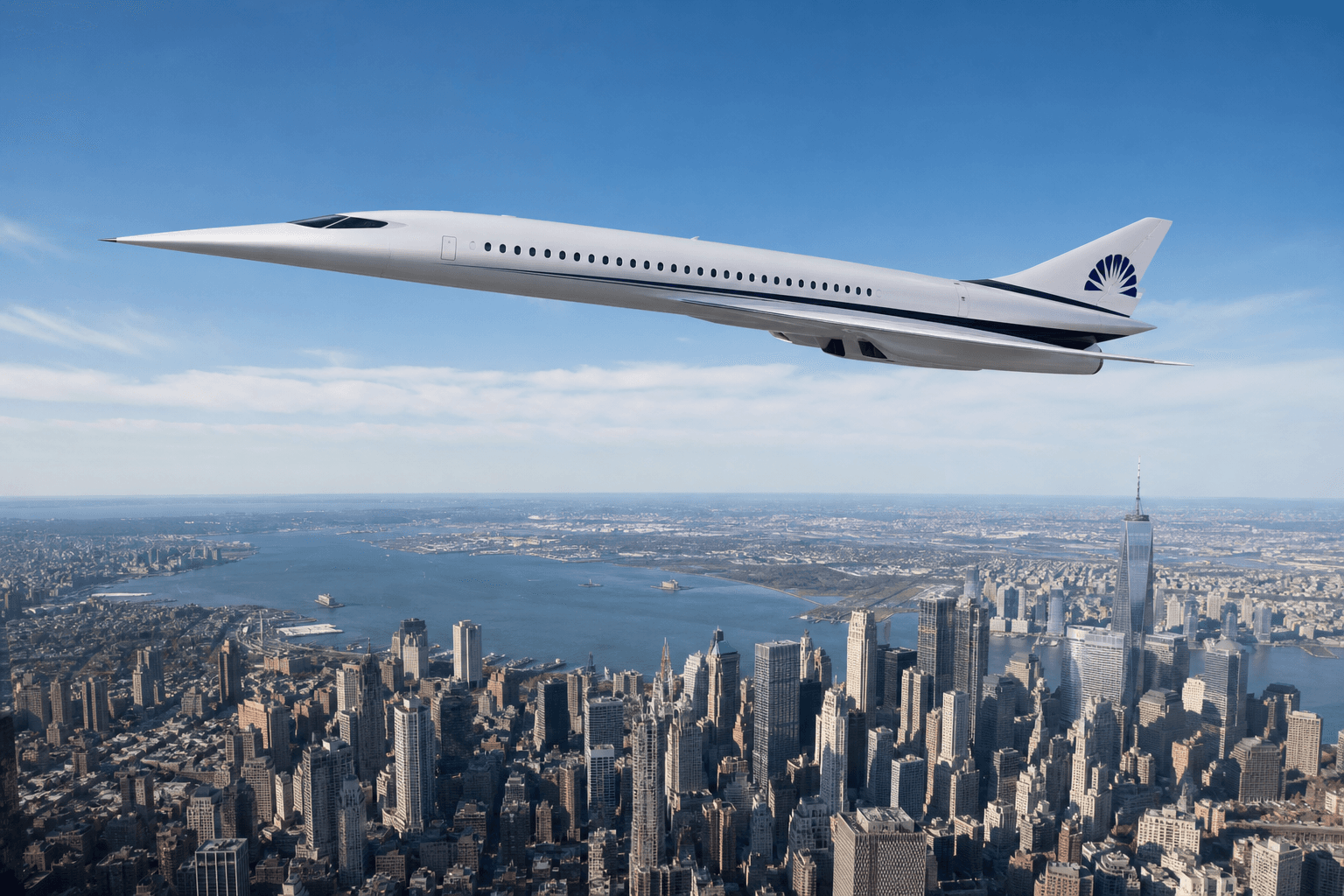
FAA Proposes New Noise Rules To Enable Civil Supersonic Flights Over Land
The agency has launched rulemaking aimed at allowing next-generation supersonic aircraft to operate over land under new noise standards.
GE Aerospace taps Dowty's propeller expertise to advance open-fan RISE demonstrator
UK propeller manufacturer’s expertise is seen as critical to informing design of open-fan demonstrator. GE Aerospace has highlighted the growing involvement of UK subsidiary Dowty in the CFM International RISE open-fan technology demonstrator programme, with the propeller maker's design and industrial know-how seen as increasingly critical to the effort. Arjan Hegeman, vice-president of future flight…
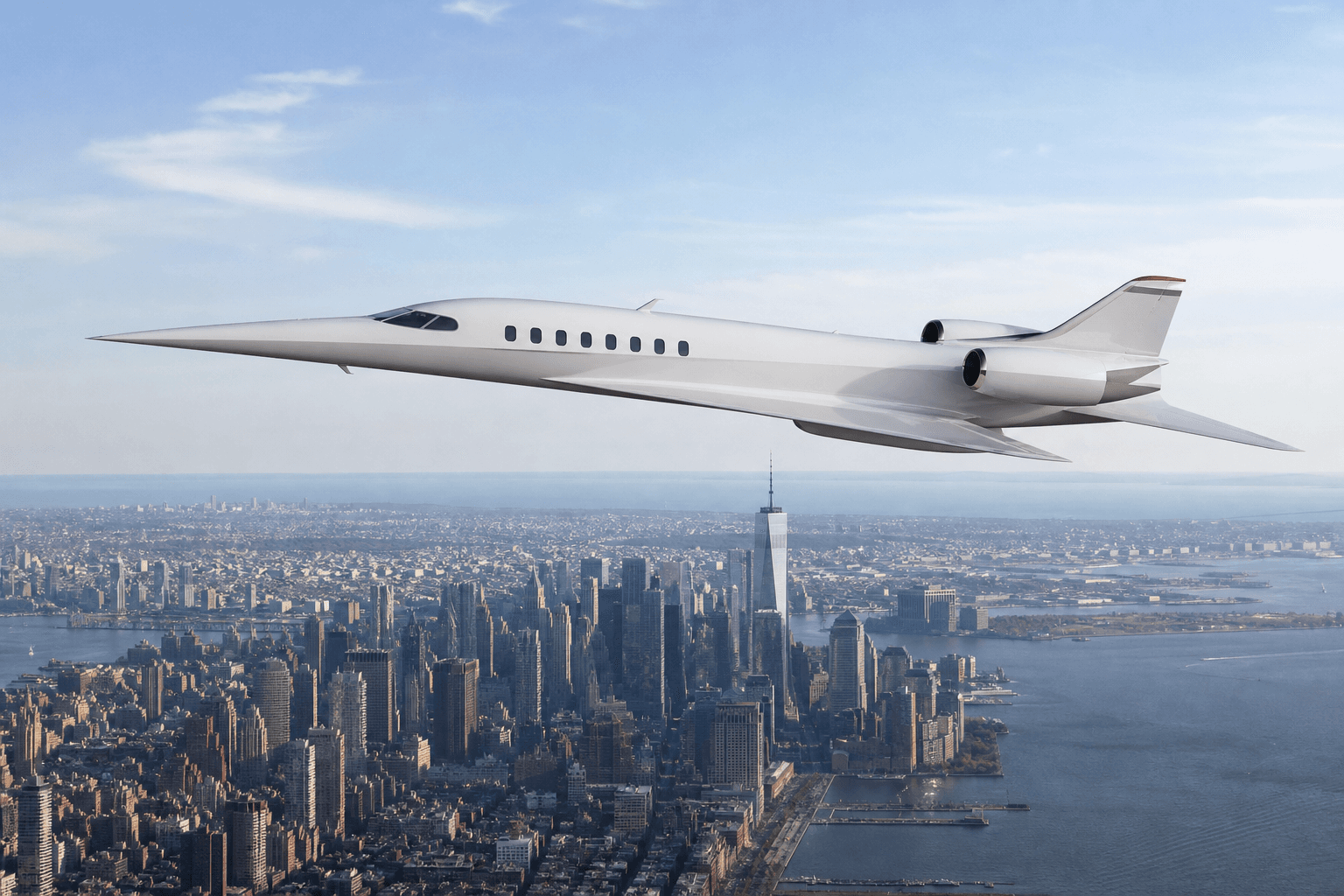
FAA proposes lifting 53-year ban on civilian supersonic overland flight with new noise standards
The rule sets an allowable noise standard that should allow for supersonic flight when in the “mach cut-off” regime. The Federal Aviation Administration has proposed repealing the USA’s long-standing ban on civilian overland supersonic flight and adopting new “noise-based” standards it says could allow a new era of supersonic air travel. The FAA “is taking…
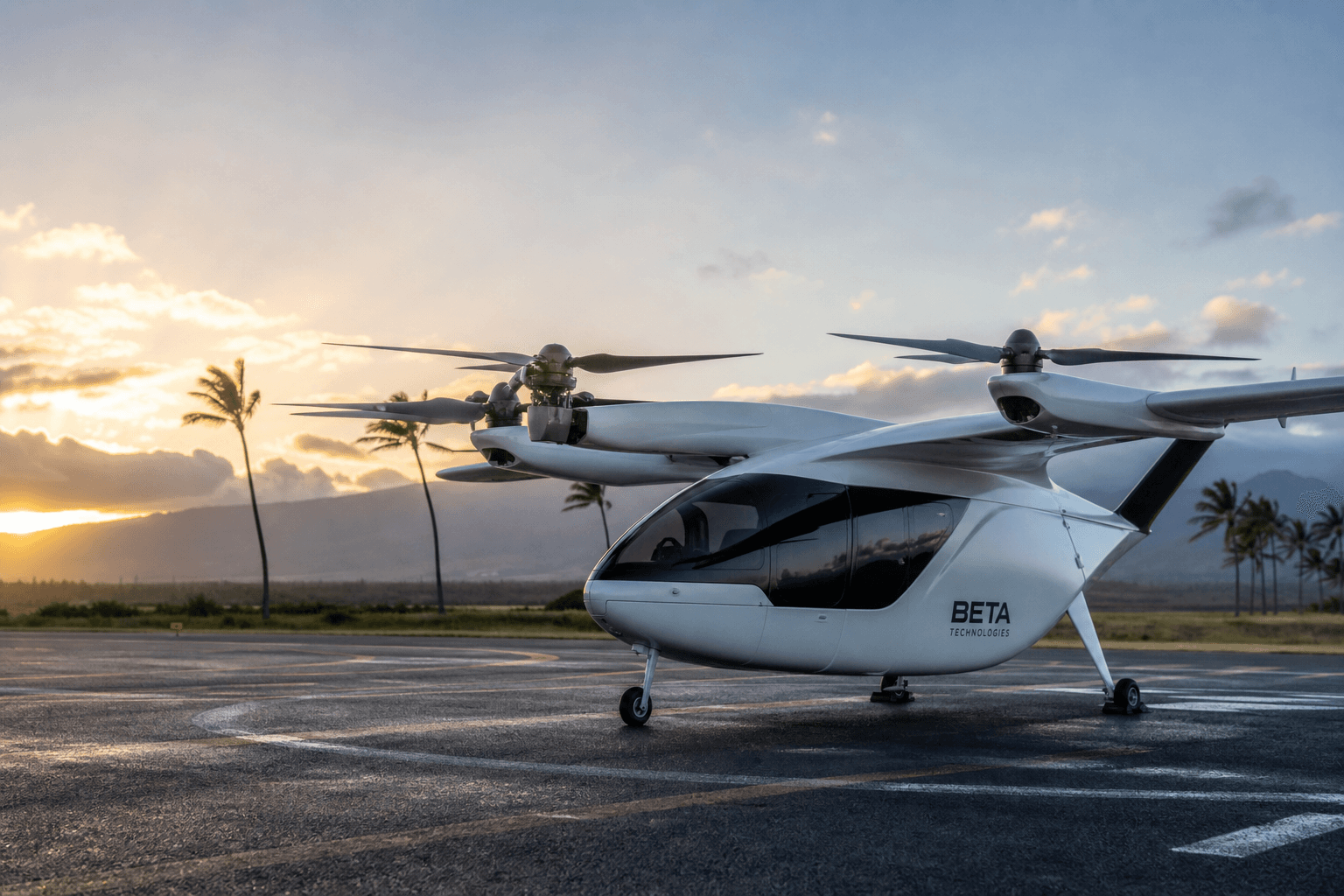
Electric Aircraft Begin Multi-Island Trial Flights in Hawaii
Beta Technologies, Surf Air Mobility, and Hawaiian Airlines begin a six-to-eight-week electric aircraft trial.
The Daily Touch & Go
The day's best aviation news in your inbox. Free, no spam.