

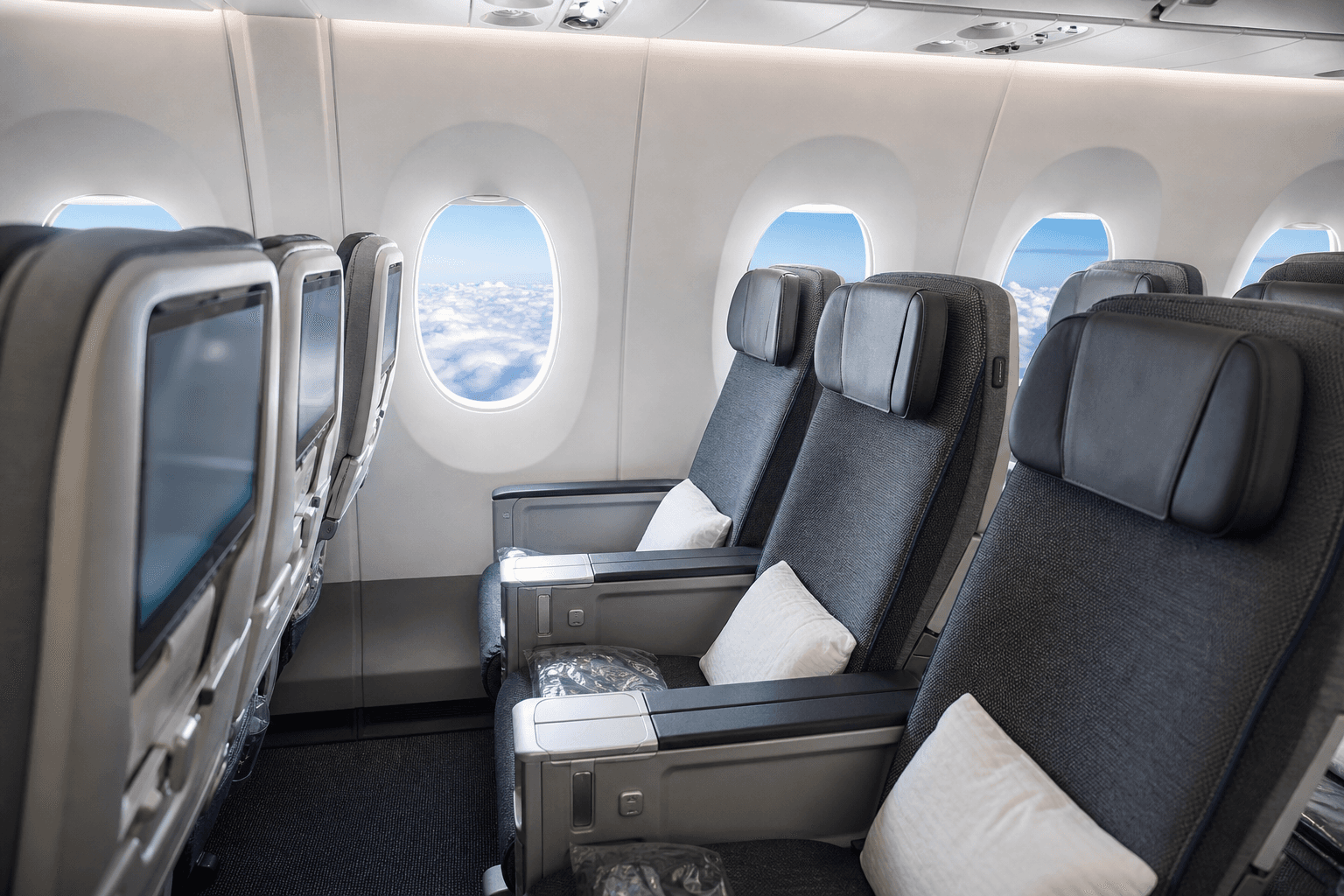
AI-generated illustration
Premium Economy Seats Surging in Popularity with Enhanced Comfort and Amenities on Long-Haul Flights
Premium economy offers passengers significant upgrades over economy class including more space and better service, fueling its rapid growth on long-haul airline routes.
The gist
Premium economy grows fast as travelers pay extra for roomier seats and improved service without full business class prices.
Premium economy seating has emerged as a highly sought-after choice on long-haul international flights, bridging the gap between economy and business class. Airlines such as Delta Air Lines, Lufthansa, Emirates, and British Airways have incorporated premium economy cabins that provide substantially greater comfort and amenities at prices typically below those of business class.
Seat pitch and width are the most tangible improvements premium economy offers over standard economy. Where economy seats commonly offer 30 to 32 inches of pitch, premium economy seats typically feature 38 to 40 inches, adding seven to nine inches of legroom. In width, premium economy seats range from 18.5 to 19.5 inches compared to around 17 to 18 inches in economy. Some seats also offer enhanced recline and adjustable head, calf, and footrests, critical features during overnight flights lasting 8 to 12 hours.
Certain airlines have introduced advanced premium economy products featuring innovative designs for passenger comfort. Lufthansa’s Allegris seats offer 39 inches of pitch and a fixed-shell design that enables reclining without disturbing seatmates. Emirates and Cathay Pacific provide seats with up to 40 inches pitch for even more legroom, signaling increasing investment in this cabin class.
Beyond physical space, premium economy passengers enjoy elevated soft products. Upgrades often include enhanced meal service with meals on proper tableware, a broader selection of beverages, amenity kits, noise-canceling headphones, and larger inflight entertainment screens with additional power outlets. Airlines may also provide priority check-in and boarding and larger checked baggage allowances, though lounge access is generally not included.
Emirates, for example, enhances premium economy offerings with upgraded dining and entertainment options. Lufthansa’s Allegris includes wireless charging and additional storage, reflecting airlines’ efforts to distinguish premium economy as a unique travel experience rather than just a slightly roomier economy seat.
Price-wise, premium economy fares are typically 30% to 100% higher than economy. This variation depends on airline, route, and booking timing. A recent analysis of British Airways’ transatlantic routes showed premium economy fares averaging about €3,181 ($3,516), roughly one-third of the business class prices which averaged €9,587 ($10,596) during peak travel periods. Choosing premium economy translates to significant savings while delivering improved comfort and service.
The trend toward expanding premium economy seats is influencing aircraft cabin configurations, often leading airlines to reduce standard economy seating. This shift reflects growing customer demand for affordable comfort on long-haul journeys without the premium pricing of business class.
With passenger willingness to pay for premium economy rising, airlines are increasingly investing in dedicated cabins and differentiated service levels. This cabin class is set to become a standard part of long-haul fleet offerings as airlines balance capacity, yield management, and evolving customer expectations.
Originally reported by Simple Flying
Read more
All Airlines →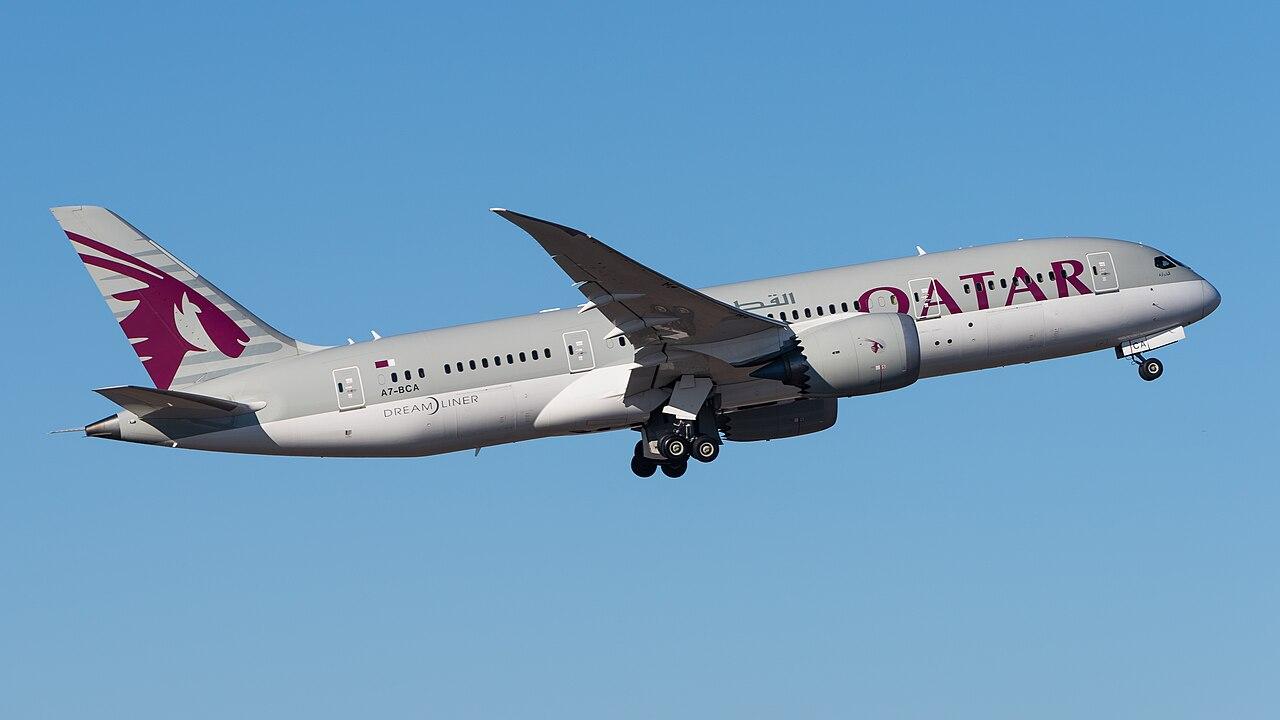
Boeing 787 Revolutionizes Flight Safety with Integrated Electronic Checklists
The Boeing 787 Dreamliner replaces traditional paper checklists with an interactive electronic system integrated into its flight deck, enhancing pilot efficiency and alert response.
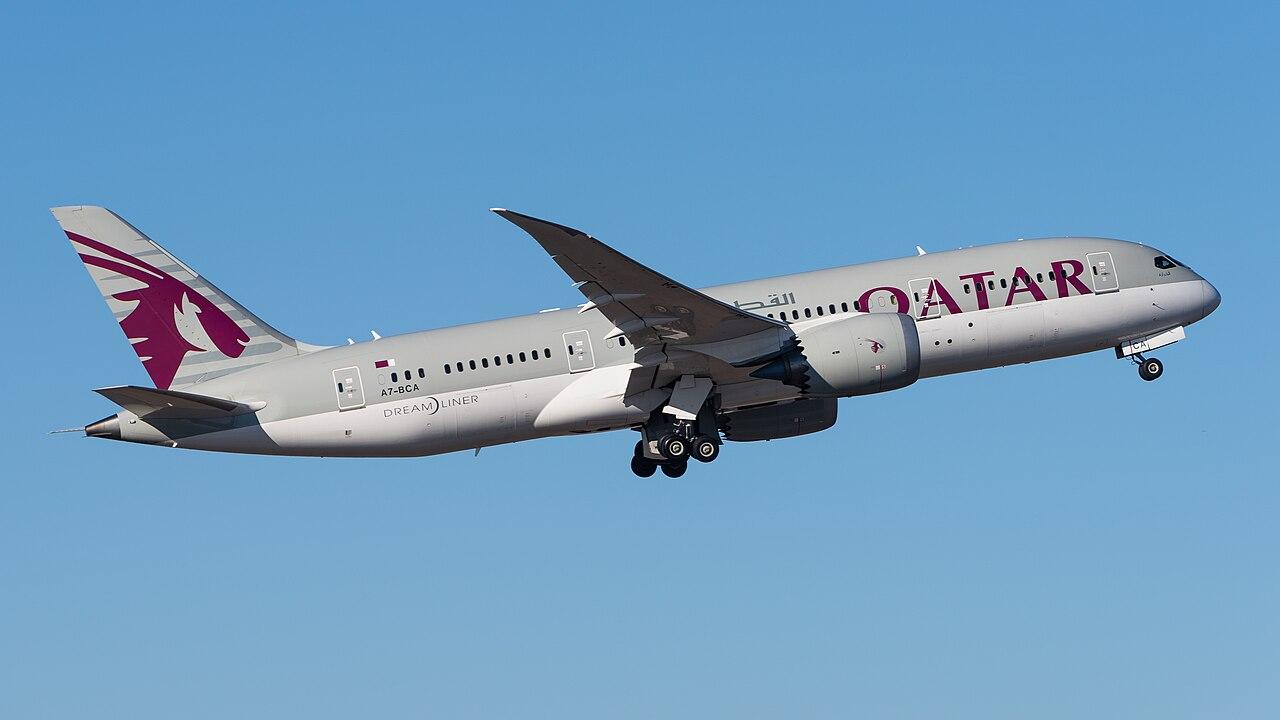
Etihad Unveils Papaya-Orange McLaren Livery on Boeing 787-10 to Celebrate Racing Partnership
Etihad Airways debuts a Boeing 787-10 in McLaren Racing's signature papaya orange livery to mark their new partnership and shared innovation values.
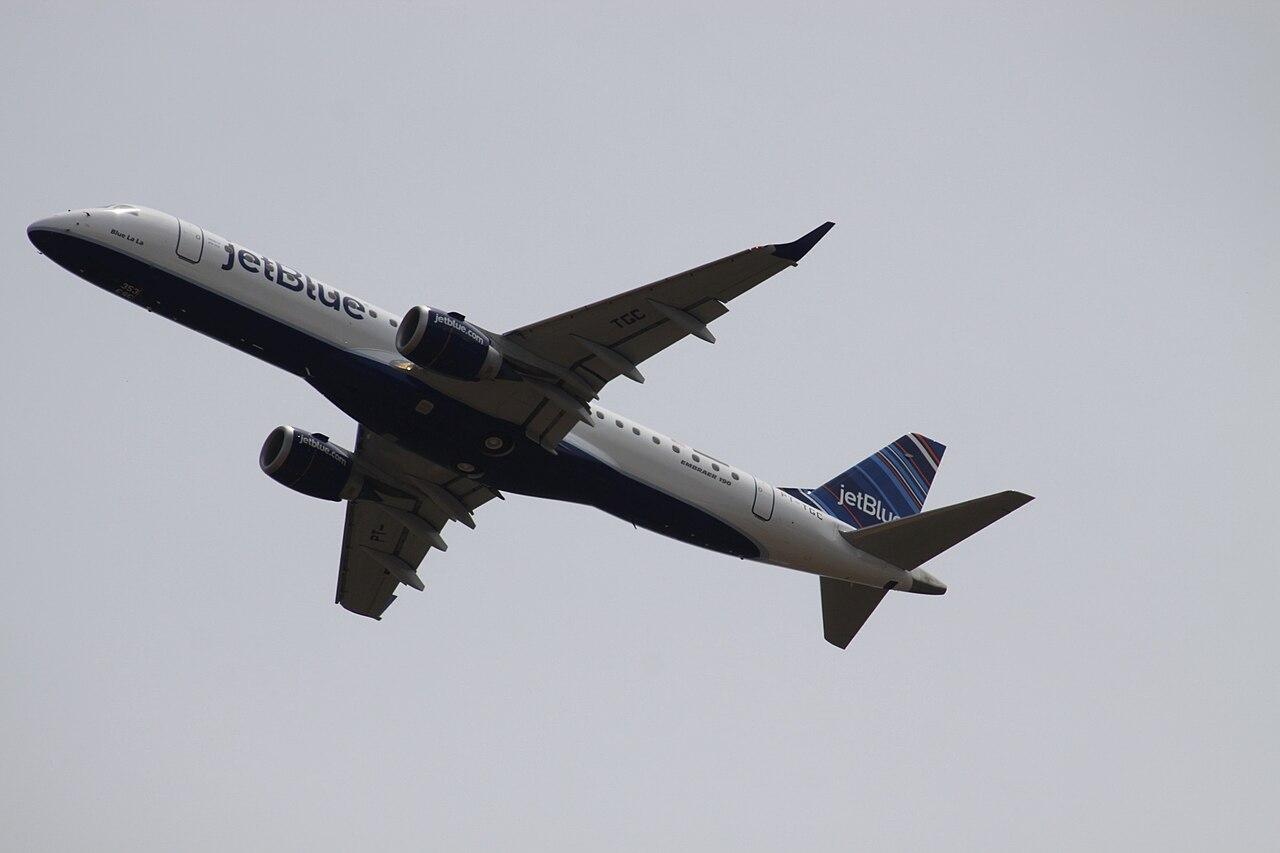
JetBlue Eliminates 35 Routes Including 22 Domestic and 13 International in 2026 Cuts
JetBlue has dropped 35 routes from its network, with no flights scheduled beyond October 2026 on those markets, reflecting shifting priorities in its domestic and international schedule.
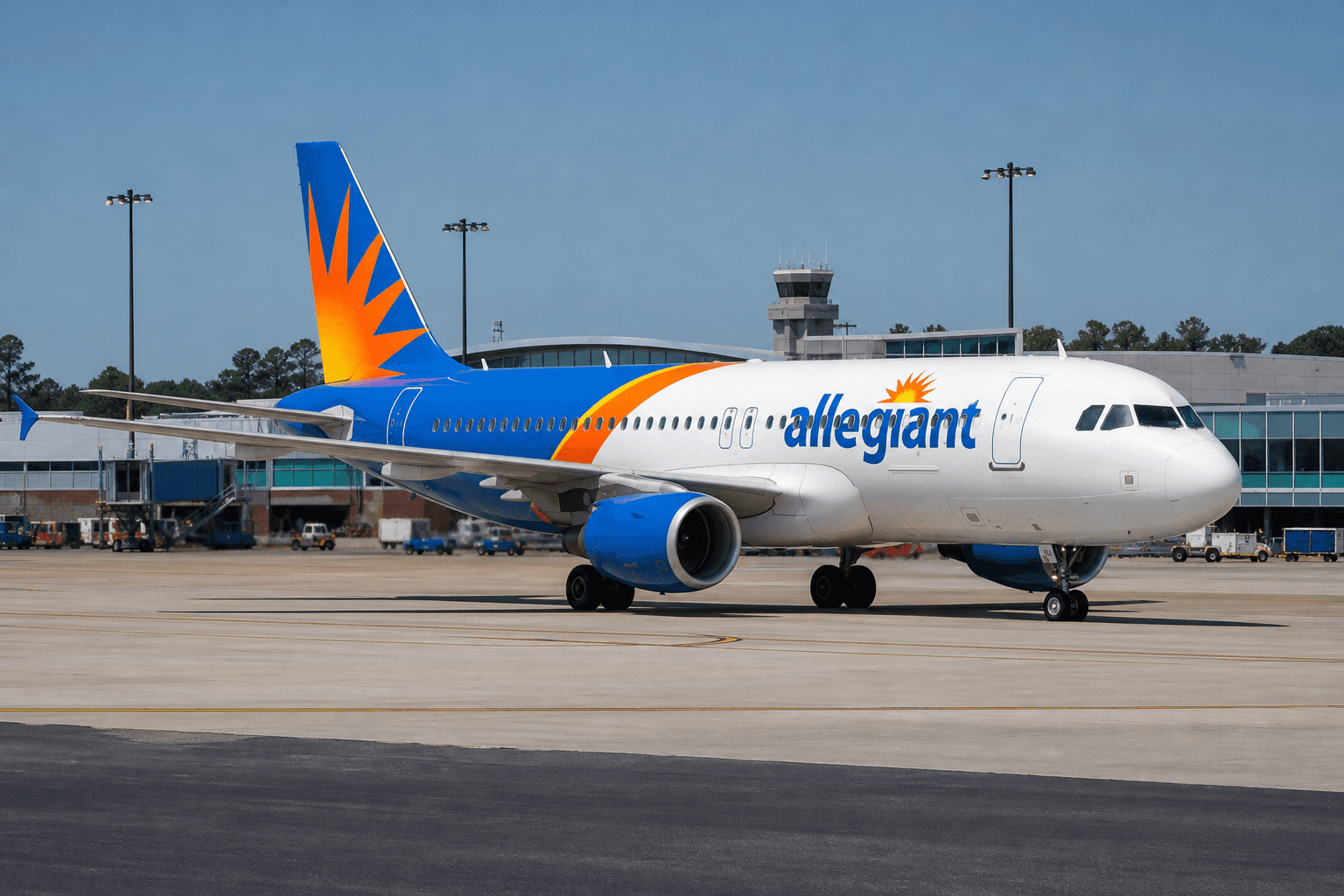
Allegiant Air Cuts 13 Myrtle Beach Routes Including Atlantic City and Midwest Cities
Allegiant Air is ending 13 routes to Myrtle Beach from nine states, reducing flights by 31% through mid-2027 amid shifting network focus.
The Daily Touch & Go
The day's best aviation news in your inbox. Free, no spam.