

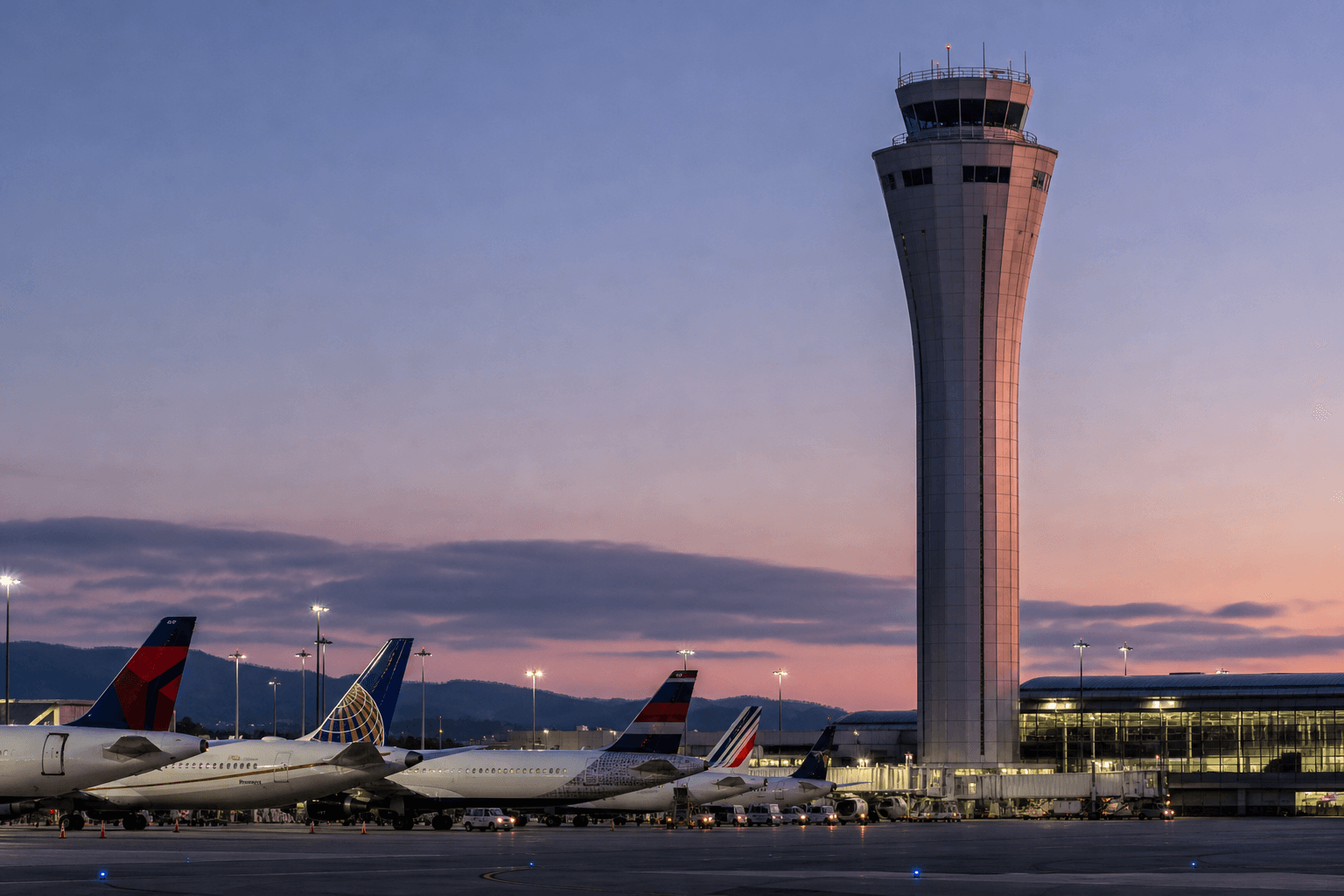
AI-generated illustration
FAA Ground Stop Sparks Confusion as Leadership Seeks $50 Billion for Modernization
Transportation Secretary Duffy and Homeland Security Secretary Mullin held a press briefing after the longest nationwide flight ground stop since 9/11, citing outdated infrastructure and conflicting causes while requesting major funding.
The gist
FAA officials sought $50 billion for air traffic control upgrades following a massive flight ground stop caused by overloaded equipment and system updates.
Continuing coverage
All Faa →- FAA Ends Nationwide Ground Stop After Air Traffic Control System Outage
- FAA Orders Nationwide Ground Stop as Air Traffic Control Communications Fail
- FAA Grounds All U.S. Flights in Widespread Air Traffic Control Outage
- FAA Attributes Nationwide Ground Stop to Aging Telecom Equipment, Rules Out AI Involvement
- FAA Issues Nationwide Ground Stop Due to Air Traffic Control Communications Failure
On the evening following an unprecedented nationwide ground stop that lasted more than four hours—the most significant since 9/11—Transportation Secretary Sean Duffy and Homeland Security Secretary Markwayne Mullin provided the first official briefing on the events that grounded US flights. Their remarks outlined a narrative blaming the aging air traffic control system while simultaneously requesting an expansive $50 billion investment for modernization efforts.
The ground stop, which was implemented abruptly, triggered disruption across the aviation sector, affecting thousands of passengers and flights. While the official cause remained under investigation at the time, leadership presented the incident as a symptom of systemic infrastructure issues, emphasizing the urgent need for upgrades to prevent such future occurrences.
Secretary Mullin praised the crisis management under the Trump administration, framing the response as a model of leadership and coordination. He asserted that the government acted swiftly and decisively, ensuring public safety despite the operational paralysis. His tone, however, drew criticism for sounding self-congratulatory amid an ongoing investigation and widespread public frustration.
Meanwhile, Secretary Duffy focused on Congressional funding, repeating claims that the administration had been requesting comprehensive financing for air traffic modernization for over a year. He sought to characterize the $12.5 billion already authorized by Congress in July 2025 as merely a 'down payment' and demanded an additional $30 to $50 billion for system-wide upgrades. This request came despite the Republican Party controlling both the executive and legislative branches during this period, raising questions about the delay in funding allocation.
Details on the technical failure were inconsistent between the two officials. Duffy explained that the outage stemmed from network switches becoming overloaded with data, leading to system inconsistencies that necessitated a shutdown. He highlighted that some newer equipment installed recently did not fail, blaming legacy hardware for the disruption. Conversely, Mullin suggested that the recent installation of new technology might have overwhelmed the older system, implying that upgrades contributed to the failure. This contradictory narration underscored uncertainty about the root cause.
Press questions exposed further ambiguities. When queried about how a single equipment issue could incapacitate the national system, Duffy refrained from specifying, stating the investigation was ongoing. Attempts to attribute responsibility to Congress were met with Duffy’s defensive response, indicating a sensitive political atmosphere over funding debates. Throughout, the administration offered no expression of regret or apology to affected travelers, contrasting with the gravity of the nationwide disruption.
Observers noted the striking lack of direct communication addressing passengers’ inconvenience or acknowledging the seriousness of the system failure. Instead, the briefing was dominated by political messaging and advocacy for increased budgets, coupled with praise for the administration's crisis response. The absence of accountability or clear technical explanations raised concerns about transparency and effective leadership in aviation infrastructure management.
This incident spotlighted the critical vulnerabilities in the existing US air traffic control system, long recognized for its outdated technology. The FAA’s ongoing modernization efforts appear insufficiently funded and possibly hampered by complexity in integrating new equipment with legacy systems. The ground stop serves as a stark reminder of the risks posed by such disjointed infrastructure in the world’s busiest aviation market.
Originally reported by One Mile at a Time
Read more
All Regulatory →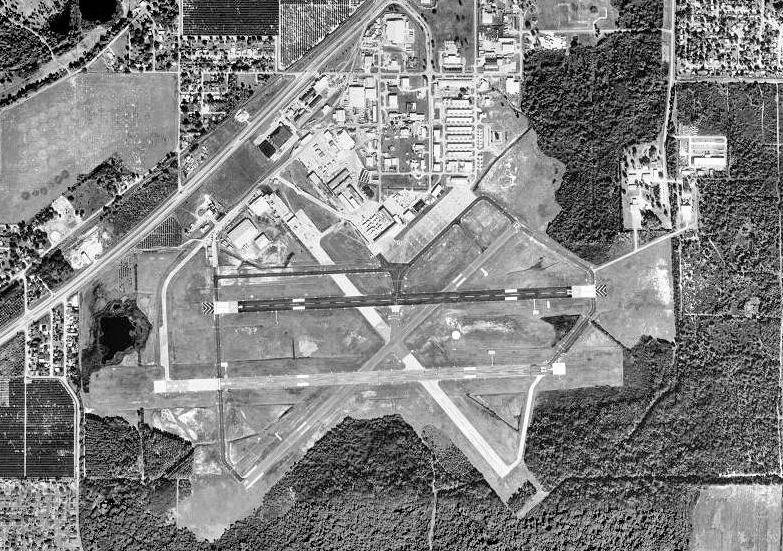
FAA puts digital air traffic control towers into operation at Florida and Alaska airports
New digital air traffic control towers now serve Bartow Executive and Kenai Municipal Airports, with five more planned to enhance safety and modernize monitoring.
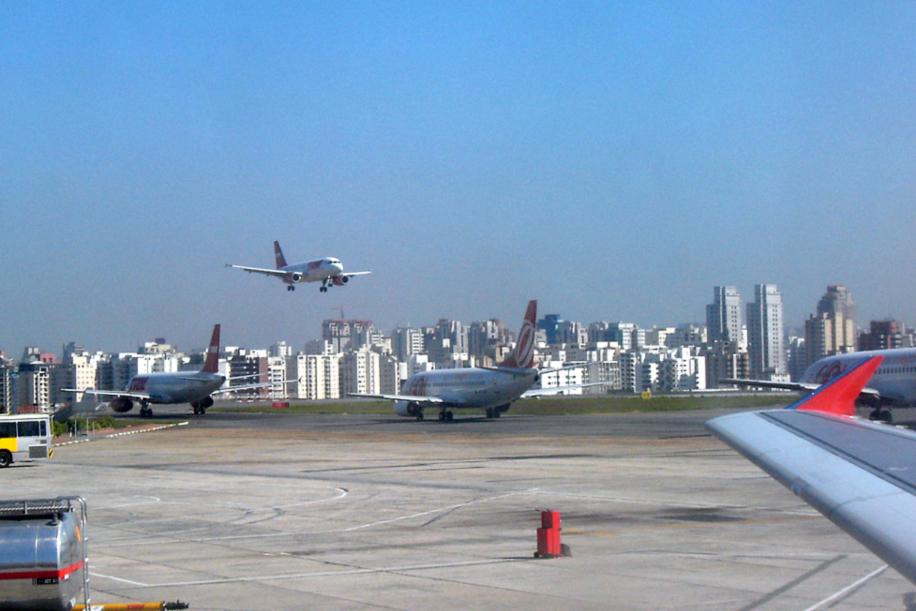
Airlines Extend Scheduled Flight Times to Improve On-Time Stats Despite Costs
To boost on-time arrival rates, airlines schedule flights with longer block times accounting for ground delays and congestion, despite increased operational costs.
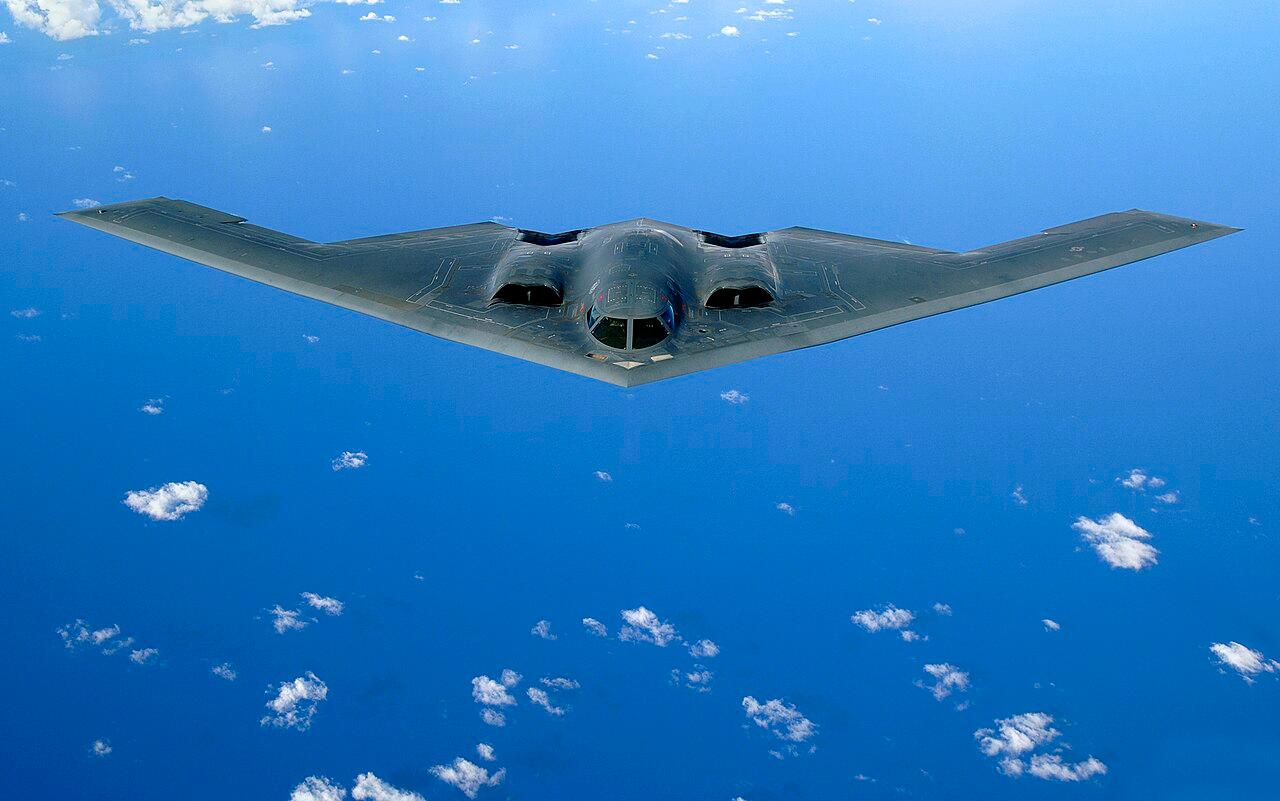
Northrop B-2 Spirit Bomber Balances Stealth and Subsonic Speed for Global Reach
The B-2 Spirit combines a flying wing design with stealth features and high subsonic speed to achieve intercontinental strike missions with precision payloads.

FlyExclusive Expands Fleet and Services by Integrating Fly Alliance Aircraft
FlyExclusive announces a strategic agreement to provide flight operations, management, and maintenance services for Fly Alliance's fleet, enhancing long-range and large-cabin offerings while maintaining Fly Alliance's brand identity.
The Daily Touch & Go
The day's best aviation news in your inbox. Free, no spam.