


Image: Julian Herzog ( Website ) · CC BY 4.0 · via Wikimedia Commons
Boeing 787 Revolutionizes Flight Safety with Integrated Electronic Checklists
The Boeing 787 Dreamliner replaces traditional paper checklists with an interactive electronic system integrated into its flight deck, enhancing pilot efficiency and alert response.
The gist
The 787’s built-in electronic checklist system links alerts and procedures digitally, improving pilot workflow and safety in routine and abnormal flights.
The Boeing 787 Dreamliner introduces a modern approach to cockpit procedures by incorporating electronic checklists directly into its digital flight deck displays. This integration consolidates flight data, navigation, system indications, and alert information, enabling pilots to interact with checklists electronically instead of relying solely on printed pages. Electronic checklists provide a structured sequence of procedures accessible through the flight deck's multifunction displays, streamlining operations during both routine and unexpected situations.
The electronic checklist system on the 787 offers access to normal checklists that govern standard flight phases alongside non-normal checklists designed for abnormal or emergency conditions. When the aircraft detects a situation warranting special attention, associated alerts prompt the system to display relevant checklists on demand. This capability reduces the time pilots spend searching through paper manuals and ensures immediate connection between alerts and the correct procedural response.
A critical feature of Boeing's electronic checklist is the distinction between closed-loop and open-loop items within checklists. Closed-loop steps receive direct confirmation from aircraft sensors or systems, allowing the checklist to update automatically when an action is completed, such as a switch being placed correctly or a system status being met. Conversely, open-loop steps require pilots to manually confirm that an action has been performed, often involving judgment calls or observational tasks not detectable by onboard sensors.
The shift from paper to electronic checklists addresses longstanding challenges inherent in managing printed procedures. Paper checklists demand that pilots manually locate and maintain their page during potentially distracting and high-workload situations, making it easier to lose their place or skip steps inadvertently. The electronic system guides pilots through checklists sequentially, visually tracking completed items and reducing errors associated with page handling or interruptions, which is especially valuable during abnormal flight events.
This electronic system on the 787 is not an isolated innovation but rather the culmination of Boeing's decades-long development of integrated cockpit automation. Beginning with early iterations in the Boeing 777, electronic checklists have evolved to become more sophisticated and interconnected with aircraft alerting systems. The 787 leverages this experience by embedding enhanced checklist functionality into its advanced digital flight deck environment, reinforcing the aircraft’s reputation as a tech-forward airliner.
Although electronic checklists improve procedural adherence and crew workload management, Boeing maintains that paper checklists still play a supplementary role. Paper versions serve as a reliable backup independent of electronic systems and provide an additional safety layer in case of electronic display failures or unusual circumstances. Pilots are trained to operate both systems, ensuring versatility and robustness in checklist usage.
During non-normal operations, the electronic checklist’s ability to link alerts directly with recommended procedures significantly aids flight crews. Pilots can choose from multiple checklists associated with simultaneous alerts, thereby prioritizing and navigating complex situations more methodically. The system’s design helps preserve situational awareness and lessens the cognitive burden during critical phases by integrating and instrumenting essential procedural steps.
Overall, Boeing’s integration of electronic checklists into the 787 flight deck exemplifies the broader shift toward digital system integration in modern commercial aircraft. It enhances pilot interaction with operational tasks, supports compliance with safety protocols, and contributes to more effective management of in-flight emergencies. This design prioritizes clarity, efficiency, and accuracy in checklist execution, underscoring Boeing’s commitment to advancing flight deck technology and safety.
Originally reported by Simple Flying
Read more
All Airlines →
CAU Flight Team Rises to Top 10 Nationally, Emphasizing Safety and Pilot Competencies
The CAU Flight Team reached a top 10 national finish at NIFA Safecon and integrates Boeing's CBTA training to develop well-rounded commercial pilots.
Citi Strata Elite Card Delivers High Value with 75K Bonus Points and $1200 First-Year Credits
The Citi Strata Elite Card offers a premium package featuring 75,000 bonus points after $6,000 spend and up to $1,200 in annual travel credits in its first year.
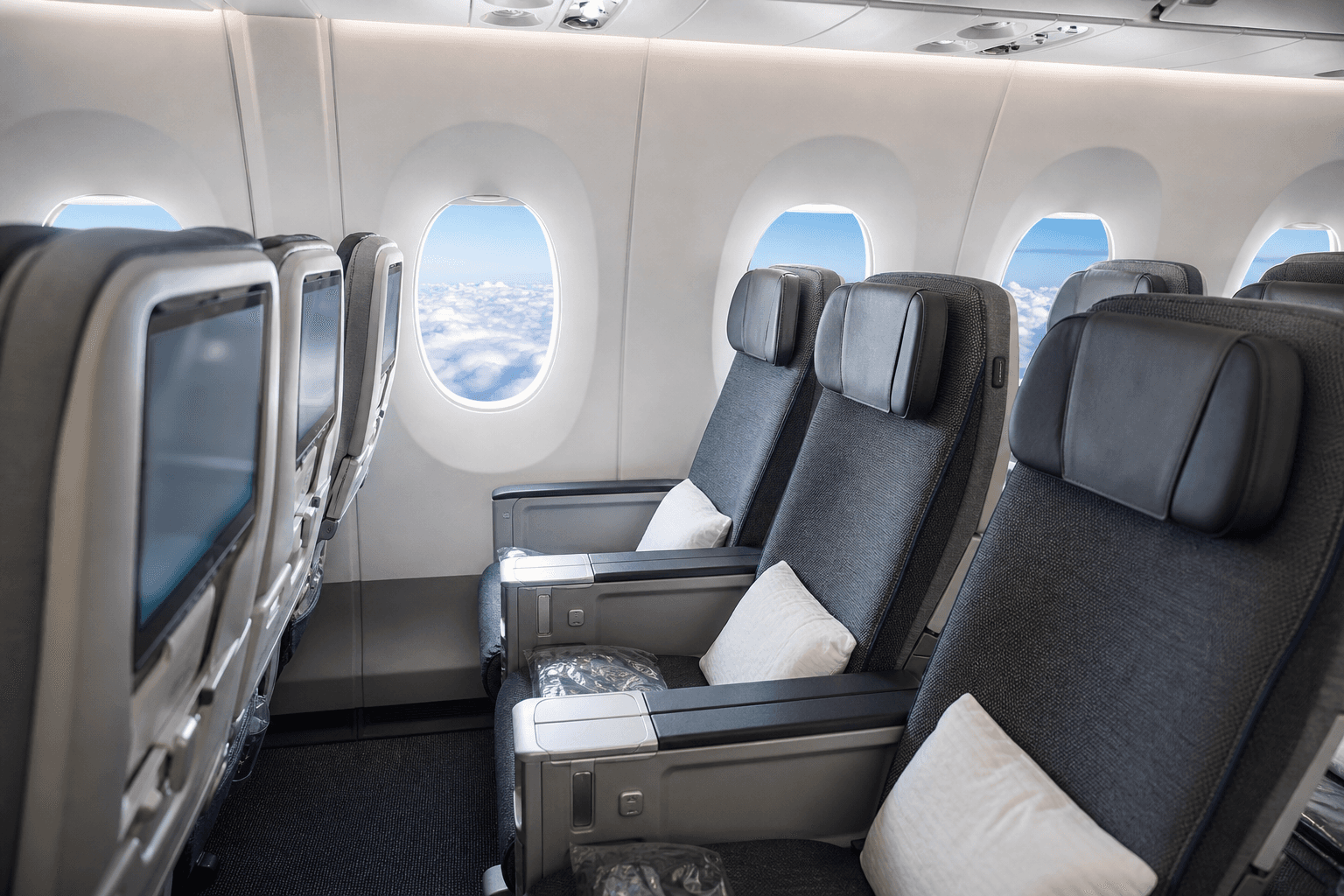
Premium Economy Seats Surging in Popularity with Enhanced Comfort and Amenities on Long-Haul Flights
Premium economy offers passengers significant upgrades over economy class including more space and better service, fueling its rapid growth on long-haul airline routes.

JetBlue Eliminates 35 Routes Including 22 Domestic and 13 International in 2026 Cuts
JetBlue has dropped 35 routes from its network, with no flights scheduled beyond October 2026 on those markets, reflecting shifting priorities in its domestic and international schedule.
The Daily Touch & Go
The day's best aviation news in your inbox. Free, no spam.