

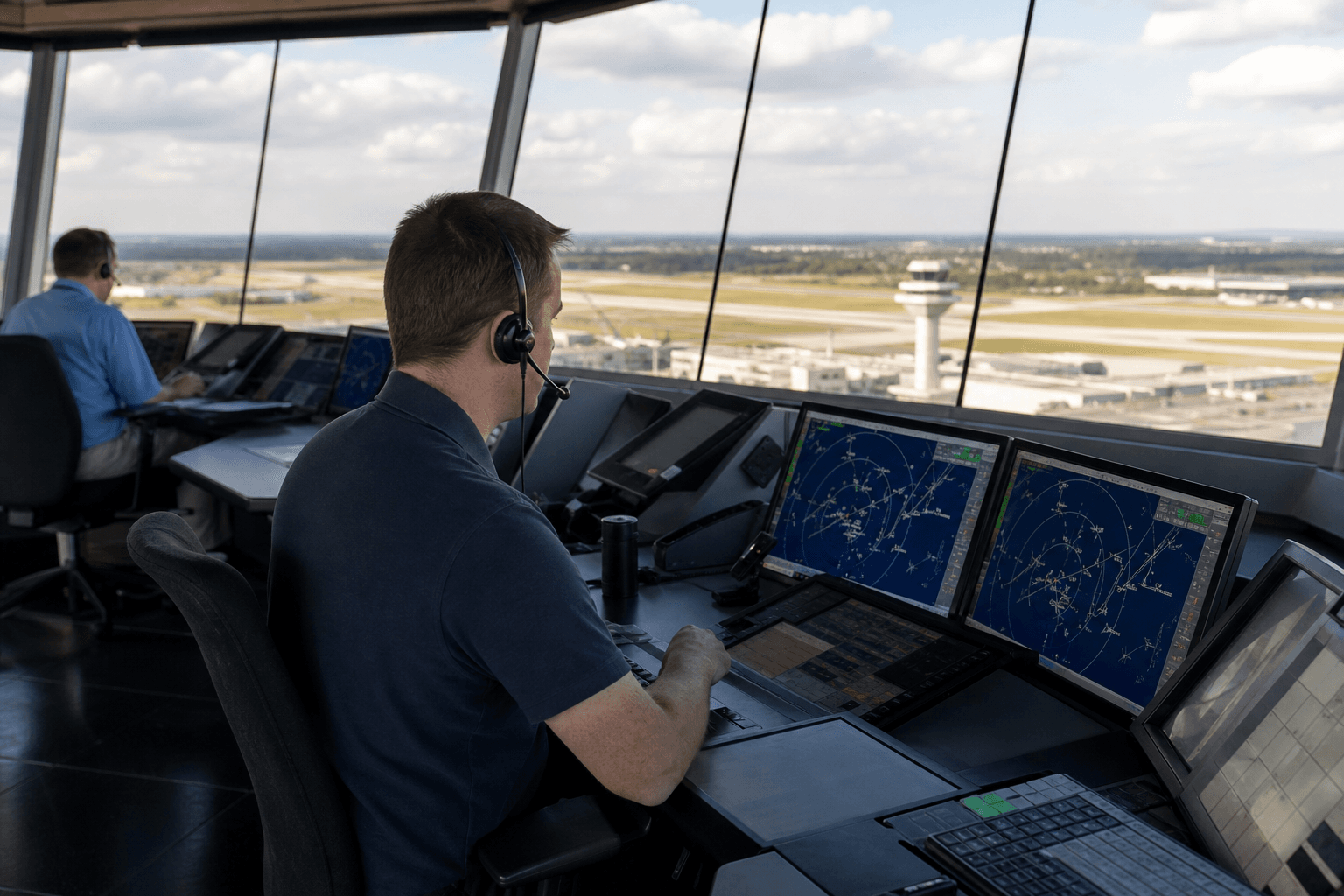
AI-generated illustration
FAA Orders Nationwide Ground Stop as Air Traffic Control Communications Fail
The FAA halted all departures at U.S. airports after a communications outage disrupted air traffic control centers, leaving planes grounded with no set restart time.
The gist
A nationwide FAA ground stop grounded all U.S. airport departures due to a critical air traffic control communications failure.
Continuing coverage
All Faa →- FAA Ground Stop Sparks Confusion as Leadership Seeks $50 Billion for Modernization
- FAA Ends Nationwide Ground Stop After Air Traffic Control System Outage
- FAA Grounds All U.S. Flights in Widespread Air Traffic Control Outage
- FAA Attributes Nationwide Ground Stop to Aging Telecom Equipment, Rules Out AI Involvement
- FAA Issues Nationwide Ground Stop Due to Air Traffic Control Communications Failure
On November 13, 2026, the Federal Aviation Administration (FAA) issued a nationwide ground stop ordering a halt to all departing flights at every airport in the United States. This unprecedented move came after a widespread failure in air traffic control communications affected multiple centers across the country. The ground stop directive came with no announced timeline for resumption, placing thousands of flyers on hold during a peak travel afternoon before the weekend.
According to the FAA’s national ground stop advisory issued at 3:54 p.m. Eastern, all departing traffic must remain grounded until further notice. The notice emphasized extraordinary circumstances and safety concerns as the rationale for the order. Inbound international flights were stated to be managed individually on a case-by-case basis, allowing arriving aircraft to continue operations while departures remained halted.
The source of the disruption was identified by the FAA as an equipment outage affecting all Air Route Traffic Control Centers (ARTCCs). These centers are responsible for managing en route air traffic between airports. Transportation Secretary Sean Duffy confirmed that technicians are investigating the communication issue impacting every ARTCC. Flight crews received cockpit messages instructing them to stand by for updates as the situation unfolded.
Prior to the nationwide stop, isolated failures were reported at key centers including Boston, New York, and Chicago, with some approach control frequencies and sectors unable to accept traffic. Airports like Chicago O’Hare and Midway proactively implemented ground stops before the FAA extended the halt nationwide. Aviation observers noted that backup communication systems on the East Coast also appeared to fail simultaneously, adding complexity to the outage.
A potential root cause was identified by media sources citing unnamed individuals who point to a software upgrade as triggering the failure. Within aviation forums, controllers reported unusual activity on radio and landline frequencies, with some experiencing random ‘hot’ signals indicating system instability. Others described the incident as a communications breakdown between en route facilities, a critical link for maintaining safe airspace control.
This event marks one of the most significant nationwide aviation interruptions since January 2023, when a separate FAA system failure resulted in a nationwide ground stop due to lost safety notices. Longstanding challenges with aging FAA technology infrastructure were again evident, as the agency continues to operate many analog radios and decades-old voice switching equipment. Critics have long highlighted deferred maintenance and underfunding as contributors to vulnerabilities in air traffic systems.
In response to rising technological and capacity needs, the FAA recently requested $30.1 billion in aviation funding from Congress, including $10.1 billion aimed at modernizing air traffic control systems. Prior investments totaling $12.5 billion have been supplemented by planned upgrades to replace thousands of legacy radios and telecommunications sites. However, these capital plans have yet to fully resolve persistent equipment failures that can cascade into operational crises.
The immediate impact of the halt is extensive flight delays and cascading disruptions beyond the initial ground stop. Aircraft held on the tarmac may miss connecting flights and crew duty time limits, complicating schedules. Airlines and passengers face a backlog that could extend into the following days as flights slowly restart and repositioning occurs. The FAA’s investigation into the precise causes of the system failure remains ongoing while technicians work to restore normal communications capacity.
Originally reported by View From The Wing
Read more
All Regulatory →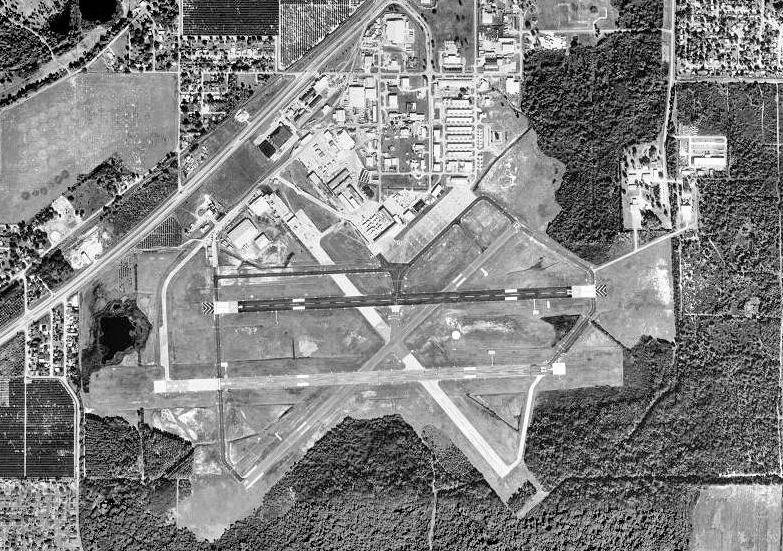
FAA puts digital air traffic control towers into operation at Florida and Alaska airports
New digital air traffic control towers now serve Bartow Executive and Kenai Municipal Airports, with five more planned to enhance safety and modernize monitoring.
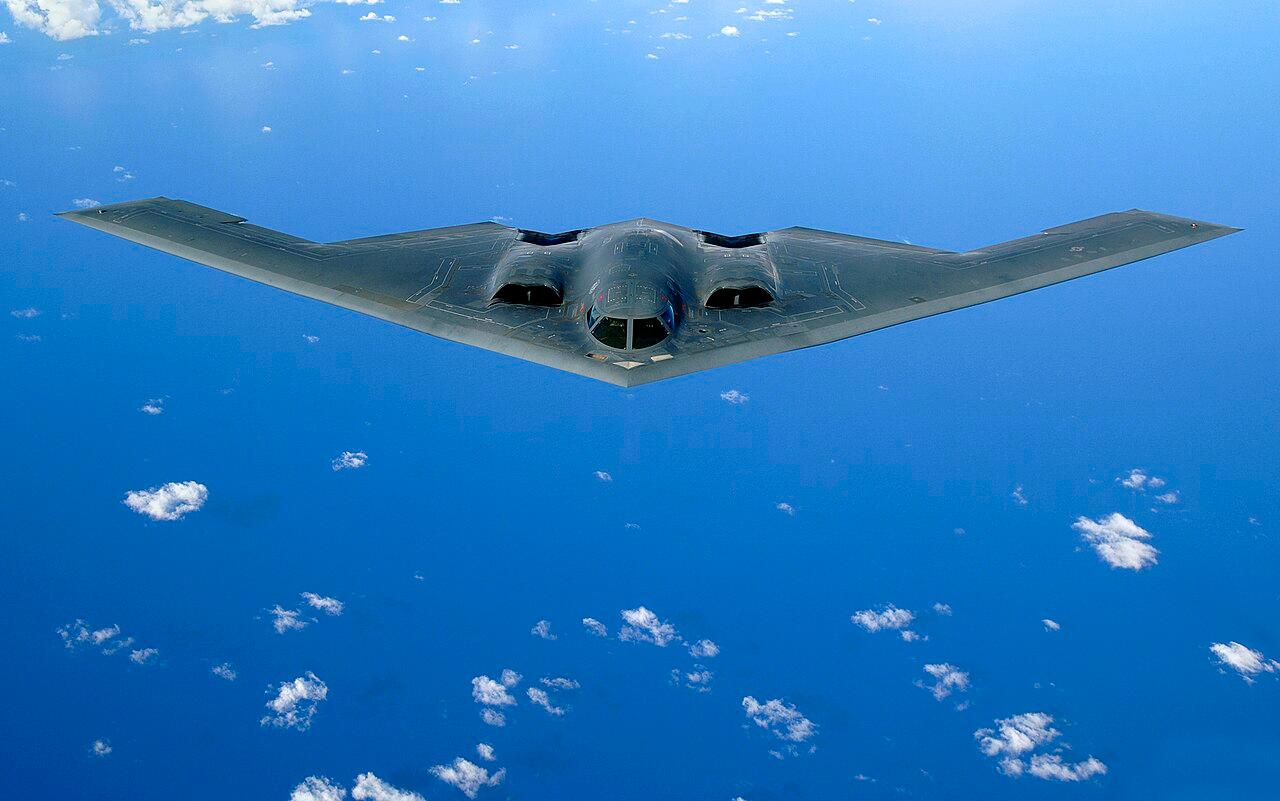
Northrop B-2 Spirit Bomber Balances Stealth and Subsonic Speed for Global Reach
The B-2 Spirit combines a flying wing design with stealth features and high subsonic speed to achieve intercontinental strike missions with precision payloads.

FlyExclusive Expands Fleet and Services by Integrating Fly Alliance Aircraft
FlyExclusive announces a strategic agreement to provide flight operations, management, and maintenance services for Fly Alliance's fleet, enhancing long-range and large-cabin offerings while maintaining Fly Alliance's brand identity.

Premium Economy Seats Surging in Popularity with Enhanced Comfort and Amenities on Long-Haul Flights
Premium economy offers passengers significant upgrades over economy class including more space and better service, fueling its rapid growth on long-haul airline routes.
The Daily Touch & Go
The day's best aviation news in your inbox. Free, no spam.