

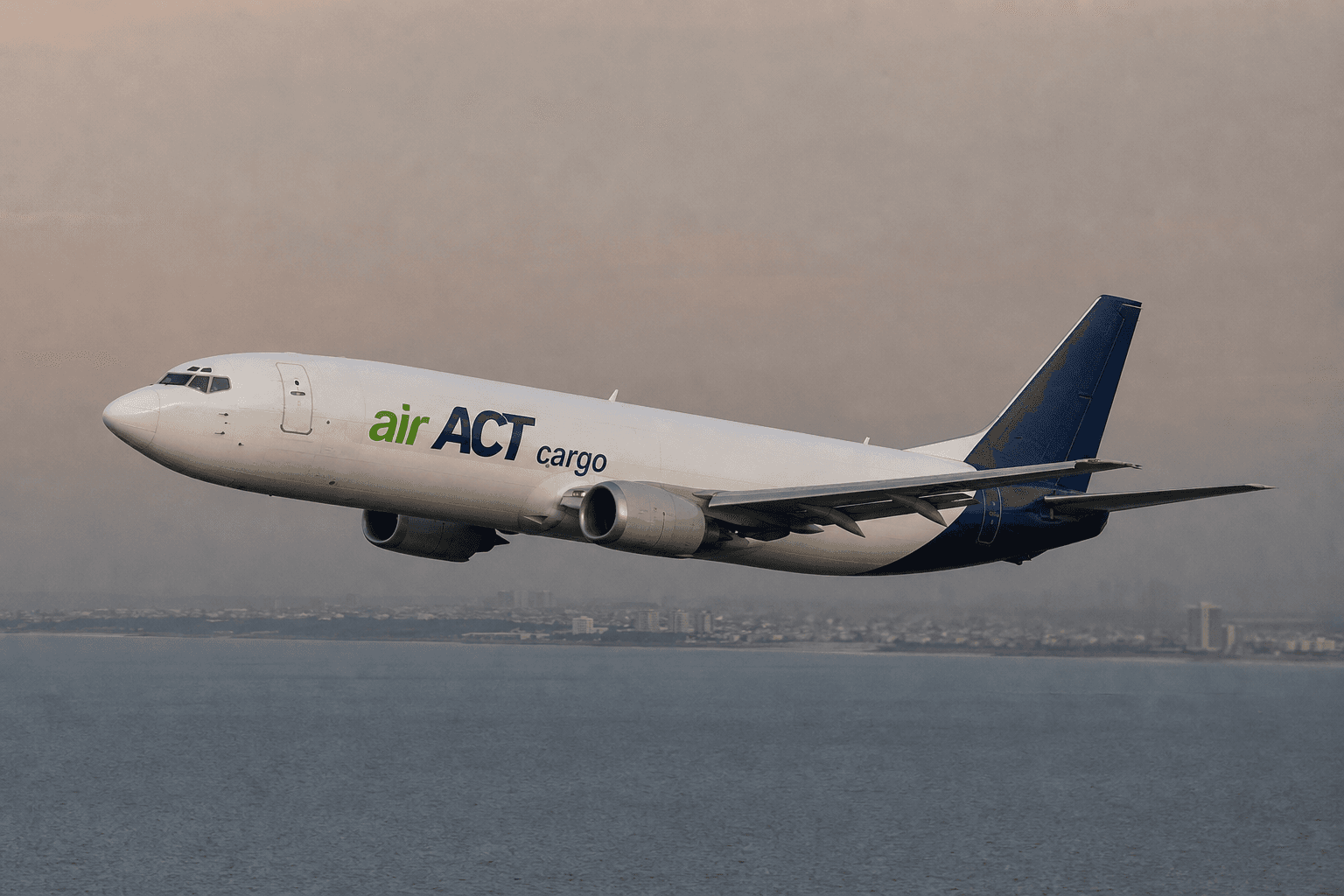
Illustration: The Touch & Go
K2 Airways Boeing 737 freighter lost over Arabian Sea after sudden altitude drops near Karachi
K2 Airways Cargo Flight KTA1732 from Sharjah to Karachi disappeared following rapid altitude changes and reported navigation issues, prompting ongoing search operations over the Arabian Sea.
The gist
A K2 Airways 737 freighter vanished after sharp altitude losses and navigation system problems en route to Karachi; search continues.
A Boeing 737 freighter operated by K2 Airways went missing over the Arabian Sea after tracking data showed a dramatic loss of altitude southwest of Karachi, Pakistan. The aircraft, registered AP-BOI, was flying as K2 Airways Cargo Flight KTA1732 from Sharjah, UAE, to Karachi on July 7, 2026. Authorities launched a search and rescue operation after the aircraft failed to arrive at its destination as scheduled and lost radar contact.
Preliminary Automatic Dependent Surveillance-Broadcast (ADS-B) data captured by Flightradar24 revealed a sudden descent followed by a brief climb, then a second steep altitude drop before the aircraft vanished from radar. The last recorded ADS-B point placed the aircraft at 1,100 feet above mean sea level with an alarming vertical descent rate of 22,400 feet per minute around 16:21 UTC.
Pakistan’s Civil Aviation Authority (CAA) confirmed the crew reported a navigation system malfunction at approximately 21:18 local time. Shortly after, radar data showed the aircraft descending rapidly while executing a sharp heading change around 21:21. Both radar and radio contact were lost roughly 155 nautical miles west of Karachi, where search efforts immediately commenced.
The missing aircraft carried five crew members aboard. AP-BOI, a Boeing 737-4M0(BDSF), entered service with K2 Airways in 2024 after a varied operational history. Originally delivered to Aeroflot as a passenger jet in 1999, it was later leased to Garuda Indonesia before being converted into a freighter in 2012.
K2 Airways is a Karachi-based airline established to serve regional passenger and cargo markets with its sole aircraft, AP-BOI. The carrier was awarded its air operator certificate in 2024. This incident marks a major crisis for the young operator, whose entire fleet consists of this converted 737 freighter.
Following takeoff from Sharjah, the freighter and nearby air traffic encountered GNSS interference disrupting satellite navigation data, degrading tracking information in that airspace. Once clear of the interference zone, multilateration and ADS-B tracking resumed, giving valuable insights into the flight’s final minutes.
The loss of AP-BOI follows reports of significant navigation problems indicated by the crew near Karachi, an area that challenges avionics when faced with external interference. The rapid altitude fluctuations combined with a sharp course alteration suggest the crew was attempting to manage a critical in-flight emergency.
Search operations are ongoing in the Arabian Sea where the aircraft last transmitted data. Authorities and rescue teams are investigating all available radar, radio transmissions, and satellite data to determine the events that caused this tragic disappearance and locate any possible wreckage.
This incident underscores vulnerabilities in navigation systems under GNSS interference conditions, highlighting the operational challenges faced by airlines operating aging converted freighters in complex regional environments. The outcome of the investigation will have implications for regional airspace safety and K2 Airways’ operational future.
Read more
All Aviation Safety →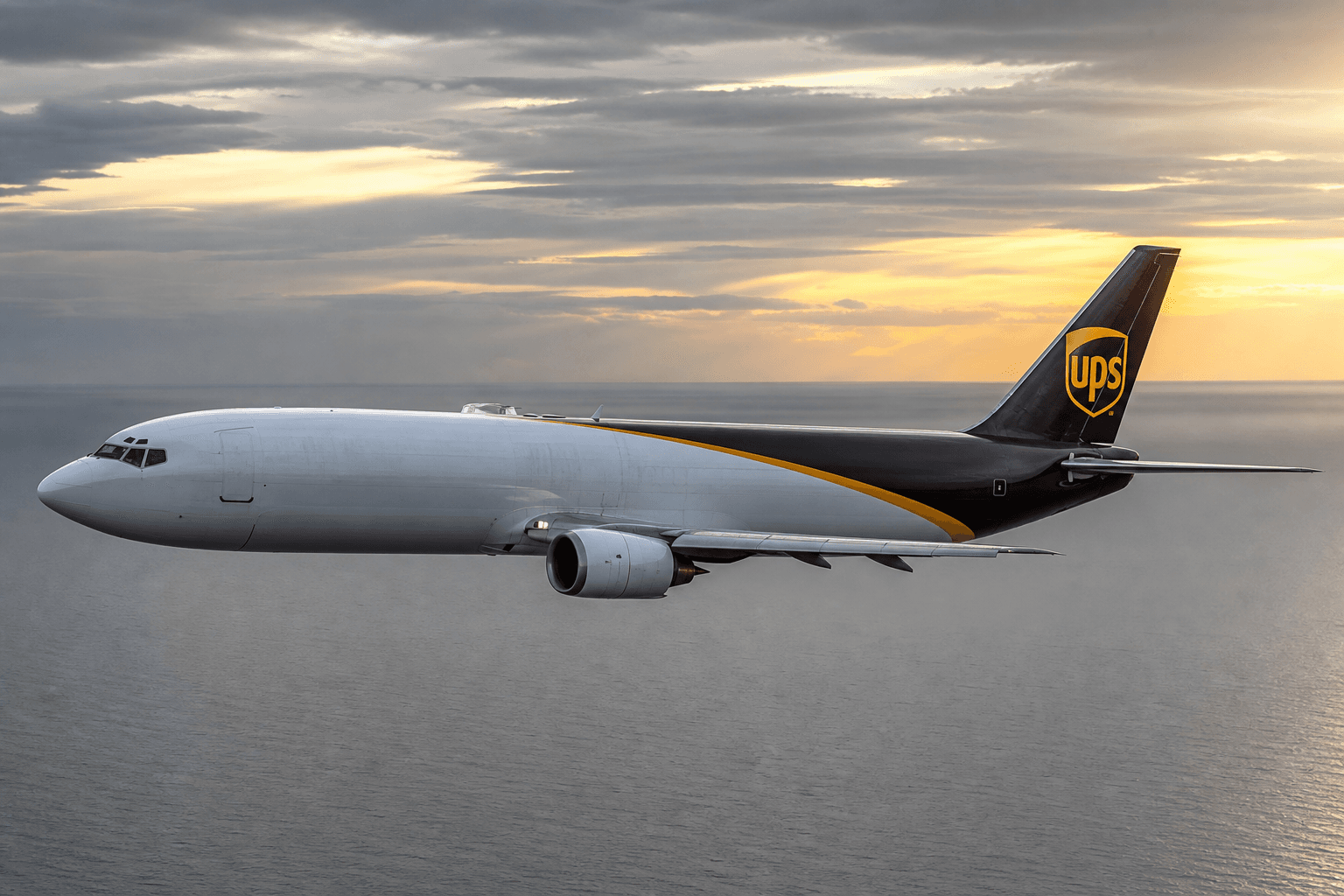
Wreckage of K2 Airways Boeing 737-400 Freighter Found in Arabian Sea After Disappearance
Search teams have recovered wreckage from a K2 Airways Boeing 737 freighter that disappeared over the Arabian Sea while flying from Sharjah in the United Arab Emirates to Karachi, Pakistan. The Pakistan Airports Authority said the wreckage was found 53 nautical miles south of Ormara after a 12-hour search and rescue operation involving the Pakistan Navy and Pakistan Maritime Security Agency. The five crew members on board remained missing. K2 Airways said the aircraft was operating from Sharjah International Airport to Jinnah International Airport when it lost contact with air traffic control at about 21:21 local time on July 7, 2026. The airline identified the aircraft as a Boeing 737-400 freighter, registration AP-BOI. According to the Pakistan Airports Authority, the crew reported a navigation system issue at about 21:18 local time while en route to Karachi. About three minutes later, radar showed the aircraft rapidly descending and making a sharp heading change. Radar and radio contact were then lost approximately 155 nautical miles west of Karachi. The Pakistan Airports Authority activated a rescue coordination center and launched a multi-agency search at sea. K2 Airways said five people were on board: the captain, first officer, load master and two engineers. The airline said it was working with Pakistan's aviation authorities and other government agencies as the search continued. "We continue to pray earnestly for the safety of our colleagues," K2 Airways said in a statement. Pakistani Prime Minister Shehbaz Sharif directed authorities to use all available resources in the search and rescue effort, according to Pakistani government statements. Search crews have recovered debris from the aircraft, but authorities have not announced the recovery of any of the main wreckage or the flight recorders. The water near the suspected crash area is about 3,000 meters deep, and officials have cautioned that floating debris may not mark the exact impact location because currents, wind and waves can move wreckage after a crash. The cause of the crash has not been determined. Flight-tracking data reviewed after the aircraft disappeared showed large altitude changes before the final loss of contact. The aircraft was a 27-year-old Boeing 737-400 converted to freighter duty. The 737-400 is part of Boeing's classic 737 family and is two generations older than the 737 MAX. K2 Airways is a Karachi-based private cargo airline. The aircraft involved in the crash was reported to be the carrier's only aircraft.
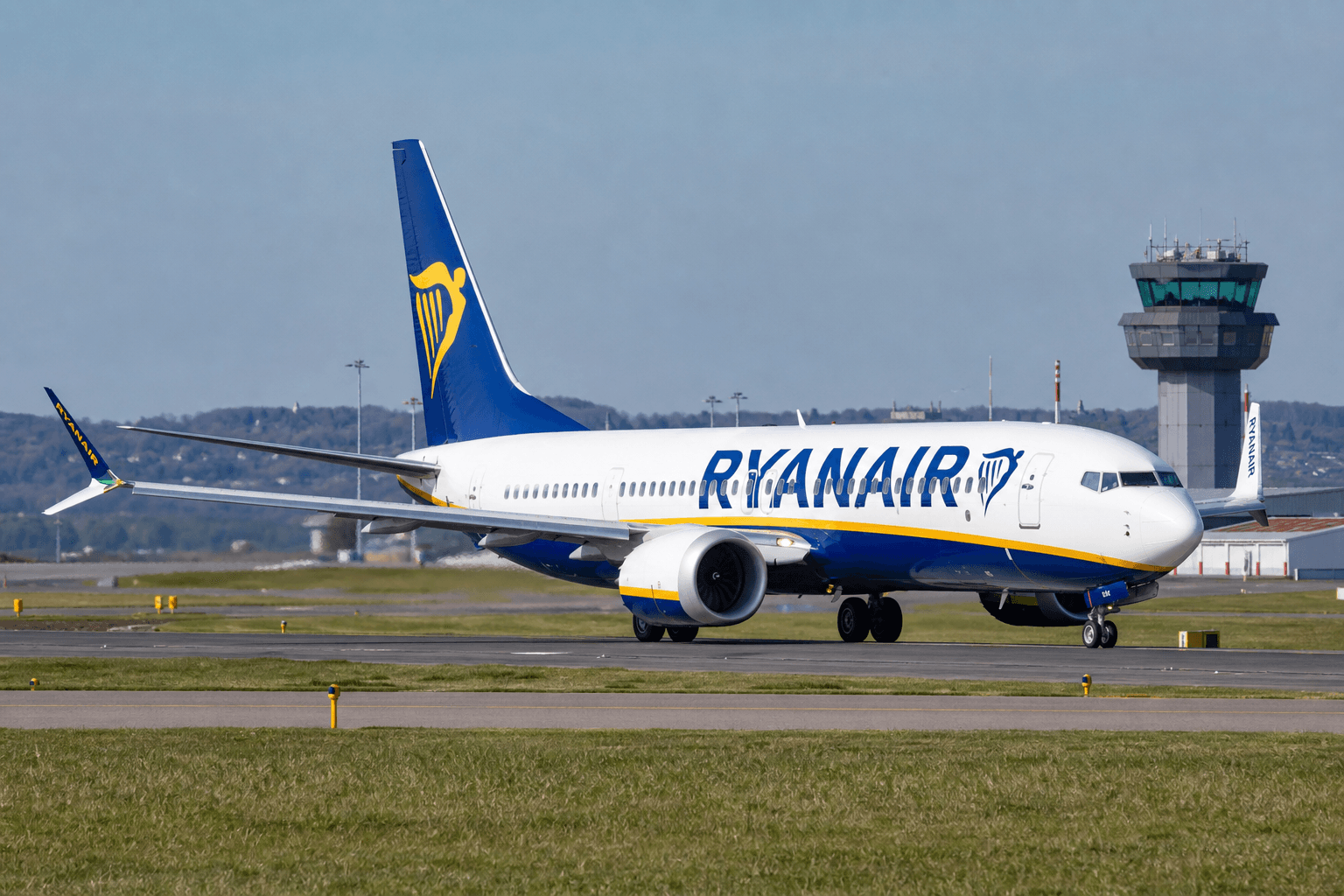
Crew oversight led to Boeing 737 Max 8 slow, shallow take-off at Luton after intersection departure change
Pilots accepted intersection departure for Max 8 but did not update flight-management computer. UK investigators have determined that the crew of a Boeing 737 Max 8 did not update performance data after switching from a planned full-length runway take-off to an intersection departure. The crew of the Ascend Airways jet (G-CRUX) had informed London Luton air traffic control that they could accept a departure from intersection A of runway 25. But the pilots, who had originally intended a full-length take-off, failed to verify that the revised V-speed data had been correctly entered into flight-management computer. This resulted in a lower thrust setting than required. Flight-data analysis revealed that the maximum thrust during the take-off roll was 82.1% rather than the 85.2% needed. Available runway distance from intersection A was 1,771m — some 345m less than the full length. Owing to the low thrust, the take-off roll was "long", says the Air Accidents Investigation Branch, and the aircraft lifted off just 162m from the runway end — crossing it at a height of just 13ft. According to the inquiry the subsequent climb was "slow" and "very shallow". Air traffic control information stated that the aircraft appeared on radar to be climbing through 900ft about 0.8nm from the airport. "Under normal circumstances the aircraft would appear much closer to the airfield at that height," the inquiry says. It points out that an engine failure or loss of thrust during the take-off roll could potentially have resulted in an overrun. None of the 162 passengers and six crew members was injured during the occurrence on 22 April last year. Ascend Airways' UK division ceased operations in April this year.

Flight Attendant Numbers Determined by Safety Standards, Not Passenger Service
The number of flight attendants for each flight is carefully planned by the airline's operations department, and there are a number of deciding factors. Passengers would be hard-pressed to know exactly how many flight attendants would be needed for large aircraft types like the Boeing 777 or the Airbus A380. However, it's more obvious on smaller types like the Airbus A320 or Boeing 737, as all crew members are visible in the cabin.
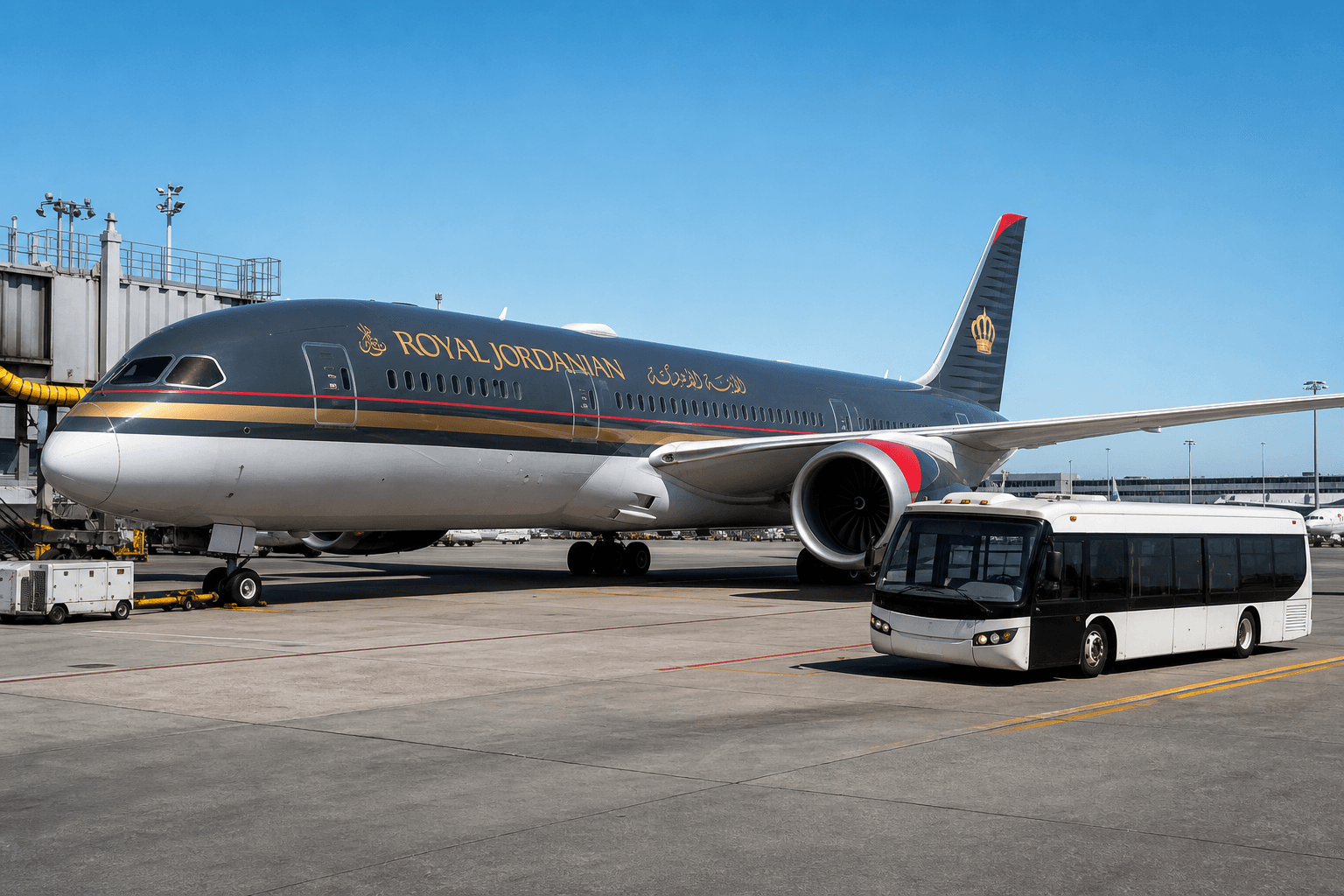
Royal Jordanian Crew Member and Bus Driver Killed in Queens Crash After JFK Arrival
The chartered bus was carrying crew from a flight that had arrived at JFK from Amman.
The Daily Touch & Go
The day's best aviation news in your inbox. Free, no spam.