

Illustration: The Touch & Go
Crew oversight led to Boeing 737 Max 8 slow, shallow take-off at Luton after intersection departure change
A Boeing 737 Max 8 crew at London Luton did not update take-off data after switching to an intersection departure, causing low thrust and a delayed liftoff close to runway end.
The gist
737 Max 8 crew's failure to update data for shorter runway led to slow, shallow climb and late liftoff at Luton airport.
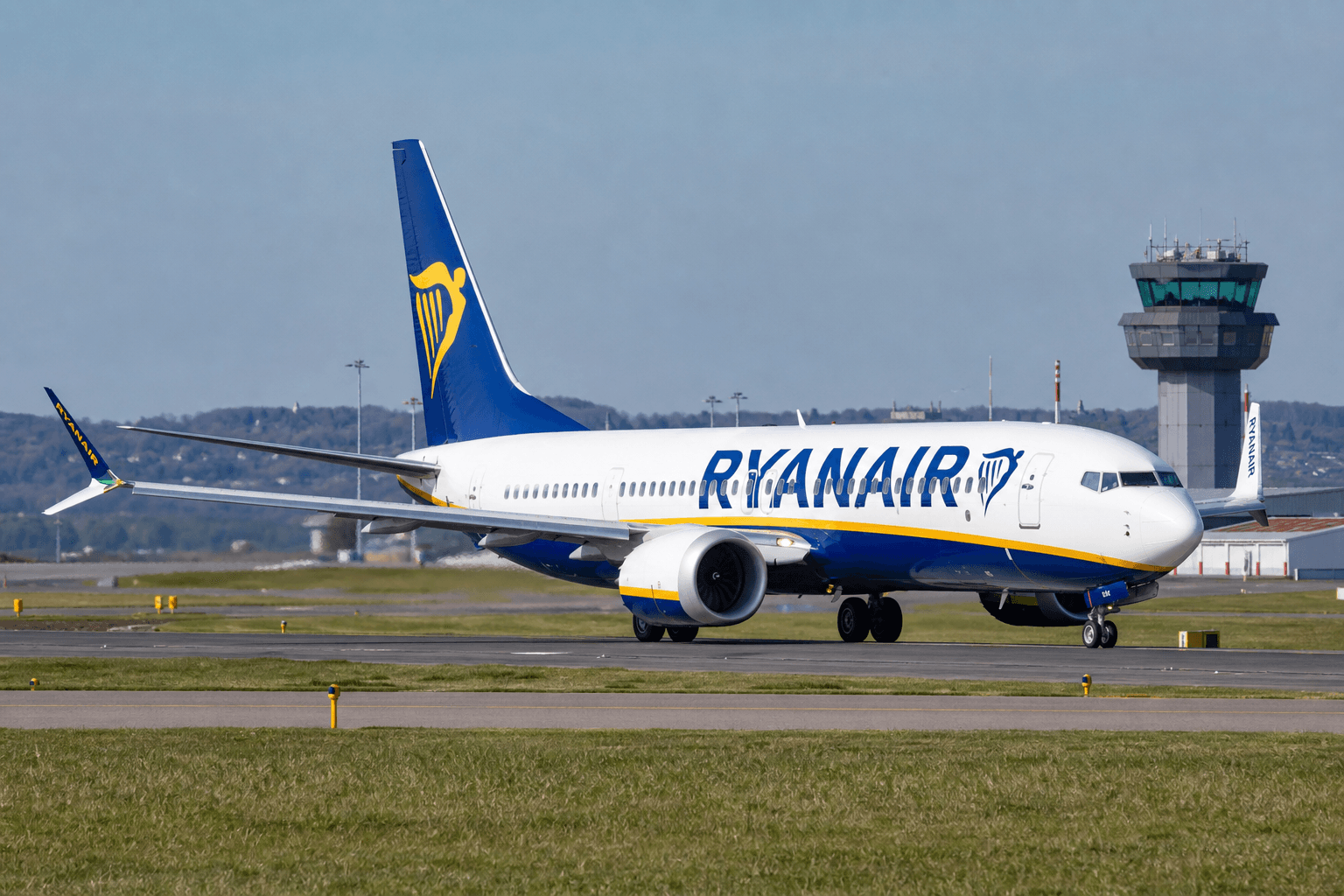
On 22 April 2025, a Boeing 737 Max 8 operated by Ascend Airways, registration G-CRUX, departed London Luton Airport under circumstances that led to a slow and shallow take-off. The crew originally planned for a full-length take-off from runway 25 but accepted an intersection departure from intersection A, which shortened the runway by about 345 meters. Despite the change, the pilots did not update the flight-management computer’s performance data to reflect the shorter available runway, leading to an incorrect thrust setting during take-off.
Flight data recorded during the departure revealed a maximum thrust setting of 82.1%, below the 85.2% required for the reduced runway length. The aircraft’s take-off roll extended longer than expected, with liftoff occurring just 162 meters from the runway end, at an altitude of only 13 feet. This late lift-off and low height indicate that the aircraft was operating under suboptimal performance conditions for the take-off.
The Air Accidents Investigation Branch (AAIB) analysis described the subsequent climb as slow and very shallow. Radar tracking showed the aircraft climbing through 900 feet approximately 0.8 nautical miles from the airport, a position farther out than would be typical under normal take-off performance conditions. The discrepancy suggested the climb gradient was less than anticipated, a consequence of the inadequate thrust setting.
The failure to verify and update the take-off performance data points to a procedural oversight by the flight crew. After agreeing to the intersection departure, the pilots should have recalculated and entered the new take-off speeds (V-speeds) and thrust settings into the flight-management system. This step is critical to ensure adequate performance and safety margins, especially when runway length is reduced from the originally planned take-off point.
The AAIB noted that had an engine failure or loss of thrust occurred during the take-off roll, the shortened distance and reduced thrust could have potentially led to a runway overrun. Luckily, no such emergency event occurred, and all 162 passengers and six crew members remained unharmed. Still, the incident highlights the risks involved when procedural checks are overlooked during changes to planned departure configurations.
Ascend Airways’ UK division, which operated the flight, ceased operations in April 2026, a year after the incident. While the investigation report does not link the closure to this event, the incident adds to the body of evidence underscoring the importance of strict compliance with take-off data verification, especially when operational changes occur at short notice.
Intersection departures are common at busy airports to optimize runway usage but require meticulous recalculation of take-off performance parameters. This event at Luton serves as a cautionary example of how mismanagement of data input and failure to adhere to updated procedures can compromise safety margins even on well-known aircraft like the Boeing 737 Max 8.
Operators and crews are reminded that thorough procedural adherence and cross-verification of performance inputs are vital components of a safe departure. The AAIB's findings reinforce regulatory guidance emphasizing pilot responsibility to confirm all flight-plan alterations—including runway intersection use—are fully reflected in flight management systems before initiating take-off.
Read more
All Aviation Safety →
Royal Jordanian Crew Member and Bus Driver Killed in Queens Crash After JFK Arrival
The chartered bus was carrying crew from a flight that had arrived at JFK from Amman.

FAA mandates radio altimeter upgrades amid 5G Upper C-band rollout with cellular carrier rebates
The FAA intends to pass an altimeter update mandate this summer, but aircraft operators could get rebates for the expense. The Federal Aviation Administration will soon issue another rule requiring all radio altimeters on US aircraft be updated to prevent interference from 5G transmissions, though cellular companies are likely on the hook to help foot…

How the Law of Primacy Shapes Pilot Training Habits and Safety
Flight instructor candidates are typically taught a few fundamentals of education theory, including the laws of learning: readiness, exercise, effect, primacy, intensity, and recency.

China grounds private light fixed-wing aircraft after fatal crash into Beijing skyscraper
The pilot was killed and 13 people were injured after a light sport aircraft hit CITIC Tower in Beijing's central business district.
The Daily Touch & Go
The day's best aviation news in your inbox. Free, no spam.