

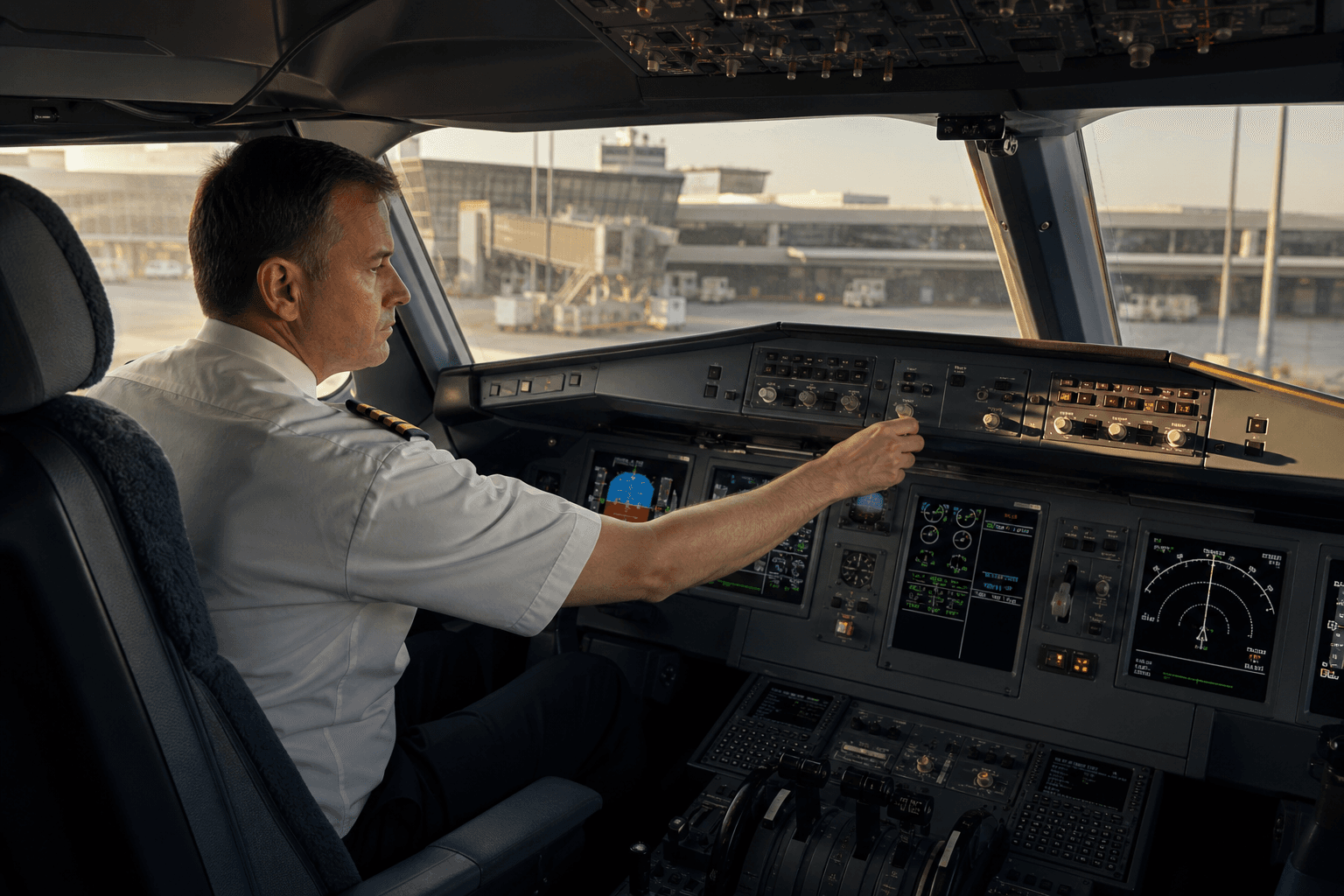
Illustration: The Touch & Go
Pilots Urged to Embrace Preparedness for Inevitable In-Flight Emergencies
Aviation experts stress that pilots should expect and prepare for emergency situations as a certainty rather than a possibility to enhance safety outcomes.
The gist
Pilots must shift mindset from if to when emergencies happen and prepare accordingly to improve aviation safety.
In aviation safety discussions, attitude and preparation are paramount. Experienced aviators emphasize that it only takes a single close call to underscore how vital it is for pilots to expect emergencies as an eventual certainty, not a remote possibility. This mindset shift is crucial in fostering proactive risk management and alertness in the cockpit.
The concept encourages pilots to plan for 'not if, but when' scenarios, meaning that readiness must be integrated into all phases of flight operations. By acknowledging emergencies as inevitable, pilots can heighten situational awareness, hone response protocols, and practice decision-making under pressure. These proactive habits have been linked to improved safety margins and reduced accident rates.
This approach aligns with best practices promoted by flight training organizations and safety agencies, which advocate for continuous preparation and recurrent training. Pilots who mentally and practically rehearse handling of emergencies such as system failures, weather hazards, or navigational challenges demonstrate better composure and effectiveness during real incidents.
The aviation community sees this philosophy as a critical component of evolving safety culture. As technology advances and flight environments grow more complex, the old paradigm of hoping emergencies won’t occur is unsafe. Instead, a realistic anticipation supports thorough preflight planning, regular simulator scenarios, and ongoing education.
Looking ahead, the message for the pilot population is clear: emergency preparedness is not optional but mandatory. Adopting this mindset can profoundly influence flight safety by ensuring that pilots are always ready to respond decisively the moment a crisis arises.
Read more
All Aviation Safety →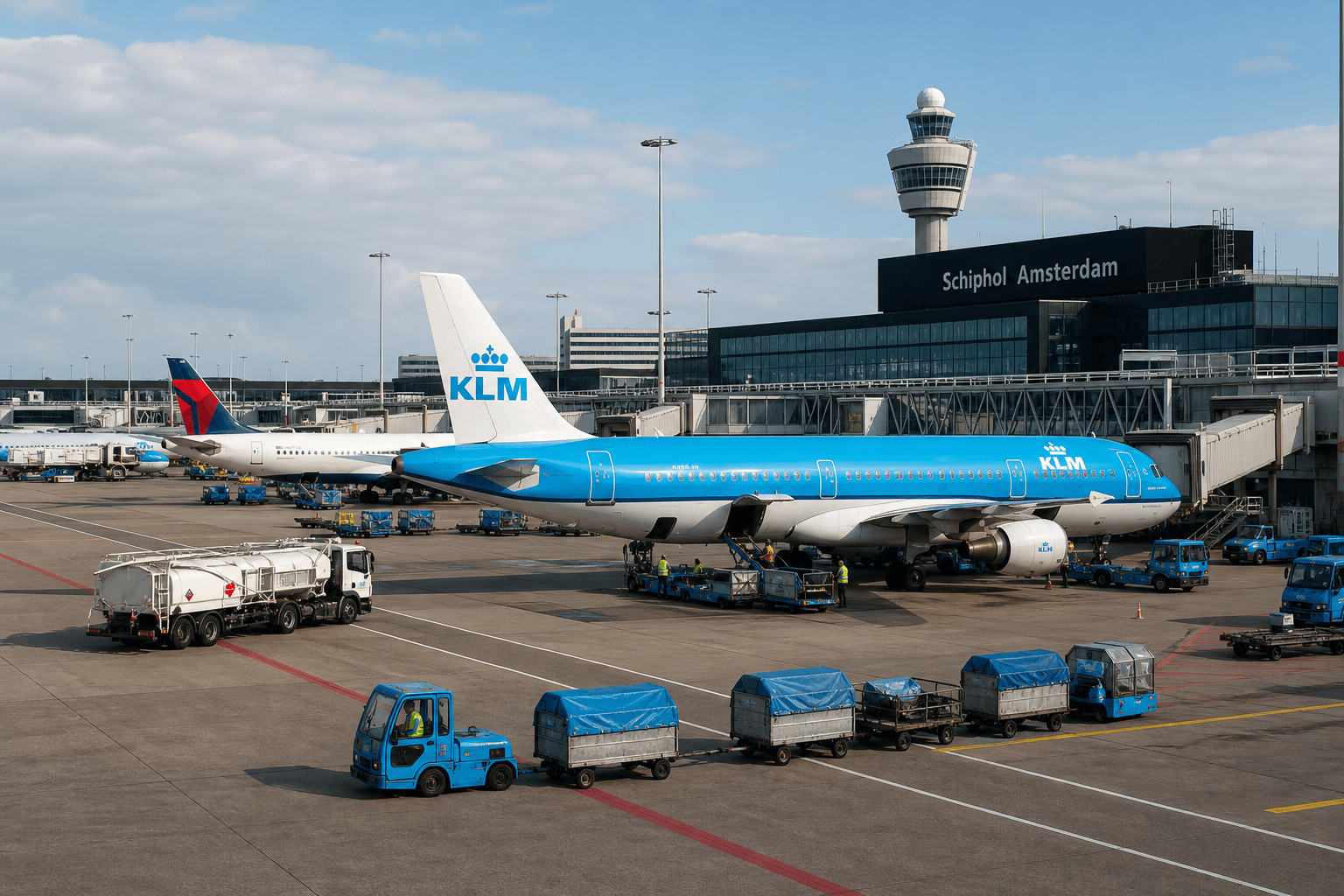
Amsterdam Schiphol to Cut Ground-Handling Firms by Half to Boost Service Quality
Three companies selected in bid to address underlying structural issues and improve service efficiency at Dutch hub. Amsterdam Schiphol airport's operator is halving the number of ground-handling providers from next year, having selected three companies for its new handling model. KLM, Dnata and Viggo have been chosen to remain, from the current six operating at…

Pacific Aerospace P-750XL crashes in Missouri shortly after takeoff, killing pilot and 11 skydivers
Pilot and 11 parachutists did not survive accident which occurred moments after take-off from Missouri airport. Surveillance video shows that a Pacific Aerospace P-750XL skydiving aircraft, which crashed on take-off from Butler Memorial airport, had gradually started banking left until its wings were perpendicular to the ground. The aircraft, with a pilot and 11 skydivers…

Jenny Blalock's Fatal Crash Highlights Critical Gaps in Aviation Safety for Aerial Filming
Death of Jenny Blalock provides safety lessons hidden in a preventable accident.

FAA to Mandate 5G-Compatible Altimeter Upgrades with Cellular Industry Rebate Support
The FAA intends to pass an altimeter update mandate this summer, but aircraft operators could get rebates for the expense. The Federal Aviation Administration will soon issue another rule requiring all radio altimeters on US aircraft be updated to prevent interference from 5G transmissions, though cellular companies are likely on the hook to help foot…
The Daily Touch & Go
The day's best aviation news in your inbox. Free, no spam.