Image: Sergey Kustov · CC BY-SA 3.0 · via Wikimedia Commons
RwandAir Showcases Vibrant Sunburst Livery Reflecting National Identity
RwandAir's fleet sports a colorful sunburst design inspired by the Rwandan flag, uniting its Boeing, Airbus, and Bombardier aircraft under a distinctive brand.
The gist
RwandAir’s multicolored sunburst livery highlights its national pride across its growing fleet of diverse aircraft.
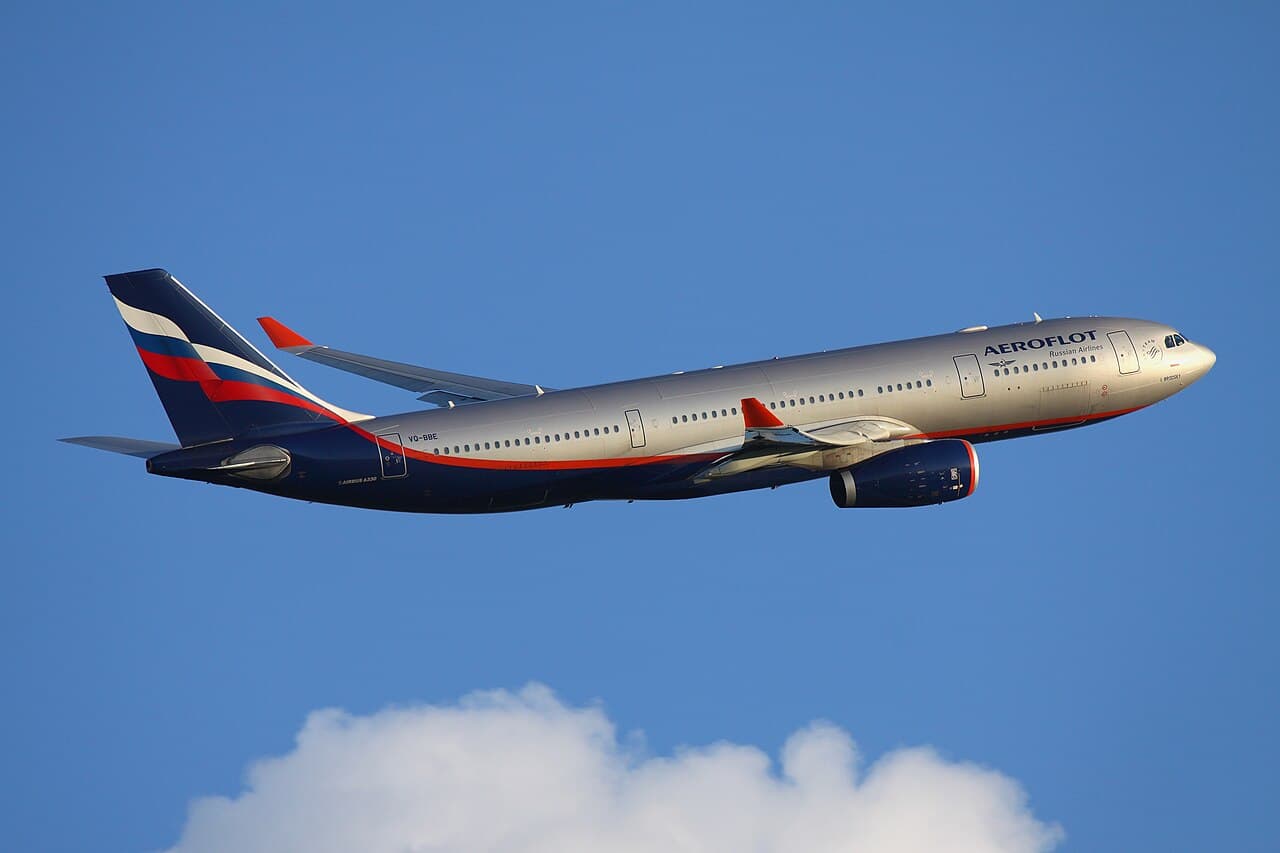
RwandAir’s signature aircraft livery prominently features a multicolored sunburst design that spans the vertical stabilizer and rear fuselage. The pattern incorporates shades of blue, yellow, and green, all derived from a sun motif found on Rwanda’s national flag. This striking design choice has become emblematic of the airline’s identity and brand presence.
The tail art depicts a rising sun composed of curved lines radiating outward, symbolizing renewal and optimism. This vibrant pattern contrasts with the predominantly white fuselage, which lends a modern, clean backdrop that allows the colors to stand out vividly. This combination helps the airline stand apart in a competitive regional market.
The aircraft’s forward fuselage features the bold dark blue RwandAir titles, accompanied on some planes by the slogan Fly the Dream of Africa. A subtle, thin blue cheatline runs below the cabin windows, visually linking the fuselage body to the color-rich tail section, creating a cohesive and streamlined look.
This livery is uniformly applied across the airline’s mixed fleet, which includes Boeing 737s, Airbus A330 widebodies, and Bombardier CRJ-900 regional jets. Although the exact dimensions of the sunburst adjust depending on each aircraft's size and configuration, the design remains the unifying centerpiece of RwandAir’s appearance.
Unlike many contemporary airline liveries that favor a single color or minimalist design, RwandAir embraces a broader palette that deepens its connections to Rwanda’s heritage while projecting a vibrant, forward-thinking image. The integration of multiple colors and complex designs is unusual given repainting costs can exceed $200,000 per plane.
Originating with the national flag’s symbolism, the sunburst represents more than aesthetics; it projects Rwanda’s growing stature and optimism as one of Africa’s fastest-expanding carriers. This artistic approach helps the airline convey its ambitious vision and continental aspirations beyond mere transportation.
Today, the sunburst livery is a familiar sight on international routes spanning Africa, Europe, the Middle East, and Asia. It serves as a flying ambassador for Rwanda, showcasing both the nation’s culture and RwandAir’s commitment to brand distinctiveness via visual identity.
This cohesive fleet design strategy reinforces RwandAir’s competitive position amid diverse aircraft types. Industry observers note the challenge in designing liveries that work across narrow-body, wide-body, and regional jets without losing brand coherence—RwandAir’s sunburst achieves this balance effectively.
The airline’s livery embodies a blend of operational practicality, cultural symbolism, and marketing savvy, marrying technical constraints with creative flair. It exemplifies how aircraft liveries can extend an airline’s narrative, enhancing recognition and pride on global stages.
Frequently asked questions
- What inspired RwandAir's sunburst livery design?
- The sunburst livery is inspired by the sun motif on Rwanda's national flag, incorporating blue, yellow, and green colors to reflect national identity.
- On which aircraft types is RwandAir's sunburst livery applied?
- The livery is applied across RwandAir's fleet including Boeing 737s, Airbus A330s, and Bombardier CRJ-900 regional jets.
- How does RwandAir's livery differ from typical airline designs?
- Unlike the usual single-color schemes, RwandAir embraces a multicolored palette with a complex sunburst pattern, enhancing its brand identity despite repainting costs.
Read more
All Airlines →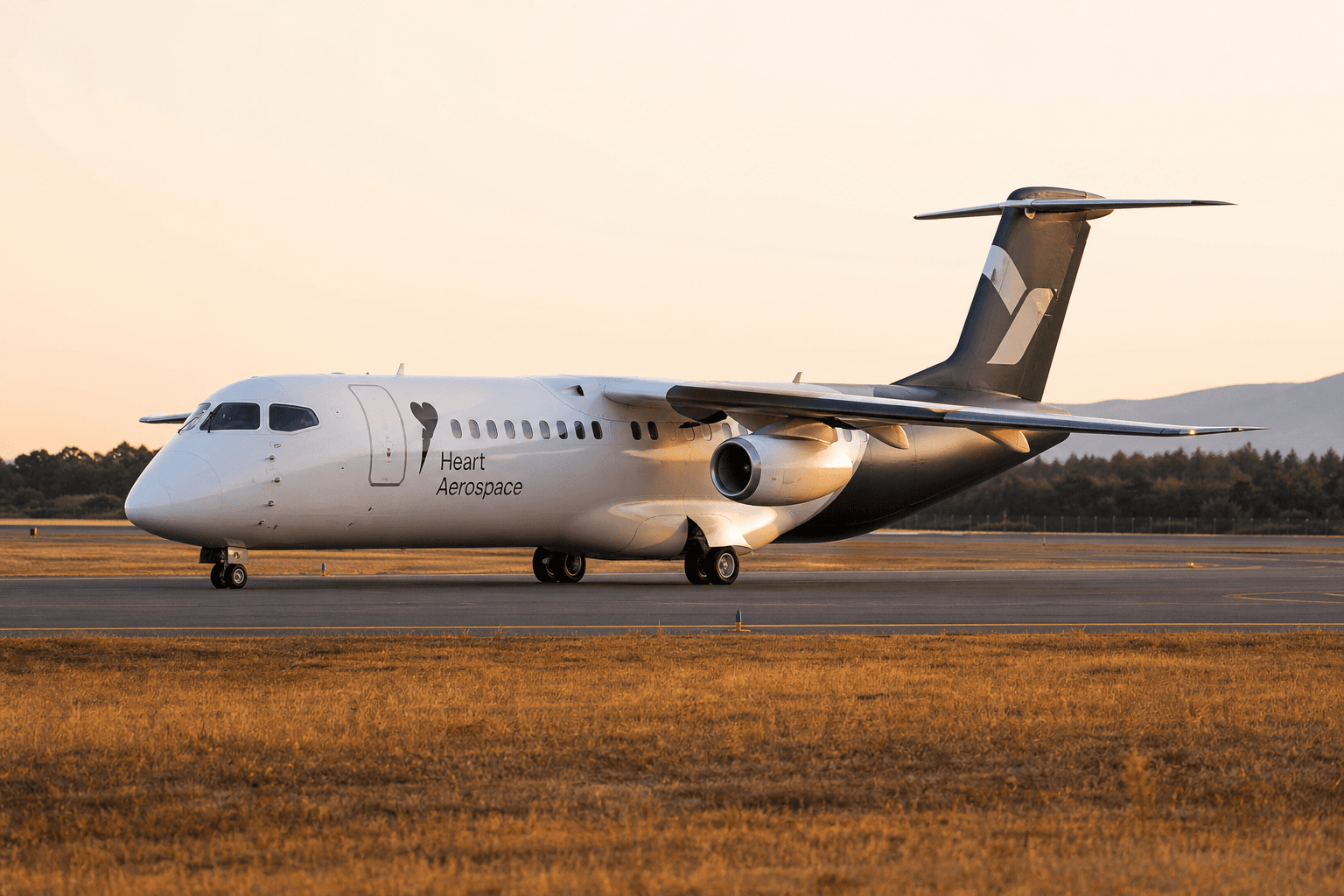
Five Regional Aircraft Makers Drive Innovation In Sub-100-Seat Market In 2026
Across all types of routes, airlines are taking advantage of advancements in aerospace manufacturing to begin choosing different types of aircraft for shorter-duration flights. Finding the right balance between route frequency and fuel burn has renewed focus on the sub-100-seat market. Major airframe manufacturers chase larger narrowbody families, all the while several specialist builders remain intensely committed to this essential segment.
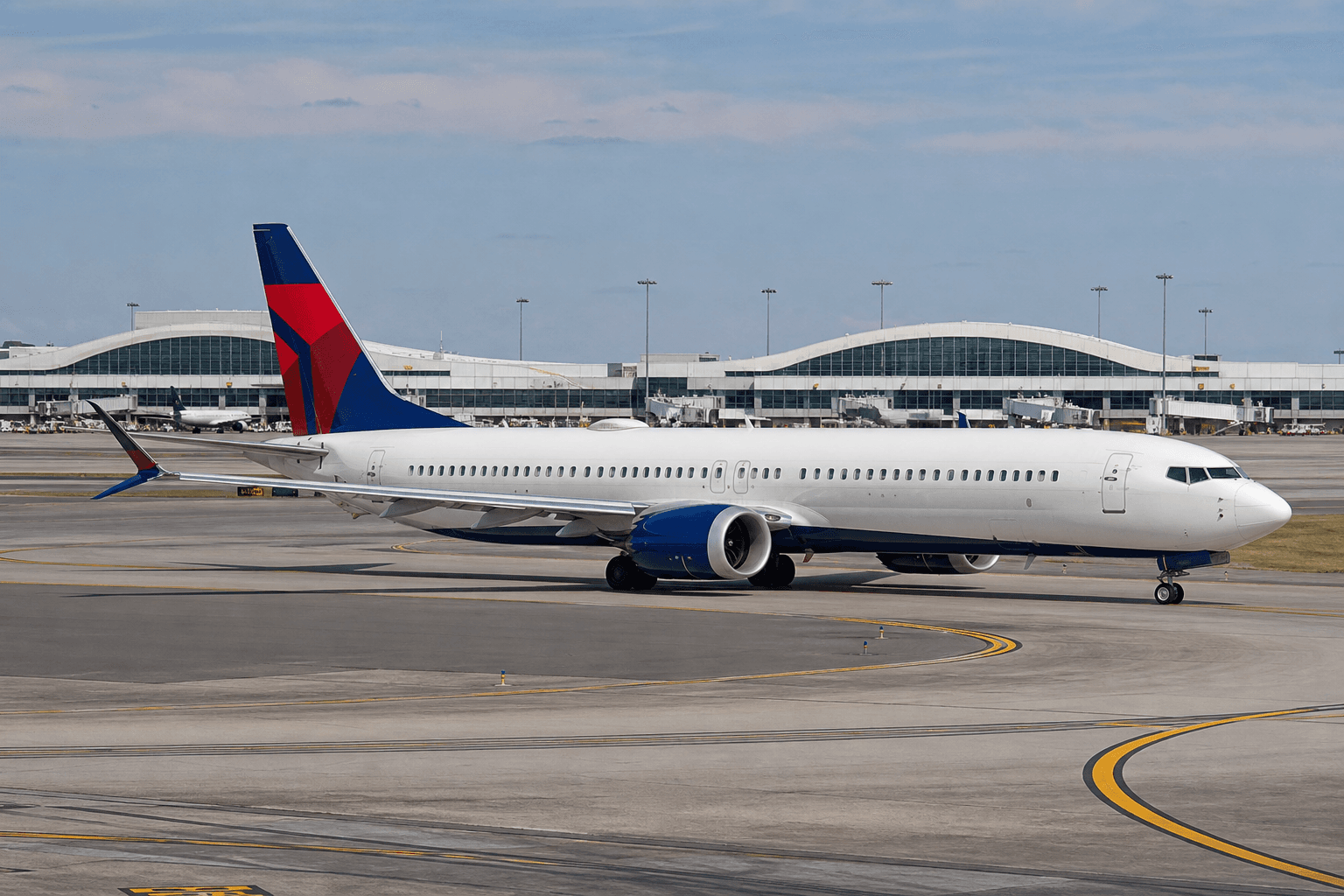
Delta plans fleet growth with Boeing 737 Max 10 and 787-10 to boost efficiency
Executives plan what they call “efficient” growth with the new Boeing models. Delta Air Lines will use both the 737 Max 10 and 787-10 for “efficient” growth by replacing older, smaller aircraft with the larger, more capable models, commercial chief Joe Esposito said during a quarterly earnings call on 10 July. “Larger airplanes make us more efficient and give us that extra capacity,” he says. The plans are the latest in Delta’s decade-plus fleet upgauging programme that began with the replacement of 50-seat regional jets with the Boeing 717 in the mid-2010s. This continued into the 2020s with the replacement of ageing McDonnell Douglas MD-88s and MD-90s with new Airbus A321s and, later, A321neos. The upgauging programme has, by all measures, been a success. Delta is the margin-leading network carrier in the USA and the industry has largely followed in its footsteps. Alaska Airlines, American Airlines, JetBlue Airways and United Airlines have all moved to replace smaller aircraft with larger narrowbodies over the past decade. The first step for Delta begins in 2027 with the arrival of the long-delayed 737 Max 10. The airline ordered up to 130 aircraft at the Farnborough air show in 2022 with deliveries from 2025, however, certification delays pushed back the first delivery to next year. “We expect to see that in Delta colours next year,” Ed Bastian, the chief executive of Delta, says on the Max 10. The airline expects up to 27 aircraft in 2027. Boeing has indicated that Max 10 certification will follow closely after the Max 7, which could receive US Federal Aviation Administration sign-off as soon as this month. Once the Max 10 begins arriving, Delta will use the aircraft that seats roughly 190 passengers in a standard two-class layout to replace older 717s and 757s, says Bastian. Alaska, American and United also have orders for the Max 10, though Canada’s WestJet is expected to take delivery of the first aircraft . Delta’s first of 30 787-10s is not scheduled to arrive until 2031. When deliveries begin, the airline will use it to replace older Boeing 767s, including both -300ERs and -400ERs, particularly on transatlantic flights, Esposito says. “When you think about the 787 that replaces a 767, that's a significant amount of efficiency and margin premium,” he says. “You're going from 30% premium seating in a 767 to over 50% in a 787, and it can handle twice the cargo. The continent of Europe falls into the bucket of domestic efficiency but on the widebody side.” The 787-10 can seat up to 375 passengers in a standard two-class layout, though United configures its -10s with just 318 seats. Delta’s 767-300ERs seat up to 216 passengers and its 767-400ERs seat 238 passengers.
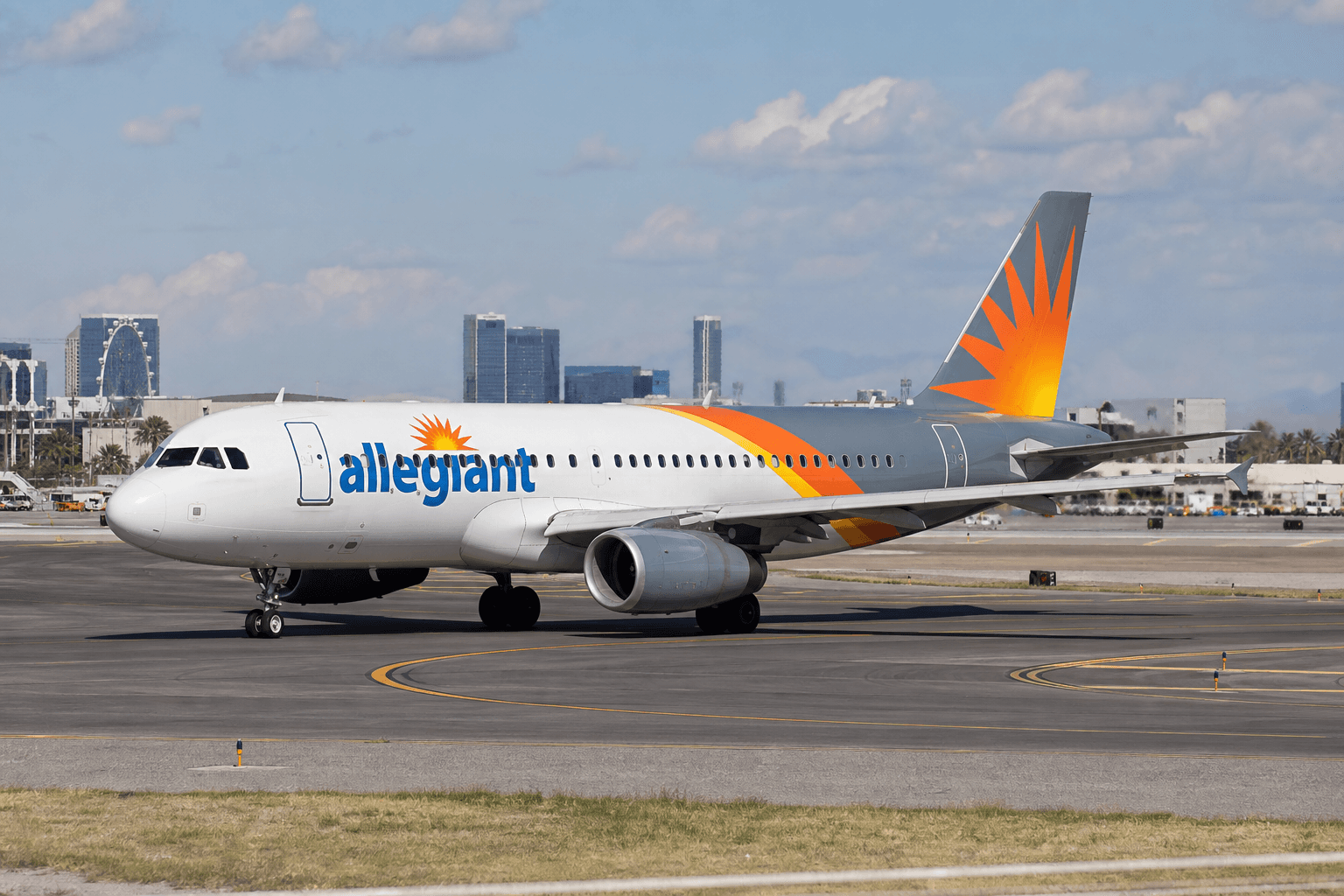
DOT Greenlights Allegiant's Use of Sun Country's Domestic and International Routes
Sun Country and Allegiant merged in May and are in the process of rationalizing operations.
American Airlines and Delta Operate Record Long 7-Hour US Flights with Airbus A321neo
The Airbus A321neo is the most versatile narrowbody in commercial aviation, capable of serving routes from one-hour domestic hops to transatlantic crossings in its LR and XLR variants. According to Cirium data for January through December 2026, American Airlines and Delta Air Lines are operating the standard A321neo on seven US domestic routes exceeding 2,300 nautical miles (4,260 km), with the longest covering 2,643 nautical miles (4,894 km) and producing westbound block times approaching seven hours.
The Daily Touch & Go
The day's best aviation news in your inbox. Free, no spam.