

Illustration: The Touch & Go
Five Regional Aircraft Makers Drive Innovation In Sub-100-Seat Market In 2026
From hybrid-electric pioneers to state-backed jets, key manufacturers compete actively to serve short-haul routes with aircraft under 100 seats.
The gist
Five regional aircraft makers vie to lead the evolving sub-100-seat market with new technologies and rugged designs in 2026.
Continuing coverage
All Turboprop →In 2026, the regional aircraft sector under 100 seats remains crucial for air connectivity, particularly on short-haul routes where balancing frequency and fuel efficiency is paramount. While major airframe makers pursue larger narrowbody jets, five specialist manufacturers are actively shaping the landscape for smaller airplanes vital to regional airline networks worldwide.
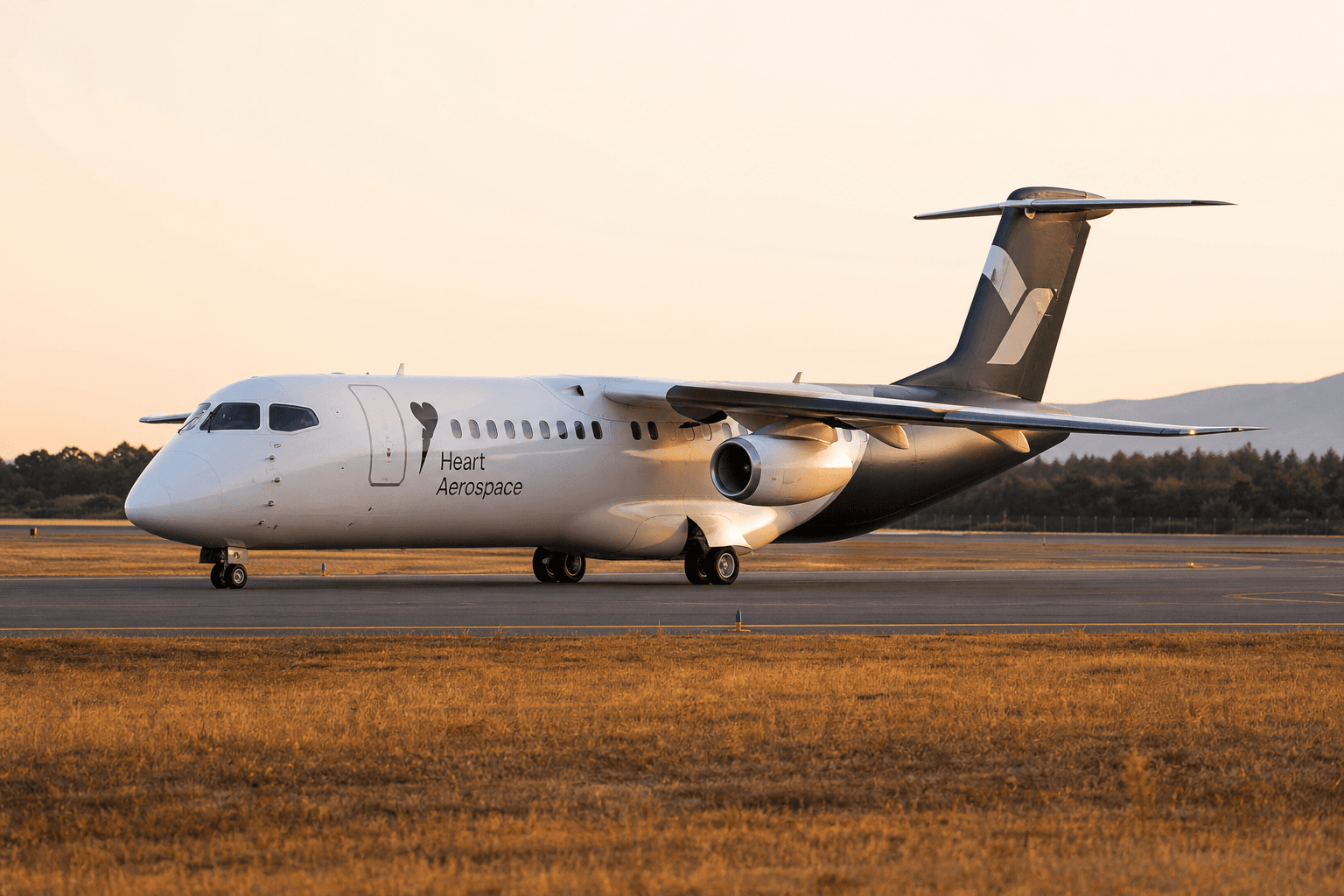
Heart Aerospace, headquartered in California, is spearheading sustainable aviation with its ES-30, a clean-sheet hybrid-electric airliner targeting a zero-emission range of 125 miles and an extended hybrid range of up to 500 miles. Its innovative wing design and battery combined with sustainable aviation fuel generators enable operations from short runways that challenge older turboprops. With more than 250 firm orders, including from United Airlines and Air Canada, Heart Aerospace aims for type certification around 2030, offering operating costs competitive with traditional 50-seat turboprops.
Canadian manufacturer De Havilland Canada sustains regional operations globally with its rugged Dash 8 turboprop family. Its aircraft excel in short-field and remote destinations, serving up to 90 seats while offering high cruise speeds with lower fuel consumption than regional jets. Rather than new production, De Havilland focuses on refurbishments of Dash 8-400 variants, with operators spanning Central Asia, Australia, and even South America after lengthy ferry flights, demonstrating the platform’s versatility and global reach.
COMAC, China’s state-backed aerospace company, promotes the C909 regional jet (formerly ARJ21) to meet the challenging conditions of high-altitude western China and beyond. Marking a decade of service, the C909 has transported over 37 million passengers across more than 860 routes. With 210 aircraft built, it seats 78 to 90 passengers powered by twin General Electric turbofans and benefits from a supercritical wing design. Its customer base is expanding internationally, including Indonesia, Laos, and recent leases by Vietnam’s Vietjet.
France-based ATR continues to dominate the turboprop segment below 90 seats by prioritizing efficiency over speed, especially on island and remote routes. The ATR 72-600 remains the workhorse for many airlines requiring reliable, fuel-efficient operations on short sectors. ATR’s sustained focus on turboprop technology keeps it competitive for airlines prioritizing operational economy in niche markets.
These five manufacturers each address distinct regional aviation demands through innovation and specialization. Heart Aerospace’s push for hybrid-electric propulsion signals a shift towards sustainability in regional fleets, while De Havilland offers proven ruggedness and upgrade paths for existing turboprops. COMAC leverages government support to challenge Western duopoly with a jet tailored to harsh environments, and ATR provides efficiency on thinner island and remote routes. Together, they ensure that even the most modest regional services can flourish with appropriate aircraft.
The evolution of the sub-100-seat market is critical in maintaining essential connectivity in lower-demand and short-distance air travel segments. As airlines seek to optimize cost and environmental impact, these manufacturers’ diverse approaches—ranging from refurbishment and rugged design to cutting-edge green technology—help sustain vital air links globally.
With more than 250 firm orders for Heart Aerospace’s ES-30 and COMAC’s expanding international footprint, these sub-100-seat aircraft outlooks highlight a market segment where innovation meets enduring practical needs. Regional operators looking for tailored solutions that meet specific route and environmental requirements have multiple capable options, underpinning the ongoing relevance and vitality of the regional aircraft industry in 2026.
Frequently asked questions
- What are the main types of aircraft competing in the sub-100-seat market in 2026?
- The main types include hybrid-electric airliners like Heart Aerospace's ES-30, rugged turboprops such as De Havilland's Dash 8, state-backed regional jets like COMAC's C909, and efficient turboprops from ATR.
- Which airlines have placed orders for Heart Aerospace's ES-30?
- United Airlines and Air Canada have placed firm orders among over 250 total orders for the ES-30, aiming for operation with zero-emission short-range flights.
- How has COMAC's C909 regional jet performed in terms of service and international operations?
- The C909 has carried over 37 million passengers on 860 routes over ten years, has about 210 aircraft built, and is expanding internationally with operators in Indonesia, Laos, and Vietnam.
Read more
All Airlines →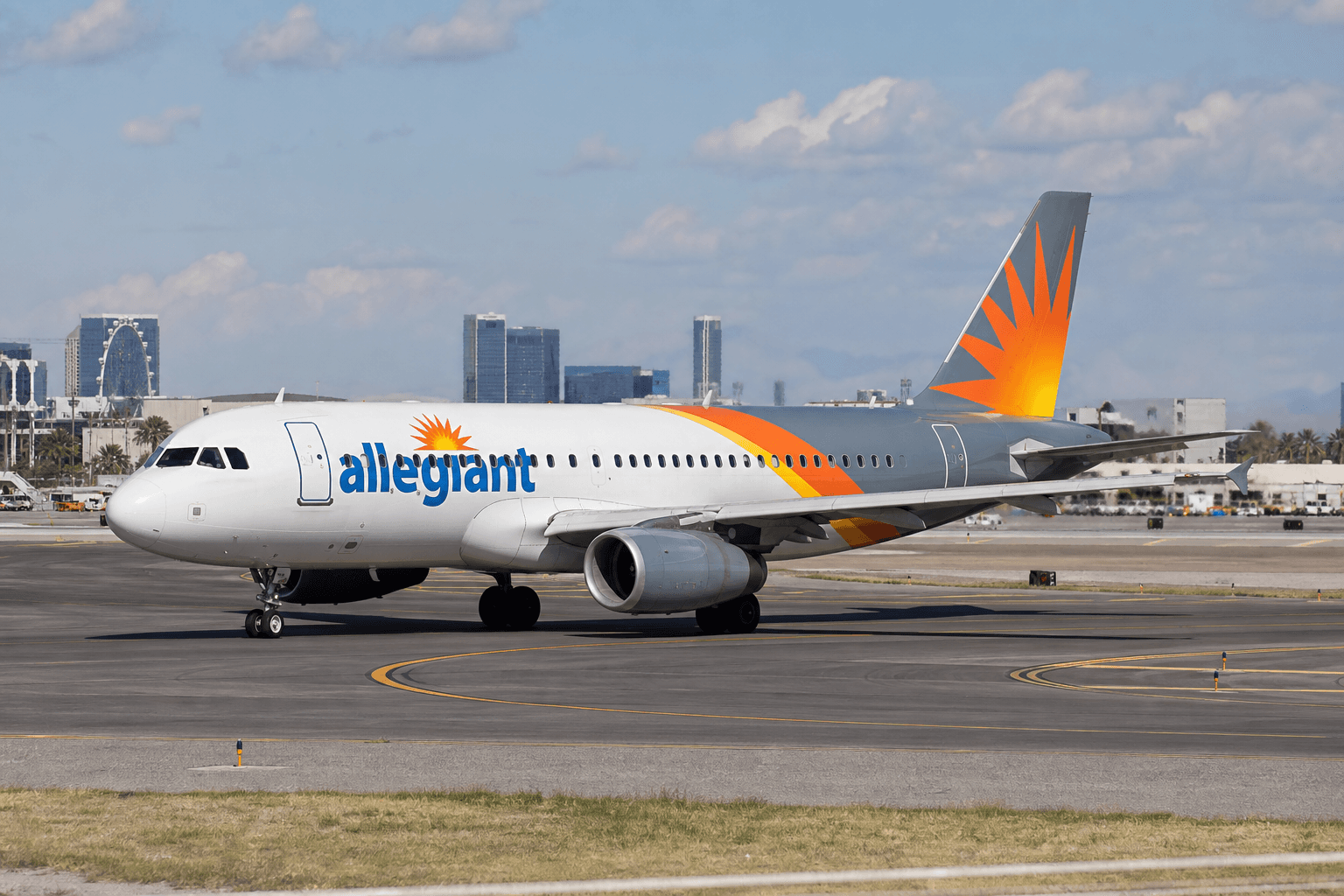
DOT Greenlights Allegiant's Use of Sun Country's Domestic and International Routes
Sun Country and Allegiant merged in May and are in the process of rationalizing operations.

American Airlines and Delta Operate Record Long 7-Hour US Flights with Airbus A321neo
The Airbus A321neo is the most versatile narrowbody in commercial aviation, capable of serving routes from one-hour domestic hops to transatlantic crossings in its LR and XLR variants. According to Cirium data for January through December 2026, American Airlines and Delta Air Lines are operating the standard A321neo on seven US domestic routes exceeding 2,300 nautical miles (4,260 km), with the longest covering 2,643 nautical miles (4,894 km) and producing westbound block times approaching seven hours.
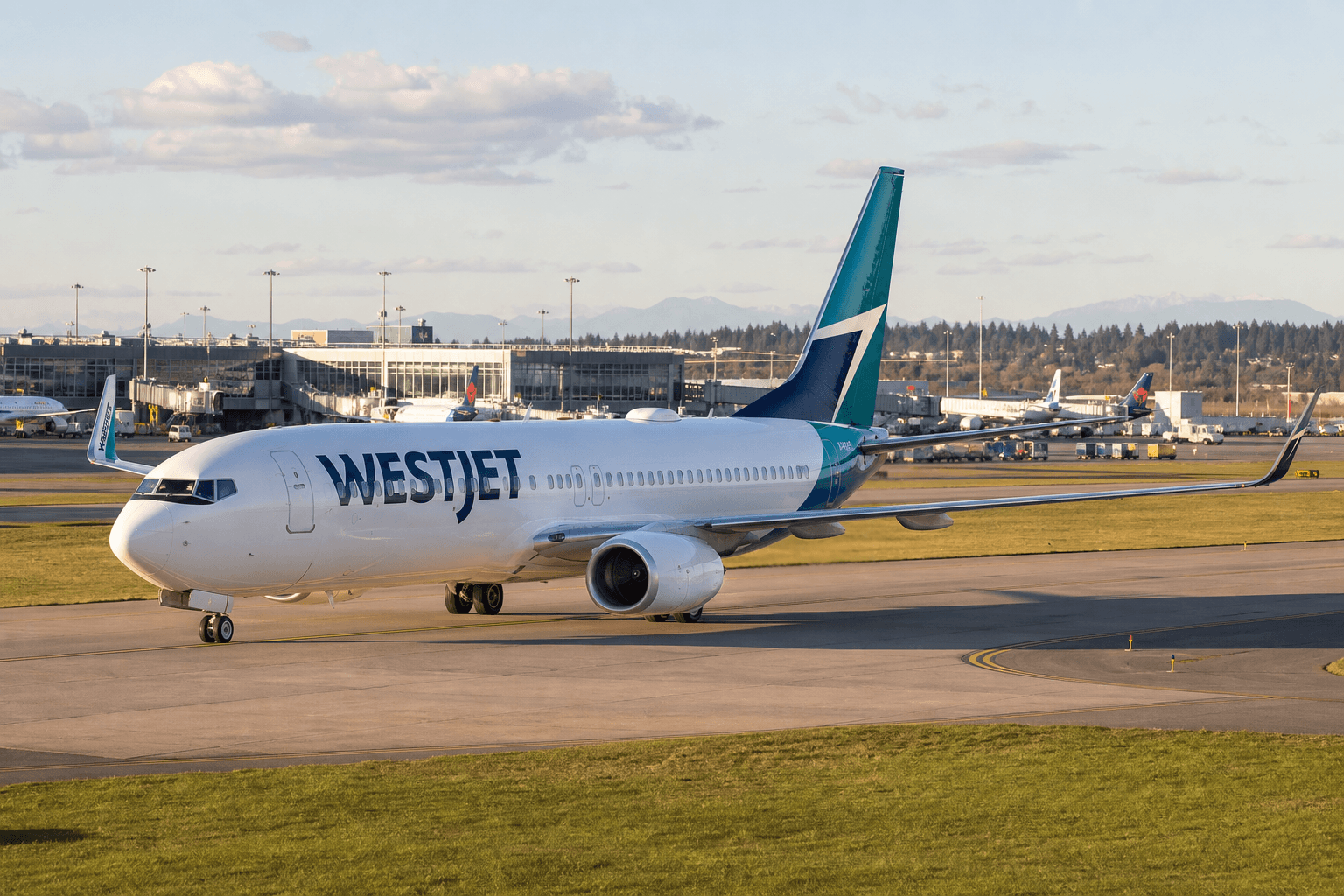
WestJet tops North America in on-time performance for June and Q2 2026
WestJet is celebrating another milestone in operational excellence, securing a place among the world’s most on-time airlines for the second month in a row. Earning back-to-back accolades in the Cirium On-Time Performance Report, WestJet is the most on-time airline in North America for the month of June and the entirety of Q2, a new record milestone. In […]
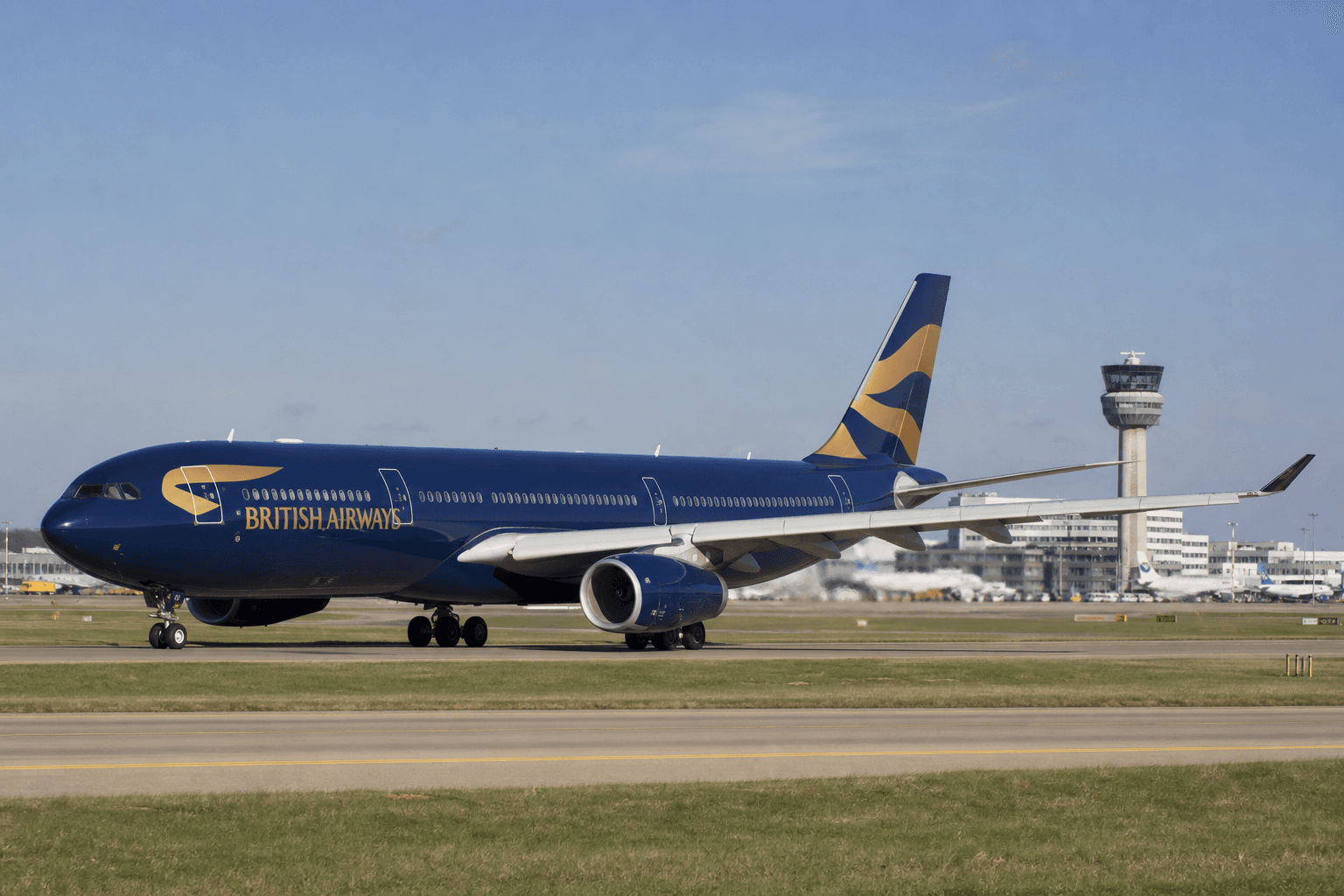
Air Zimbabwe resumes Harare-London flights via ACMI deal with Spain's Plus Ultra
The African carrier is not allowed to operate in UK or EU airspace using its own aircraft. Air Zimbabwe plans to reinstate flights to the UK after a more than 14-year hiatus through an aircraft, crew, maintenance and insurance (ACMI) arrangement with Chapman Freeborn that will see Spanish airline Plus Ultra operate the route on behalf of the African carrier with an Airbus A330. Harare-based Air Zimbabwe remains on the UK Air Safety List and continues to be blacklisted by the European Commission, which means it is not permitted to operate in EU or UK airspace with its own aircraft. For this reason, it has reached a long-term agreement with Chapman Freeborn – a division of Avia Solutions Group – for the service to be operated by Madrid-based charter specialist Plus Ultra. The new Harare-London Gatwick route will operate three times a week from the end of this month. "This is an important milestone for Air Zimbabwe and a significant step in restoring direct connectivity between Zimbabwe and the United Kingdom," says Chapman Freeborn's India, Middle East and Africa president, Linas Dovydenas. "Across Africa, we continue to see growing demand for flexible capacity solutions as airlines look to rebuild networks, respond to passenger demand and manage fleet requirements more efficiently." Chapman Freeborn's ACMI director, Daniel Huggins, says long-haul arrangements such as that reached with Air Zimbabwe require "close co-ordination between airlines, operators, aviation authorities and commercial partners". He adds: "In this case, our team supported the project from a capacity and contract-management perspective, helping to bring together the right structure for a strategically important route." Air Zimbabwe primarily operates domestic and regional flights in Africa. It lists on its website a fleet comprising A330-300, ATR 42-500, Boeing 777-200, 767-200, 737 and Embraer ERJ-145 aircraft. The carrier was placed on the European Union Aviation Safety Agency's blacklist in 2017. It had operated Harare-London flights up until the end of 2011, when one of its 767-200s was impounded at Gatwick for an alleged failure by the airline to keep up to date with payments for spare parts.
The Daily Touch & Go
The day's best aviation news in your inbox. Free, no spam.