


Louisiana Grants Liability Shield to Private Airfield Owners to Boost General Aviation
New state legislation limits liability for private airfield owners, aiming to encourage more landowners to open their properties for public aviation use and lessen legal risks.
The gist
Louisiana's new law lowers legal risks for private airfield owners, promoting more open-use airfields and supporting general aviation growth.
Louisiana has enacted a new law extending liability protection to owners of private airfields, a move that aviation advocates say could spur more private landowners to make their airstrips available for public use. This legislation aims to reduce the legal concerns that previously discouraged private airfield owners from opening their properties to the broader aviation community.
Under the new measure, private airfield owners benefit from limited liability in cases involving injuries or damages occurring on their premises, provided that the incidents were not due to willful or malicious conduct. This liability shield is designed to align Louisiana with similar protections found in other states, thereby encouraging the development and preservation of privately owned airstrips.
The scarcity of accessible airfields in some regions has been an ongoing challenge for general aviation pilots, particularly in rural areas where public airports are limited. By protecting private airfield owners from extensive lawsuits, the state intends to increase the number of available landing options, enhancing connectivity for small aircraft operators and potentially stimulating local economies through increased aviation activity.
This legislation also reflects a broader recognition of the importance of general aviation infrastructure in economic development and emergency response capabilities. Private airfields often serve as critical access points for medical flights, disaster relief, and agricultural aviation services. Thus, reducing the barriers for their operation has implications beyond recreational flying.
Industry groups and pilot associations have expressed support for the law, suggesting it will improve safety and accessibility by fostering more open-use policies and improved maintenance of private airstrips. They note that without the threat of crippling lawsuits, landowners may be more willing to invest in infrastructure upgrades and grant access to transient pilots.
Looking forward, Louisiana’s approach may serve as a model for other states seeking to balance liability concerns with the need to expand general aviation infrastructure. Observers will be watching how the implementation impacts the number of private airfields available to the public and whether it achieves the goal of encouraging greater participation in aviation activities across the state.
Read more
All Airports →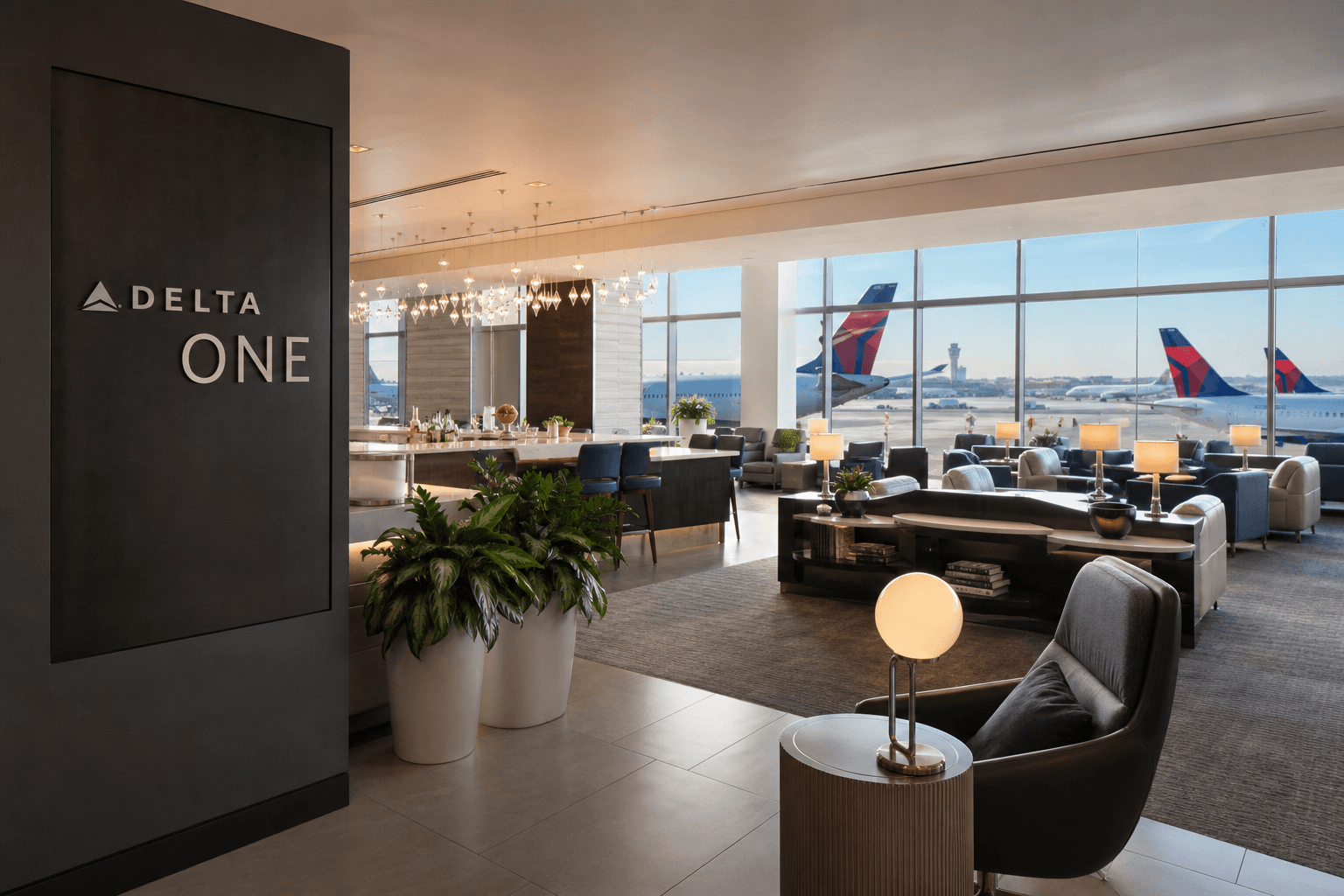
Delta Unveils Expansive 4,000-Sq-Ft Delta One Lounge in LAX Terminal 2
Delta continues its premium product expansion at LAX. What does the new Terminal 2 Delta One Lounge have to offer?
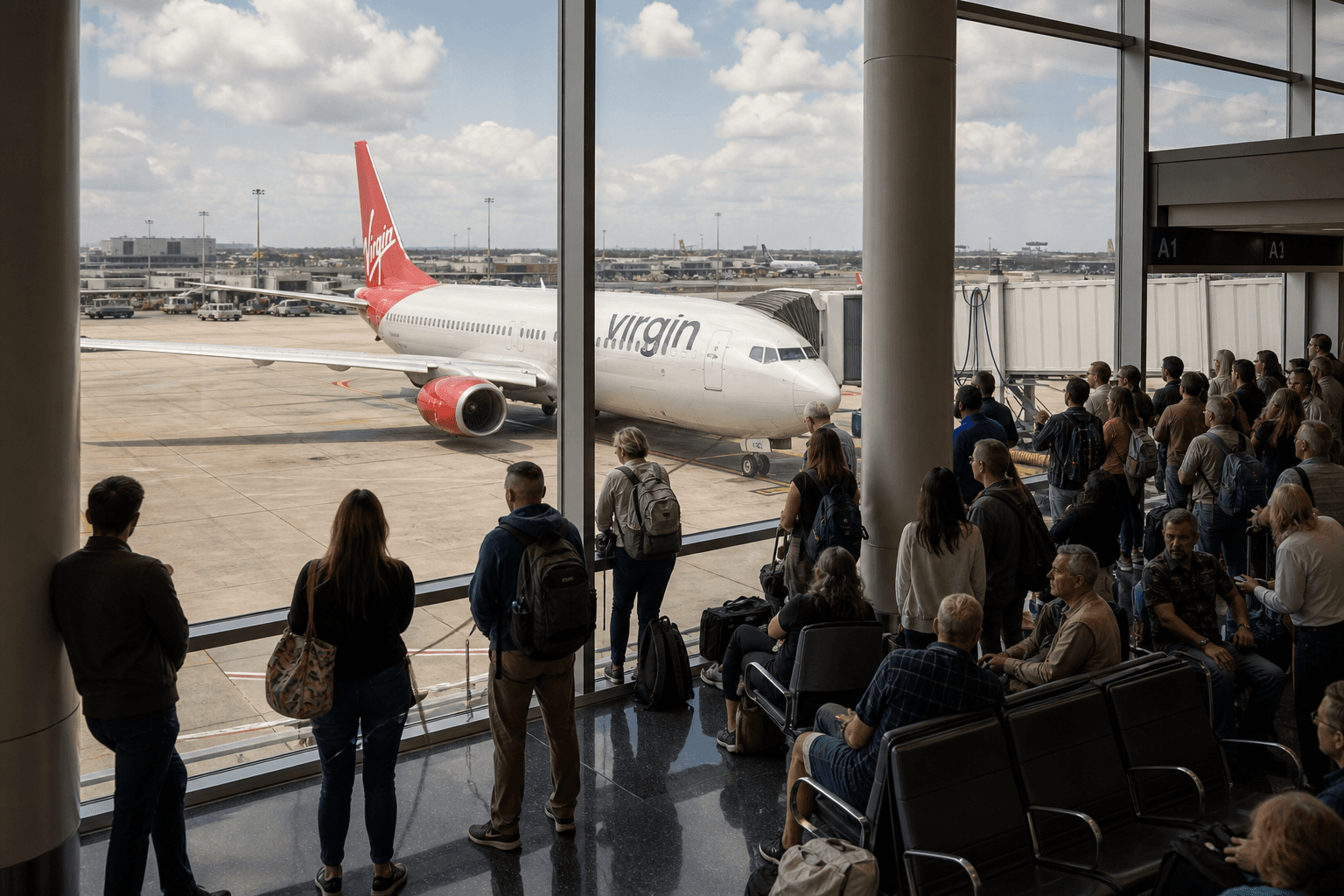
Orlando Airport Baggage Delays Leave 800 Stranded Over Five Hours
Over five hours passed before any sign of bags arrived on the carousel, with three other Virgin flights facing the same ordeal, stranding 800.
![Massive Cuts: Southwest Airlines Ends 7 Routes From This Important Airport [List & Map]](/_next/image?url=https%3A%2F%2Favoibnodqwjxlpbhunuu.supabase.co%2Fstorage%2Fv1%2Fobject%2Fpublic%2Fstory-images%2Fai%2Fmassive-cuts-southwest-airlines-ends-7-routes-from-this-important-airport-list-a-6edb8ace.png&w=3840&q=75)
Southwest Airlines Ends Seven Routes from Mid-Sized Airport, Reshaping Its Network
The facility is still Southwest's 11th-busiest airport by departing flights this Q3.
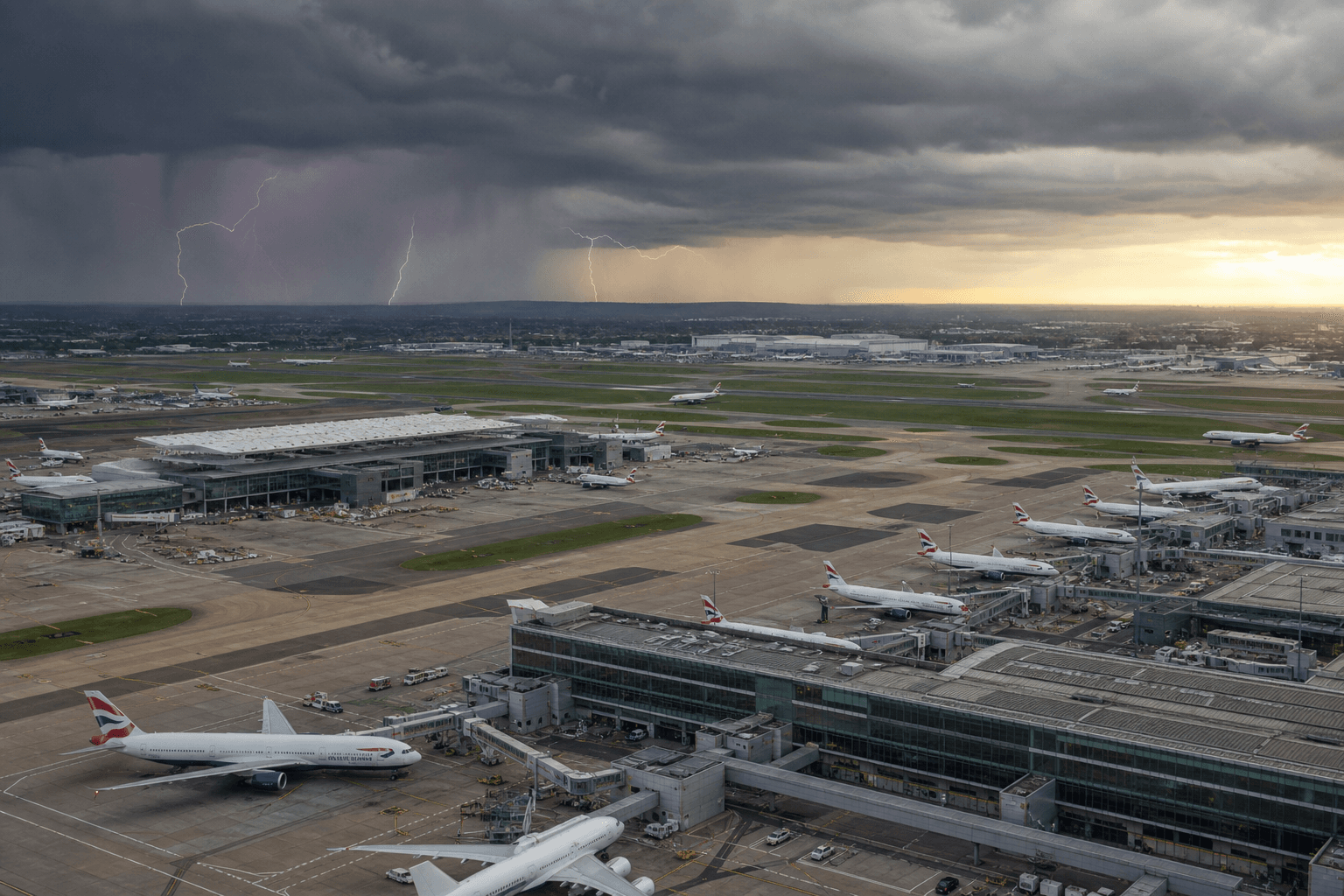
Severe Storms Disrupt Over 900 Flights at Heathrow and Gatwick
Heathrow and Gatwick faced severe thunderstorms, resulting in hundreds of flights being canceled or delayed, causing chaos for travelers.
The Daily Touch & Go
The day's best aviation news in your inbox. Free, no spam.