

Image: Flickr user:katjung · CC BY-SA 2.0 · via Wikimedia Commons
Major Earthquakes Cause Severe Damage at Caracas Airport, Kill Dozens in Venezuela
Two powerful earthquakes struck Venezuela near Caracas, heavily damaging Simon Bolivar International Airport and prompting a nationwide state of emergency with dozens of fatalities reported.
The gist
Two strong earthquakes damaged Caracas airport heavily and led to at least 32 deaths, prompting a state of emergency in Venezuela.
Continuing coverage
All Latin America →Venezuela experienced two catastrophic earthquakes on the evening of June 24, 2026, shaking the region around its capital with unprecedented force. The United States Geological Survey recorded an initial magnitude 7.2 tremor at 18:04 local time, quickly followed by a larger magnitude 7.5 mainshock just 39 seconds later. These quakes caused widespread devastation in and around Caracas, including severe damage to critical infrastructure such as Simon Bolivar International Airport.
The national government responded swiftly, with Interim President Delcy Rodríguez declaring a state of emergency throughout Venezuela. Authorities reported 32 confirmed deaths with hundreds of injuries as rescue and relief operations commenced. Meanwhile, the USGS indicated a grim outlook with more than a 50% probability that the death toll could rise to over 10,000 due to the magnitude and impact of the mainshock near the town of Yumare, southeast of Caracas.
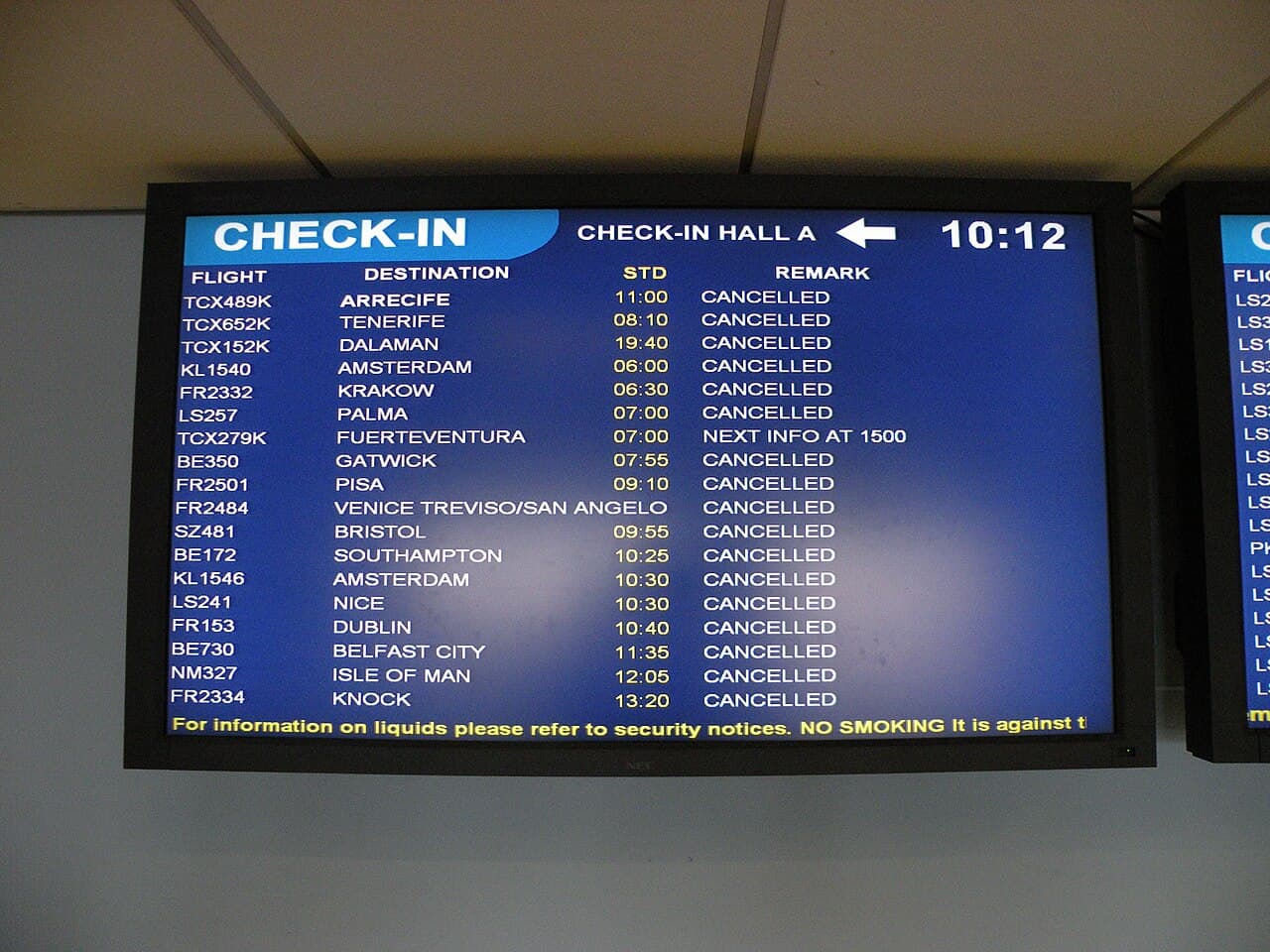
Simon Bolivar International Airport, also known as Maiquetia Airport, suffered significant structural damage, forcing an immediate closure. Video footage circulated on social media showed the airport's buildings violently shaking, ceiling sections collapsing, and passengers scrambling to safety amidst the chaos. The disruption has grounded all commercial flights, including several scheduled carriers such as American Airlines, Avianca, Wingo, and LATAM Airlines due to operate on June 25, 2026.
Affected airlines have begun to adapt to the crisis. American Airlines announced it would waive change fees for all passengers booked to or from Venezuela on June 25 to accommodate schedule adjustments amid the airport closure. Likewise, LATAM Airlines Colombia publicly conveyed solidarity with victims and activated flexible travel options to help concerned travelers reorganize their plans.
During a nationally broadcast address, President Rodríguez urged the Venezuelan population to remain calm and united while confirming the establishment of a 'General Staff' — a coordinated emergency response team led by several sectoral vice presidents. She emphasized the activation of the entire healthcare system, requesting all medical staff to report for duty as Venezuela mobilizes its resources to handle casualties and stabilize the situation.
The government’s rapid response involves mobilizing public and private health networks across the nation to support rescue and recovery efforts. The President’s call to doctors, nurses, and health personnel underscores the scale of the emergency and the need for a coordinated healthcare response. The state of emergency aims to streamline resources vital for search, rescue, and relief operations following the twin earthquakes.
Internationally, expressions of sympathy and offers of assistance have poured in. US President Donald Trump publicly conveyed condolences and confirmed that American agencies have been ordered to prepare for rapid deployment of aid to Venezuela. In a direct line of communication, Venezuelan President Rodríguez also spoke with US Secretary of State Marco Rubio, who expressed solidarity and pledged support during this period of national crisis.
The earthquakes’ timing and power highlight vulnerabilities in urban infrastructure and emergency preparedness in seismically active zones like Venezuela. The extensive damage to the country’s main international airport illustrates the challenge of maintaining essential transport links during such disasters. This event is likely to have significant repercussions on connectivity and humanitarian logistics in the coming weeks.
With aftershocks expected and extensive damage reported, Venezuela faces a critical period as government, health services, and international partners rally to manage immediate consequences. The destruction of a key airport hub complicates relief efforts, increasing the urgency for coordinated emergency management and infrastructure assessment in the region.
Read more
All Airports →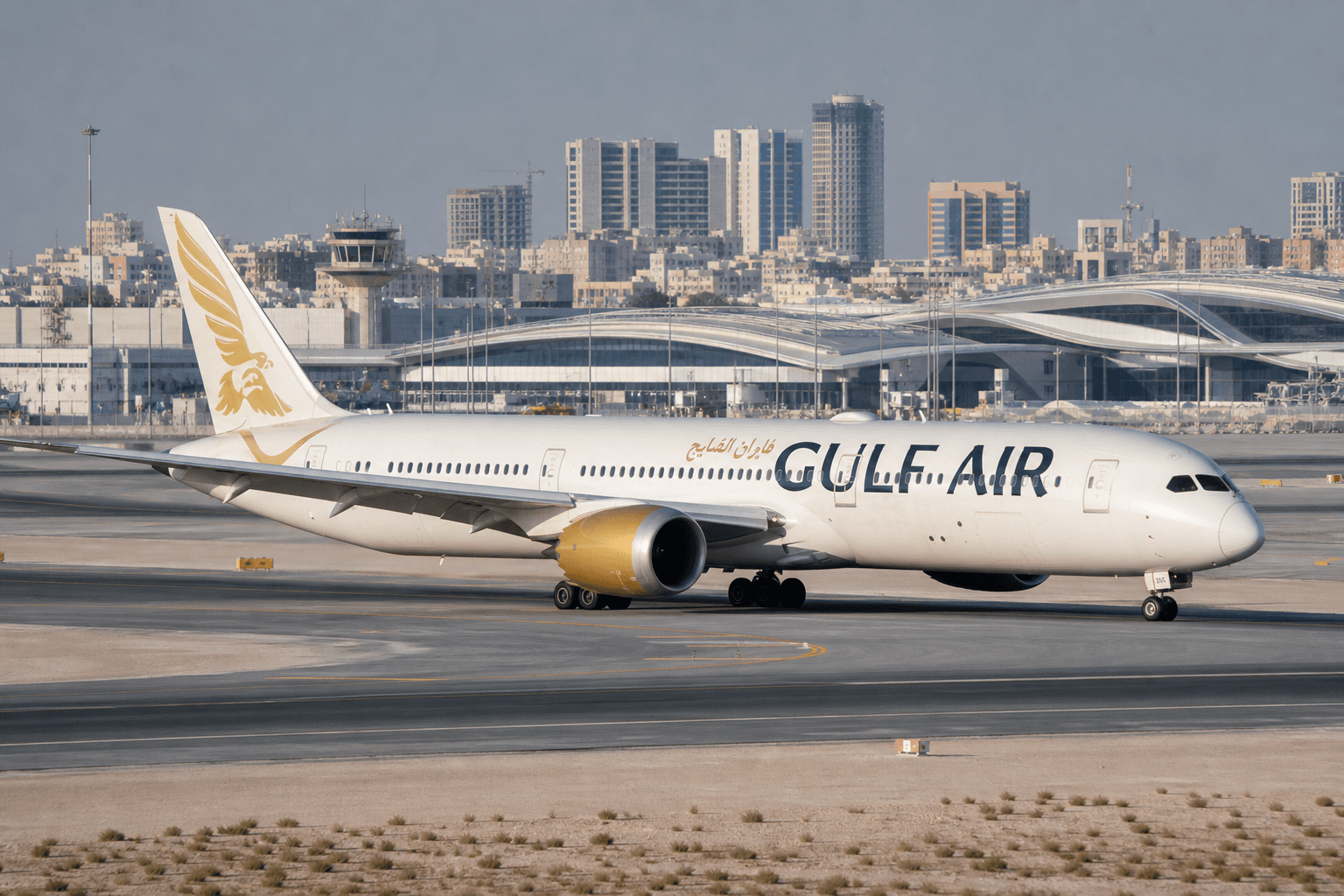
Gulf Air Positions Itself as Signature Premium Connector Amid Gulf Giants
Gulf Air is the flag carrier of the small Gulf state of Bahrain and is based at Bahrain International Airport (BAH), the only commercial airport in the country. However, it is also in a region where it has to compete with much larger and better-known rival airlines . Gulf Air CEO Martin Gauss told Simple Flying at the Farnborough Airshow how the airline is planning to compete with its much larger neighbors that include Qatar's Qatar Airways, the UAE's Emirates and Etihad, and Saudi Arabia's Saudia and Riyadh Air.
British Airways A380 Returns to Johannesburg After Weather Radar Failure En Route to London
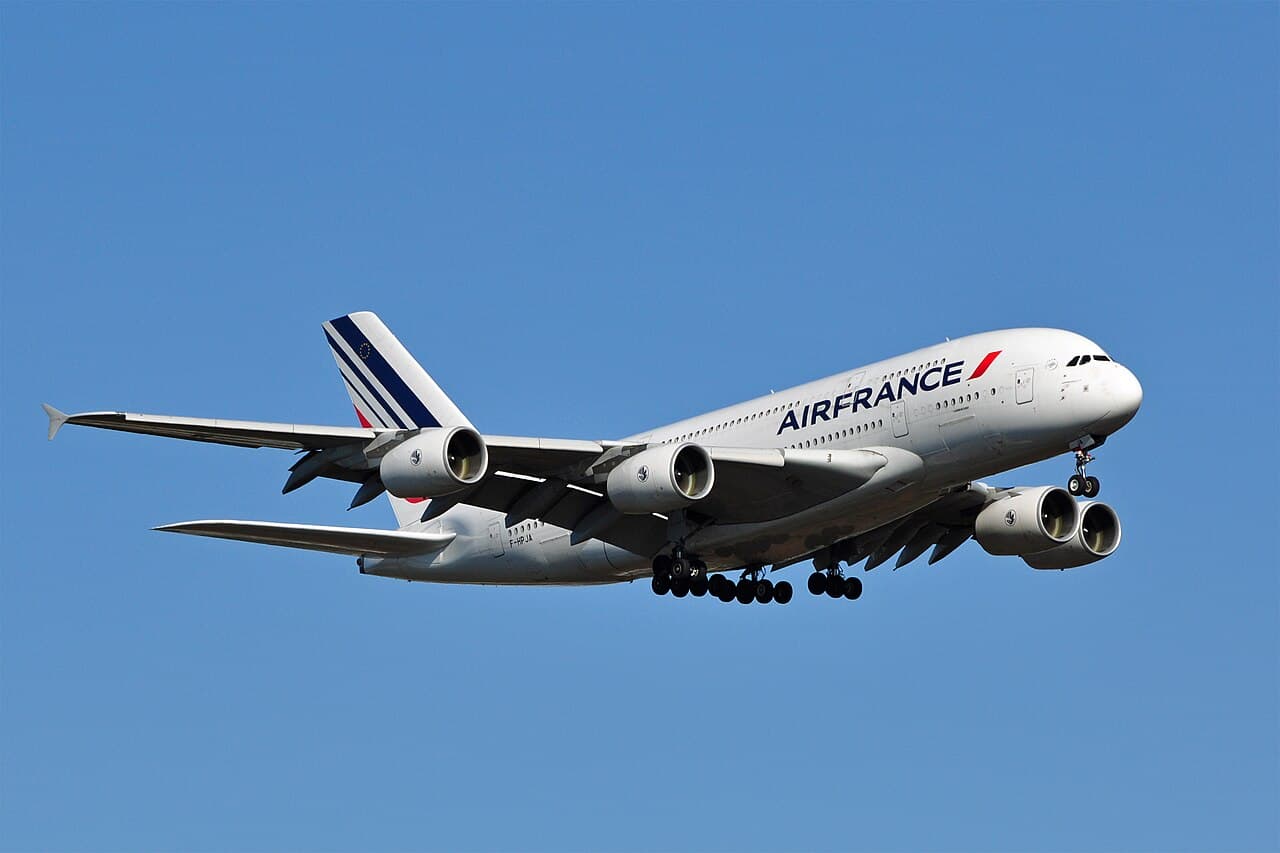
On August 8, a British Airways Airbus A380 was forced to return to base seven hours after departing Johannesburg Airport (JNB) bound for London Heathrow Airport (LHR). The pilots decided to divert back to JNB because the weather radar persistently malfunctioned and no troubleshooting efforts could resolve the issue.
Qatar Airways to operate its first Airbus A380 flight to Amman in January 2027
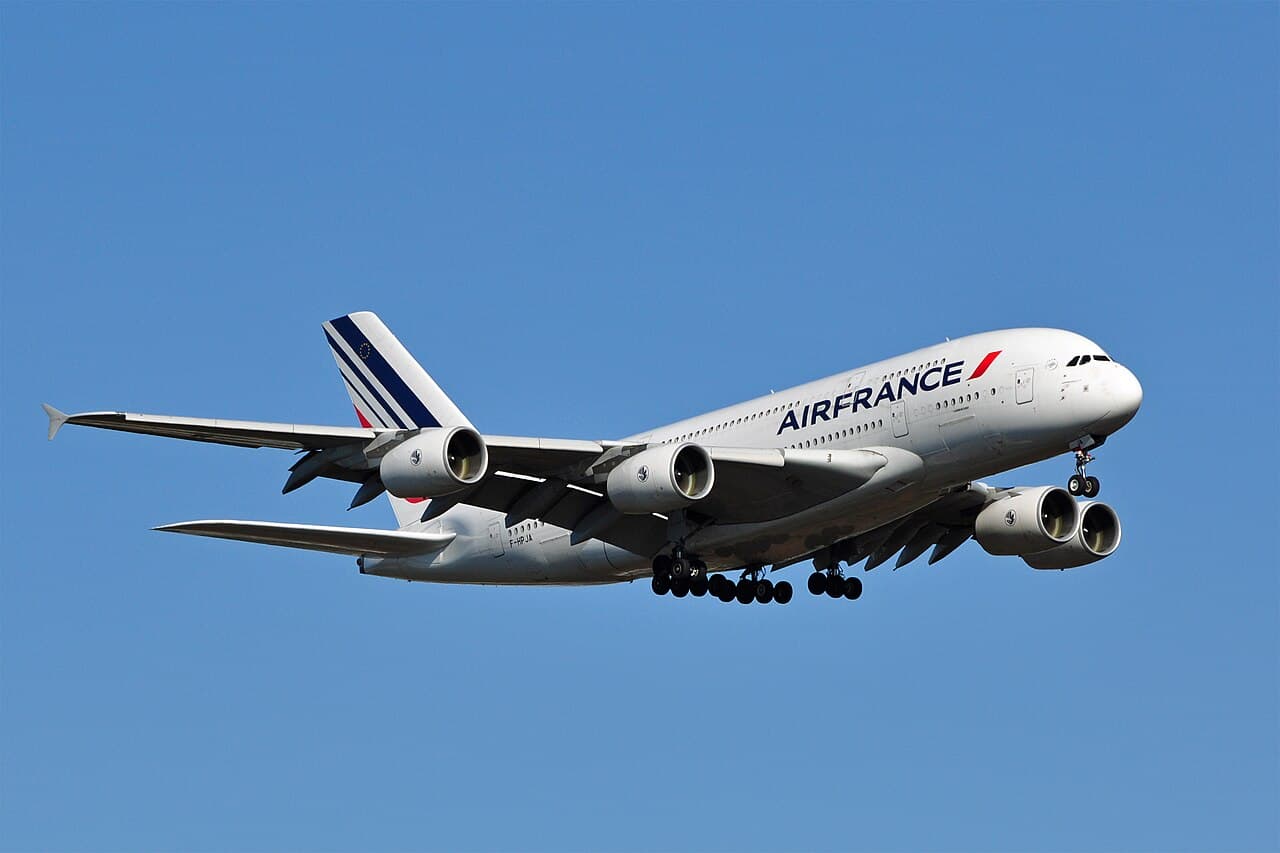
Qatar Airways has scheduled a one-off rotation with the Airbus A380 on its short-haul route between its main hub at Hamad International Airport (DOH) in Doha, Qatar, and Queen Alia International Airport (AMM) in Amman , Jordan. This filing has raised eyebrows as, while the carrier does already serve Amman on a regular basis, it does so with smaller widebody twinjets, as opposed to the huge A380.
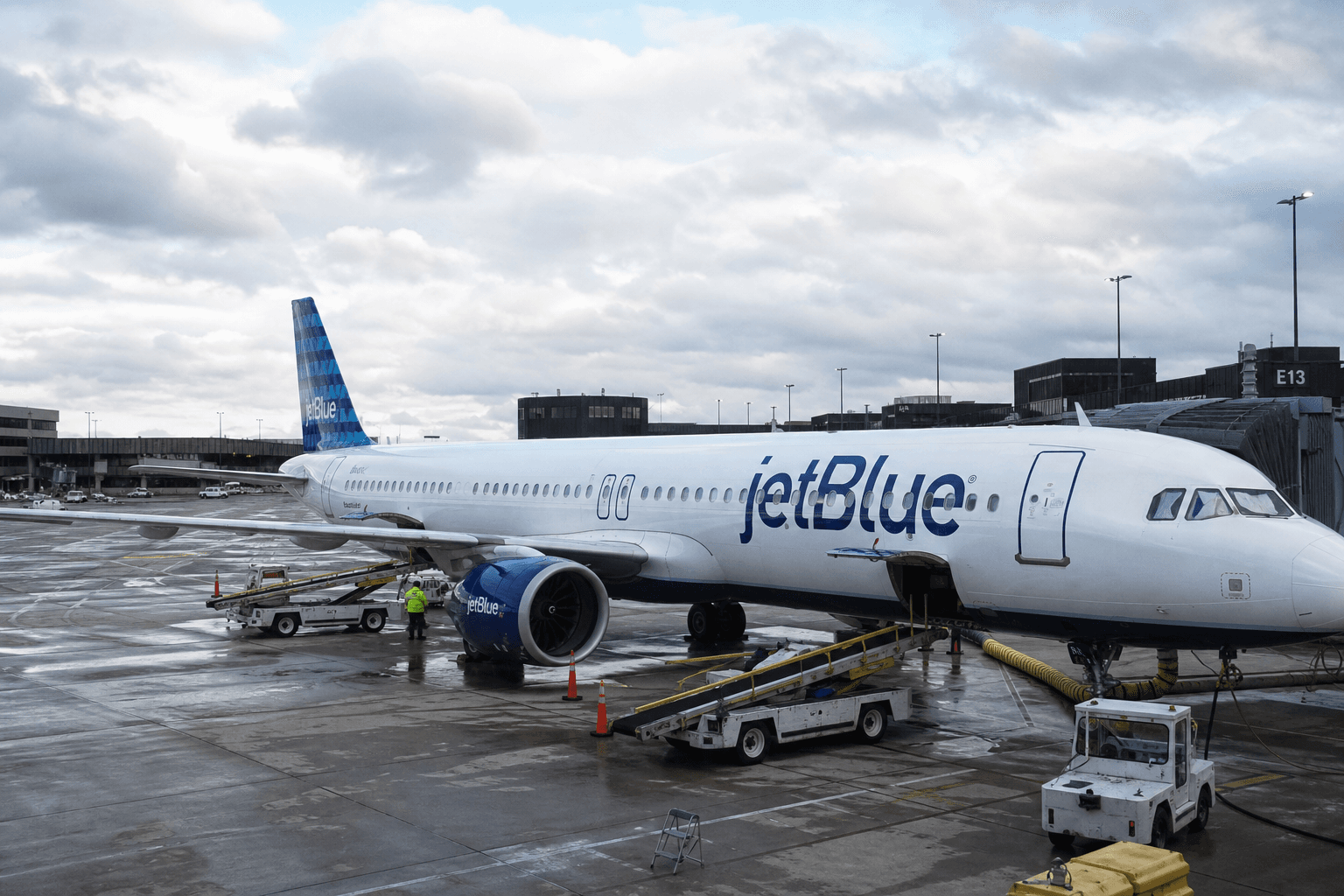
JetBlue Cancels Boston-Barcelona Flights as Pilot Delays Hit Transatlantic Routes
What to Know JetBlue cancelled two Boston-to-Barcelona flights after the pilots assigned to fly them got stuck on delayed connecting domestic flights, the latest sign of the airline’s deepening operational problems. In This Article Why finding a replacement pilot in Boston isn’t simple, since most pilots aren’t qualified to fly transatlantic routes. How a separate Boston-to-Paris flight was delayed past 1 a.m. after multiple crews called out with fatigue. The bonuses, worth up to $4,000, JetBlue is offering flight attendants to help stabilize the schedule. Why JetBlue’s month-long “Level 2” operational alert shows no signs of easing. Show 4 more points + .pyok-callout { display: flex; border-radius: 0; background: #f7f9fc; margin: 24px 0; font-family: -apple-system, BlinkMacSystemFont, "Helvetica Neue", Arial, sans-serif; } .pyok-callout-inner { padding: 20px 24px; width: 100%; } .pyok-callout-head { margin-bottom: 12px; } .pyok-callout-tag { font-size: 20px; font-weight: 900; letter-spacing: 0.04em; text-transform: uppercase; color: #120E43; } .pyok-callout-list { margin: 0; padding: 0; list-style: none; } .pyok-callout-list li { position: relative; padding-left: 18px; margin-bottom: 12px; font-size: 17px; line-height: 1.55; color: #1a1a1a; } .pyok-callout-list li::before { content: ""; position: absolute; left: 0; top: 9px; width: 6px; height: 6px; border-radius: 50%; background: #120E43; } .pyok-callout-list-more li:last-child { margin-bottom: 0; } .pyok-callout-subhead { text-align: center; font-size: 11px; font-weight: 700; letter-spacing: 0.1em; text-transform: uppercase; color: #8a93a3; margin: 22px 0 14px; padding-top: 14px; border-top: 1px solid #e1e7ef; } .pyok-callout-more { max-height: 0; overflow: hidden; transition: max-height 0.35s ease; } .pyok-callout-toggle { display: inline-flex; align-items: center; gap: 6px; margin-top: 10px; padding: 0; border: none; background: none; color: #120E43; font-size: 14px; font-weight: 700; cursor: pointer; } .pyok-callout-toggle:hover { text-decoration: underline; } .pyok-callout-toggle-icon { display: inline-flex; align-items: center; justify-content: center; width: 16px; height: 16px; border: 1.5px solid #120E43; border-radius: 0; font-size: 12px; line-height: 1; } (function () { document.querySelectorAll('.pyok-callout-toggle').forEach(function (btn) { btn.addEventListener('click', function () { var card = btn.closest('.pyok-callout-inner'); var more = card.querySelector('[data-more]'); var isOpen = btn.getAttribute('aria-expanded') === 'true'; var textEl = btn.querySelector('.pyok-callout-toggle-text'); var iconEl = btn.querySelector('.pyok-callout-toggle-icon'); if (isOpen) { more.style.maxHeight = '0px'; btn.setAttribute('aria-expanded', 'false'); textEl.textContent = btn.dataset.moreText; iconEl.textContent = '+'; } else { more.style.maxHeight = more.scrollHeight + 'px'; btn.setAttribute('aria-expanded', 'true'); textEl.textContent = btn.dataset.lessText; iconEl.textContent = '\u2212'; } }); }); })(); JetBlue’s ongoing operational woes are now starting to affect its flagship transatlantic services after the airline was forced to cancel two recent long-haul flights from Boston to Barcelona because the pilots who were going to fly the planes were stuck on delayed domestic flights. That’s the claim made by insiders cited by trusted aviation source JonNYC on X, who explained that the pilots were being flown by JetBlue from its hub at New York JFK to Boston Logan specifically to operate these flights. The pilots were deadheading on regular domestic flights as part of a duty, but the planes they were booked on out of New York JFK were so delayed due to air traffic control restrictions that there was no hope for them to operate the onward transatlantic service and still be within their legal operating hours. Deadheading: When pilots or flight attendants travel as passengers on a flight as part of a work duty. Typically, a deadheading flight counts towards the maximum number of hours that a crew member can work in a day, even though they are not actively working the flight. Airlines typically use deadheading to get crew to a different airport from where they will then operate a flight. Deadheading can also be used to get crew home when things have gone wrong, and the flight they were expected to work has been cancelled. JetBlue flight 345 from Boston Logan (BOS) to Barcelona El Prat (BCN) was cancelled on August 6 for this exact reason, and then just two days later, the same flight was cancelled due to pilot arrival delays on August 8. Finding a replacement pilot in Boston isn’t nearly as simple as you might think. In order to fly planes across the Atlantic Ocean, pilots must undergo special training called the 'Atlantic European' qualification . which covers the different air traffic control procedures in use across the Atlantic, including the lack of radar-based air traffic control. Pilots don’t routinely acquire the 'Atlantic European' qualification, so the number of reserve pilots in Boston available to take on this type of flying at very short notice is limited, to say the least. The source also claimed a recent JetBlue flight between Boston and Paris Charles de Gaulle had to be delayed by four hours, eventually departing at past 1 am in the morning on August 10 because so many crews have been calling out with fatigue. Tomorrow 1107 JFK-LHR is showing delayed till 1p but that might cancel because of the LHR curfew. other crews calling out fatigue because of the ops the last few days. i.e. BOS-CDG tonight it's delayed to 1a And the CDG is delayed because they used a LR on a bos-chs-bos turn… — JonNYC (@xJonNYC) August 10, 2026 JetBlue did not immediately respond to a request for comment. Operational woes have been a persistent headache at the airline for the past month, with the airline declaring a so-called Level 2 alert for operational pressures for weeks on end. Some of JetBlue’s problems are down to significant adverse summer weather that has plagued the Northeast, although its recovery from these weather events has been far from stellar. In an attempt to reset its operation, JetBlue has been offering flight attendants a bonus of up to $4,000 if they pick up a considerable amount of extra flying on their scheduled days off. A flying bonus is also being offered to all flight attendants for August, with the ability to earn between 2,000 and 4,000 Crewbucks – an internal currency that can be exchanged for confirmed flights or even cash. 2,000 Crewbucks is worth $2,000, and 4,000 Crewbucks are worth $4,000. Insiders, however, claim the amount of additional work to achieve to $4,000 bonus would be almost impossible. With crews working long duty days due to weather and air traffic control delays, fatigue calls reportedly remain at elevated levels. Unfortunately, it doesn’t look like the Northeast with the Federal Aviation Administration reporting considerable ground delays at New York JFK due to thunderstorms on Tuesday.
The Daily Touch & Go
The day's best aviation news in your inbox. Free, no spam.