

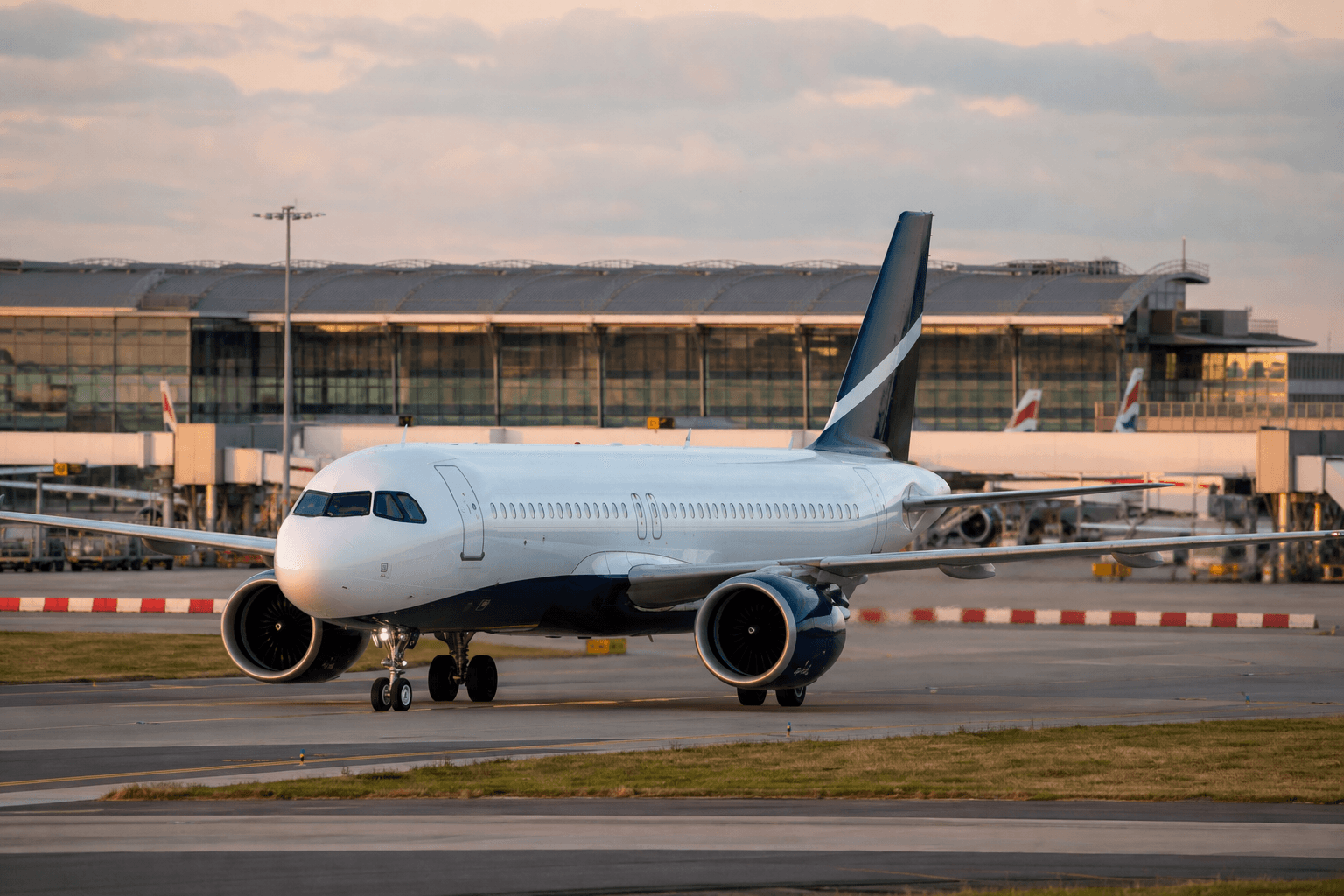
Illustration: The Touch & Go
Star Alliance CEO urges Heathrow to keep members co-located and ensure affordable expansion
Star Alliance insists its Heathrow members remain united in Terminal 2 as the airport reviews terminal assignments and expansion plans must remain cost-effective.
The gist
Star Alliance demands Heathrow keep all its airlines co-located in Terminal 2 and calls for affordable expansion costs to protect member interests.
Star Alliance's chief executive, Theo Panagiotoulias, has firmly opposed any plan by London Heathrow Airport to separate the alliance's member airlines that currently operate together out of Terminal 2. Speaking at an Aviation Club event in central London on 25 June 2026, Panagiotoulias emphasized the critical importance of co-location at Heathrow for the alliance's operational viability and competitiveness against home carriers. This longstanding arrangement, which has been in place since 2014, allows Star Alliance carriers to streamline passenger transfers and offer a cohesive network experience within the highly competitive Heathrow hub.
The alliance has appointed Simon Ralph as managing director for the UK to specifically oversee and advocate on behalf of Star Alliance interests within the London market. Ralph’s role includes engaging with Heathrow’s terminal occupancy review process to ensure that any decisions do not fragment the alliance’s presence or undermine its operational cohesion. Panagiotoulias reiterated that disrupting this co-located model would not be acceptable to the alliance, cautioning that any plan altering terminal assignments must be considered carefully given Heathrow's high strategic value to Star Alliance's business in the UK.
Heathrow Airport recently confirmed it is undertaking a routine terminal occupancy review aimed at better balancing airline operations across its terminals. The airport seeks to optimize terminal usage, especially to relieve congestion in busier terminals and improve utilization during off-peak hours. Heathrow spokeswoman acknowledged the process would involve consultation with airlines before any changes are implemented, signaling a potentially delicate negotiation with alliance groups such as Star Alliance about terminal allocations and operational impacts.
Beyond terminal arrangements, the Star Alliance CEO expressed support for Heathrow's planned expansion, including the proposed third runway. However, Panagiotoulias urged the airport to focus on affordability, warning that some projected costs appear excessive and could jeopardize the economic viability for airline users. He pressed for prioritization of essential infrastructure elements rather than costly enhancements that might not be critical, underscoring the financial pressures many carriers already face.
The Heathrow expansion debate currently includes two main runway proposals. Panagiotoulias commented on the alternative plans: one for a shorter 2,800-meter runway, and another, favoured by Heathrow Airport Limited and supported by the UK government, for a longer 3,500-meter runway requiring construction over the M25 motorway. While withholding judgement, the Star Alliance leader indicated that more detailed information on the operational benefits and cost implications of both proposals would be necessary before the alliance could take a position.
The UK government initiated a 10-week public consultation on 18 June 2026 for a revision of the Airports National Policy Statement, now rebranded as the Heathrow Expansion National Policy Statement. The consultation seeks feedback particularly focusing on environmental considerations such as climate change targets, air quality, noise pollution, and the economic implications of Heathrow’s expansion. This consultation forms a key backdrop for airport and airline stakeholders as they weigh the potential long-term impacts of the runway project.
The ongoing discussions around terminal allocation and runway expansion illustrate the complex balancing act Heathrow faces between maximizing operational capacity, maintaining airline partnership cohesion, and meeting stringent economic and environmental targets. For Star Alliance, safeguarding its united footprint at Terminal 2 is seen as essential to protecting its UK market position while keeping expansion costs manageable remains crucial for member airlines’ financial health.
Read more
All Airports →
Air India Sets New Flight Frequency Record on Delhi-Melbourne Route This Winter
Air India has scheduled a record number of flights between Delhi Indira Gandhi International Airport (DEL) and Melbourne Airport (MEL) this coming northern winter season, increasing weekly frequencies to ten flights. This is the largest schedule the Indian carrier has ever planned between the two cities as it rebuilds an international network scaled back sharply during the summer.
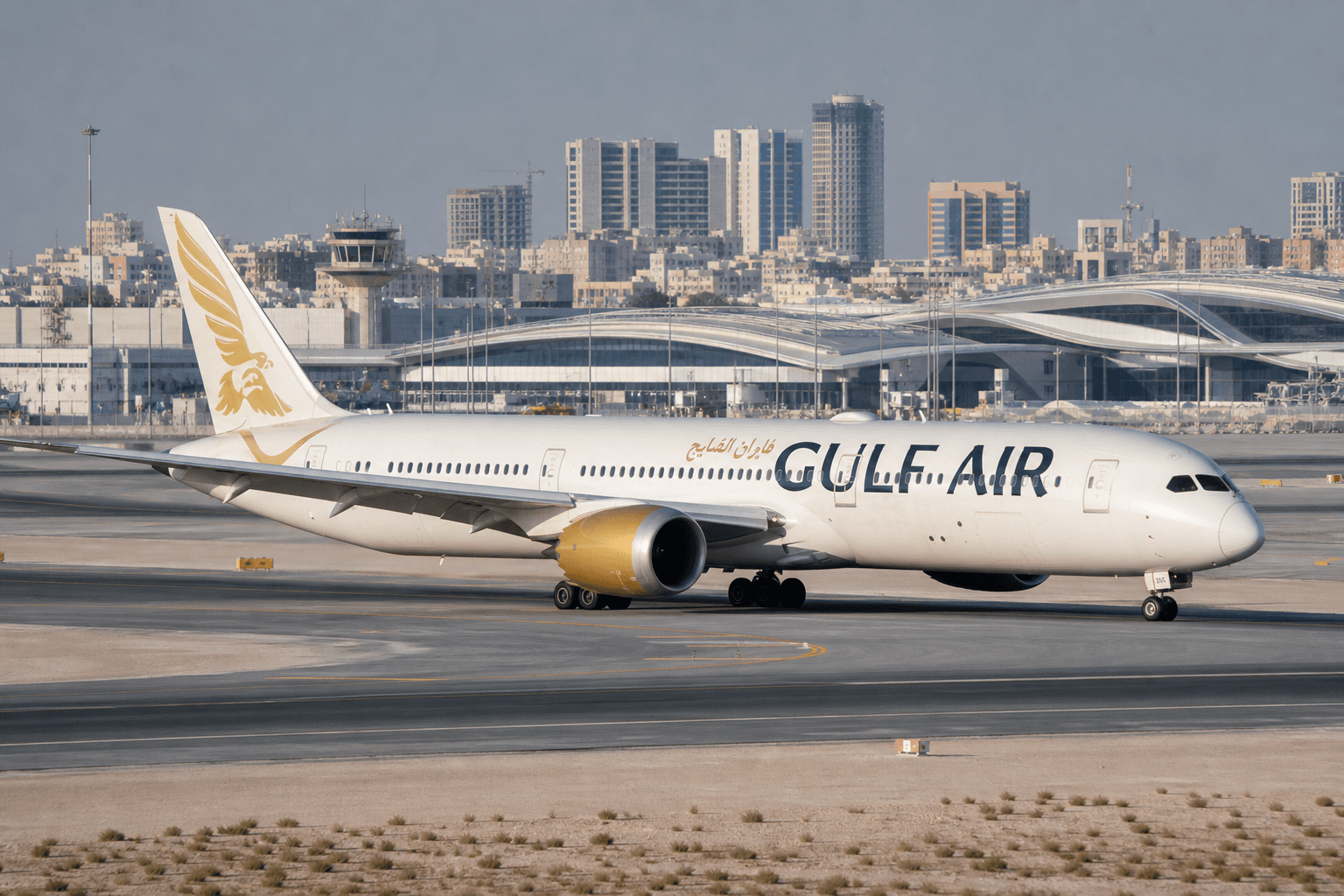
Gulf Air Positions Itself as Signature Premium Connector Amid Gulf Giants
Gulf Air is the flag carrier of the small Gulf state of Bahrain and is based at Bahrain International Airport (BAH), the only commercial airport in the country. However, it is also in a region where it has to compete with much larger and better-known rival airlines . Gulf Air CEO Martin Gauss told Simple Flying at the Farnborough Airshow how the airline is planning to compete with its much larger neighbors that include Qatar's Qatar Airways, the UAE's Emirates and Etihad, and Saudi Arabia's Saudia and Riyadh Air.
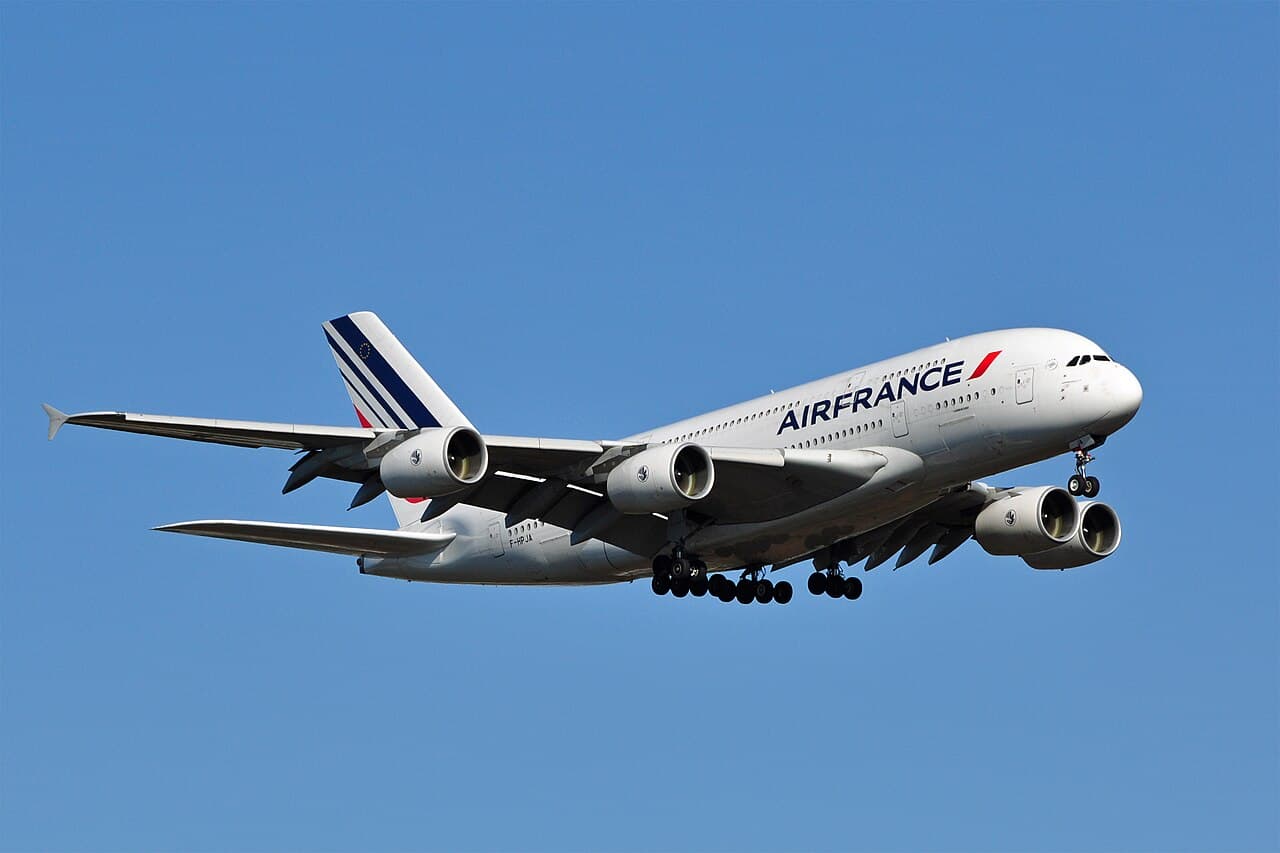
British Airways A380 Returns to Johannesburg After Weather Radar Failure En Route to London
On August 8, a British Airways Airbus A380 was forced to return to base seven hours after departing Johannesburg Airport (JNB) bound for London Heathrow Airport (LHR). The pilots decided to divert back to JNB because the weather radar persistently malfunctioned and no troubleshooting efforts could resolve the issue.
Qatar Airways to operate its first Airbus A380 flight to Amman in January 2027
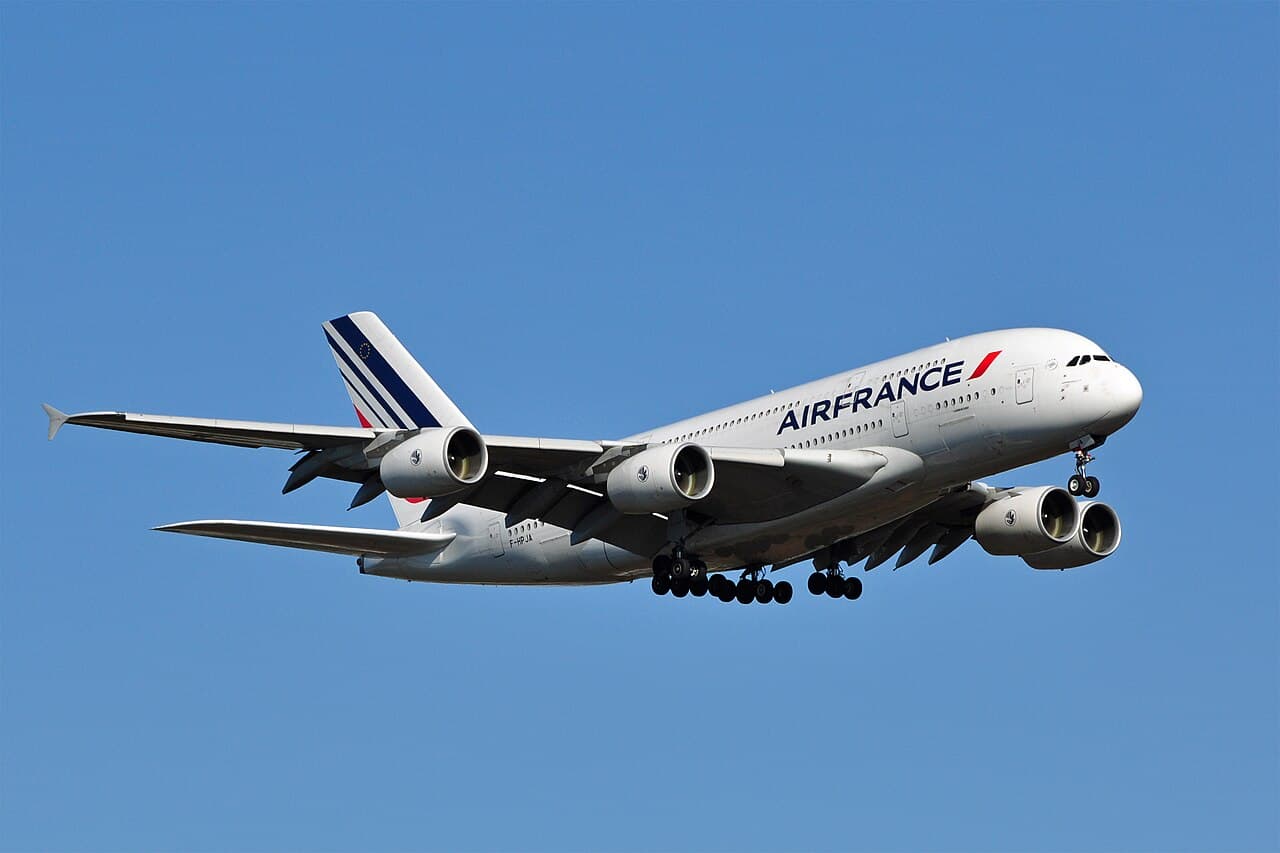
Qatar Airways has scheduled a one-off rotation with the Airbus A380 on its short-haul route between its main hub at Hamad International Airport (DOH) in Doha, Qatar, and Queen Alia International Airport (AMM) in Amman , Jordan. This filing has raised eyebrows as, while the carrier does already serve Amman on a regular basis, it does so with smaller widebody twinjets, as opposed to the huge A380.
The Daily Touch & Go
The day's best aviation news in your inbox. Free, no spam.