

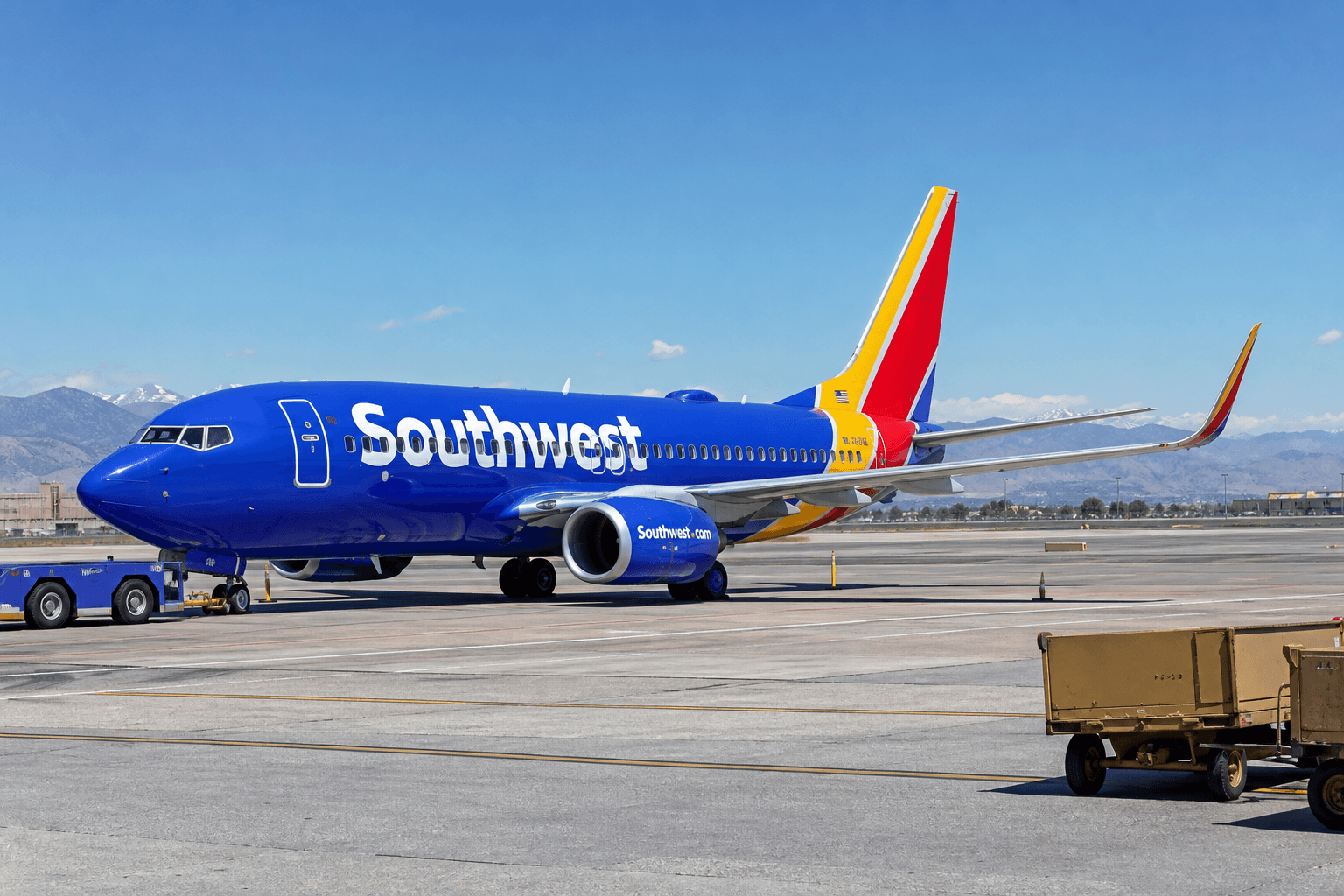
Illustration: The Touch & Go
Southwest Airlines Cuts Seven Routes from St. Louis Lambert Airport in Q3 2026
Southwest Airlines will discontinue seven routes from St. Louis Lambert International Airport this summer, focusing its capacity on Nashville and shifting its network strategy.
The gist
Southwest ends seven STL routes in Q3 2026 as part of network reshaping favoring Nashville hub expansion.
Continuing coverage
All Regional Routes →Southwest Airlines is set to reduce its network at St. Louis Lambert International Airport (STL) this coming third quarter of 2026 by eliminating seven routes that it previously operated in the same period last year. These cuts reflect the airline's strategic shift emphasizing greater capacity through its Nashville hub (BNA) and moving away from its traditional point-to-point model.
Five of the routes being dropped from STL serve destinations relatively close to St. Louis, including Des Moines, Little Rock, Tulsa, Wichita, and Oklahoma City. These regional services typically had similar flight frequencies, with four of them each managing 107 departures from STL in Q3 last year, amounting to tens of thousands of seats annually. The seventh and eighth cuts affect longer-haul routes to California's Long Beach and San Jose, which had lower frequencies, at 34 and 5 departures respectively in the same timeframe.
According to Cirium aviation data, the seat totals offered on the regional routes ranged from about 15,845 to 17,829 in the previous third quarter. Oklahoma City flights numbered 108 departures in Q3 last year. In a statement reported by Men's Journal via Yahoo News, Southwest reaffirmed its commitment to the St. Louis market, highlighting plans to serve the city for years to come despite the adjustments.
Despite the elimination of these seven routes, Southwest maintains a significant operational presence at St. Louis Airport. Data show the airline’s scheduled departures in Q3 2026 will total nearly 9,945 flights, cementing STL as Southwest’s 11th-busiest base. These flights collectively offer over 1.6 million one-way seats, underscoring the airport's importance to the carrier.
International service from St. Louis continues on a smaller scale, with only 126 scheduled flights to foreign destinations in Q3 2026. The majority of these international flights connect to popular leisure destinations, as 112 rotations are scheduled to Cancun, with Montego Bay and Punta Cana receiving five flights each. San Jose del Cabo is also served with four flights during the quarter.
Domestic routes dominate Southwest’s STL operations, accounting for 98.7 percent of departures this summer. Denver leads in flight frequency with 610 departures, followed by Orlando (545), Dallas Love Field (512), Chicago Midway (458), and Las Vegas (433). These destination choices reflect Southwest’s ongoing preference for connecting major leisure and business markets from its St. Louis base.
Historically, Southwest’s operations at St. Louis have witnessed fluctuations in scale. Flight scheduling at STL by Southwest rose steadily from 20,641 departures in 2004 to a peak of 26,392 in 2008. Aside from some dips during economic downturns and the pandemic, departures surpassed 40,000 in 2019 and reached a high of 41,582 in 2025. The airline anticipates a slight decrease this year, projecting about 38,631 departures during 2026.
The current network reduction at STL aligns with Southwest’s broader strategic adjustments. The carrier is increasingly channeling more flights through Nashville International Airport, strengthening its hub operations there while scaling back select shorter and longer regional trips from St. Louis. This reflects a shift from point-to-point flights toward a more hub-and-spoke model, optimizing route efficiency and connectivity within Southwest’s system.
As Southwest streamlines service at STL, passengers on the discontinued routes will experience changes starting in the third quarter of 2026. However, the carrier’s robust schedule out of St. Louis and continued service to popular domestic and international leisure destinations ensures the airport remains a vital part of Southwest’s network.
Read more
All Airports →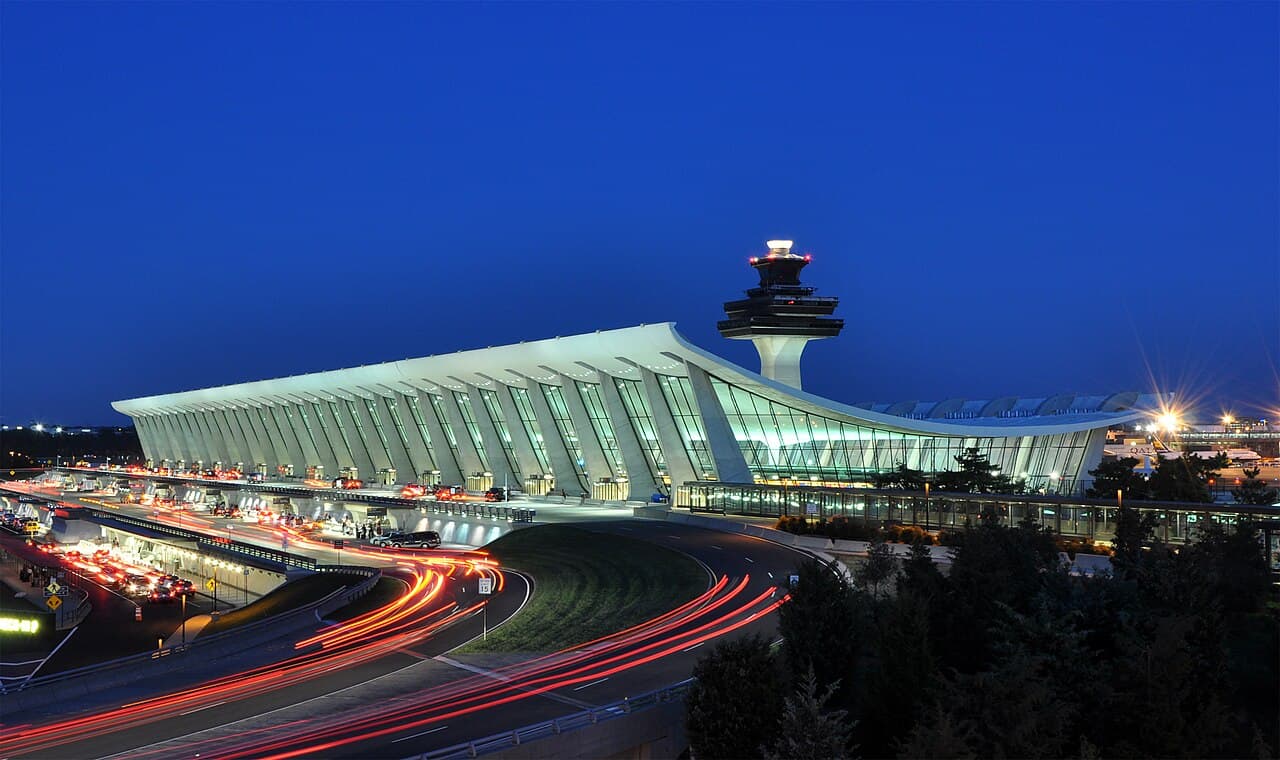
Dulles Airport $20B rebuild raises fees sharply, delays key facilities to 2040s
The Metropolitan Washington Airports Authority will vote on $15.5 billion for the Dulles rebuild, 99% financed with debt and pushing major work into at least 2039, while driving airline costs per passenger from $12.77 toward $90 which will undercut growth, competition and low fares.
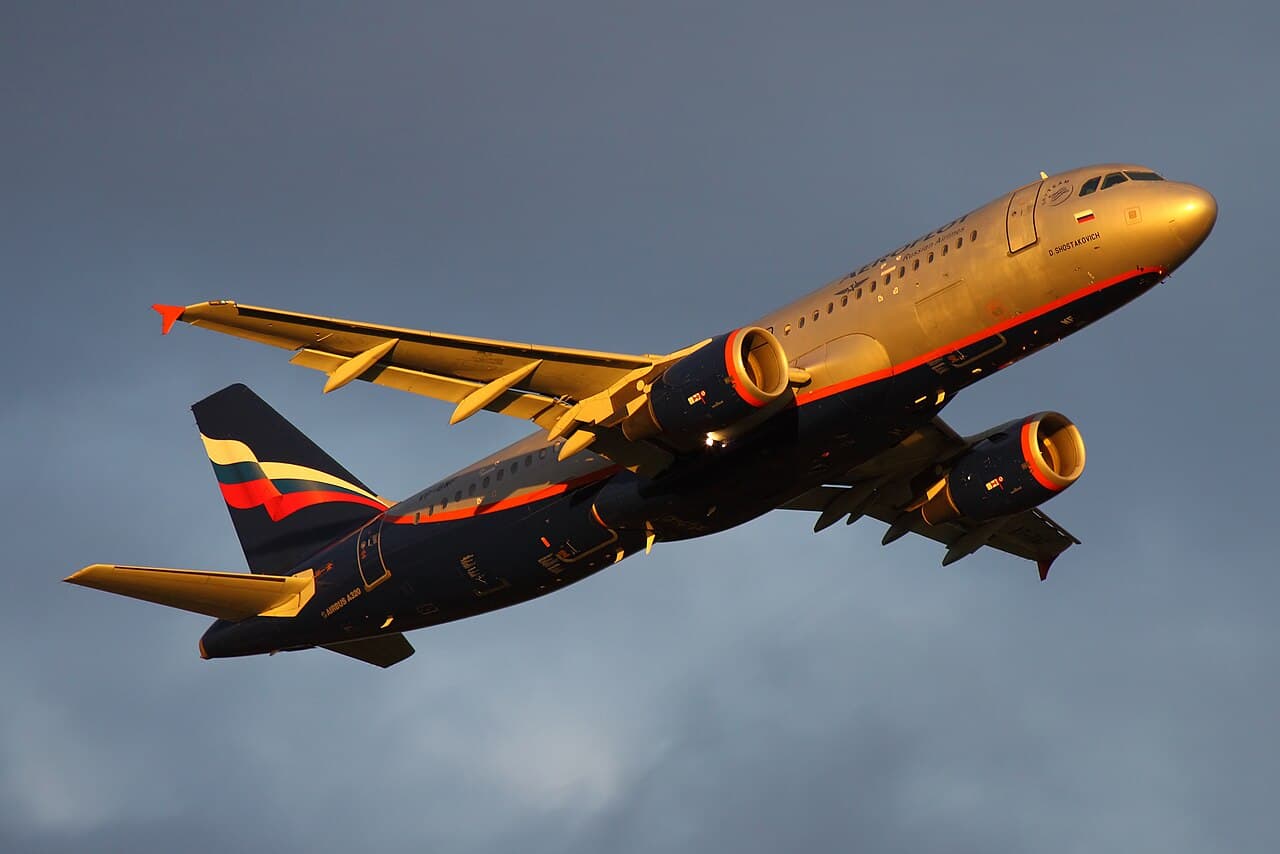
LATAM A320 aborts takeoff at São Paulo as American and Delta jets cross runway amid fog
A LATAM Airlines Airbus A320 that was set to depart from São Paulo/Guarulhos Governor André Franco Montoro International Airport (GRU) in Brazil this Saturday had to abort its takeoff due to conflicting taxiing traffic crossing the runway. The jet's crew had been informed that their takeoff authorization had been canceled due to the presence of these aircraft, but began accelerating anyway, prompting panic.
American Airlines Offers $350 Five Star VIP Airport Service at 22 Major Airports
American Airlines offers Five Star Service , which is essentially a package that can be purchased at select airports, offering travelers an exclusive ground experience. I don't want to suggest that it's any sort of an amazing deal, but it's a program that many people don't know about, so I figure that it's interesting to cover… How American's Five Star Service works American Five Star Service is the Fort Worth-based carrier's premium ground service package that's available to select passengers. For those willing to pay, American Five Star Service offers customized service and extra amenities, which should make your ground experience seamless. Let's take a closer look at how this works. What does American Five Star Service offer? American Five Star Service is intended primarily for passengers who are either departing or connecting. When you book American Five Star Service, you'll receive the following perks: Access to Flagship First Check-In , which is American's exclusive international first class check-in facility; at airports without Flagship First Check-In, you'll get priority check-in Access to American Admirals Club locations Priority boarding and re-accommodation status Car service coordination, so that you'll be met when you arrive at the airport Personalized service throughout the airport, so that you'll be escorted every step of the way Note that officially Five Star Service doesn't include any car or golf cart transfers within the airport, but rather you can expect to be escorted by foot. Your actual experience may vary based on the airport or the exact situation, as it's not uncommon to be driven in a golf cart. As I'll cover below, Five Star Select is more likely to get you this service, and that costs extra. Five Star Service offers Flagship First Check-In Who is eligible for American Five Star Service? American Five Star Service is exclusively available to first and business class passengers, so you can't buy it when traveling in economy or premium economy. It doesn't matter if you're traveling internationally or domestically. You can use this service if traveling on American, including on itineraries that include travel on select oneworld partners. You'll have to reach out to Five Star Service to ask about specific eligibility with partners, since it's all based on whether American agents have the ability to provide this kind of service at a particular airport. You must be traveling in first or business class to use Five Star Service How much does American Five Star Service cost? American Five Star Service costs $350 for the first passenger, and $100 for each additional passenger. Children up to 17 years old can be added for $50 each. You can also redeem miles toward the experience, at the rate of one cent per mile (which is less than I value AAdvantage miles ). So you could book this for 35,000 AAdvantage miles for the first person, 10,000 AAdvantage miles for each additional adult, and 5,000 AAdvantage miles for each additional child. When you purchase American Five Star Service, you're paying specifically for the service at one airport. So if you wanted this service at all points of your itinerary, you'd have to pay the fee separately for each airport. You need to book at least 24 hours in advance for US locations, and 48 hours in advance for international locations. What airports have American Five Star Service? American Five Star Service is available at 22 airports, including 16 airports in the United States and six airports abroad. The following 16 airports in the United States offer Five Star Service: Austin (AUS) Atlanta (ATL) Boston (BOS) Charlotte (CLT) Chicago (ORD) Dallas (DFW) Los Angeles (LAX) Miami (MIA) Nashville (BNA) New York (JFK & LGA) Newark (EWR) Philadelphia (PHL) Phoenix (PHX) San Francisco (SFO) Washington (DCA) The following six airports outside the United States offer Five Star Service: Buenos Aires (EZE) London (LHR) Rio de Janeiro (GIG) Sao Paolo (GRU) Tokyo (HND & NRT) Five Star Service is available at 22 airports How do you book American Five Star Service? American Five Star Service is bookable by phone, at 877.578.2702. Alternatively, you can book by email by contacting Five Star Service at fivestar.service@aa.com. American's uber-exclusive Five Star Select In addition to Five Star Service, American has Five Star Select, which is an even more exclusive service. What's the incremental value of this? You'll be driven in a vehicle across the apron or in a golf cart through the terminal, when possible You'll get access to American Flagship Lounges , as well as American Flagship First Dining , which is the carrier's exclusive pre-dining facility, located inside Flagship Lounges; there are only Flagship First Dining facilities in Dallas (DFW) and Miami (MIA) American Five Star Select costs $650 for the first passenger, and $150 for each additional passenger. Children up to 17 years old can be added to your plan for $75 each. In other words, this costs an extra $300 for the first passenger, an extra $50 for each extra passenger, and an extra $25 for each child. Five Star Select offers Flagship First Dining access Is American Five Star Service worth it? Admittedly everyone values their time and minor incremental convenience differently, though personally I have a hard time getting excited about the value proposition of Five Star Service. $350 is a lot to spend for a little hand holding at the airport, especially if you already have Admirals Club access : You're unlikely to be driven on the apron to or from your aircraft, but rather you're typically just escorted Flagship First Check-In might save you a few minutes, but if you have TSA PreCheck , I can't imagine it'll make much of a difference I suppose some might be able to justify this for a very special occasion, if a loved one who doesn't travel often is flying (and you want to make their journey easy), or if you have a tight connection and it's very important that you make it Just as a point of comparison, I'd consider Delta's equivalent service to be a better value . If you're connecting, you'll typically be driven across the apron to both your arriving and departing flight, and you won't have to wait in any line to get into a Sky Club. As far as Five Star Select goes, you're basically paying an extra $300 to be sure you won't have to walk, and to get access to Flagship Lounges and Flagship First Dining. I think there are much better dining experiences that can be had for that kind of a premium outside of an airport. But that's just me. Bottom line American Airlines Five Star Service is the carrier's paid VIP service, intended to take any hassle out of the ground experience. For an extra $350 (for one person) you can be looked after from the curb to the gate, and get access to the Admirals Club. Then for $650 you can buy Five Star Select, which offers the incremental value of being driven through the airport, and also getting access to Flagship Lounges and Flagship First Dining. I wouldn't consider any of this to be a very good value, but I figured it's at least worth covering… What do you make of the value proposition of American Five Star Service?
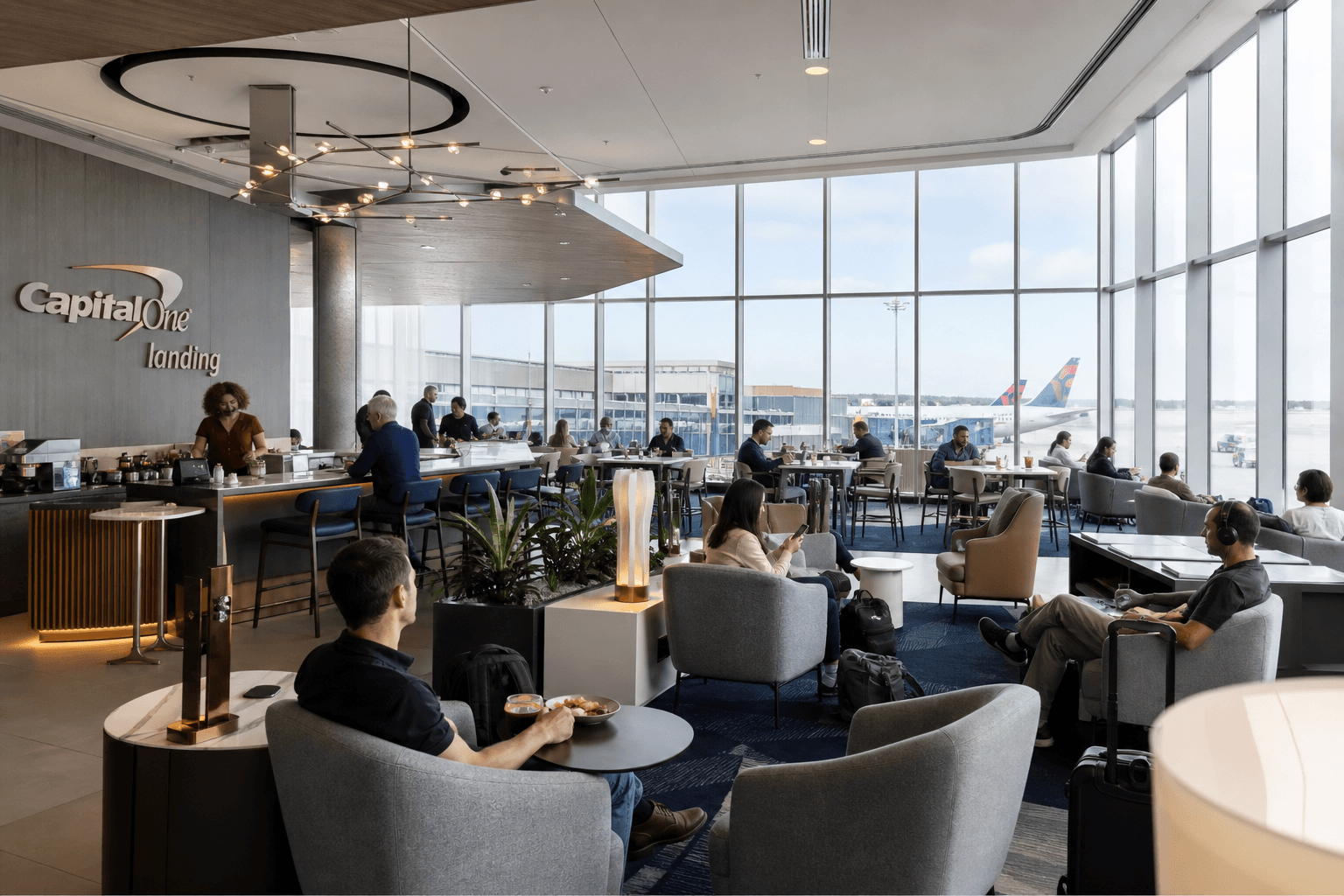
Capital One and Chase Lead U.S. Credit Card Airport Lounges with Top Dining and Amenities
Capital One, Chase, and American Express have turned premium card airport lounges into a real competitive battleground, and the best ones now rival or beat many airline lounges. Capital One leads on food — especially at LaGuardia, Washington National, and JFK — while Chase has some of the best-designed large spaces, and Amex still wins on overall footprint.
The Daily Touch & Go
The day's best aviation news in your inbox. Free, no spam.