

Illustration: The Touch & Go
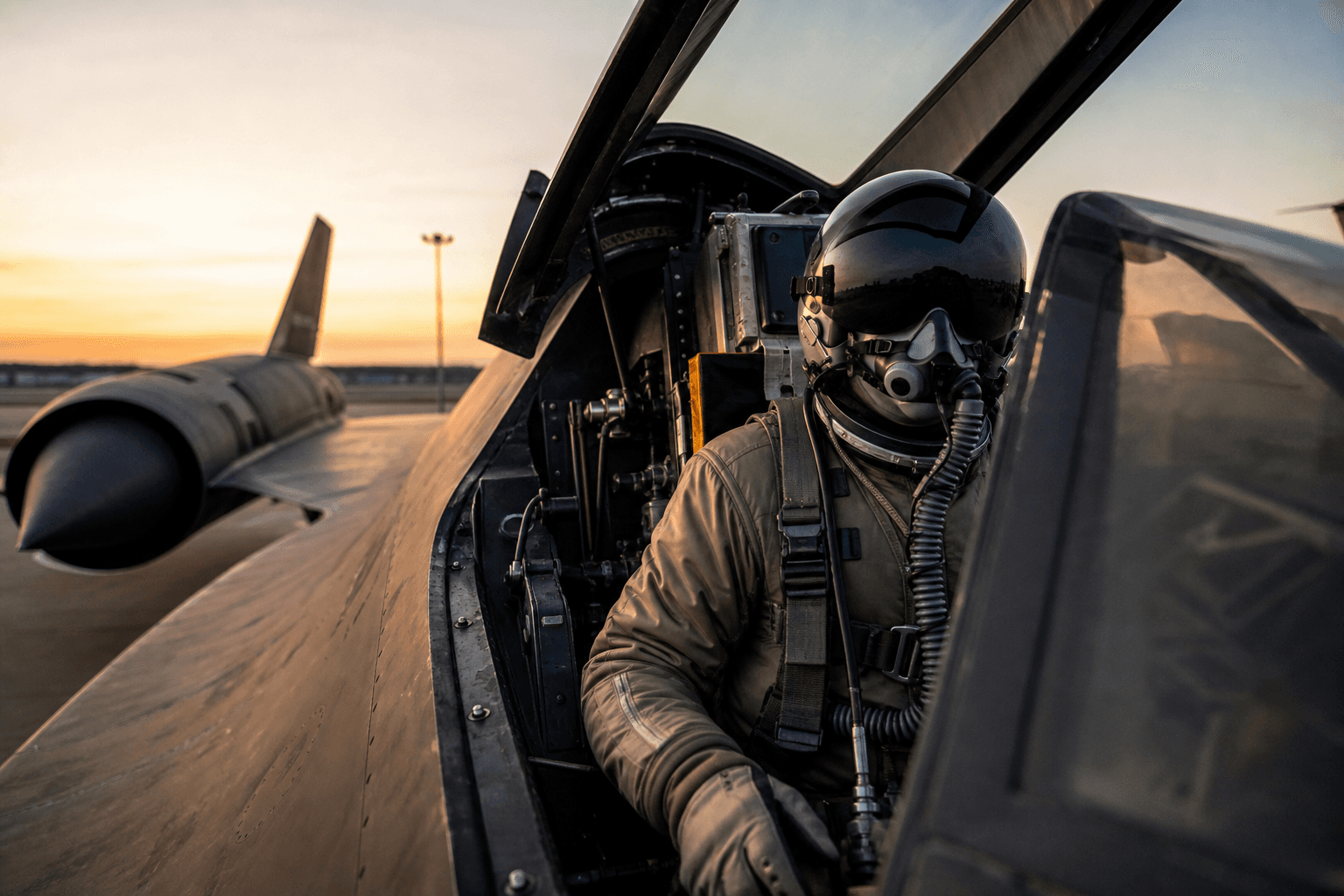
SR-71 Blackbird Pilots Underwent Astronaut-Style Training Before Flights
The unique demands of flying the SR-71 Blackbird required pilots to prepare with procedures resembling those of astronauts, setting them apart from typical aviators.
The gist
Flying the SR-71 Blackbird meant pilots needed astronaut-level preparation, unlike most other pilots in history.
The SR-71 Blackbird remains one of the most extraordinary aircraft ever designed, known for its incredible speed and altitude capabilities. Operating such a plane imposed unique challenges that extended beyond standard aviation practice. Pilots tasked with flying the SR-71 had to engage in rigorous preparations that resembled the protocols typically reserved for astronauts.
Unlike conventional military pilots, these aviators underwent specialized training focused on survivability and physiological readiness due to the extreme conditions encountered during flight. The Blackbird flew at speeds exceeding Mach 3 and altitudes above 80,000 feet, where the atmospheric environment closely approached spaceflight conditions.
Training included extensive use of pressure suits similar to those worn by astronauts, as well as protocols to manage rapid decompression and prolonged exposure to near-space environments. Pilots needed to master these safety procedures thoroughly before any mission to ensure they could handle emergencies unique to this high-speed reconnaissance platform.
This astronaut-like preparation regime distinguished SR-71 pilots from virtually all other aviators in history. The aircraft’s operational envelope demanded a level of physical and mental conditioning akin to space missions, underscoring the cutting-edge nature of the technology and the mission profiles it supported.
The legacy of the SR-71 Blackbird highlights the intersection of aviation and astronautics, illustrating how pushing aerospace boundaries necessitates innovative approaches to pilot training and mission readiness. Today, this history informs ongoing advancements in high-speed, high-altitude flight operations.
As technology evolves, the demanding standards set by the SR-71 program continue to influence how pilots are prepared for flights at extreme altitudes and speeds. The aircraft—and its pilots—remain emblematic of a unique chapter in aviation history where piloting phases into the realm of space exploration.
Read more
All Military/Defense →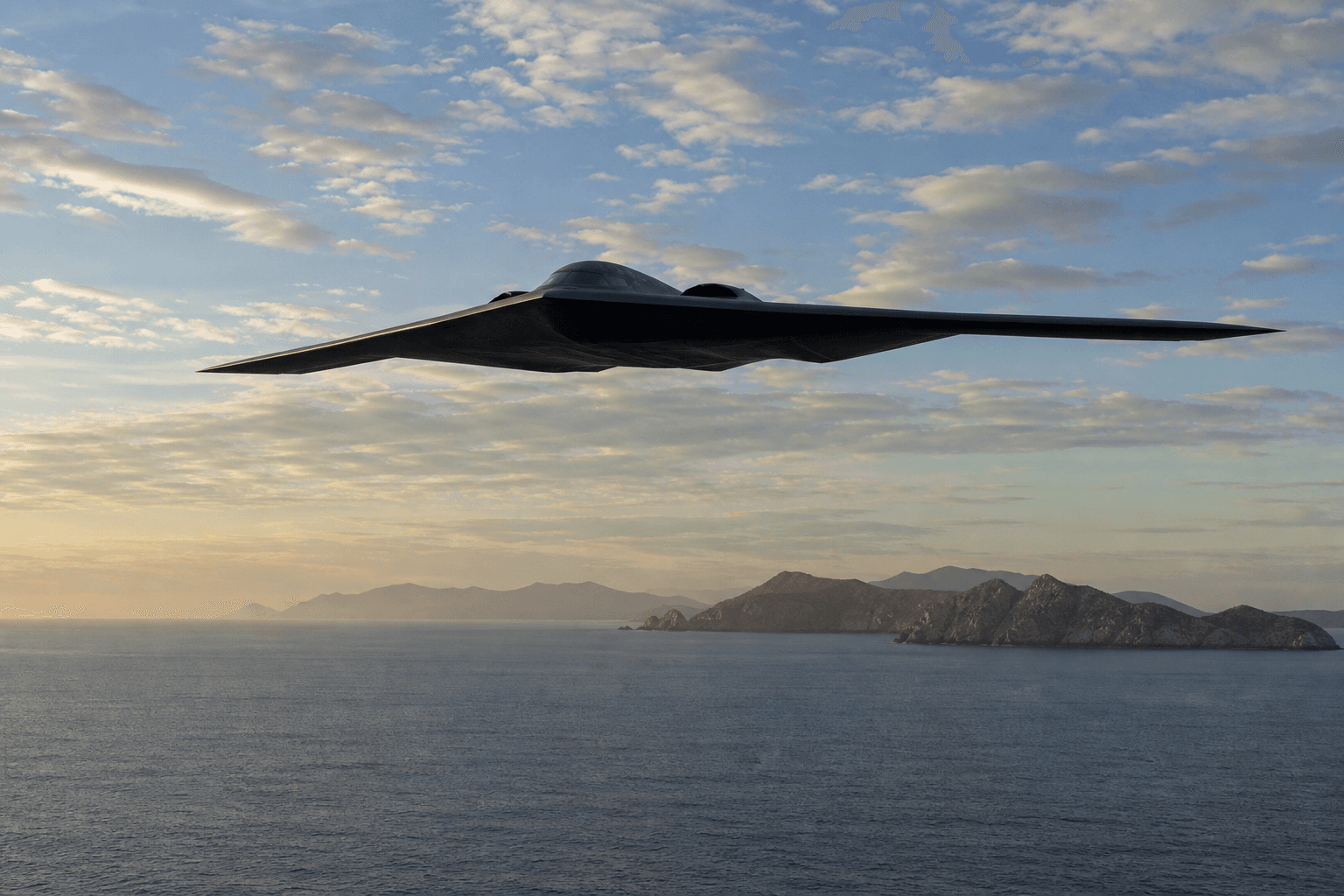
B-2 Stealth Bomber Achieves Live-Fire Success with LRASM in Pacific Drill
China’s naval buildup is driving anti-ship capabilities among the USA and its allies. A Northrop Grumman B-2 stealth bomber has conducted a successful live-fire test with the Lockheed Martin AGM-158C LRASM (Long-Range Anti-Ship Missile). The "sinking exercise" took place north of the Mariana Islands, according to the US Air Force. The aircraft conducted the successful…
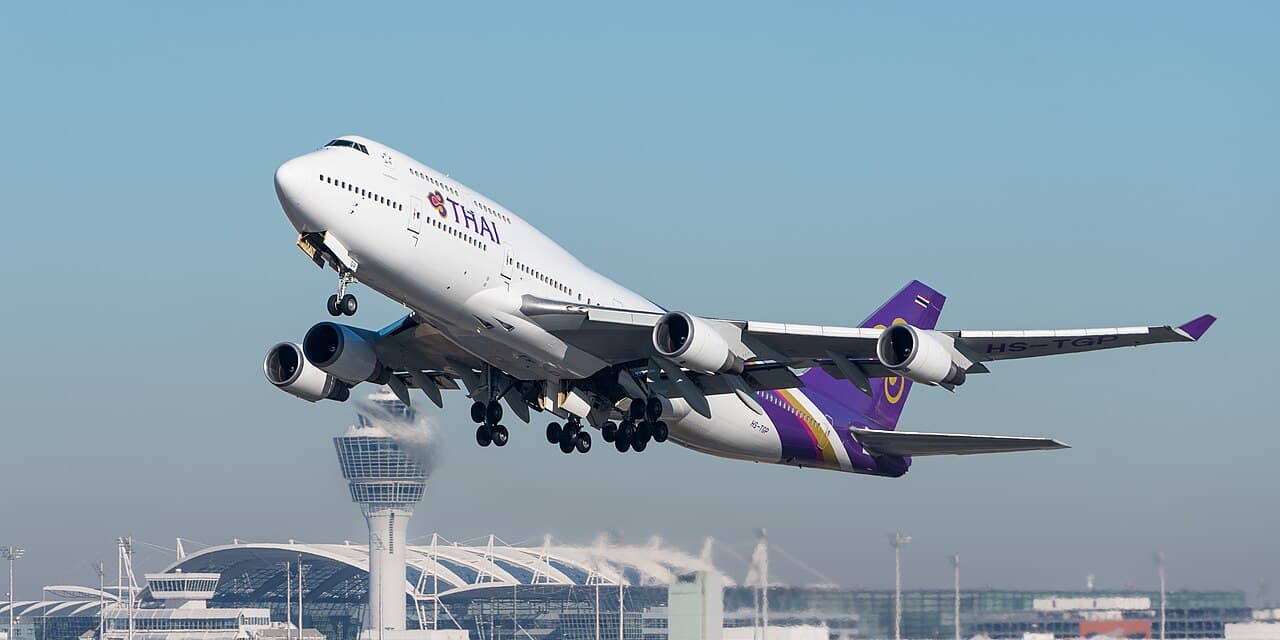
President Trump Makes First Flight Aboard New VC-25B Air Force One to North Dakota
The new Air Force One ferried the president from Washington, DC to North Dakota. US President Donald Trump has logged the first executive flight aboard the US Air Force’s newest Air Force One presidential jet. Trump boarded the aircraft at Joint Base Andrews outside of Washington, DC on 1 July and flew to Bismarck Municipal…
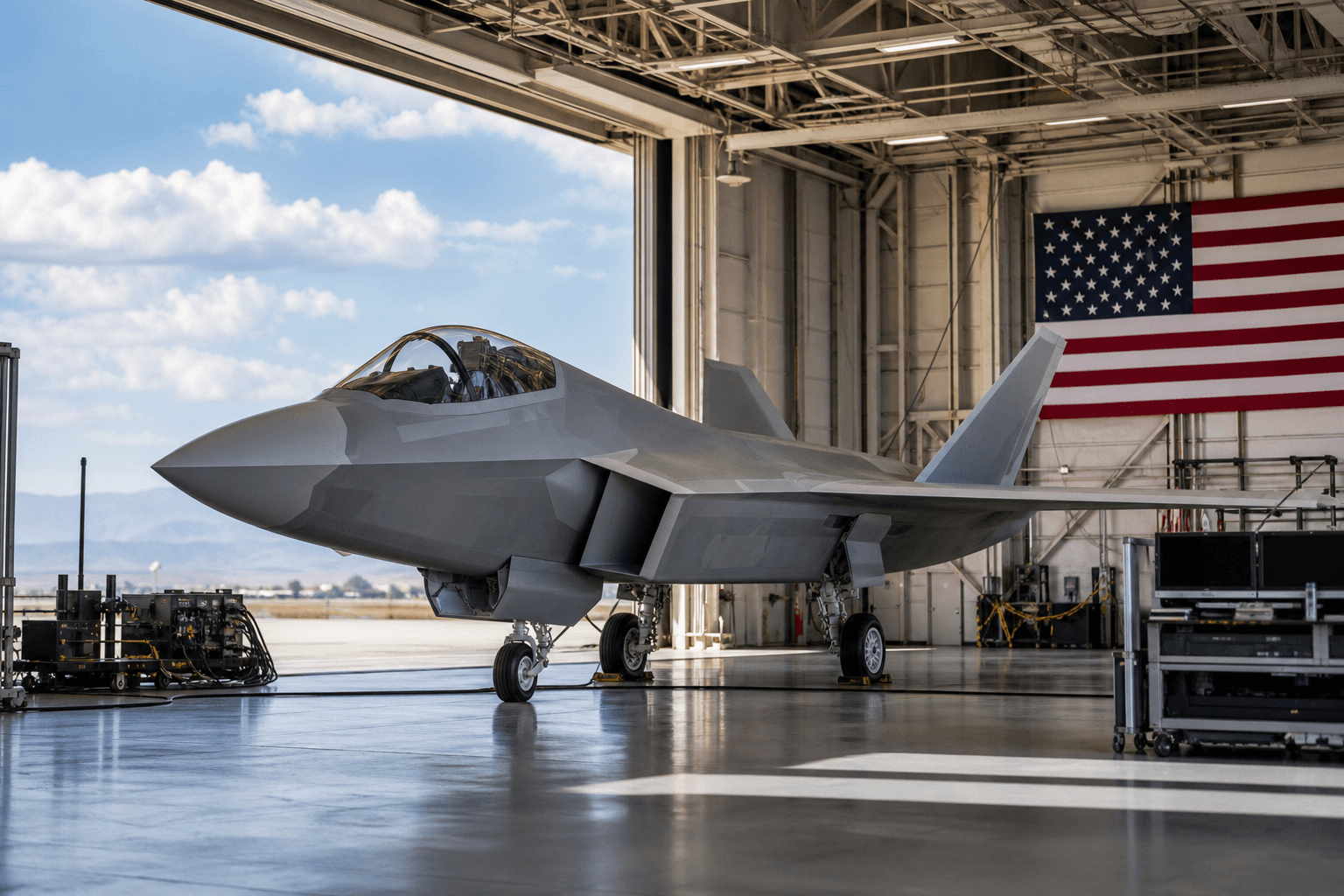
US Remains One of Few Nations Capable of Solo 6th-Generation Fighter Development
US and China are perhaps the only countries with the industrial base and funding to feasibly go it alone and develop a fullyfledged 6th-gen fighter.
Finland and Estonia join forces with NestAI to develop AI for unmanned defense systems
Finland's Ministry of Defense, the Estonian Defense Forces, and the European defense AI lab NestAI signed a letter of intent…
The Daily Touch & Go
The day's best aviation news in your inbox. Free, no spam.