

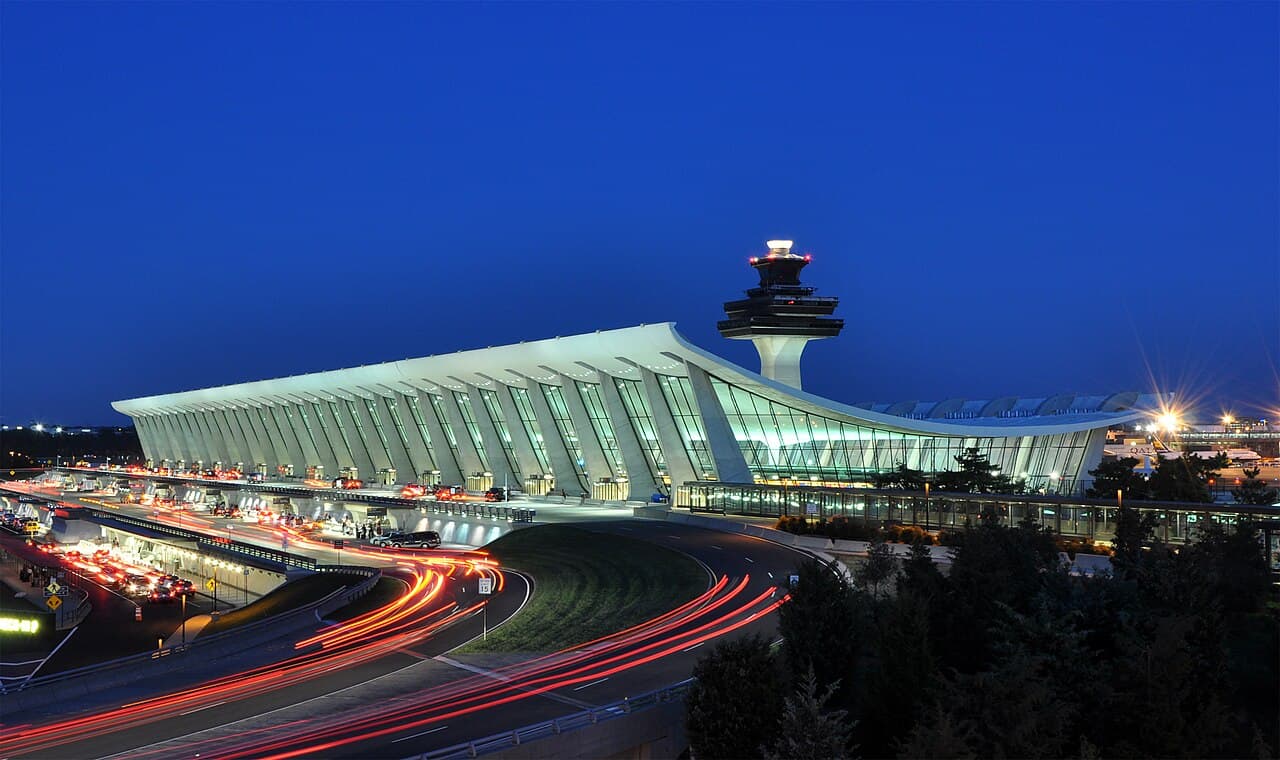
Image: Joe Ravi ( Shutterstock iStock Dreamstime ) · CC BY-SA 3.0 · via Wikimedia Commons
Dulles Airport $20B rebuild raises fees sharply, delays key facilities to 2040s
Metropolitan Washington Airports Authority plans nearly $20 billion Dulles expansion financed almost entirely by debt, with costs per passenger soaring and major gate projects postponed beyond 2030s.
The gist
Dulles rebuild will cost nearly $20 billion and push airline fees per passenger from $13 to up to $90, delaying full completion to the 2040s.
The Metropolitan Washington Airports Authority (MWAA) is set to approve a $15.5 billion capital expenditure to revamp Washington Dulles International Airport, adding to a previously authorized $4.41 billion for a total program cost of nearly $20 billion. This expansive rebuilding effort, overwhelmingly funded (99%) through debt issuance, aims to upgrade terminal facilities and concourses. However, major portions of construction—including the western half of the G/H concourses and a new regional concourse—will not commence until 2039 or later, pushing overall project completion into the 2040s.
The detailed capital plan breaks the multi-decade renovation into five key packages. These include a $6.2 billion main terminal renovation extending the existing structure and upgrading passenger processing systems; a $3.75 billion AeroTrain extension linking concourses A/B to G/H; a $4 billion build-out of the E/F concourses and related utility infrastructure; a $3.7 billion completion of the G/H concourses split between eastern and western halves; and a $2.26 billion demolition of concourses C/D paired with a new 33-gate regional concourse. The project designates gates in A/B and the new main terminal for international flights by all airlines, E/F primarily for United's domestic and international flights, and G/H for other domestic carriers, with the future regional concourse for United’s regional operations.
Despite a high-profile presidential announcement in late July touting a $22.5 billion transformation characterized by new large-scale parking garages, a hotel, modernized security and customs facilities, and hundreds of additional flights over roughly a decade, the MWAA's board packet reveals a more restrained and drawn-out plan. The $19.91 billion program excludes large components such as the garage and hotel, offers no net gain in passenger gates over current levels, and shifts significant construction phases well beyond the initial decade.
A significant portion of the funding—roughly $15.35 billion—is anticipated through issuing airport revenue bonds and passenger-fee backed bonds, burdening the airport and its airline tenants with substantial debt service obligations. Interest payments alone are projected to reach $935 million in the first year, exceeding the entire 2026 operating budget for MWAA’s Dulles and Reagan National combined. Passenger fees are capped by law, limiting revenue growth despite rising costs. This financing model transfers the cost to airline fees, potentially impacting ticket prices and airline route economics.
Currently, airline fees per passenger (cost per enplanement) at Dulles are around $12.77. Under the new capital program’s financial structure and expected passenger levels, this fee could surge to between $62 and $90 per passenger. Such an increase could make operating flights at Dulles significantly more expensive for airlines, potentially adding $15,000 annually in airport fees to a typical daily 186-seat Airbus flight with 90% load factor. This steep rise risks curtailing passenger growth and deterring new flight additions, undermining competition and low-fare options, especially given Dulles's already limited presence of low-cost carriers.
The airport’s master plan highlights capacity constraints predating this project, including insufficient gates—currently about 130 narrowbody equivalent gates versus a projected need for at least 154 by 2045—and undersized passenger processing facilities. The terminal redevelopment intends to address these deficits with expanded check-in areas, improved baggage handling, security checkpoints, and enhanced passenger transit via the AeroTrain. However, many solutions remain years from realization, tempering immediate relief for capacity bottlenecks.
United Airlines, which carried about two-thirds of Dulles’s 14.5 million passengers in 2025, has approved the financing plan. Its dominant position, combined with rising fees, may diminish competitive pressures. Low-cost carriers, comprising about 3% of Dulles passengers before Southwest’s recent departure, face higher fees than United, potentially incentivizing continued diversion to alternative airports like Baltimore/Washington International. This dynamic could reduce fare competition and limit the availability of budget flights directly at Dulles.
The financing and phased construction approach raises complex trade-offs between necessary infrastructure modernization and sustainable airport economics. Borrowing for decades to fund an expanded but staggered build-out places upward pressure on fees that could suppress growth. The absence of federal funding and reliance on airport-generated revenues to service debt shifts risk and cost disproportionately onto airlines and their passengers, challenging the airport’s long-term strategic positioning within the region’s air travel market.
Frequently asked questions
- How much is the total cost planned for Dulles Airport's rebuild?
- The Metropolitan Washington Airports Authority plans nearly $20 billion for the Dulles rebuild, combining $15.5 billion new capital with $4.41 billion previously authorized.
- When will the major phases of the Dulles expansion be completed?
- Significant portions of construction, including parts of the G/H concourses and the new regional concourse, are scheduled to begin no earlier than 2039, extending completion into the 2040s.
- How will the rebuild affect airline fees and passenger costs at Dulles?
- Airline fees per passenger are expected to rise from about $13 to between $62 and $90 due to debt-financed costs, making flights more expensive and potentially limiting growth and competition.}]}
Read more
All Airports →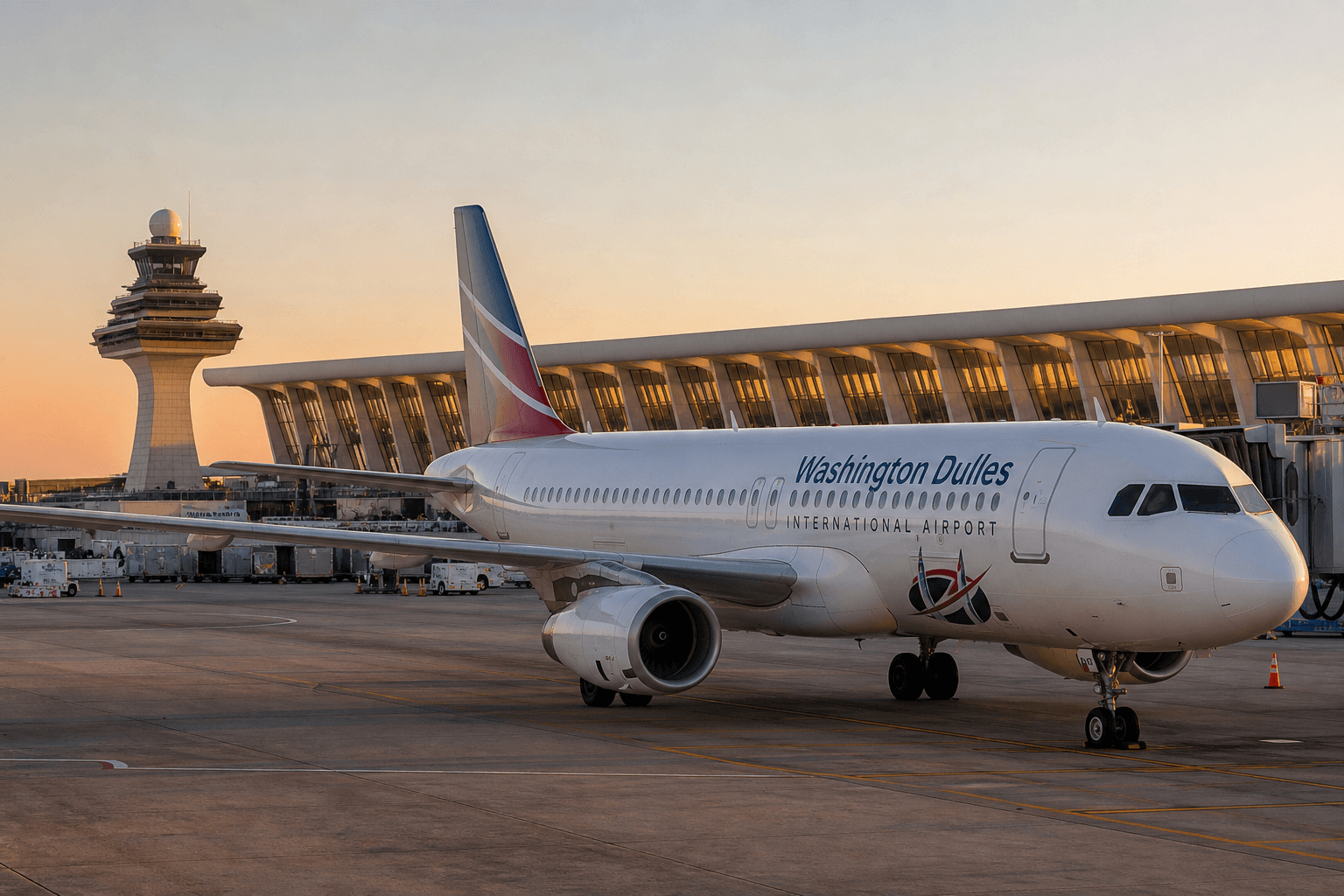
Trump to Reveal $22 Billion Overhaul Plan for Washington Dulles Airport
The president has repeatedly complained about the airport, which he called a poor reflection of Washington, D.C., and the U.S.
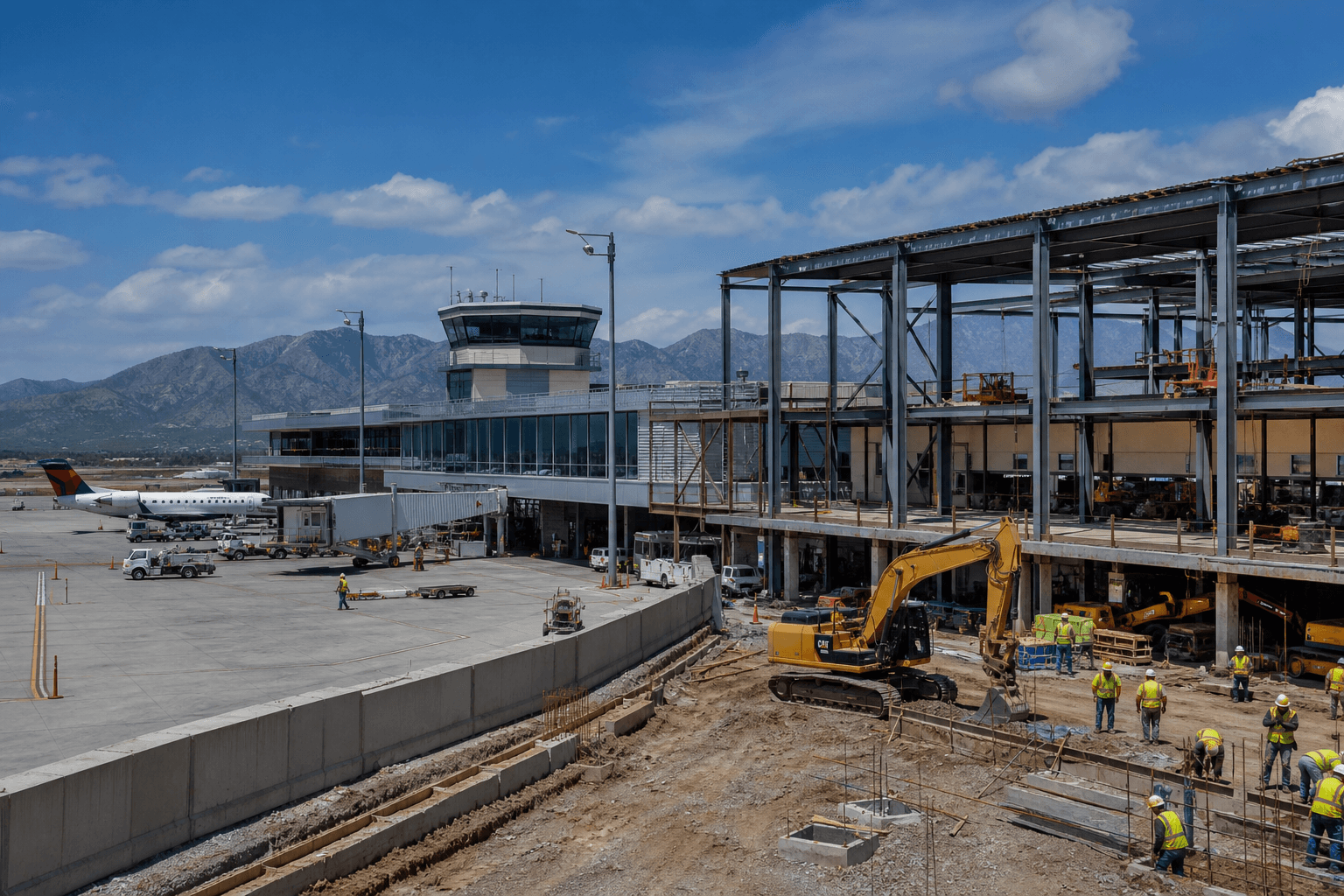
Small US Airports Invest Heavily to Compete as Regional Aviation Hubs
For years, the biggest headlines in US airport development have focused on sprawling projects at major international gateways such as New York John F. Kennedy International Airport (JFK), Los Angeles International Airport (LAX), and Chicago O'Hare International Airport (ORD), where multi-billion-dollar investments have become almost routine.
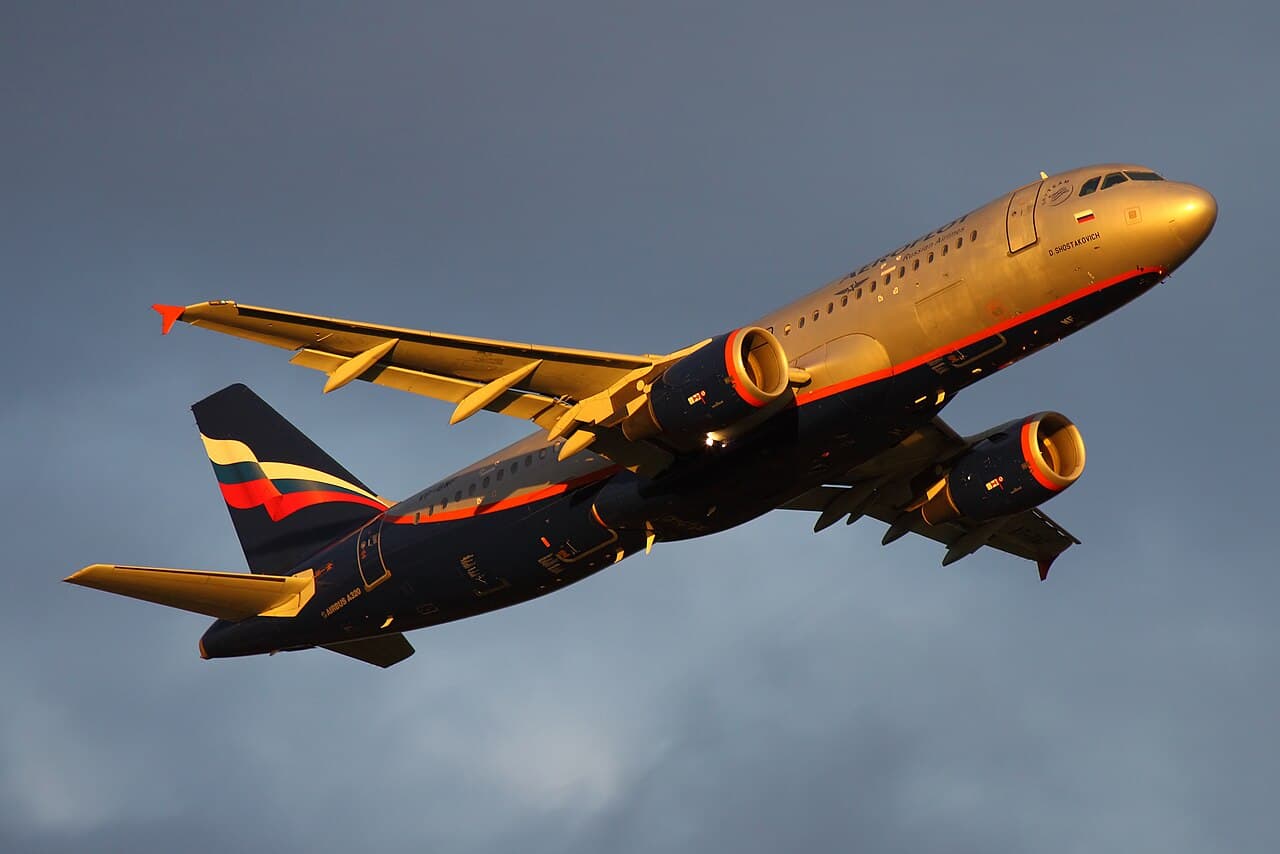
LATAM A320 aborts takeoff at São Paulo as American and Delta jets cross runway amid fog
A LATAM Airlines Airbus A320 that was set to depart from São Paulo/Guarulhos Governor André Franco Montoro International Airport (GRU) in Brazil this Saturday had to abort its takeoff due to conflicting taxiing traffic crossing the runway. The jet's crew had been informed that their takeoff authorization had been canceled due to the presence of these aircraft, but began accelerating anyway, prompting panic.
American Airlines Offers $350 Five Star VIP Airport Service at 22 Major Airports
American Airlines offers Five Star Service , which is essentially a package that can be purchased at select airports, offering travelers an exclusive ground experience. I don't want to suggest that it's any sort of an amazing deal, but it's a program that many people don't know about, so I figure that it's interesting to cover… How American's Five Star Service works American Five Star Service is the Fort Worth-based carrier's premium ground service package that's available to select passengers. For those willing to pay, American Five Star Service offers customized service and extra amenities, which should make your ground experience seamless. Let's take a closer look at how this works. What does American Five Star Service offer? American Five Star Service is intended primarily for passengers who are either departing or connecting. When you book American Five Star Service, you'll receive the following perks: Access to Flagship First Check-In , which is American's exclusive international first class check-in facility; at airports without Flagship First Check-In, you'll get priority check-in Access to American Admirals Club locations Priority boarding and re-accommodation status Car service coordination, so that you'll be met when you arrive at the airport Personalized service throughout the airport, so that you'll be escorted every step of the way Note that officially Five Star Service doesn't include any car or golf cart transfers within the airport, but rather you can expect to be escorted by foot. Your actual experience may vary based on the airport or the exact situation, as it's not uncommon to be driven in a golf cart. As I'll cover below, Five Star Select is more likely to get you this service, and that costs extra. Five Star Service offers Flagship First Check-In Who is eligible for American Five Star Service? American Five Star Service is exclusively available to first and business class passengers, so you can't buy it when traveling in economy or premium economy. It doesn't matter if you're traveling internationally or domestically. You can use this service if traveling on American, including on itineraries that include travel on select oneworld partners. You'll have to reach out to Five Star Service to ask about specific eligibility with partners, since it's all based on whether American agents have the ability to provide this kind of service at a particular airport. You must be traveling in first or business class to use Five Star Service How much does American Five Star Service cost? American Five Star Service costs $350 for the first passenger, and $100 for each additional passenger. Children up to 17 years old can be added for $50 each. You can also redeem miles toward the experience, at the rate of one cent per mile (which is less than I value AAdvantage miles ). So you could book this for 35,000 AAdvantage miles for the first person, 10,000 AAdvantage miles for each additional adult, and 5,000 AAdvantage miles for each additional child. When you purchase American Five Star Service, you're paying specifically for the service at one airport. So if you wanted this service at all points of your itinerary, you'd have to pay the fee separately for each airport. You need to book at least 24 hours in advance for US locations, and 48 hours in advance for international locations. What airports have American Five Star Service? American Five Star Service is available at 22 airports, including 16 airports in the United States and six airports abroad. The following 16 airports in the United States offer Five Star Service: Austin (AUS) Atlanta (ATL) Boston (BOS) Charlotte (CLT) Chicago (ORD) Dallas (DFW) Los Angeles (LAX) Miami (MIA) Nashville (BNA) New York (JFK & LGA) Newark (EWR) Philadelphia (PHL) Phoenix (PHX) San Francisco (SFO) Washington (DCA) The following six airports outside the United States offer Five Star Service: Buenos Aires (EZE) London (LHR) Rio de Janeiro (GIG) Sao Paolo (GRU) Tokyo (HND & NRT) Five Star Service is available at 22 airports How do you book American Five Star Service? American Five Star Service is bookable by phone, at 877.578.2702. Alternatively, you can book by email by contacting Five Star Service at fivestar.service@aa.com. American's uber-exclusive Five Star Select In addition to Five Star Service, American has Five Star Select, which is an even more exclusive service. What's the incremental value of this? You'll be driven in a vehicle across the apron or in a golf cart through the terminal, when possible You'll get access to American Flagship Lounges , as well as American Flagship First Dining , which is the carrier's exclusive pre-dining facility, located inside Flagship Lounges; there are only Flagship First Dining facilities in Dallas (DFW) and Miami (MIA) American Five Star Select costs $650 for the first passenger, and $150 for each additional passenger. Children up to 17 years old can be added to your plan for $75 each. In other words, this costs an extra $300 for the first passenger, an extra $50 for each extra passenger, and an extra $25 for each child. Five Star Select offers Flagship First Dining access Is American Five Star Service worth it? Admittedly everyone values their time and minor incremental convenience differently, though personally I have a hard time getting excited about the value proposition of Five Star Service. $350 is a lot to spend for a little hand holding at the airport, especially if you already have Admirals Club access : You're unlikely to be driven on the apron to or from your aircraft, but rather you're typically just escorted Flagship First Check-In might save you a few minutes, but if you have TSA PreCheck , I can't imagine it'll make much of a difference I suppose some might be able to justify this for a very special occasion, if a loved one who doesn't travel often is flying (and you want to make their journey easy), or if you have a tight connection and it's very important that you make it Just as a point of comparison, I'd consider Delta's equivalent service to be a better value . If you're connecting, you'll typically be driven across the apron to both your arriving and departing flight, and you won't have to wait in any line to get into a Sky Club. As far as Five Star Select goes, you're basically paying an extra $300 to be sure you won't have to walk, and to get access to Flagship Lounges and Flagship First Dining. I think there are much better dining experiences that can be had for that kind of a premium outside of an airport. But that's just me. Bottom line American Airlines Five Star Service is the carrier's paid VIP service, intended to take any hassle out of the ground experience. For an extra $350 (for one person) you can be looked after from the curb to the gate, and get access to the Admirals Club. Then for $650 you can buy Five Star Select, which offers the incremental value of being driven through the airport, and also getting access to Flagship Lounges and Flagship First Dining. I wouldn't consider any of this to be a very good value, but I figured it's at least worth covering… What do you make of the value proposition of American Five Star Service?
The Daily Touch & Go
The day's best aviation news in your inbox. Free, no spam.