

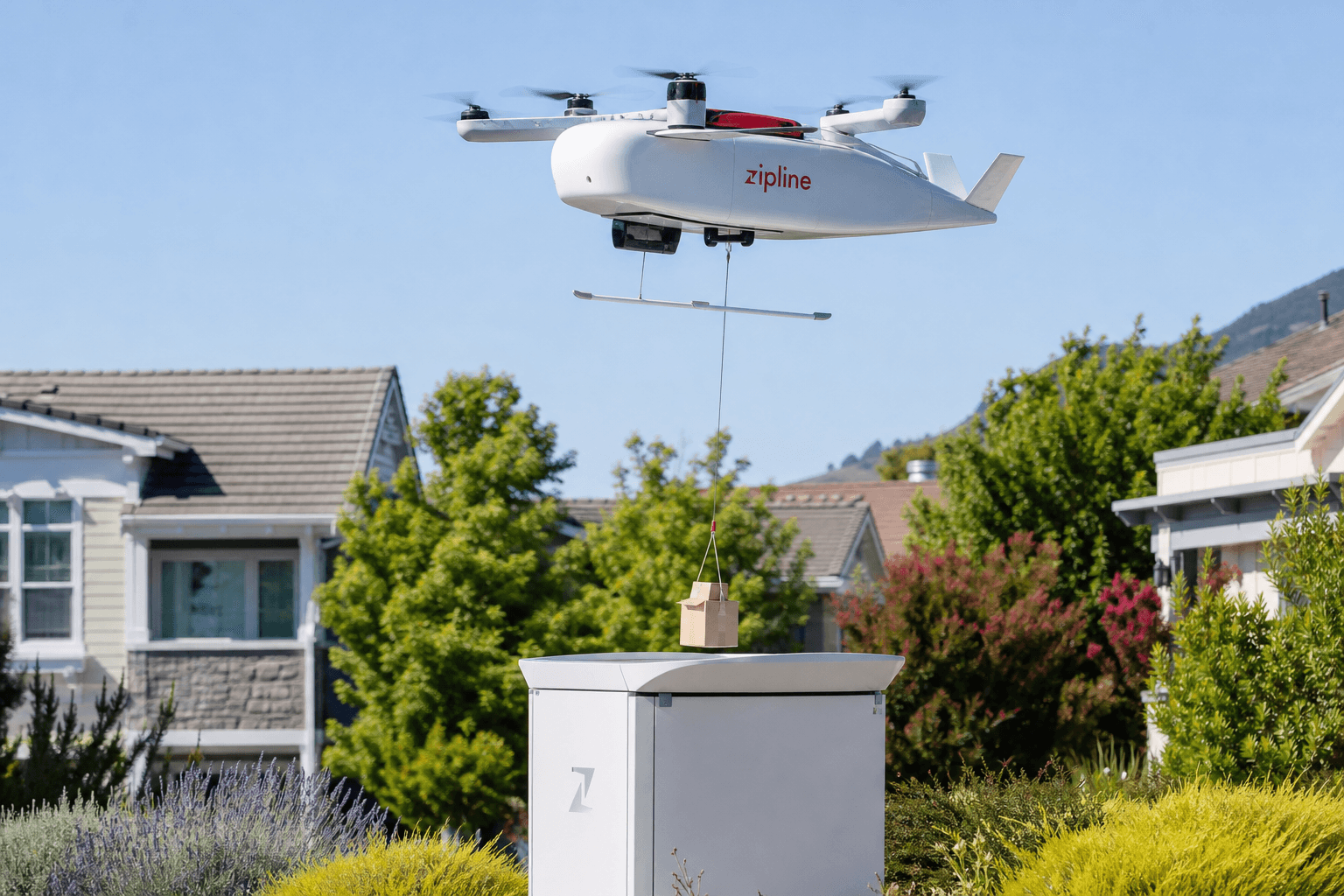
Illustration: The Touch & Go
Uber, Zipline Aim for 1 Million Daily Drone Deliveries by 2029
Uber partners with drone operator Zipline to scale autonomous deliveries across numerous U.S. cities, targeting rapid expansion of drone-based food and package service.
The gist
Uber and Zipline plan to ramp up drone deliveries to one million daily trips by 2029, starting with launches this year in major U.S. cities.
Continuing coverage
All Faa Regulations →- American Airlines Bans Humanoid Robots From All Flights Citing Safety Risks
- Boom Supersonic Launches $800K Prize for Amateur Supersonic RC Aircraft
- Long Beach Airport Weighs Legal Feasibility of General Aviation Landing Fees
- Part 141 Flight Schools Require Approved Airports for Cross-Country Flights to Count
Uber has entered a strategic partnership with drone manufacturer and operator Zipline to dramatically expand autonomous drone deliveries in the United States, with ambitions to reach one million daily trips by the end of 2029. The collaboration, announced in August 2026, will leverage Zipline’s existing operational footprint and drone technology to accelerate delivery speeds and coverage across key urban areas.
The initial rollout will begin this year in cities where Zipline already operates, including Dallas and Houston, with plans to scale operations to dozens of additional cities nationwide. Zipline envisions this as a major step toward ubiquitous drone delivery, aiming to make items ordered through Uber Eats—ranging from meals to snacks—arrive within five to ten minutes after ordering.
Uber is backing the venture with a strategic investment of undisclosed size, signaling strong confidence in the technology and market potential. Dara Khosrowshahi, Uber's CEO, said the partnership aims to weave autonomous delivery into everyday life, expanding access to rapid services through aerial solutions that complement Uber’s existing delivery platforms.
Zipline’s signature Platform 2 (P2) drones cruise at approximately 70 mph, capable of carrying up to 8 pounds of cargo within a 24-mile one-way range or roughly 10 miles around a central hub. These drones are designed for hub-and-spoke logistics, capable of lowering deliveries gently via tether from altitudes up to 300 feet, directly into secure delivery containers called Dropboxes at customer locations.
The Dropbox system serves as a secure interface for delivery, wherein store employees load orders into locked compartments that drones autonomously access. This method facilitates precise and contactless delivery to front yards, parks, or other public spaces. Zipline’s experience spans medical deliveries since 2016, initially in Rwanda and now including U.S. operations in Ohio, Arkansas, and Texas, where about 70% of its delivery volume occurs.
This alliance places Uber in a competitive race with rival delivery services such as DoorDash, which is simultaneously advancing its own drone delivery capabilities. DoorDash has been developing drone technology since 2024, incorporating drones from several manufacturers and increasingly focusing on in-house drone production and network management. Similarly, Walmart and other delivery platforms are expanding drone deliveries through partnerships with multiple providers, including Zipline and Flytrex.
Industry growth hinges heavily on pending FAA regulations, especially Part 108, which would formalize routine beyond visual line of sight (BVLOS) drone operations using detect-and-avoid technology and unified traffic management systems. While drone operators advocate for swift implementation to unlock large-scale deployments, some aviation groups, including the Air Line Pilots Association, have raised safety concerns over proposed right-of-way rules favoring drones.
The regulatory review for Part 108 is currently with the federal Office of Information and Regulatory Affairs, and finalization is anticipated within months. The outcome will significantly influence how quickly companies like Uber and Zipline can expand their autonomous drone delivery networks without stringent restrictions, potentially transforming urban logistics and airspace usage.
Uber and Zipline’s ambitious goal to reach one million drone deliveries daily by 2029 reflects the growing momentum behind aerial delivery services in the U.S. market. Scaling from millions of past successful deliveries that Zipline has completed, this milestone will require both technological and regulatory advancements to meet substantial operational demands.
Frequently asked questions
- What is the daily drone delivery target Uber and Zipline aim to reach by 2029?
- Uber and Zipline are targeting one million daily drone deliveries in the United States by the end of 2029.
- How do Zipline’s drones deliver packages to customers?
- Zipline’s drones lower packages via a tethered small container called a droid from up to 300 feet into secure delivery boxes, called Dropboxes, at customer locations.
- What regulatory development could impact the scale of drone deliveries?
- The FAA’s finalization of Part 108, enabling routine beyond visual line of sight drone operations with detect-and-avoid systems, would allow expanded autonomous drone delivery at scale.
Read more
All Military/Defense →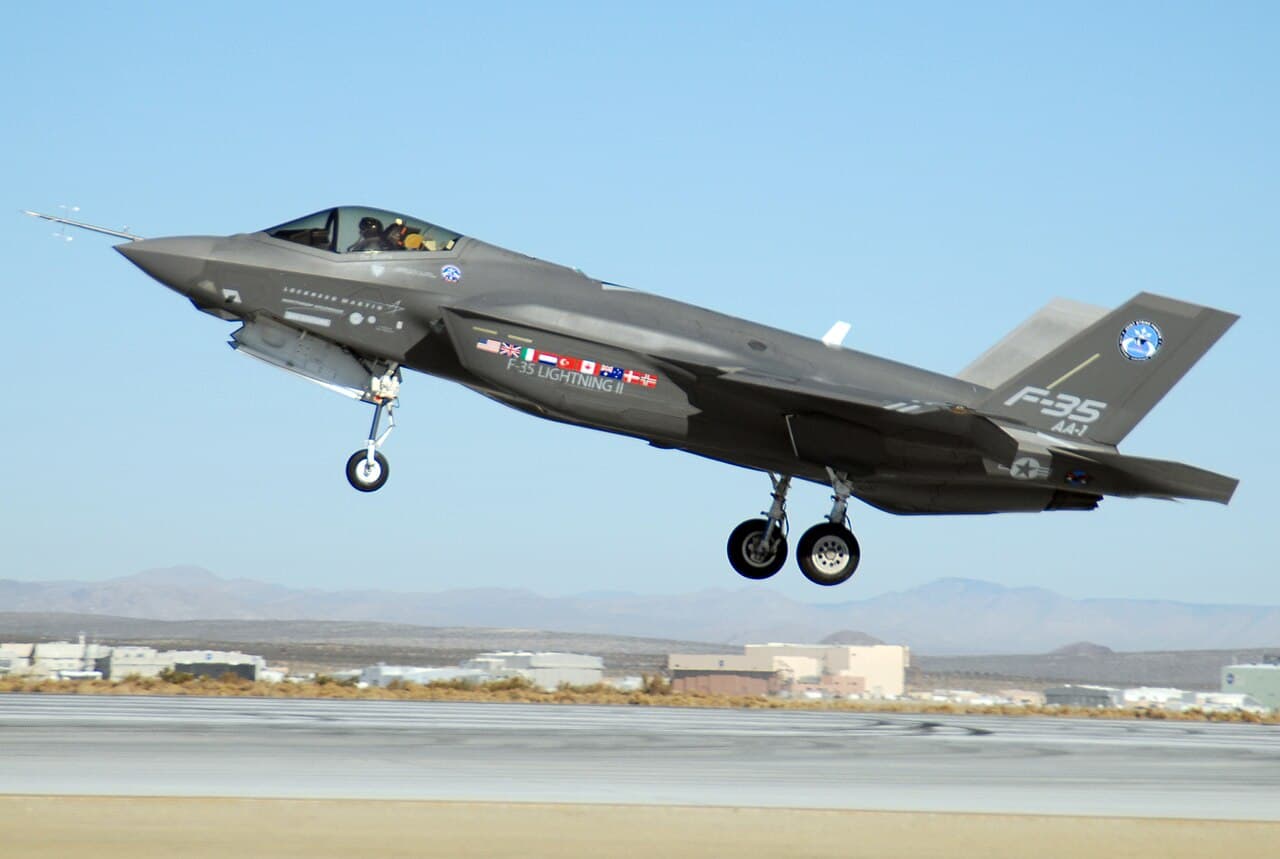
Davis-Monthan Air Force Base Ends Five Decades of A-10 Pilot Training as Focus Shifts to F-35
In April 2026, the US Air Force closed the training pipeline that had produced every Fairchild Republic A-10 pilot it ever fielded. The 357th Fighter Squadron graduated its last class of Thunderbolt II students at Davis-Monthan Air Force Base in April. That same week, and at that same base, an A-10 flying combat search and rescue escort over Iran took enemy fire, kept flying, and helped bring a downed fighter pilot home before its own pilot was forced to eject over Kuwait.
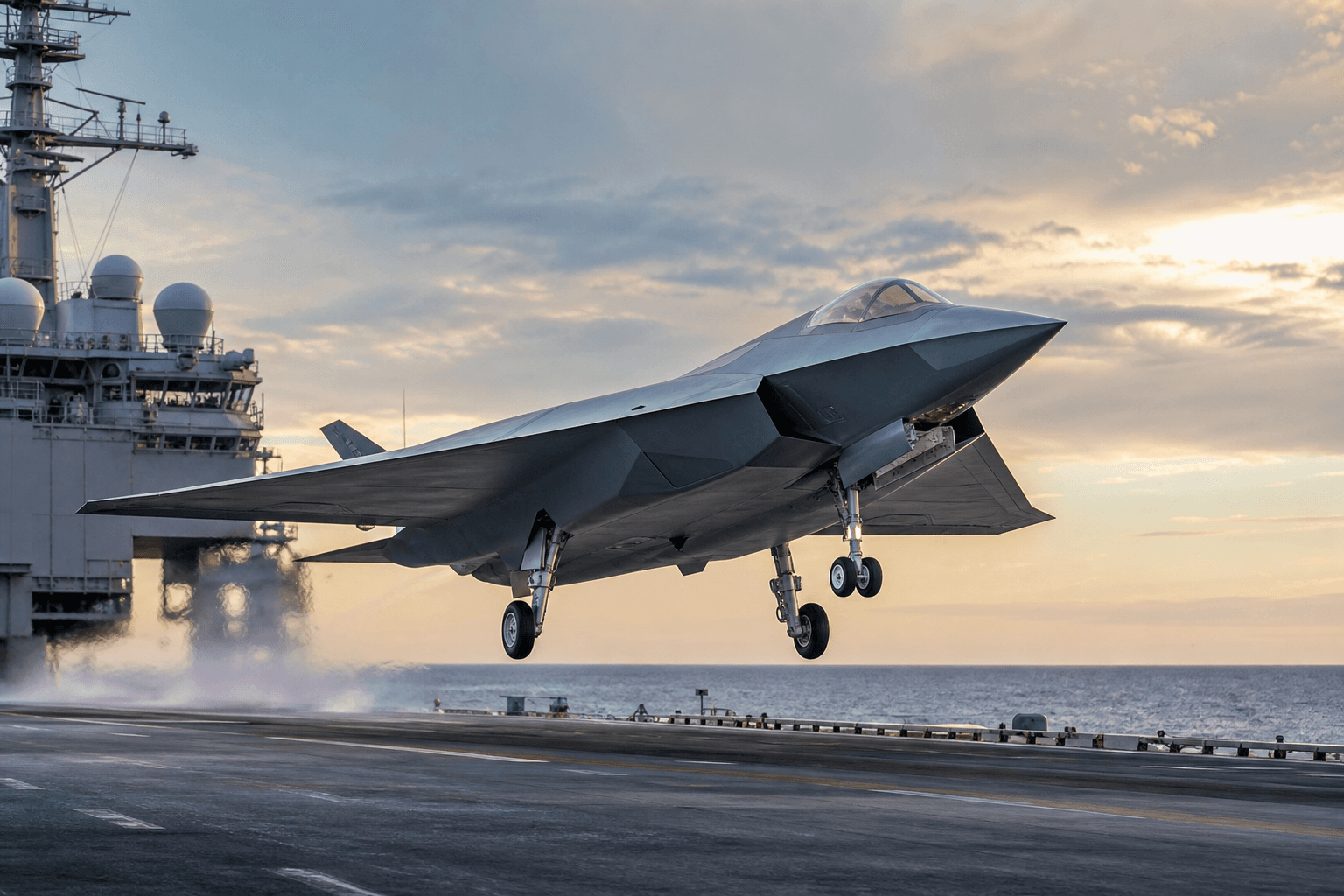
Congress Boosts US Navy Sixth-Gen Fighter Budget From $74M to $971M to Accelerate F/A-XX Development
As the United States races towards its first sixth-generation fighter jet, the Next Generation Air Dominance Program of the US Air Force has taken the spotlight, but it is not the only endeavor underway. The US Navy F/A-XX stealth carrier fighter was expected to be shelved, but lawmakers decided to resuscitate the program with an enormous funding injection.
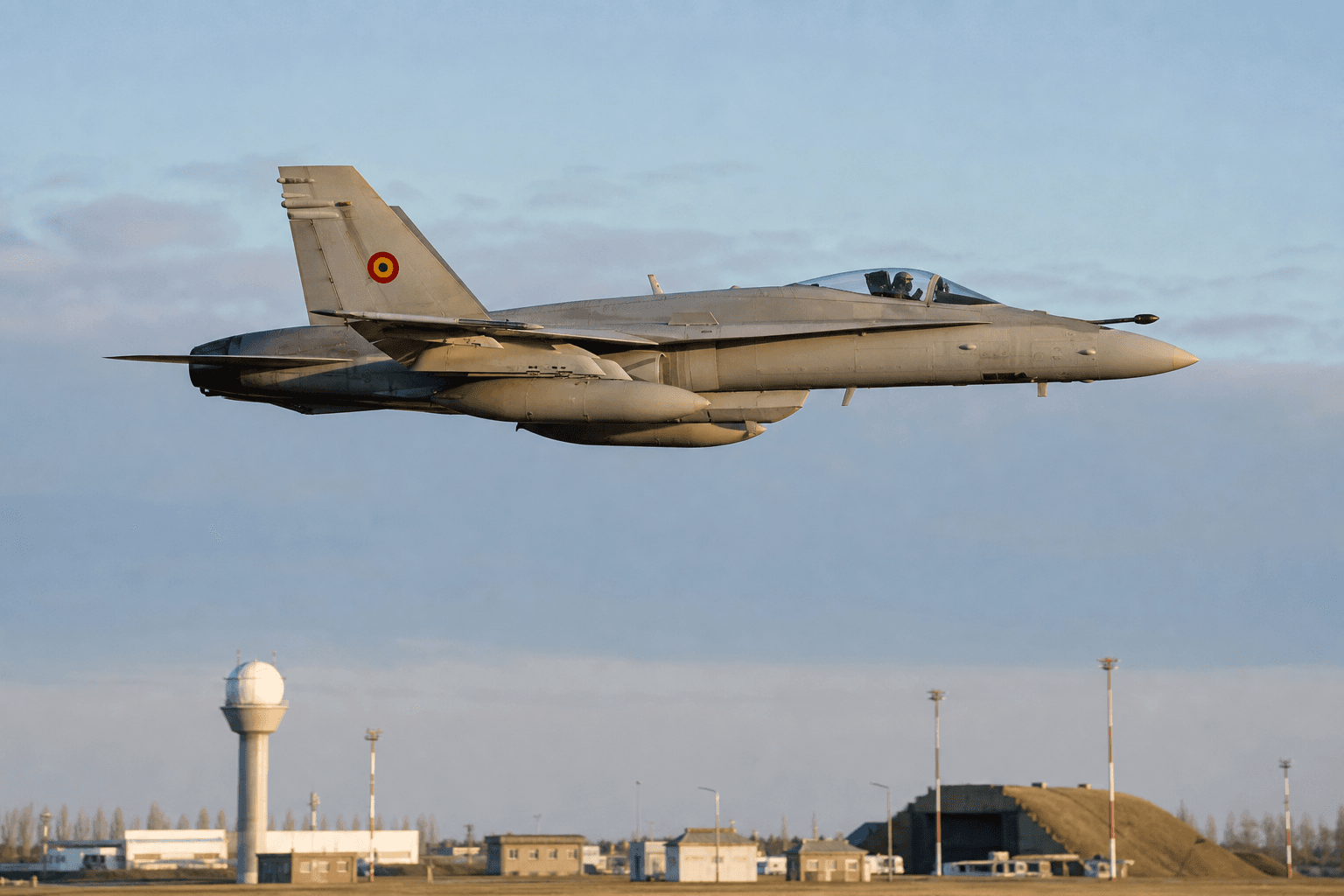
Spanish F-18 downs drone over Romania after Moldovan airspace breach
A Spanish Air and Space Force F/A-18 Hornet shot down a drone over southeastern Romania in the early hours of August 16, 2026, the fourth unmanned aircraft destroyed over Romanian territory this year. The Romanian Ministry of National Defense said its surveillance systems detected an aerial target entering national airspace at 04:44 local time from the direction of the Republic of Moldova, around 24 kilometers (15 miles) north of Galati. An F/A-18 Hornet assigned to air policing duty at the 57th Air Base at Mihail Kogalniceanu was already airborne on a monitoring mission, established radar contact and received approval to engage. The drone was destroyed at 05:01, 17 minutes after detection. A probable debris impact point was identified between the villages of Baleni and Cudalbi in Galati County, in an unpopulated area. The air alert for the county was lifted at 05:20. No injuries or damage were reported. The ministry did not identify the drone's type or operator. Drone entered Romania after crossing Moldova The target did not cross directly from Ukraine, despite Romania's 614-kilometer (382-mile) land border with the country. It arrived over Moldova, which is not a NATO member, fields no fighter aircraft and takes part in no allied air policing arrangement. Moldovan airspace has been penetrated repeatedly in August 2026. A drone exploded near Crocmaz in the Stefan Voda district on August 9, prompting Chisinau to recall its ambassador from Moscow. The following night, Moldova's Air Operations Service tracked an aircraft crossing over Priozerne for about a minute and assessed its characteristics as consistent with a Geran-3, the jet-powered Shahed variant now common in Russian strike packages against Odesa. Spanish Hornets two weeks into Romanian deployment Spain took over the mission from Italian and British detachments at a ceremony at the 86th Air Base in Borcea on July 31, 2026. The contingent operates seven F/A-18M Hornets and around 200 personnel from Mihail Kogalniceanu, supported by an A400M tanker, with three NH-90 helicopters assigned to counter-drone tasks due in the final phase. The rotation runs to the end of November 2026. It is Spain's fourth deployment to Romania, after 2021, 2024 and February 2026, and the detachment flew its first live Alpha scramble on August 12, 2026. Romanian F-16 pilots shot down three drones on three consecutive days between July 24 and July 26, 2026, the first such engagements inside national airspace. Prosecutors identified the July 24 aircraft as a Shahed type, and Bucharest expelled a Russian diplomat and recalled its ambassador from Moscow. A Russian drone had earlier struck a residential building in Galati on May 29, 2026, injuring two people. The interception is the second by allied fighters on NATO's eastern flank in three days, after NATO jets downed a drone over Latvia on August 14, 2026.
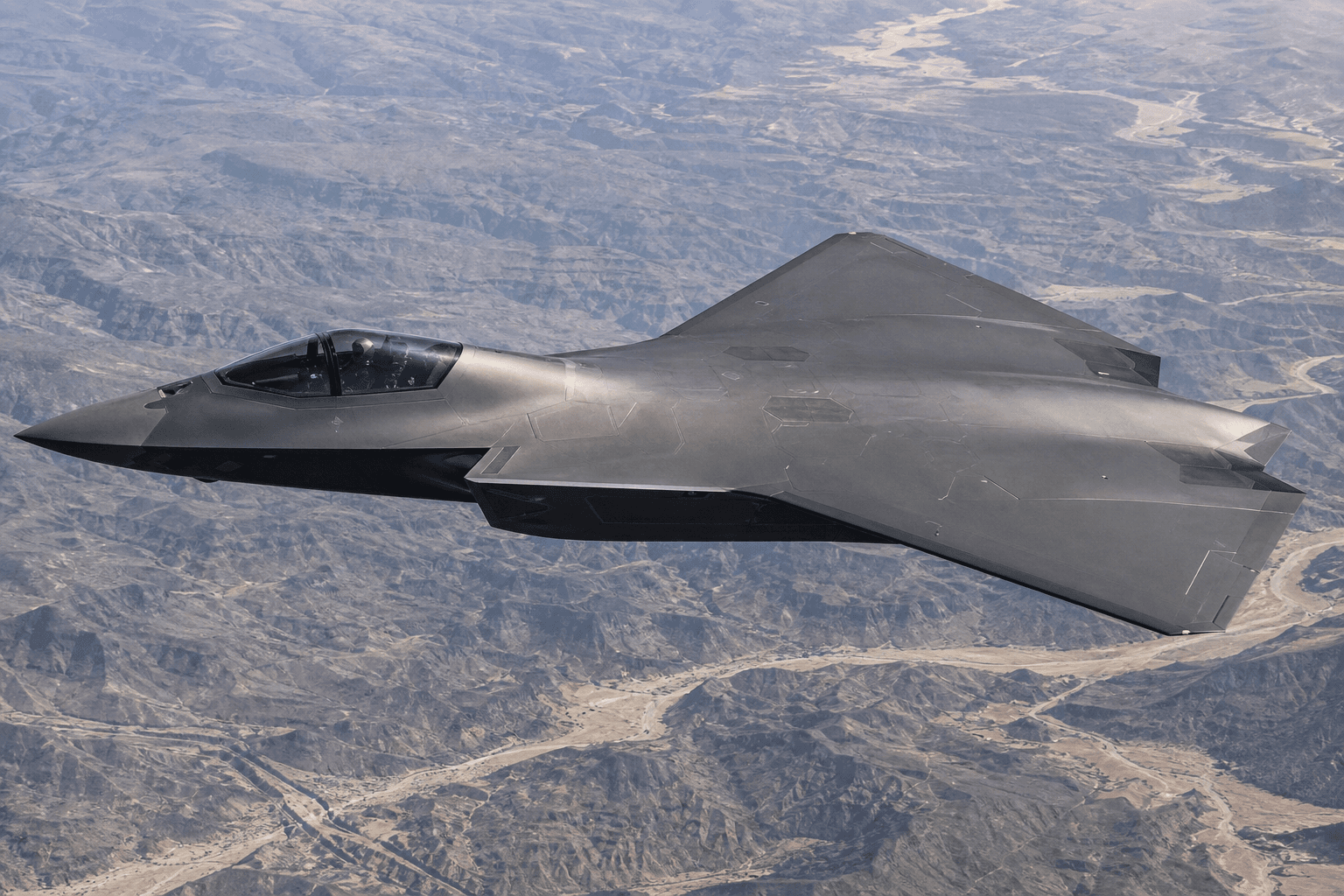
China's J-50 6th-Gen Fighter Ditches Vertical Stabilizers, Relies on Advanced Software
It seems that fifth-generation aircraft are beginning to give way to the next era of air combat, as the competition to develop a sixth-generation fighter has been underway for several years. The difference now is that these aircraft are quickly becoming a reality, with China publicly displaying its J-50 during test flights, the Boeing F-47 expected to conduct its first flight in the coming years, and the Global Combat Air Program (GCAP) continuing its development.
The Daily Touch & Go
The day's best aviation news in your inbox. Free, no spam.