

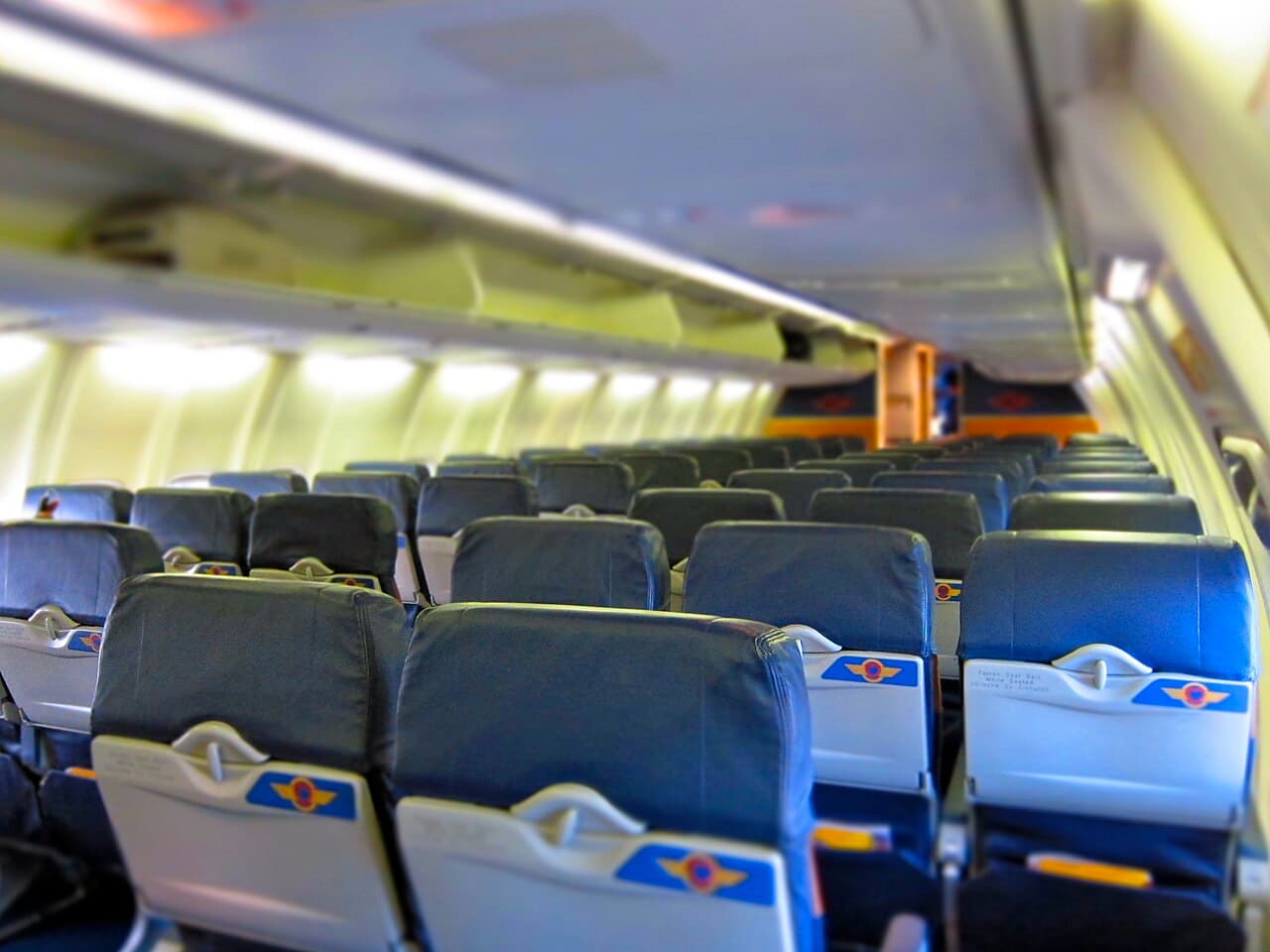
Image: Kevin Dooley · CC BY 2.0 · via Wikimedia Commons
American Airlines Bans Humanoid Robots From All Flights Citing Safety Risks
American Airlines has instituted a strict ban on humanoid and animal-like robots both in cabins and checked luggage, aligning with other major U.S. carriers due to safety concerns linked to lithium-ion batteries.
The gist
American Airlines bans humanoid robots onboard over lithium battery fire hazards, joining Delta and United in the new industry practice.
Continuing coverage
All Faa Regulations →American Airlines has introduced a new policy prohibiting passengers and employees from bringing humanoid and animal-like robots onto their aircraft, either in the cabin or as checked baggage. The policy explicitly forbids these robots even if a separate seat has been purchased for them. The decision comes amid rising safety concerns and operational challenges posed by such devices on flights. The airline clarified that robots designed to resemble humans or animals, in terms of appearance or behavior, are included in this ban. Furthermore, these robots are not recognized as emotional support devices, closing a potential loophole to bring them aboard.
This new restriction by American Airlines brings it into alignment with other major U.S. airlines such as Southwest, Delta, and United, which have already banned humanoid robots following incidents involving passenger distress and safety hazards. The core issue prompting these bans is the fire risk associated with the lithium-ion batteries that power these robots. Unlike smaller electronics like phones or tablets, these robots typically contain battery packs ranging from 800 to 2,500 watt-hours. Such large battery capacities pose a much greater hazard if a fire or thermal event occurs in flight.
The Federal Aviation Administration (FAA) has highlighted the growing risks related to lithium batteries on aircraft. Recent FAA data revealed over 750 verified incidents involving smoke, fire, or extreme heat from lithium battery-powered devices between March and July 2026 alone. These incidents involved smaller devices such as e-cigarettes, laptops, and cellphones. Introducing robots with significantly larger batteries could exponentially increase the risk, complicating onboard fire containment and passenger safety measures.
FAA regulations restrict how lithium-ion batteries are carried on flights, specifying size limits, quantities, and acceptable packing methods. Batteries smaller than 100 watt-hours can be carried without quantified limits if they are for personal use and packed in carry-on baggage. Batteries between 101 and 160 watt-hours require airline approval and are limited in quantity. Batteries over 160 watt-hours are prohibited entirely. These rules effectively prevent large robot batteries, which are well above the 160 watt-hour limit, from being safely transported.
Flight attendants currently have protocols to manage incidents involving small lithium battery fires, such as using thermal containment bags to isolate burning devices. However, such safety measures are impractical for the much larger power sources embedded in humanoid robots. Their size and mobility could also obstruct evacuation routes or cause injury during movement in the cabin. These operational concerns extend beyond battery fires to include potential interference with other passengers and increased stress for those with anxiety or phobias related to robots or unexpected behavior in tight spaces.
The move by American Airlines follows a viral incident earlier this year where a passenger boarded a Southwest Airlines flight with a humanoid robot named Stewie, traveling with its own purchased seat. This event catalyzed Southwest to tighten its policies about robot carriage, prompting other carriers to evaluate their own rules. American’s decision to ban humanoid robots outright reflects a precautionary stance amidst technological advances and increasing prevalence of AI-driven devices intended for medical assistance, mobility support, and entertainment.
Despite controversies and debates about whether service animals cause similar or greater disruption, airlines prioritize the unique challenges humanoid robots present. The decision to disallow these devices stems mainly from safety, regulatory, and logistical considerations rather than purely passenger comfort. Airlines continue to monitor ongoing innovations in robotics and AI to assess future policy adaptations as technology and safety equipment evolve.
Frequently asked questions
- Why has American Airlines banned humanoid robots on their flights?
- American Airlines banned humanoid robots due to safety concerns from the lithium-ion batteries powering them, which pose fire and thermal risks that are difficult to manage onboard.
- Are humanoid robots allowed if passengers buy a separate seat?
- No, American Airlines prohibits humanoid and animal-like robots even if passengers purchase a separate seat for them.
- What are the FAA regulations regarding lithium-ion batteries on flights relevant to this ban?
- The FAA limits lithium-ion batteries to under 160 watt-hours for devices onboard and forbids batteries over 160 watt-hours; humanoid robot batteries exceed this limit making them prohibited.
Read more
All Airlines →
American Airlines Launches Six New Transatlantic Routes from US Hubs to Europe
American Airlines has added six new or returning nonstop transatlantic routes to its network in 2026, linking three major US hubs with European destinations. The routes connect some major US hubs with Scotland, Italy, Greece, Hungary and the Czech Republic. Launched between March and May, the services form part of American's largest summer schedule yet and strengthen its position across the Atlantic.
American Airlines Struggles to Match Delta and United in Profitability Despite Market Size
American Airlines was founded in 1930 through a merger of 80 airlines. It wouldn't be until 2013 that American as we know it today was born through a merger with US Airways. With over 223 million passengers carried in 2025, the oneworld carrier remains one of the world's largest airlines alongside its largest competitors, Delta Air Lines and United Airlines . Despite this, American is lagging behind on one key metric: profitability. A gap the Dallas-based airline is desperately looking to close over the coming years.
American Airlines' Sun Belt Strategy Reflects Constraints More Than Choice, Experts Say
Insiders argue American Airlines has reversed disastrous sales and distribution mistake while still running the same old strategy that left it weak in major markets. That critique is partly right, but incomplete: American's Sun Belt focus was less a fresh strategic choice than the result of years of retreat from competition, premature aircraft retirements, slot and gate constraints, and a long-running failure to value the markets that drive loyalty and credit card spend.
US Flight Attendant Pay Scales Split Sharply Between Legacy and Regional Airlines
Flight attendants have received new contracts and wage increases at all three US legacy carriers over the past few years, allowing salaries to keep up with inflation and reflect the demanding nature of the work. American Airlines' cabin crew received a new contract in 2024, while United Airlines flight attendants ratified a new contract in May 2026. Delta Air Lines flight attendants are not unionized, but they too have been receiving pay increases and benefits that are competitive with the other two.
The Daily Touch & Go
The day's best aviation news in your inbox. Free, no spam.