
Image: Dbreemeersch · Public domain · via Wikimedia Commons
Cirrus SF50 Vision Jet Offers Ultra-Cheap Ownership Compared to Chartering Business Jets
The single-engine Cirrus SF50 Vision Jet is the most affordable new turbofan business jet, with operating costs substantially below typical charter rates.
The gist
Cirrus SF50 Vision Jet costs over $1,000 less per hour to run than chartering comparable small jets, reshaping private jet economics.
Continuing coverage
All Business Aviation →- Chartering a Boeing 747 Costs $25K-$40K Per Hour in 2026 for Large Passenger and Cargo Needs
- Embraer debuts Phenom 300EV light jet with Garmin Emergency Autoland and upgraded range
- Embraer Launches Phenom 300EV Light Jet With Autoland and Enhanced Payload
- Palm Beach International Airport Renamed to President Donald J. Trump International Airport on July 9
- Tech Boom Fuels Surge in Private Jet Demand Among Young SpaceX Employees
At the lower end of private jets lies the Cirrus SF50 Vision Jet, notable for being the least expensive turbofan-powered business jet available new, with a base price around $3 million. As a single-engine very light jet (VLJ), it contrasts sharply with competing twin-engine models such as the HondaJet Elite II and Embraer Phenom 100, which start at nearly double that price. The Vision Jet appeals primarily to owner-pilots, offering a blend of jet performance and smaller aircraft familiarity rare in business aviation.
The SF50's design centers on reducing costs without sacrificing basic jet capabilities. Unlike most business jets that feature two engines, the Vision Jet employs a single Williams FJ33 turbofan, a choice that significantly cuts operating expenses. Reduced fuel consumption and lower maintenance complexity result from one engine instead of two, making hourly operation far more economical than similarly priced VLJs. This is a key factor behind its reputation as an affordable stepping stone for pilots moving up from single-engine turboprops like the Cirrus SR22.
Operating costs are the crux of the Vision Jet’s value proposition. While typical charter rates for VLJs range from $1,700 to $3,000 per flight hour, the SF50’s all-in hourly expenses—covering fuel burn, insurance, depreciation, and maintenance—fall between $1,000 and $2,000 per hour. In some cases, owning and operating an SF50 can cost over $1,000 less per hour compared to chartering a similar aircraft. This disparity represents a major financial incentive for owner-operators who fly frequently enough to justify ownership.
Despite its affordability, the Vision Jet does not match the speed, altitude, or range of larger VLJs or light jets. With a top speed of about 311 knots and a service ceiling of 31,000 feet, it lags behind competitors such as the HondaJet Elite II, which cruises faster and flies higher. The SF50 also offers a limited range of approximately 1,200 nautical miles, comparable but slightly less than other entry-level VLJs. These performance constraints position it more as an upgraded personal aircraft rather than a long-distance business transport.
The Vision Jet’s capacity is modest, accommodating up to six passengers, which aligns with its role as a personal or small-group aircraft rather than a corporate shuttle. Its smaller size allows it to fit in standard T-hangars, unlike many other jets requiring special hangar arrangements, further reducing ownership overheads. This makes the SF50 attractive to pilots who seek more capability than high-performance turboprops but at a fraction of the cost and complexity of traditional business jets.
Cirrus designed the SF50 to appeal primarily to owner-pilots transitioning from piston aircraft like the SR22 and SR20 series. Pilots familiar with Cirrus models benefit not only from aircraft handling similarities but also enjoy potentially lower insurance costs due to brand familiarity and safety features unique to Cirrus. The Vision Jet’s cockpit and systems layout also incorporate modern avionics and safety innovations, including the Cirrus Airframe Parachute System, enhancing its appeal as an entry-level jet.
Although owning a private jet involves additional costs such as insurance, storage, and maintenance liability, the Vision Jet’s relatively low acquisition price and operating expenses narrow the cost gap versus chartering. By comparison, chartering small business jets often includes minimum flight hour charges and positioning fees that increase the total cost. For frequent flyers who prefer availability and control, the SF50 offers a compelling economic case, especially for shorter routes unsuitable for commercial flights.
Ultimately, the SF50 Vision Jet occupies a unique niche in the business aviation market. It bridges the gap between high-performance turboprops and conventional business jets by combining the convenience of jet propulsion with relatively simple operations and ownership costs. For pilots seeking their first jet experience without the substantial financial commitment of larger VLJs, the Vision Jet presents an accessible entry point.
With continuing production confirmed and the SF50 remaining the best-selling business jet in its class, the market is responding positively to this cost-effective model. Its operational economics challenge traditional thinking about private jet ownership versus chartering, providing a viable alternative for owner-pilots prioritizing affordability and simplicity without fully sacrificing jet performance.
Frequently asked questions
- How much does it cost to operate the Cirrus SF50 Vision Jet per hour?
- Operating costs of the Cirrus SF50 Vision Jet typically range between $1,000 and $2,000 per hour, including fuel, insurance, depreciation, and maintenance.
- How does the Cirrus SF50 compare in price to other very light jets?
- The Cirrus SF50 is the cheapest new turbofan-powered business jet, priced around $3 million, significantly less than competitors like the HondaJet or Embraer Phenom 100.
- Why is the Cirrus SF50 Vision Jet cheaper to operate than other VLJs?
- Its single-engine design greatly reduces fuel consumption and maintenance costs compared to twin-engine VLJs, leading to substantially lower hourly operating expenses.
Read more
All Business Aviation →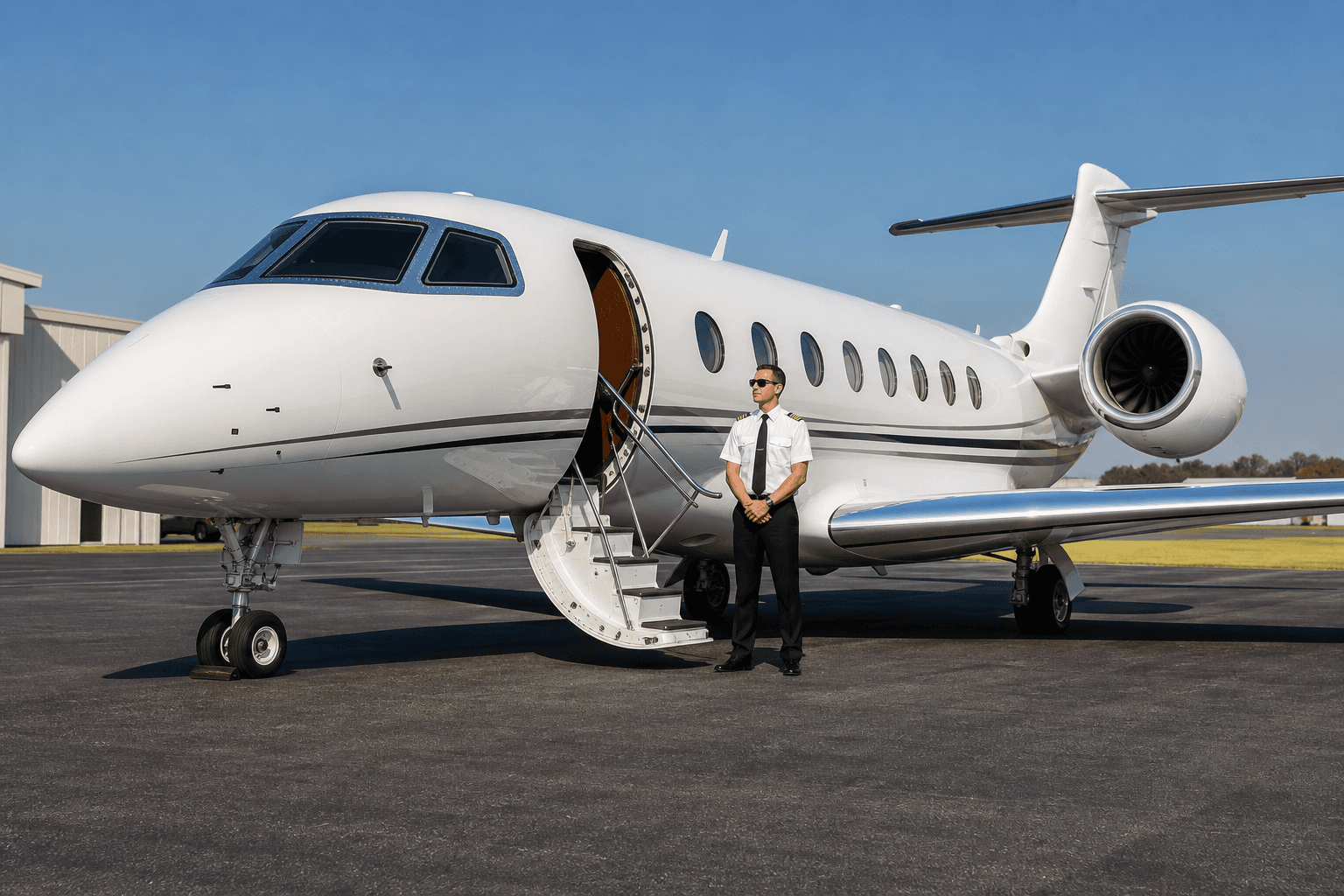
US Private Jet Pilots Earn Average $130,916 Annually with Wide Salary Range
Private jet careers are still popular for pilots even though they typically pay less than commercial pilot positions.
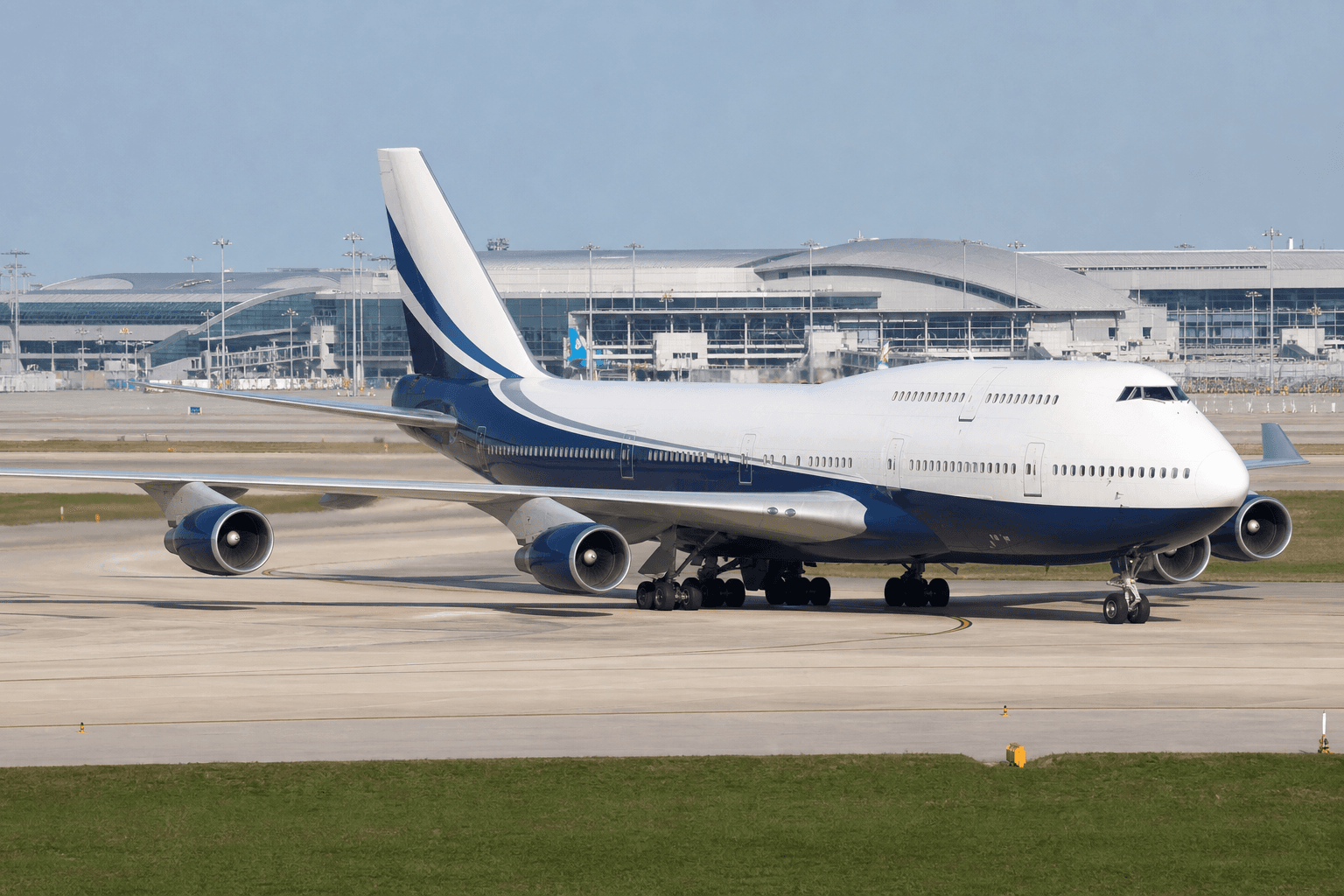
Chartering a Boeing 747 Costs $25K-$40K Per Hour in 2026 for Large Passenger and Cargo Needs
Chartering aircraft has been a popular alternative to commercial air travel since the end of World War II, according to Business Aircraft Center. The introduction of the Learjet 23 in 1963 further cemented charter aircraft operations as a mainstay in the corporate aviation landscape. Several manufacturers from the 1960s onward began to produce their own variants, to grow the business aviation landscape as it stands today. Companies such as Bombardier, Dassault Falcon , Gulfstream, Embraer , and Textron are some of the most common corporate jet manufacturers in the industry today.
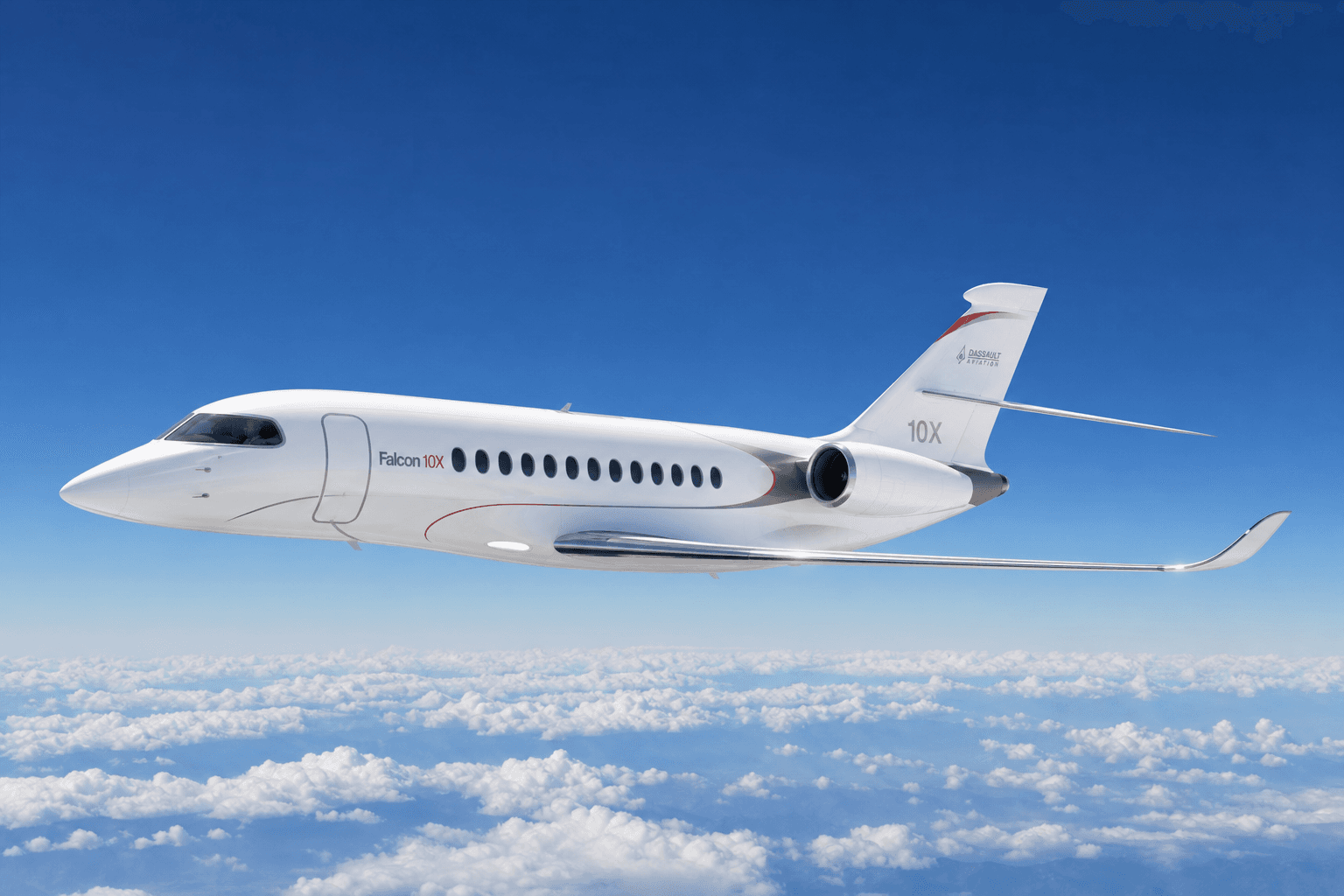
Dassault Falcon 10X Completes Successful Maiden Flight From Bordeaux
The 2-hour, 30-minute flight marks the start of the aircraft's flight test program.
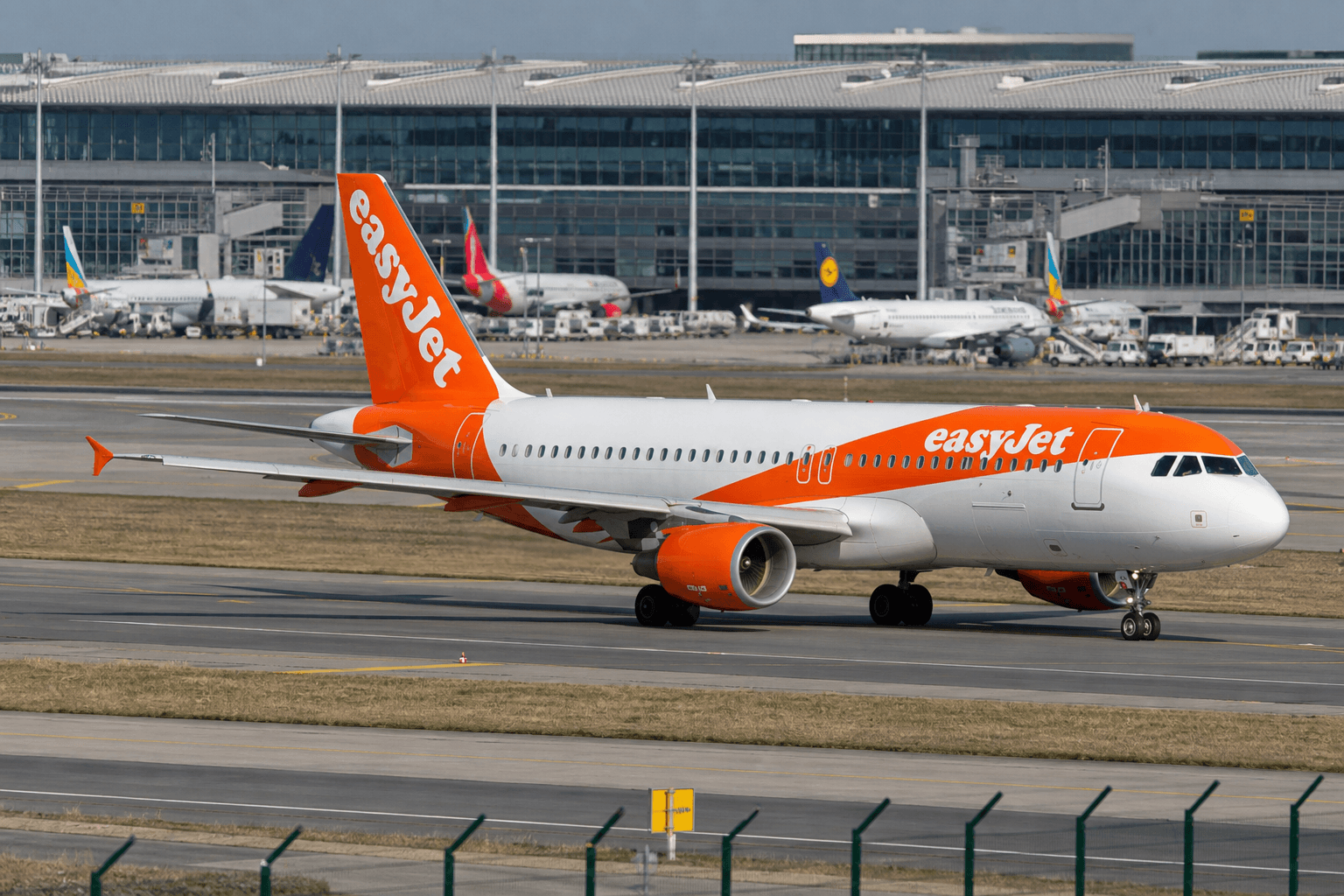
Apollo Agrees £5.7bn Bid to Acquire EasyJet After Castlelake Withdraws
Apollo and Castlelake had both been given a 7 August deadline to firm acquisition interest. US investment firm Apollo Management has agreed to a £5.7 billion ($7.7 billion) recommended offer for EasyJet , shortly after potential rival bidder Castlelake disclosed it would not be making a formal bid for the UK budget carrier. Apollo had appeared in pole position to acquire EasyJet after the latter's board signalled its intent to back the proposed £7.15-per-share acquisition. That came after the carrier had previously outlined its intention to support a potential offer from another US investment firm, Castlelake, based on a £6.90-per-share acquisition. Both suitors were given until 7 August to put forward binding offers and, shortly after Castlelake disclosed it had dropped out of the running, Apollo now says it has agreed a recommended offer for EasyJet based on a price of £7.15 per share. The offer has been made through Eagle Bidco, a company indirectly owned by Apollo Funds and managed by Apollo Capital Management and its affiliates. In a statement outlining the offer, Apollo says it represents an 81% premium on EasyJet's share price of 28 May, and a 22% premium on its highest closing price in the four years before that. "The EasyJet board has carefully evaluated the proposal from Apollo alongside EasyJet’s standalone prospects,” says EasyJet chair Stephen Hester. “While we remain confident in the strength of our business and the opportunities ahead, we believe this offer appropriately recognises the quality of the business we have built and delivers immediate, certain and attractive value for shareholders.” Antoine Munfakh, partner and deputy global head of Private Equity at Apollo, says: “Our partnership with EasyJet will draw upon Apollo’s extensive experience investing in and growing businesses in the airline sector, bringing capital and deep operational and strategic expertise to support the team in generating long-term, sustainable growth. "We are committed to supporting the EasyJet Group in reaching its full potential.” Apollo says it has also secured irrevocable undertakings supporting the offer from Stelios Haji-Ioannou and his family, which together account for over 15% of the carrier's share capital. “I am pleased with Apollo’s strategic intentions for the EasyJet business, which aim to create more growth,” says Haji-Ioannou. “The fact that Apollo, as one of the most well-resourced and experienced institutional investors in the world, has decided to back and grow EasyJet, the leading member of the easy family of brands, is testament to the strength of the Easy brand and the business model of EasyGroup.” Haji-Ioannou adds that he and his family intend to remain invested as “ long-term major shareholders” of EasyJet. Apollo expects the acquisition to complete by the end of the first quarter of 2027. Earlier investment firm Castlelake said it had opted against making a formal offer for the carrier. "Castlelake is very appreciative of the constructive engagement with the EasyJet board and management team, and would like to thank them for their time and consideration of this potential transaction,” it says.
The Daily Touch & Go
The day's best aviation news in your inbox. Free, no spam.