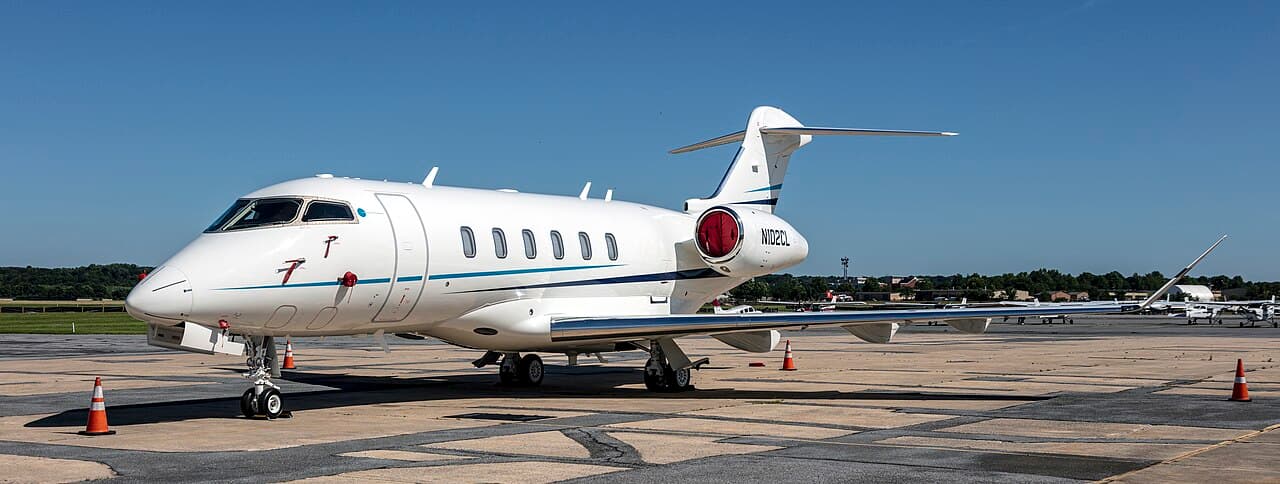
Image: Acroterion · CC BY-SA 4.0 · via Wikimedia Commons
Owning a Bombardier Challenger 300 Beats Chartering Beyond 300 Flight Hours Annually
With charter rates averaging $9,525 an hour, owning a Challenger 300 becomes cost-effective above roughly 300 flight hours a year, factoring in fixed and variable operational costs.
The gist
Bombardier Challenger 300 ownership surpasses chartering economically at about 300 flight hours yearly, balancing purchase and upkeep costs against hourly charter fees.
Continuing coverage
All Business Jets →- Bombardier delivers 200th Challenger 3500 jet to Ferrari heir Piero Ferrari
- Embraer Unveils Phenom 300EV With Garmin Emergency Autoland and Enhanced Safety Features
- Emerging Two-Hangar Trend Sees Pilots Balancing Business Jets with Personal Backcountry Aircraft
- Textron Aviation unveils Cessna CJ3 Gen2 and King Air 360 Crimson at Oshkosh 2026
- Embraer obtains global certification for upgraded Praetor 500E business jet
The Bombardier Challenger 300 remains a super-midsize business jet benchmark more than two decades after its 1999 launch, largely due to its spacious cabin, performance, and operational cost profile. As charter rates for such aircraft average around $9,525 per hour, aviation analysts pinpoint the threshold where ownership becomes financially advantageous over chartering at approximately 300 flight hours annually, a figure that refines the common 200-hour ownership rule of thumb.
A used Challenger 300 today commands an acquisition price near $10.5 million. However, purchase cost represents only the initial investment; owners must also contend with fixed and variable expenses such as crew salaries, hangar fees, insurance, aircraft management, routine maintenance, and fuel. These additional outlays collectively elevate annual fixed costs to roughly $793,000, with maintenance costs averaging $500,000 per year depending on aircraft condition and age.
Variable operating expenses accrue with each flight hour, estimated at $3,781.71 and including fuel (at about $6.28 per gallon), engine program fees, and hourly maintenance. When these operating costs combine with fixed charges and depreciation—projected at 4% of initial value annually—the cumulative expense commands a level flight usage to justify ownership beyond mere purchase price amortization.
A breakdown of the cost calculations reveals offset hours needed to cover each expense category: 87 hours to absorb annual maintenance, 137 hours for fixed expenses, and approximately 73 hours to counteract yearly depreciation loss. Summing these requirements derives a total ownership justification point near 297 hours annually. At this usage load, the financial advantage tilts in favor of owning versus incurring hourly charter fees permanently tied to usage.
For those flying significantly fewer than 300 hours per year, alternative access models such as fractional ownership offer a hybrid solution. These programs enable buyers to acquire a share in an aircraft with corresponding flight time allocations, reducing upfront capital commitments and transferring operational and maintenance responsibilities to specialized management firms. Fractional ownership typically suits customers flying between 50 and 300 hours annually, blending predictability and flexibility without the full burdens of ownership.
Charter prices demonstrate wide variability dependent on jet size and provider; turboprops average $4,610 an hour, light jets move toward $6,895, and heavy jets may near $13,000 hourly or more. Notably, jet card arrangements—often guaranteeing availability—push charter rates for super-midsize jets like the Challenger 300 up to $11,230 per hour, highlighting ownership’s relative cost-efficiency for frequent flyers.
The Challenger 300’s cabin accommodates up to nine passengers with high-end customizable interiors, including luxury materials like marble or wood flooring and configurable seating positions, benefits exclusive to owners. Designed with twin Honeywell HTF7000 engines, it delivers a maximum range of approximately 3,065 nautical miles and a top cruising speed around 476 knots, fulfilling diverse mission profiles from corporate travel to private charters.
Following the Challenger 300, Bombardier introduced the Challenger 350 variant with enhanced avionics, interior modernization, and extended range, further advancing the super-mid business jet class. Such developments continue to influence market valuations and charter pricing dynamics, though the core economic calculus between owning and chartering remains anchored by fixed costs and usage patterns.
Importantly, these ownership cost models presuppose outright purchase with available liquidity; financing alternatives introduce loan interest, potentially increasing the break-even flight hour threshold. Additionally, tangential ownership benefits, such as immediate availability and customized operational control, while intangible, factor into buyer decisions alongside pure financial metrics.
Frequently asked questions
- At what annual flight hours does owning a Challenger 300 become more cost-effective than chartering?
- Owning a Challenger 300 becomes financially advantageous over chartering at about 300 flight hours annually when considering purchase price, fixed and variable operational costs, and depreciation.
- What factors contribute to the annual fixed costs of owning a Challenger 300?
- Annual fixed costs include crew salaries, hangar fees, insurance, aircraft management, and routine maintenance, collectively totaling approximately $793,000 excluding variable hourly expenses.
- How do charter costs for a Challenger 300 compare to ownership operating costs?
- Chartering a Challenger 300 averages $9,525 per hour, whereas ownership variable operating costs are about $3,782 per hour, creating significant savings for owners flying frequently.
Read more
All Business Aviation →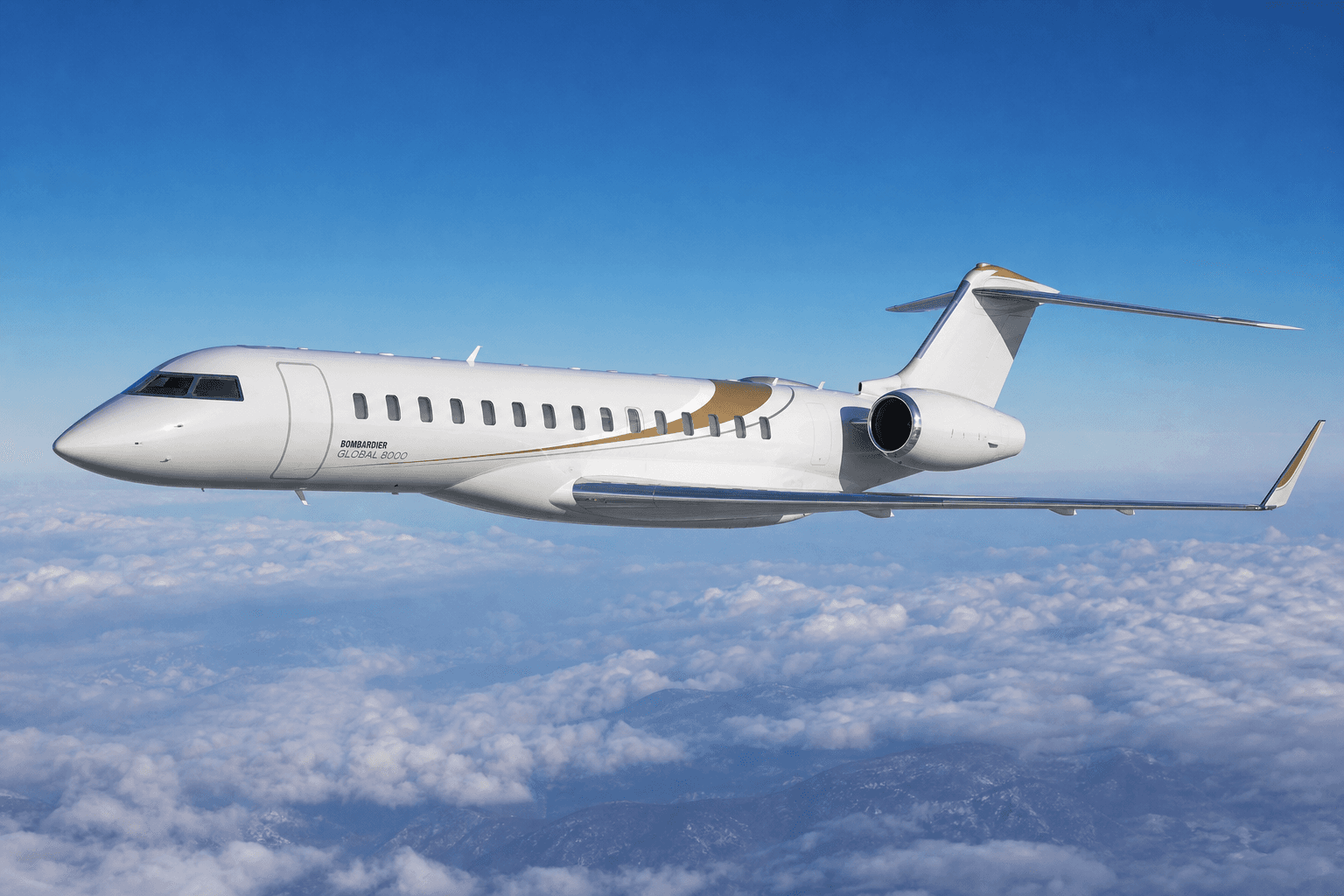
Bombardier Global 8000 Sets New Speed Benchmark as Fastest Civil Jet Since Concorde
The Bombardier Global 8000 is the fastest civil jet since Concorde, combining Mach 0.95 speed, 8,000-nm range, and record-setting performance.
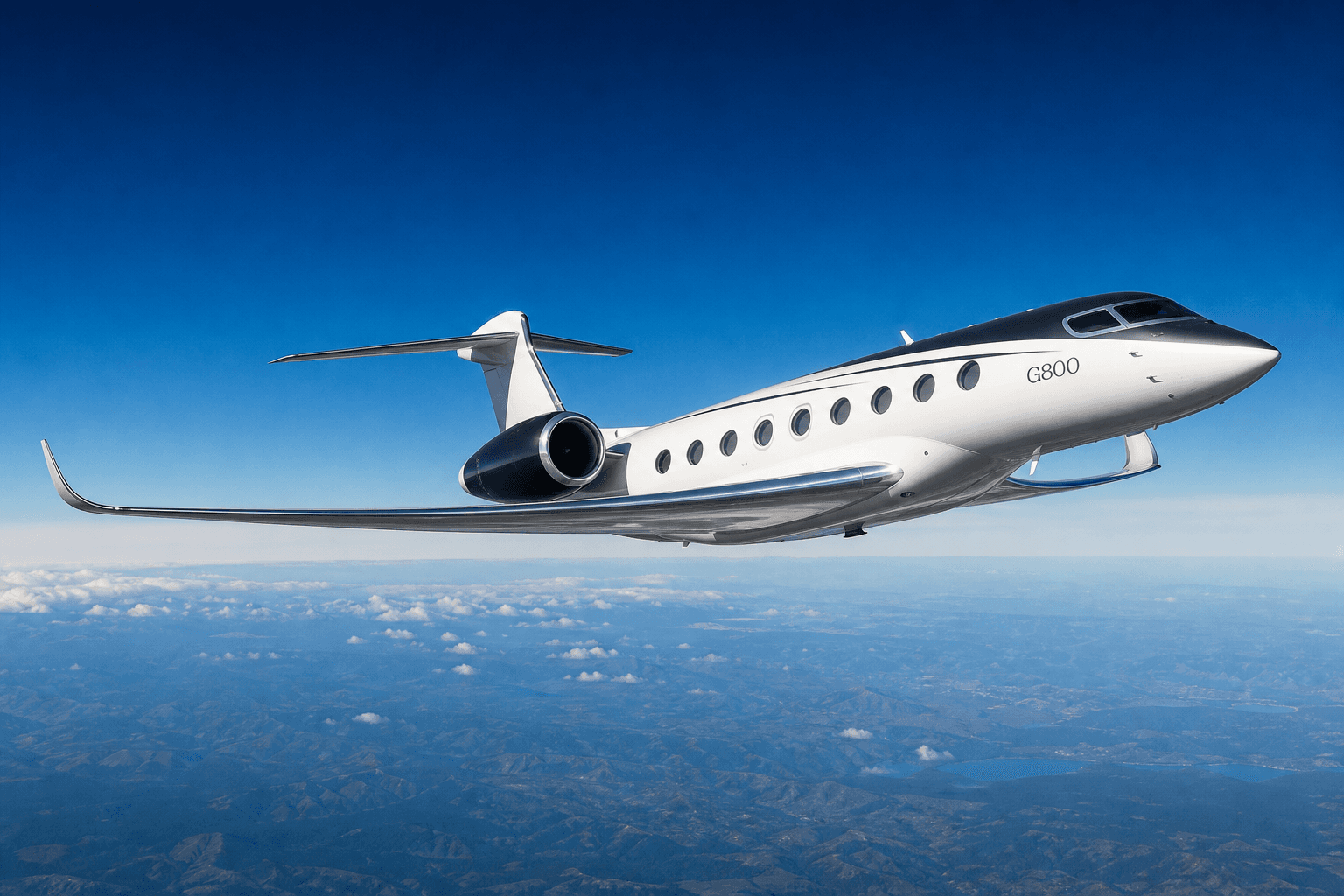
Gulfstream's G800 Sets New Speed and Distance Records in Business Jet Category
Manufacturer announced the milestone alongside its 800th city pair speed record, achieved by its new G800.
Cirrus SF50 Vision Jet Offers Ultra-Cheap Ownership Compared to Chartering Business Jets
Most people associate the term ' private jet ' with the largest, most expensive long-range jets produced by Gulfstream and Bombardier, but most business jets are significantly smaller with less range. These planes are less usable and may appear to provide fewer benefits, but they're also much cheaper to purchase. Meanwhile, at the bottom of the market lies the tiny Cirrus SF50 Vision Jet, a single-engine, single-pilot very-light-jet that's more similar in design and capabilities to turboprops than other VLJs.
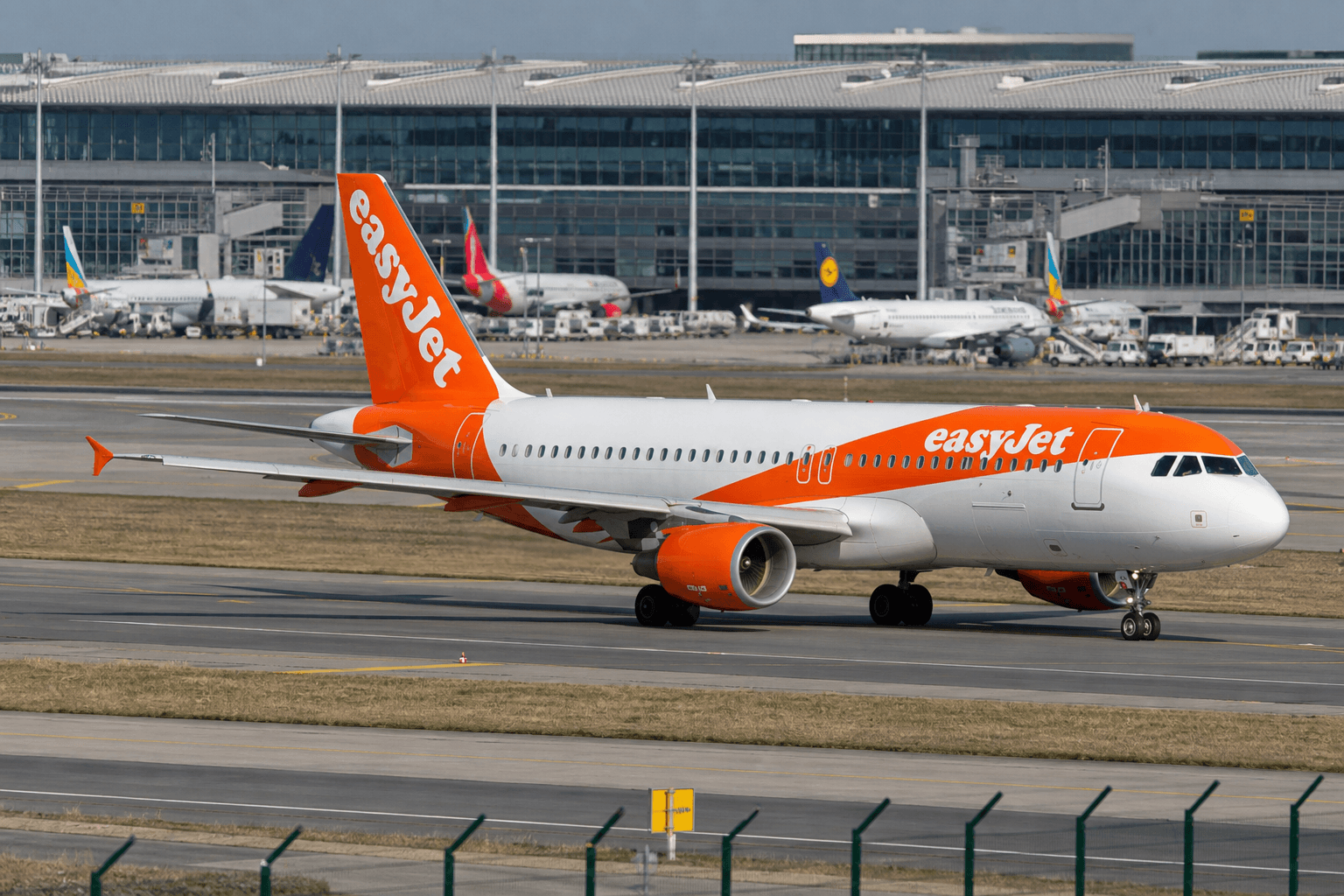
Apollo Agrees £5.7bn Bid to Acquire EasyJet After Castlelake Withdraws
Apollo and Castlelake had both been given a 7 August deadline to firm acquisition interest. US investment firm Apollo Management has agreed to a £5.7 billion ($7.7 billion) recommended offer for EasyJet , shortly after potential rival bidder Castlelake disclosed it would not be making a formal bid for the UK budget carrier. Apollo had appeared in pole position to acquire EasyJet after the latter's board signalled its intent to back the proposed £7.15-per-share acquisition. That came after the carrier had previously outlined its intention to support a potential offer from another US investment firm, Castlelake, based on a £6.90-per-share acquisition. Both suitors were given until 7 August to put forward binding offers and, shortly after Castlelake disclosed it had dropped out of the running, Apollo now says it has agreed a recommended offer for EasyJet based on a price of £7.15 per share. The offer has been made through Eagle Bidco, a company indirectly owned by Apollo Funds and managed by Apollo Capital Management and its affiliates. In a statement outlining the offer, Apollo says it represents an 81% premium on EasyJet's share price of 28 May, and a 22% premium on its highest closing price in the four years before that. "The EasyJet board has carefully evaluated the proposal from Apollo alongside EasyJet’s standalone prospects,” says EasyJet chair Stephen Hester. “While we remain confident in the strength of our business and the opportunities ahead, we believe this offer appropriately recognises the quality of the business we have built and delivers immediate, certain and attractive value for shareholders.” Antoine Munfakh, partner and deputy global head of Private Equity at Apollo, says: “Our partnership with EasyJet will draw upon Apollo’s extensive experience investing in and growing businesses in the airline sector, bringing capital and deep operational and strategic expertise to support the team in generating long-term, sustainable growth. "We are committed to supporting the EasyJet Group in reaching its full potential.” Apollo says it has also secured irrevocable undertakings supporting the offer from Stelios Haji-Ioannou and his family, which together account for over 15% of the carrier's share capital. “I am pleased with Apollo’s strategic intentions for the EasyJet business, which aim to create more growth,” says Haji-Ioannou. “The fact that Apollo, as one of the most well-resourced and experienced institutional investors in the world, has decided to back and grow EasyJet, the leading member of the easy family of brands, is testament to the strength of the Easy brand and the business model of EasyGroup.” Haji-Ioannou adds that he and his family intend to remain invested as “ long-term major shareholders” of EasyJet. Apollo expects the acquisition to complete by the end of the first quarter of 2027. Earlier investment firm Castlelake said it had opted against making a formal offer for the carrier. "Castlelake is very appreciative of the constructive engagement with the EasyJet board and management team, and would like to thank them for their time and consideration of this potential transaction,” it says.
The Daily Touch & Go
The day's best aviation news in your inbox. Free, no spam.