

Image: BriYYZ from Toronto, Canada · CC BY-SA 2.0 · via Wikimedia Commons
Lufthansa debuts Starlink wi-fi on first A320neo, plans 850 aircraft retrofit by 2029
Lufthansa Group began installation of SpaceX's Starlink in-flight wi-fi on its first Airbus A320neo, aiming to equip all 850 fleet aircraft across its carriers by 2029 with the system.
The gist
Lufthansa started flying an A320neo with Starlink wi-fi and plans to outfit 850 planes by 2029 across its airline brands.
Continuing coverage
All Starlink →- Lufthansa Group debuts free high-speed Starlink Wi-Fi on A320neo starting August 19
- Frontier Airlines First US ULCC to Install Starlink WiFi Starting 2027
- Frontier Airlines to Install Starlink Wi-Fi Across Entire Fleet by Early 2027
- Frontier Airlines to Launch Starlink Wifi Fleetwide, Surpassing Delta's Connectivity Offering
- Frontier Airlines to Charge Passengers for Starlink Wi-Fi Starting 2027
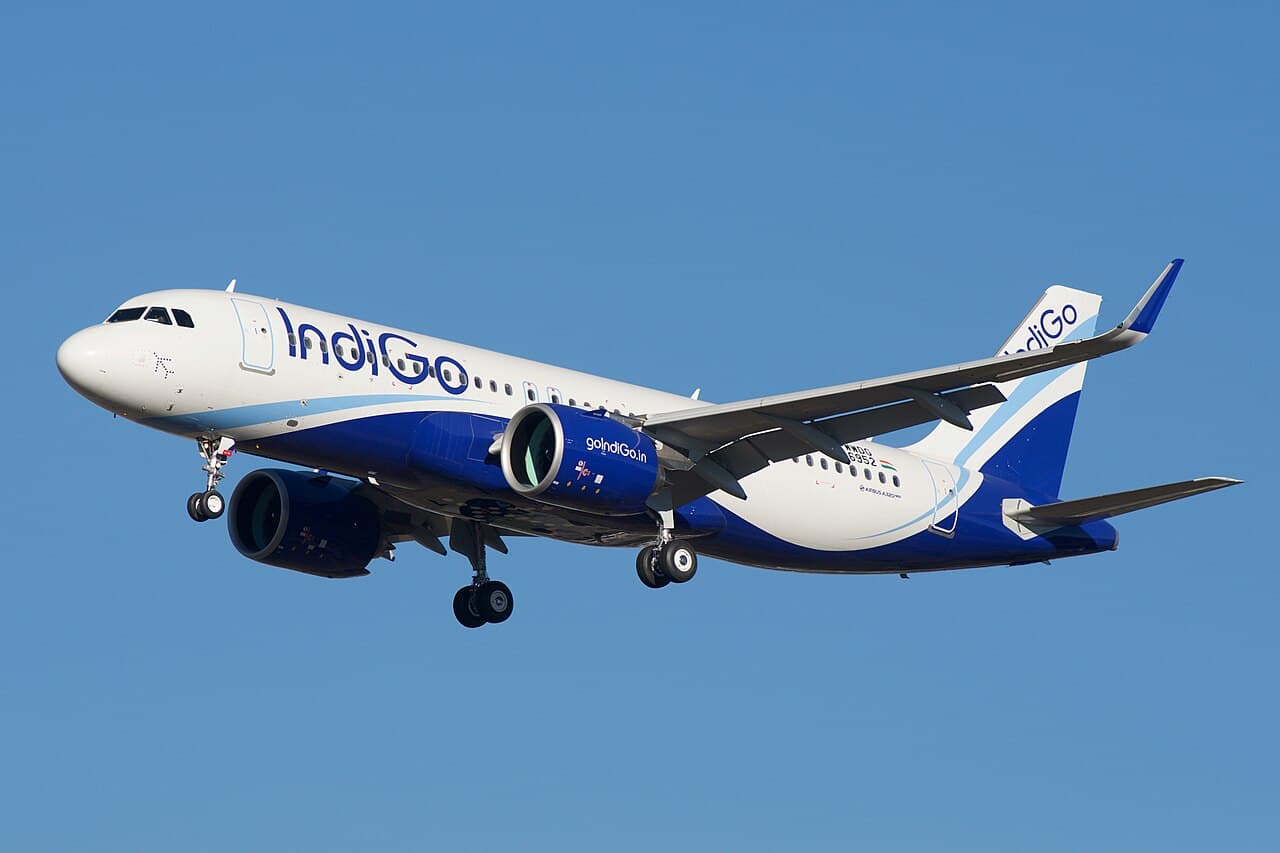
Lufthansa Group has activated the first aircraft fitted with SpaceX's Starlink in-flight wi-fi system, marking the start of a comprehensive retrofit program across its airline fleet. This initial installation was completed on a Lufthansa mainline Airbus A320neo, registered D-AINM, by Lufthansa Technik's Berlin facilities. The aircraft commenced commercial service with the Starlink system on August 19, flying from Frankfurt to Rome, showcasing the new connectivity capability to passengers.
The retrofit initiative targets 850 aircraft owned and operated by Lufthansa Group's multiple airlines, including Lufthansa, Swiss, Austrian Airlines, Brussels Airlines, ITA Airways, Edelweiss, Discover Airlines, Air Dolomiti, Lufthansa City Airlines, and Eurowings. This ambitious program is slated for completion within the next three years, aiming to standardize Starlink wi-fi as the primary internet solution across the entire group.
Installation of the Starlink system is strategically synchronized with each aircraft's scheduled maintenance checks to minimize operational disruption. Apart from Berlin, Lufthansa Technik will also perform installations at its Budapest and Sofia facilities. The system is being retrofitted to current aircraft and will also be offered as a linefit option on new deliveries, thereby ensuring both legacy and incoming aircraft benefit from the enhanced connectivity.
Starlink operates via a constellation of low-Earth orbit (LEO) satellites, offering low-latency, high-bandwidth internet access with global coverage, including challenging polar regions. Lufthansa asserts that this technology delivers internet speeds onboard that can surpass many ground-based home or office connections, aiming to substantially improve passenger experience in-flight.
Passengers enrolled in Lufthansa Group’s Miles & More frequent flyer program and users of the Travel ID service will receive complimentary access to Starlink wi-fi. Lufthansa emphasizes that the service will remain free for passengers who register for Travel ID, with enrollment available even during the flight under an easy, no-cost process. This inclusive approach intends to make wi-fi access broadly available to travelers across the group's airlines.
The launch of Starlink wi-fi under the banner Lufthansa Group Wi-Fi is financially supported by Mastercard, which previously sponsored Lufthansa’s FlyNet service. The FlyNet system utilized connectivity providers Deutsche Telekom and Viasat, indicating Lufthansa’s ongoing investment in improving in-flight connectivity solutions. Meanwhile, Discovery Airlines, part of Lufthansa Group, had selected Panasonic Avionics' multi-orbit connectivity for its Airbus A330 fleet, highlighting the group’s diverse approach to satellite internet.
Lufthansa’s adoption of Starlink follows an industry-wide trend where LEO satellite networks challenge traditional geostationary providers. Competitors like Amazon’s Leo system have secured contracts with major airlines, including Delta Air Lines and JetBlue Airways. Starlink itself has gained momentum, having been selected by multiple European and North American carriers such as IAG’s Vueling, Air Baltic, Wizz Air, Virgin Atlantic, Air Canada, Alaska Airlines, American Airlines, Hawaiian Airlines, Southwest Airlines, United Airlines, and WestJet.
The switch to Starlink signifies a major strategic shift for Lufthansa Group as they aim to offer state-of-the-art, reliable in-flight wi-fi service globally. This transition is expected to enhance passenger satisfaction, operational data capabilities, and competitiveness in the digital age of air travel. By 2029, Lufthansa intends to have the connectivity service fitted fleet-wide, positioning itself at the forefront of the satellite internet revolution in commercial aviation.
Frequently asked questions
- Which Lufthansa aircraft was first equipped with Starlink wi-fi?
- The first Lufthansa aircraft outfitted with Starlink in-flight wi-fi is an Airbus A320neo, registered as D-AINM, which entered service with the system on August 19, 2026.
- How many Lufthansa Group aircraft will receive the Starlink system and by when?
- Lufthansa Group plans to install Starlink wi-fi on 850 aircraft across all its carriers within the next three years, completing the program by 2029.
- Will passengers have to pay for Starlink wi-fi on Lufthansa flights?
- Passengers who are members of Miles & More or registered users of the Travel ID service will have free access to Starlink wi-fi, with registration available at no cost even during the flight.
Read more
All Business Aviation →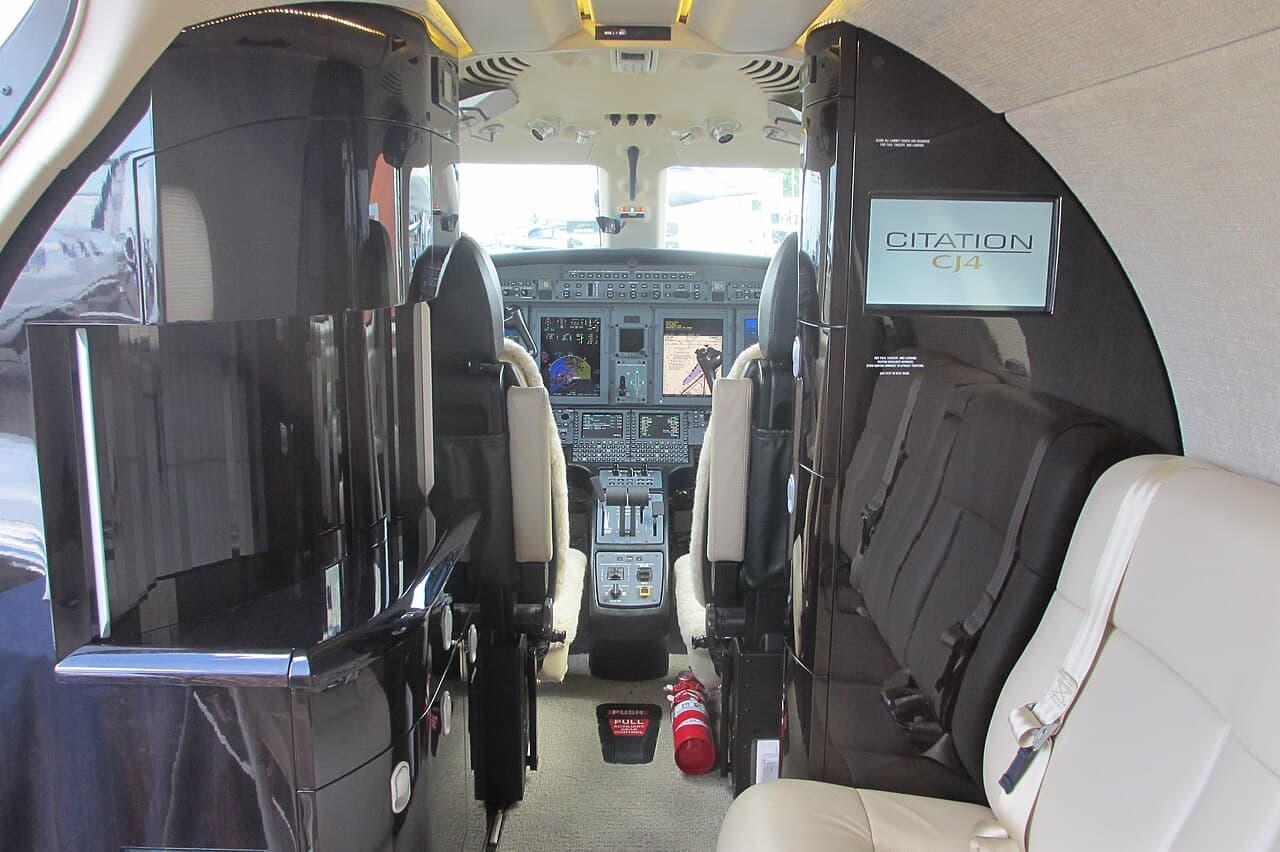
Textron Aviation Delivers 500th Cessna Citation CJ4 Jet Marking Two Decades of Success
On August 17, 2026, Textron Aviation announced that its Cessna subsidiary has delivered the 500th Cessna Citation CJ4 series aircraft. The milestone was achieved with the delivery of a Citation CJ4 Gen2 aircraft to a customer in the Philippines. The Citation CJ4 series is a family of light executive jets which was launched in 2006, first flew in 2008 and has since become one of the best-selling families of private jets. Textron Aviation is currently delivering around 30 CJ4s per year. It has been slightly more than three years since the 400 th Cessna CJ4 delivery in April 2023, to US industrial conglomerate Koch Holdings. Textron Aviation is already working on the next iteration of this aircraft, the Citation CJ4 Gen3, which will feature Garmin G3000 PRIME avionics and the Garmin Emergency Autoland safety system. "The Citation CJ4 has set the standard in its class for more than a decade, and with the Citation CJ4 Gen2 and the upcoming Citation CJ4 Gen3, we're continuing to invest in the innovation, technology and capabilities our customers value most," Lannie O'Bannion, Textron Senior Vice President for Sales & Marketing, said in a press release announcing the 500 th aircraft delivery. This latest and largest version of the Citation CJ4 series (the previous ones being the CJ4 base model and the Gen2 version), which will also be able to carry up to nine passengers and two pilots, is currently undergoing flight testing and is expected to receive type certificate from the Federal Aviation Administration (FAA) before the end of 2026. RELATED New Cessna Citation launch customer confirmed, first test flight triumph: video
Owning a Bombardier Challenger 300 Beats Chartering Beyond 300 Flight Hours Annually
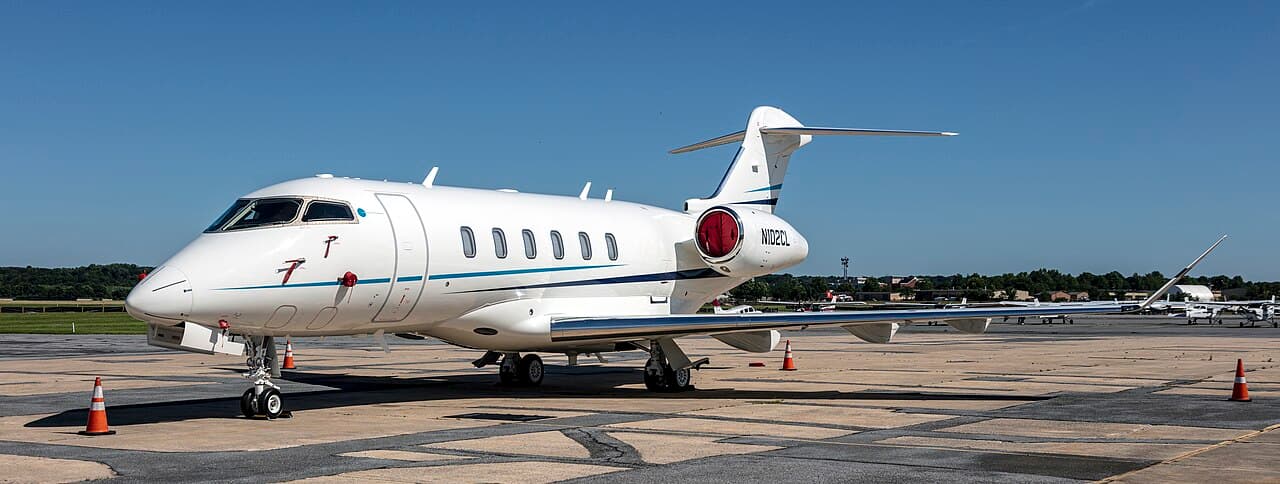
200 hours of flight time is the most commonly cited figure for when it makes more sense to purchase a private jet than charter one. However, the exact number of flight hours depends heavily on the cost of charter and the aircraft in question. To take the Bombardier Challenger 300 as an example, charter rates are usually between $5,950 (low-end quote) and $9,525 (billable average) per hour, according to the Air Charter Journal . The latter is the figure that this article will use.

Cirrus SF50 Vision Jet Offers Ultra-Cheap Ownership Compared to Chartering Business Jets
Most people associate the term ' private jet ' with the largest, most expensive long-range jets produced by Gulfstream and Bombardier, but most business jets are significantly smaller with less range. These planes are less usable and may appear to provide fewer benefits, but they're also much cheaper to purchase. Meanwhile, at the bottom of the market lies the tiny Cirrus SF50 Vision Jet, a single-engine, single-pilot very-light-jet that's more similar in design and capabilities to turboprops than other VLJs.
Apollo Agrees £5.7bn Bid to Acquire EasyJet After Castlelake Withdraws
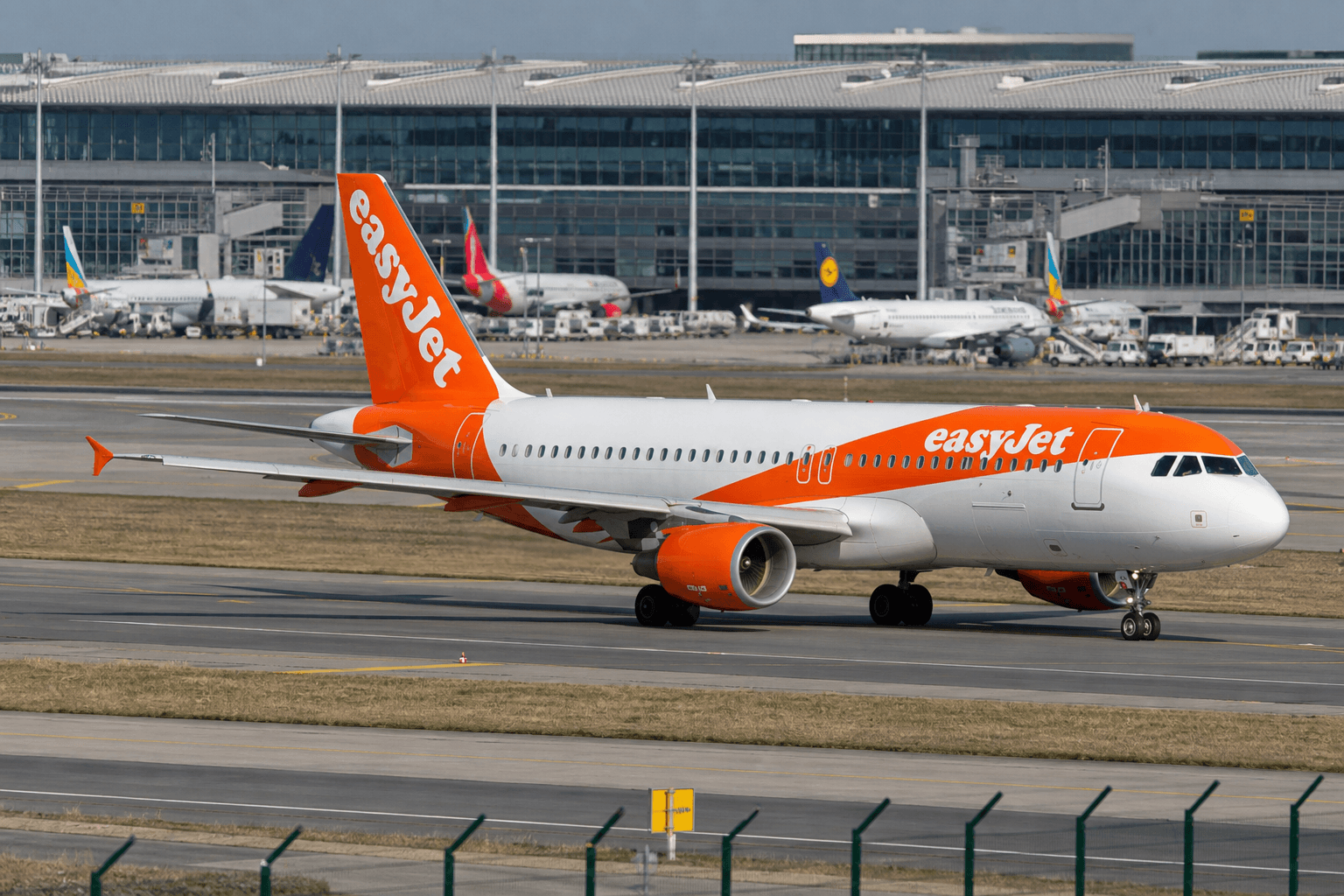
Apollo and Castlelake had both been given a 7 August deadline to firm acquisition interest. US investment firm Apollo Management has agreed to a £5.7 billion ($7.7 billion) recommended offer for EasyJet , shortly after potential rival bidder Castlelake disclosed it would not be making a formal bid for the UK budget carrier. Apollo had appeared in pole position to acquire EasyJet after the latter's board signalled its intent to back the proposed £7.15-per-share acquisition. That came after the carrier had previously outlined its intention to support a potential offer from another US investment firm, Castlelake, based on a £6.90-per-share acquisition. Both suitors were given until 7 August to put forward binding offers and, shortly after Castlelake disclosed it had dropped out of the running, Apollo now says it has agreed a recommended offer for EasyJet based on a price of £7.15 per share. The offer has been made through Eagle Bidco, a company indirectly owned by Apollo Funds and managed by Apollo Capital Management and its affiliates. In a statement outlining the offer, Apollo says it represents an 81% premium on EasyJet's share price of 28 May, and a 22% premium on its highest closing price in the four years before that. "The EasyJet board has carefully evaluated the proposal from Apollo alongside EasyJet’s standalone prospects,” says EasyJet chair Stephen Hester. “While we remain confident in the strength of our business and the opportunities ahead, we believe this offer appropriately recognises the quality of the business we have built and delivers immediate, certain and attractive value for shareholders.” Antoine Munfakh, partner and deputy global head of Private Equity at Apollo, says: “Our partnership with EasyJet will draw upon Apollo’s extensive experience investing in and growing businesses in the airline sector, bringing capital and deep operational and strategic expertise to support the team in generating long-term, sustainable growth. "We are committed to supporting the EasyJet Group in reaching its full potential.” Apollo says it has also secured irrevocable undertakings supporting the offer from Stelios Haji-Ioannou and his family, which together account for over 15% of the carrier's share capital. “I am pleased with Apollo’s strategic intentions for the EasyJet business, which aim to create more growth,” says Haji-Ioannou. “The fact that Apollo, as one of the most well-resourced and experienced institutional investors in the world, has decided to back and grow EasyJet, the leading member of the easy family of brands, is testament to the strength of the Easy brand and the business model of EasyGroup.” Haji-Ioannou adds that he and his family intend to remain invested as “ long-term major shareholders” of EasyJet. Apollo expects the acquisition to complete by the end of the first quarter of 2027. Earlier investment firm Castlelake said it had opted against making a formal offer for the carrier. "Castlelake is very appreciative of the constructive engagement with the EasyJet board and management team, and would like to thank them for their time and consideration of this potential transaction,” it says.
The Daily Touch & Go
The day's best aviation news in your inbox. Free, no spam.