

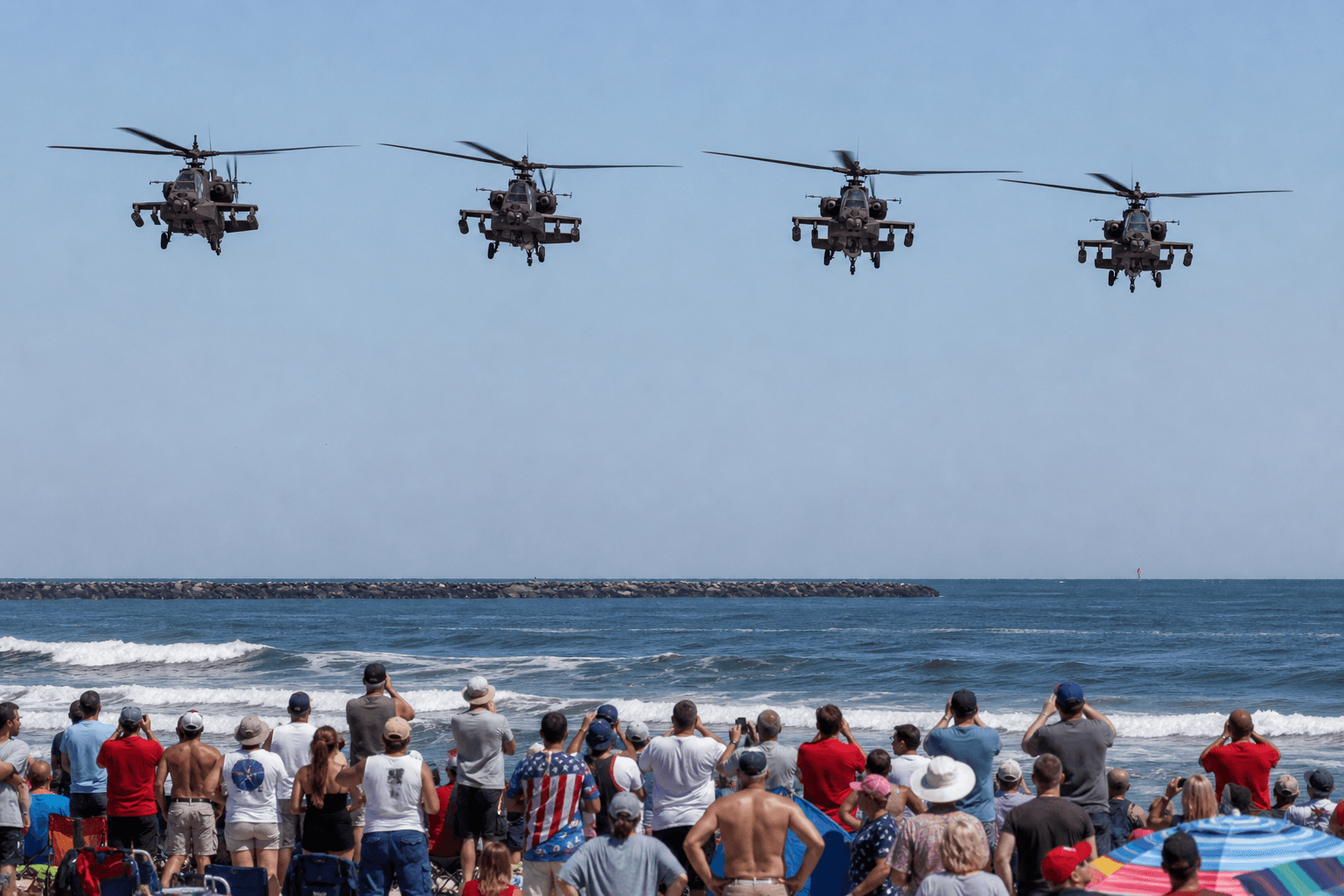
Illustration: The Touch & Go
Pentagon Ends Suspension of South Carolina Apache Pilots After July 4th Coastal Flyover
Eight South Carolina Army National Guard pilots suspended after a July 4th low-altitude Apache flyover have had suspensions lifted following Pentagon intervention.
The gist
Pentagon lifts suspension of eight South Carolina Apache pilots after review of July 4th low-altitude beach flyover.
Continuing coverage
All Flight Safety →- FAA recommends airlines ensure cockpit-voice recorder audio is preserved after incidents
- Majority of Boeing 777 Pilots Land Despite Unstable Approaches, Data Shows
- FAA Issues New Guidance to Preserve Cockpit Voice Recorder Data After Incidents
- Delta A319 struck by fireworks during final approach at Chicago Midway on July 4
- Fatal Epic E1000 Crash Highlights Risks of Flying Advisory Glide Slopes Below MDA
Eight pilots from the South Carolina Army National Guard were suspended after conducting a flyover involving four AH-64 Apache helicopters along South Carolina's coastline during the Fourth of July celebrations, but the Pentagon has now lifted these suspensions. This flyover, known as Salute from the Shore, is an annual event covering approximately 187 miles of the state’s coastal area. The pilots' flight path this year attracted considerable attention due to videos showing the Apaches flying at unusually low altitudes over crowded beaches, raising safety concerns among the public and authorities alike.
Upon learning of the incident, the National Guard took immediate action by temporarily removing the involved pilots from flight duties pending a comprehensive review of their flight profiles and any potential safety violations connected to the event. This suspension was described by officials as a routine and nonpunitive safety measure rather than disciplinary action, with the pilots remaining in good standing and continuing to fulfill ground-based roles during the investigation. The decision demonstrated the Guard's commitment to upholding strict safety standards while maintaining operational integrity.
The review process gained momentum when Defense Secretary Pete Hegseth announced that the Pentagon would directly intervene in the situation, signaling the matter's significance at the federal defense level. This intervention came after public attention grew, fueled by footage of the low-level flyover, which had sparked debate about the appropriateness and safety of such maneuvers over heavily populated areas during public events. The Pentagon's involvement indicated a desire to resolve the issue fairly while considering the operational demands and public relations implications.
Local political figures also expressed support for the South Carolina pilots. Governor Henry McMaster and Representative Russell Fry publicly urged the swift reinstatement of the pilots to flight duty, advocating for their return following the temporary suspension. This local backing highlighted the pilots’ valued service and the seriousness with which state leadership viewed the situation. Their support likely added pressure to expedite the resolution of the suspension.
On Friday, Pentagon spokesman Sean Parnell confirmed on social media that the suspension of all the involved South Carolina pilots was lifted effective immediately, summing up the decision succinctly with the phrase Carry on Patriots. Despite reinstating flight privileges, the Pentagon did not disclose whether the National Guard had concluded its review of the flight profile or any potential safety issues. This leaves open questions about ongoing assessments or changes to operational guidelines for future flyovers.
The AH-64 Apache helicopters involved are a critical asset for the Army National Guard, renowned for their advanced attack capabilities and tactical support. Public demonstrations such as Salute from the Shore offer valuable opportunities to honor military service while connecting with civilian communities through aerial displays. However, balancing public spectacle with strict adherence to flight safety regulations remains a delicate task, especially when aircraft operate in close proximity to large crowds.
The 187-mile-long flyover route spans much of South Carolina’s coastline, necessitating precise coordination and strict operational boundaries to ensure safety for spectators and aircrew. The low-altitude videos that triggered the investigation underscore an ongoing challenge in military flyovers: maximizing visibility and impact without compromising safety standards. This incident draws attention to the complex planning required for military aviation events that involve public interaction.
This episode represents one among several in recent years where military flight operations faced scrutiny for their proximity to populated areas during ceremonial or public events. The Pentagon’s decisive action to lift the suspensions signals confidence in the pilots’ adherence to guidelines or at least an acknowledgment that the event did not merit extended grounding. It emphasizes the importance of thorough reviews but also the need to support aircrew after preliminary investigations.
As future Salute from the Shore events are planned, it is expected that the Army National Guard will review and possibly refine flight protocols to mitigate any perceived safety risks. Public interest and scrutiny will likely persist, given the visibility of these flyovers and the operational demands of military aviation demonstrating both capability and patriotism in civilian airspace.
Frequently asked questions
- Why were the eight South Carolina Army National Guard pilots suspended?
- They were suspended pending review after videos showed them flying AH-64 Apaches at low altitude over crowded beaches during a July 4th event called Salute from the Shore.
- What was the outcome of the Pentagon's involvement regarding the pilots?
- The Pentagon intervened and lifted the suspension of the eight pilots, allowing them to return to flight duties immediately.
- Was the National Guard's review of the flight concluded when suspensions were lifted?
- No, the Pentagon did not indicate that the National Guard’s review of the flight profile had been completed at the time the suspensions were lifted.
Read more
All Aviation Safety →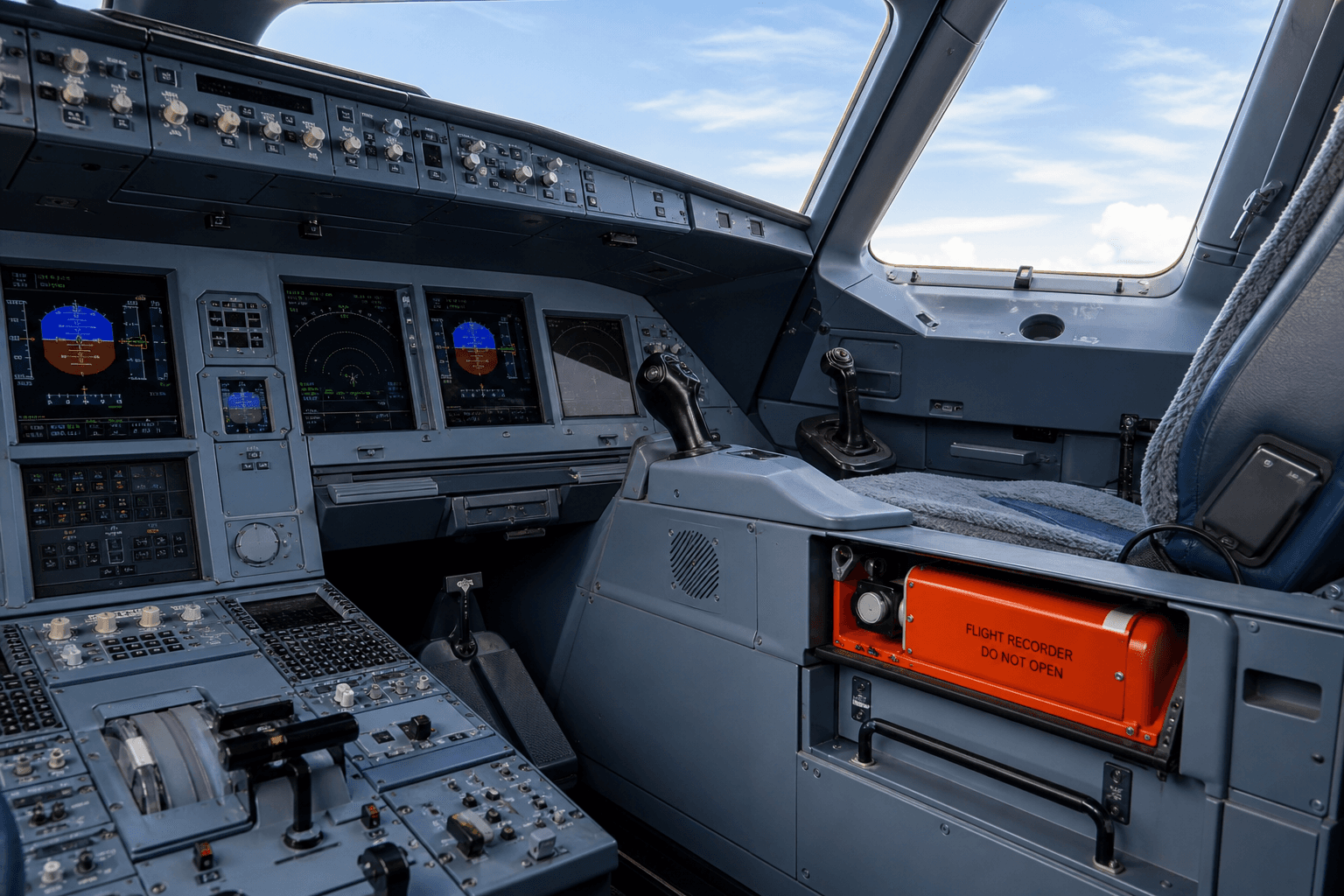
FAA Issues New Guidance to Preserve Cockpit Voice Recorder Data After Incidents
The FAA is developing recommendations to protect information captured by the cockpit voice recorder (CVR) of an aircraft that has been involved in an accident or reportable incident. The agency has issued a Safety Alert for Operators (SAFO) advising airline crews and maintenance teams to shut off power to the CVR to protect critical audio data after a reportable event. CVRs are designed with a finite amount of memory that is overwritten, unless the circuit breaker for the device is pulled. The SAFO advises operators to provide clear shutoff instructions for the CVR through flight, maintenance, and dispatch manuals, and instructs airlines and air taxi companies to assess applicable procedures through their Safety Management Systems (SMS) to ensure the guidance is implemented and effective. READ MORE: NTSB Releases Final Report on Alaska Door Plug Failure READ MORE: 4 Flight Attendants Sue Boeing Over Alaska Door Plug Blowout According to the FAA, the SAFO addresses a National Transportation Safety Board (NTSB) recommendation in 2025 stemming from the January 2024 in-flight loss of a door plug from Alaska Airlines Flight 1282, a Boeing 737-900. The mid-exit door plug (MED) departed the aircraft shortly after takeoff from Portland International Airport (KPDX) in Oregon. The loss of the MED as the jet climbed through 14,830 feet resulted in explosive decompression. The door, along with unsecured objects including cellphones, paper, children's toys, clothing, and parts of the aircraft interior rained down on a Portland suburb. One flight attendant and seven passengers received minor injuries. The captain, first officer, three flight attendants, and 164 passengers were uninjured. Video taken from inside the aircraft during the return to KPDX appeared on social media, showing supplemental oxygen masks hanging from the ceiling, seat frames twisted as if they were made of Play-Doh, and a gaping hole in the fuselage with the city lights of Portland below. The aircraft was able to land safely at the airport, where the passengers and crew departed. Mid-exit door (MED) plug from Alaska Airlines Flight 1282. [Credit: NTSB] During the preliminary NTSB hearing it was learned that the force of the decompression blew open the cockpit door and the flight crew lost their headsets. The loss of cabin pressure necessitated the use of supplemental oxygen, which further made it difficult for the crew to communicate. In addition, the interphone was knocked out, making it impossible to reach the flight attendants in the cabin to determine the extent of the severity of the event. The CVR was not available for review by the NTSB, because, as noted by several people during testimony, by the time the technicians returned to the cockpit, the CVR had overwritten itself as it is designed to record two hours at a time, then recycle. The procedure in the event of an accident or incident is to pull the circuit breaker to preserve the information on the CVR, but it was noted that the flight crew was focused on the welfare of the passengers and getting the aircraft safely back on the ground. As the FAA report indicates, because the CVR had been overwritten, the NTSB was not able to fully evaluate some flight deck environment events associated with the rapid depressurization, such as the difficulties the pilots had establishing communications back to their headsets after removing oxygen masks. Because of the missing CVR, the NTSB could not determine whether factors other than the loud noises in the airplane contributed to the reported communication difficulties that occurred while the pilots were wearing their oxygen masks, such as the captain and a flight attendant reporting inability to communicate with each other over the interphone despite multiple attempts. "Such a determination would support the development of recommendations for safety enhancements, which, depending on the reason for the difficulties, could involve equipment, procedural, or training solutions," the FAA report stated. One of the recommendations to come out of the NTSB investigation was to require CVRs capable of recording 25 hours at a stretch before the overwrite. The FAA recommends that each operator with a CVR installed "confirm that company manuals contain instructions that the CVR circuit breaker be pulled after a reportable event. The instruction that the CVR circuit breaker is pulled could be included in flight operation manuals, maintenance manuals, and dispatch manuals, increasing the likelihood that the task is accomplished. Certificate holders operating under Title 14 Code of Federal Regulations (14 CFR) parts 121 or 135 should use their safety assurance processes within their Safety Management System (SMS) to ensure the recommended risk controls are analyzed and assessed to meet the organization's safety objective." In an email to the FAA, the NTSB noted that following the accident Alaska Airlines implemented several changes related to preserving flight data recorder (FDR) and CVR data after an incident or accident, such as adding circuit breaker information to the Quick Reference Handbook (QRH) used by pilots, and adding a reminder to the flight operations duty officer and dispatch brief checklists to confirm that CVR and FDR circuit breakers are pulled following an event. The airlines also revised the Emergency Coordination Center maintenance and engineering checklist, non-Emergency Coordination Center maintenance control checklist, and Emergency Coordination Center flight operations checklist to prioritize timely pulling of the FDR and CVR circuit breakers following an event. "The FAA recognizes the importance of protecting cockpit voice recorder (CVR) data following a reportable event," said FAA Administrator Bryan Bedford in an email to the NTSB. "There are several 14 CFR sections, §§ 121.135, 125.73, 135.23, and 91.1025, that stipulate manual content requirements. However, none of these sections require operators to ensure the cockpit voice recorders (CVR) circuit breaker has been pulled after a reportable event." Bedford's email continues, noting that after May 28, 2027, "every Part 121 and Part 135 certificate holder is required under 14 CFR Part 5 to have a Safety Assurance module within their Safety Management System which will require them to consider notifications from external sources and, therefore, use their safety assurance module to determine if they have procedures in place to ensure that CVR data retention is located throughout their manual system."
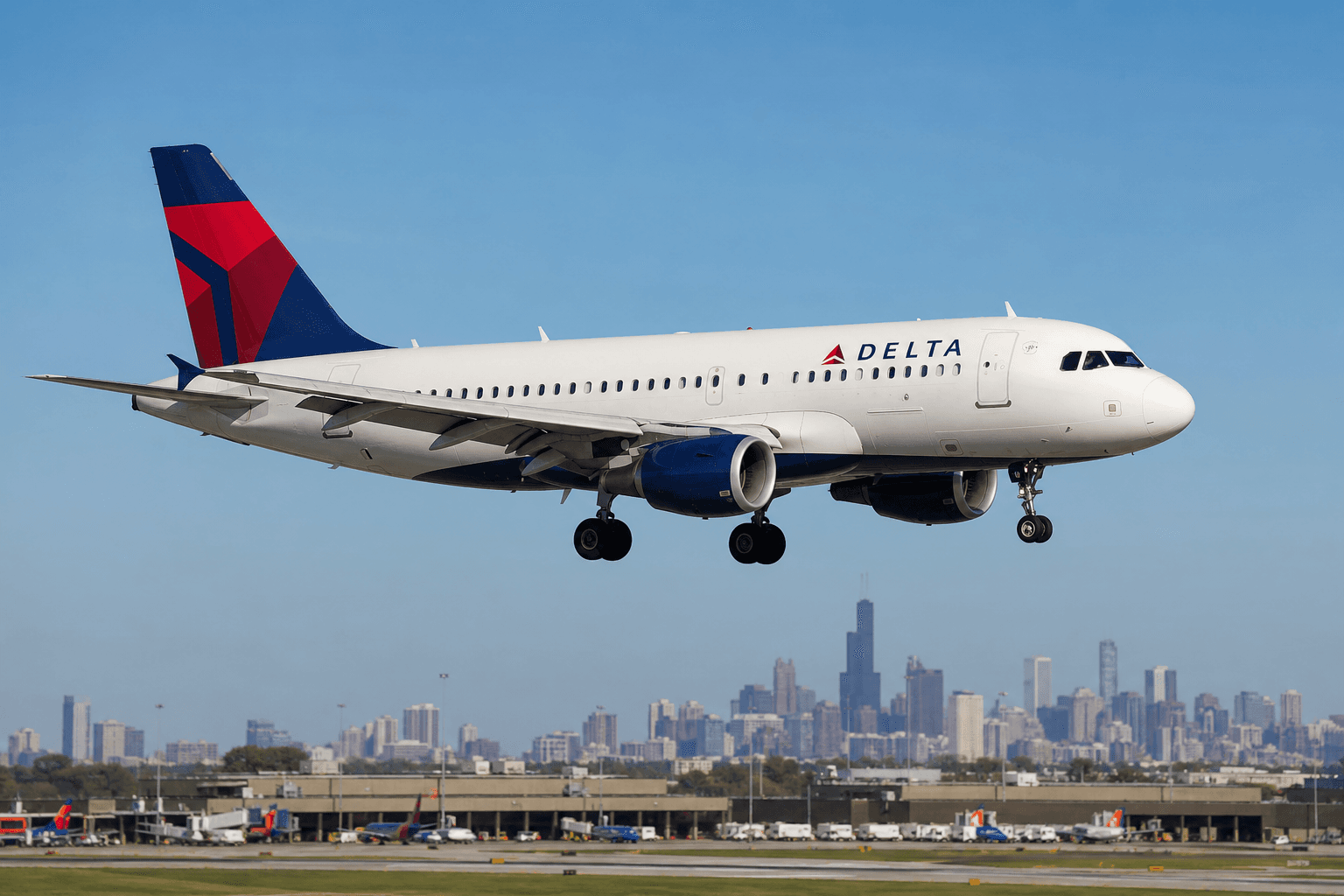
Delta A319 struck by fireworks during final approach at Chicago Midway on July 4
A Delta Air Lines Airbus A319 was hit by a firework while on final approach to Chicago Midway…
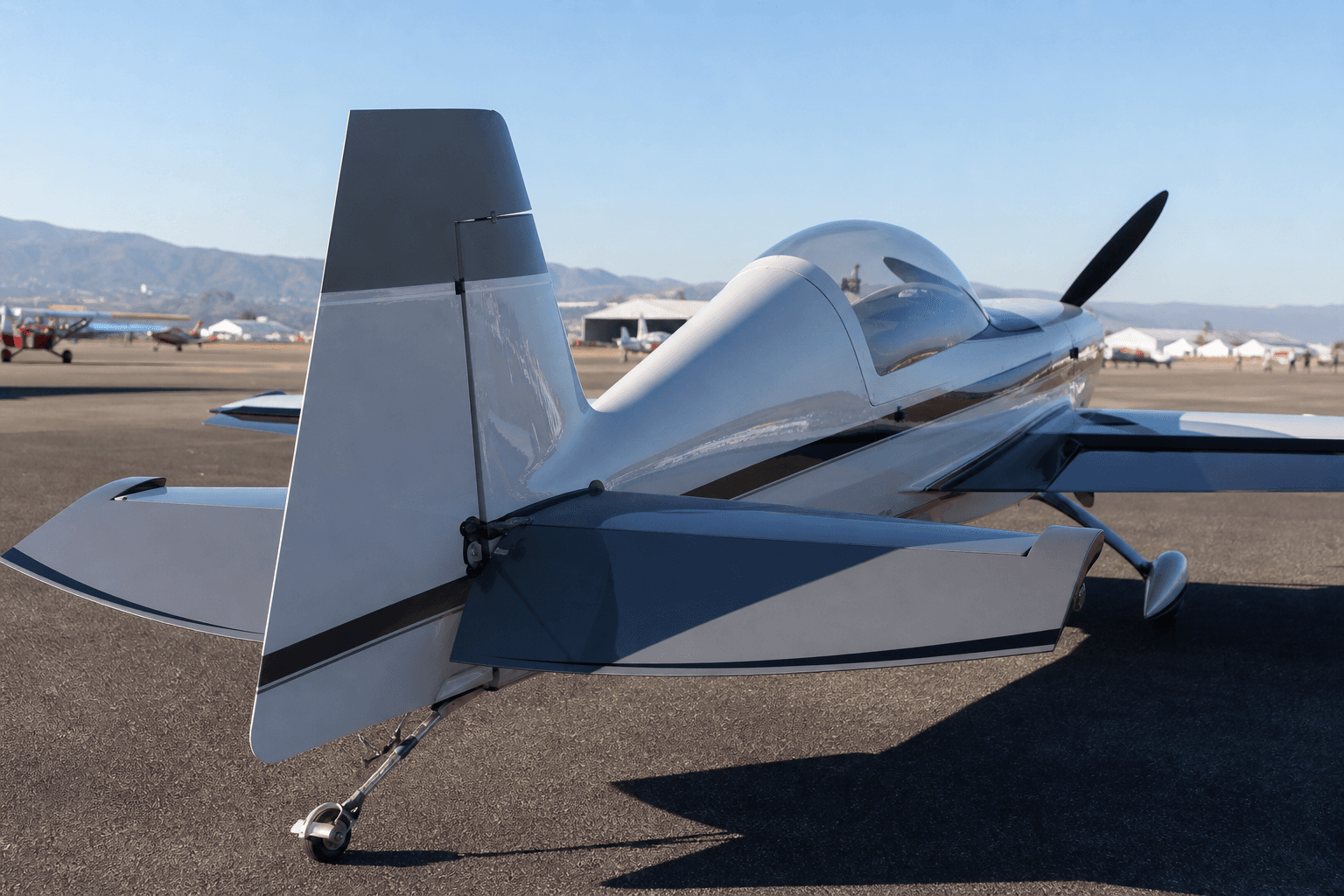
Loose Elevator Plug Jammed Controls in Rob Holland MXS Crash at Langley AFB
The NTSB’s final report determined that a loose elevator counterweight plug jammed the flight controls of aerobatic pilot Rob Holland's MXS before his fatal accident at Langley Air Force Base. The agency published its final report July 2, more than 14 months after the April 24, 2025, accident. An earlier preliminary report identified damage around the customized elevator counterweight system as a possible explanation for the loss of control. The final report confirms that theory and details how contact between the plug and nearby horizontal stabilizer hardware restricted the elevator. Report_ERA25FA185_200061_7_10_2026 9_52_59 AM Download Final Report Details Failure Holland was arriving from Smyrna, Tennessee, to perform at the Air Power Over Hampton Roads airshow. Witnesses and recovered flight-instrument data showed that the airplane made a stable approach to Runway 08 and leveled about 50 feet above the runway. It traveled several hundred feet before pitching up and down twice. The airplane then climbed several hundred feet, rolled 90 degrees left and descended into the ground. Investigators found the left elevator counterweight plug in the grass about 10 feet behind the wreckage. Gouging and paint transfer were present around part of its circumference, and the horizontal stabilizer had corresponding dents and paint scrapes. Laboratory examination showed that impressions on the plug matched a nearby washer and screw, indicating repeated contact between the components. The adjustable elevator balance tube was a custom feature Holland had asked the manufacturer to add during construction. MX Aircraft described the plugs as a short-term solution, according to the report. The manufacturer did not provide continued-airworthiness instructions or specify installation torque values. Its design drawing also called for an O-ring to serve as a secondary locking device. Investigators found no O-ring on either elevator plug, and the installed plugs did not match the dimensions in the drawing. The NTSB said in its probable-cause determination that it was “a counterweight plug that loosened during the accident flight, jammed the elevator, and resulted in loss of control during landing." Safety Action And Holland's Career Following the accident, MX Aircraft issued a mandatory safety notice for MXS and MX2 airplanes fitted with adjustable balance tubes. The notice instructed owners to replace the adjustable counterweight arrangement by filling the tubes with a lead-and-resin mixture. Rob Holland, 50, had reported 15,387 hours of flight experience and held an airline transport pilot certificate. He was known internationally for his airshow performances and aerobatic competition record. AOPA reported that Holland won six World 4-Minute Freestyle championships and 13 consecutive U.S. National Aerobatic Championships. "Rob was one of the most respected and inspiring aerobatic pilots in aviation history," Rob Holland Aerosports said in a Facebook statement after the accident.
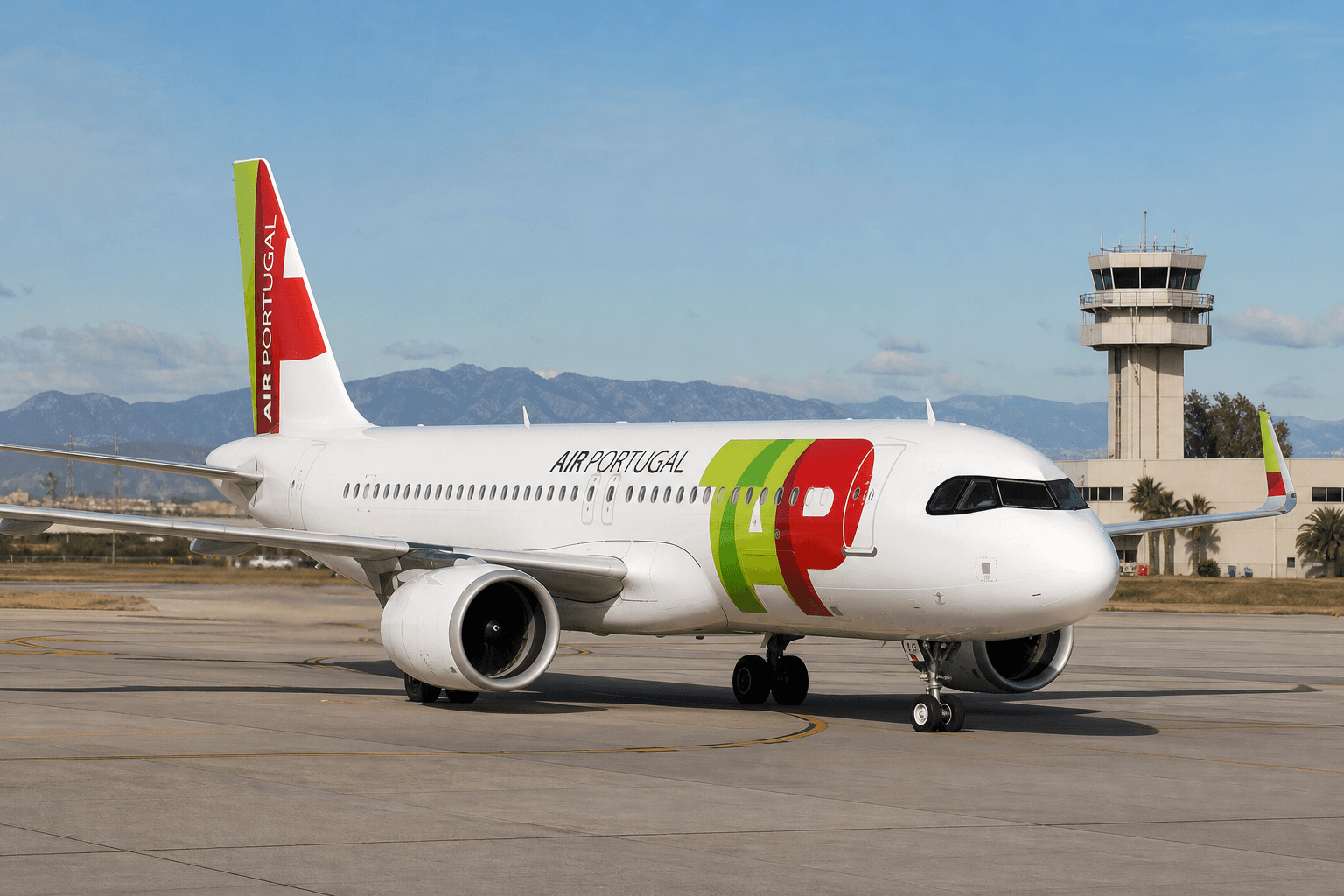
TAP Air Portugal to Restart Venezuela Flights via Valencia amid Caracas Airport Repairs
Portuguese carrier will initially fly to Valencia as work continues to resume services to capital. TAP Air Portugal will resume flights to Venezuela on 13 July, three weeks after two strong earthquakes struck the country, killing thousands and destroying infrastructure. The Portuguese carrier says it will initially operate to Arturo Michelena International airport in Valencia instead of Caracas's Simon Bolivar airport, which sustained damage during the earthquakes. "At this stage, flights will operate to Arturo Michelena International airport in Valencia, allowing for the gradual re-establishment of air links between Portugal and Venezuela while the necessary work is under way to resume regular operations," says TAP. The Lisbon-based carrier will operate the route as a one-stop service with a technical stop in Pointe-a-Pitre in Guadeloupe. It says no aircraft or crew will remain in Venezuela. The first flight on 13 July will transport 8.7t of medical supplies to assist with humanitarian aid missions. "The company continues to monitor the evolving situation and is committed to resuming its regular operations to Venezuela as quickly as possible and under conditions of complete safety," adds TAP. Venezuela's interim president Delcy Rodriguez said in a 7 July Telegram post that after assessing the damage to one of the runways at the Caracas airport, she had initiated a plan aimed at temporarily allowing commercial flights to use a parallel runway.
The Daily Touch & Go
The day's best aviation news in your inbox. Free, no spam.