
Cirrus unveils TRAC10, new three-seat trainer with Rotax engine for flight schools
Cirrus announced the TRAC10, a three-seat trainer featuring a turbocharged Rotax engine, advanced avionics, and safety innovations, targeting professional flight school markets with deliveries starting in 2027.
The gist
Cirrus launches TRAC10, a three-seat flight trainer with a Rotax engine and safety features starting at $499,900, with 100 orders from global flight schools.
Cirrus Aircraft revealed its latest innovation for flight training with the announcement of the TRAC10 on July 6. This newly designed aircraft aims to reshape how flight schools train aspiring professional pilots by offering a modern, efficient, and safe platform. The TRAC10 is a three-seat trainer powered by a turbocharged Rotax 912 iSc engine that delivers 160 horsepower, a notable shift from traditional piston trainers. According to Cirrus president of innovation and operations Pat Waddick, the TRAC10 represents a complete reimagining of the training aircraft, responding directly to the evolving needs of flight schools worldwide.
At the heart of the TRAC10's performance is its turbocharged Rotax 912 iSc engine, equipped with full authority digital engine control (FADEC). This powerplant burns just 5.9 gallons per hour at 65 percent power, making it an economical option for high-frequency training operations. The engine is also versatile in fuel compatibility, able to run on unleaded 91/94 octane fuel, some mogas blends, and avgas, providing flight schools with flexibility and cost savings. The aircraft’s efficiency stems from this engine choice geared towards sustainable and affordable operations without compromising power.
Cirrus incorporated a range of advanced avionics and safety systems into the TRAC10 to enhance the trainer’s operational reliability. It comes outfitted with Garmin avionics that include safety features such as Electronic Stability and Protection, as well as a one-button leveling system to ease pilot workload. In line with Cirrus's reputation for prioritizing safety, the TRAC10 is fitted with the Cirrus Airframe Parachute System (CAPS), providing a modern safeguard that is rare among training aircraft. These features combine to make the aircraft both technologically advanced and suitable for student pilots transitioning toward commercial aviation.
The TRAC10’s design emphasizes the needs of professional pilot training with several purpose-built features. A distinctive third seat is included to optimize learning, allowing instructors or observers to engage effectively in the training environment. Additionally, the aircraft is equipped with stick-shakers to simulate the stall behavior typical of large turbine-powered airplanes, an important system for preparing students for more advanced aircraft. Cirrus fitted a cuffed wing to increase spin resistance, improving safety margins during critical training maneuvers.
Attention to ergonomics and durability is evident in the TRAC10’s adjustable seats and rudder pedals, which accommodate a wide range of pilot physiques to ensure comfortable and effective cockpit operation. These components are engineered to withstand the rigors of frequent use characteristic of flight training environments. Optional features such as air conditioning enhance comfort, which can be a critical factor during long training sessions or in warmer climates, showing Cirrus’ commitment to both performance and trainee well-being.
Cirrus CEO Zean Nielsen emphasized the company’s commitment to satisfying the professional flight training market with the TRAC10. Drawing from over three decades of aircraft design and support experience, Cirrus aims to address operational efficiency, connectivity, and safety in one package. This focus serves all stakeholders in pilot training programs, including schools, instructors, and students, reinforcing Cirrus’s vision to equip the next generation of pilots with a comprehensive training platform.
Production of the TRAC10 will take place at Cirrus’s headquarters in Duluth, Minnesota, integrating both manufacturing expertise and quality control processes pioneered by the company over the years. Deliveries are expected to begin in 2027 within the United States, expanding internationally in 2028. The launch has already attracted significant market interest, with 100 firm orders recorded from 13 flight schools globally, highlighting the aircraft’s appeal and the growing demand for modernized training solutions.
The TRAC10 enters the trainer market at a time when flight schools are seeking safer, more cost-effective, and technologically advanced aircraft to meet the demand for professional pilots. Its combination of a turbocharged Rotax engine, modern avionics, safety systems, and training-specific features positions it as a strong competitor to existing trainers. Cirrus’s proprietary innovations, including the CAPS safety system and observational third seat, differentiate the TRAC10 and may set new standards in commercial pilot training.
With the TRAC10, Cirrus responds directly to evolving pilot training needs amid a global pilot shortage. The new trainer reflects a blend of efficiency, safety, and practical design tailored to professional flight schools, signaling a strategic shift in how training fleets will modernize over the coming years. Its introduction is poised to impact professional pilot pipeline development significantly and promote broader adoption of advanced training technology.
Read more
All Flight Training →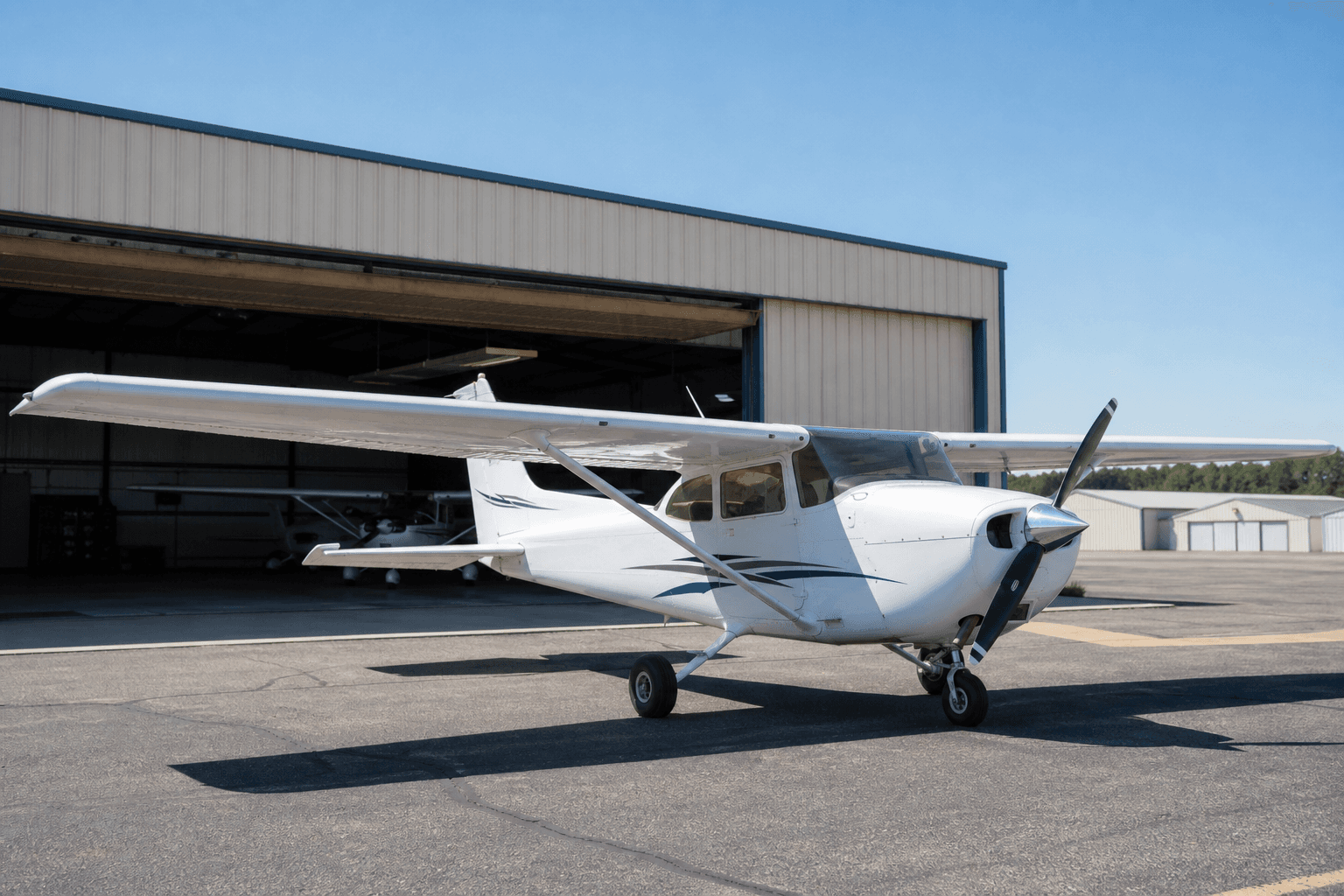
Pilots urged to review aircraft renters insurance to avoid costly liability gaps
Many pilots who rent or borrow aircraft assume that the FBO, flight school, or aircraft owner's insurance will protect them if something goes wrong. Unfortunately, that is not always the case.
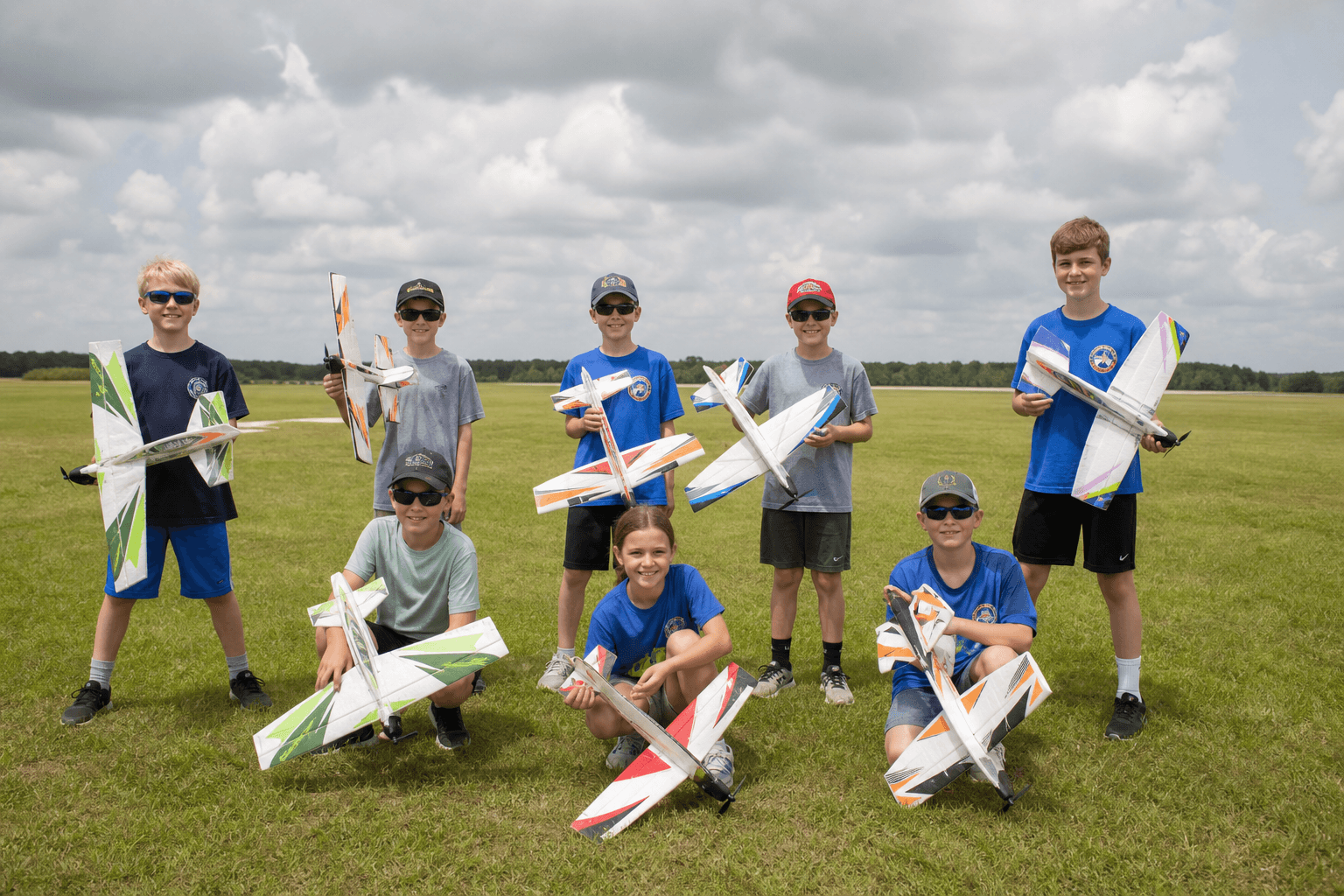
EAA and AMA Teams Complete Successful Young Eagles Build and Fly Camp with Full Flight Success
By Bernie Wunder, EAA 128167/AMA 984592 EAA developed a program called Young Eagles Build and Fly (YE B&F) to keep youths involved in aviation after a Young Eagles flight. The idea was that the EAA chapter would team up with the local Academy of Model Aeronautics (AMA) club to build and then actually fly a […]
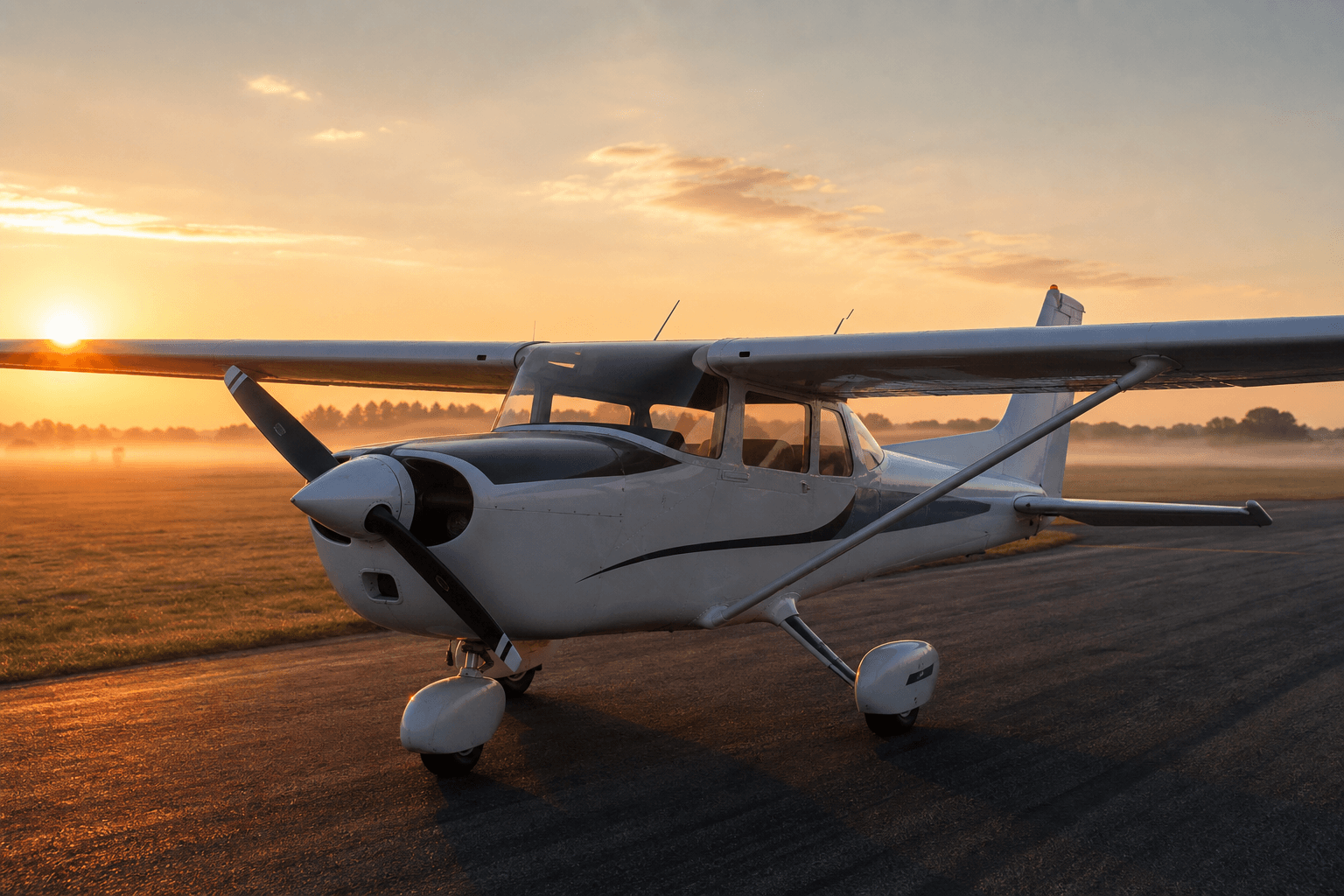
From Build Nights to Solo Flight: Cadet Carter Froehlich's Aviation Journey
By Josh Manring, EAA 1387901 For Cadet 2nd Lt. Carter Froehlich, Civil Air Patrol, aviation started with a trip to EAA AirVenture Oshkosh. In 2015, Carter attended AirVenture with his father at just 5 years old. They camped for the entire week, surrounded by airplanes, air shows, and aviation enthusiasts from around the world. "It […]
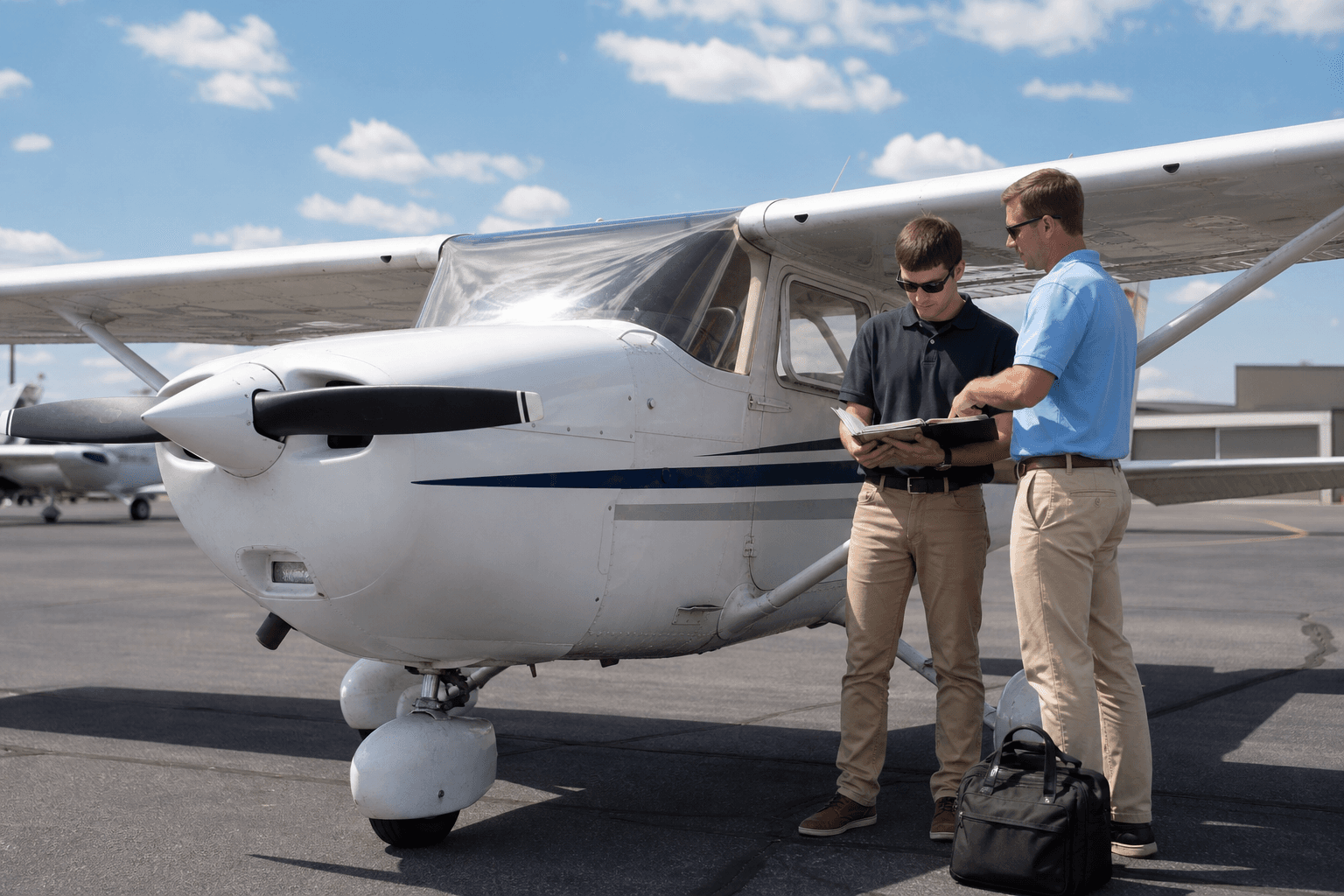
Pilots urged to secure renters insurance amid limited owner policy coverage
Many pilots who rent or borrow aircraft assume that the FBO, flight school, or aircraft owner's insurance will protect them if something goes wrong. Unfortunately, that is not always the case.
The Daily Touch & Go
The day's best aviation news in your inbox. Free, no spam.