


Illustration: The Touch & Go
Majority of Boeing 777 Pilots Land Despite Unstable Approaches, Data Shows
Though protocol dictates go-arounds for unstable approaches, 95-97% of Boeing 777 landings proceed even when stability criteria are unmet.
The gist
Nearly all Boeing 777 unstable approaches end in landings, revealing a major safety challenge in pilot decision-making.
Continuing coverage
All Boeing 777 →- China Southern Air Logistics to Add Three Boeing 777-300ER Converted Freighters
- Saudia Group denies supplying Boeing 777-200ERs transferred to Iran
- Saudia Airlines denies reports of selling five B777 jets to Iran's Mahan Air
- Delta A350 and US Boeing 777 Pilot Pay Align Closely in 2026
- Boeing 777-200LRF Performs Perilously Close Low Pass, Sparking Safety Concerns
The Boeing 777, a staple in long-haul aviation, presents a critical case study for approach and landing safety. Pilots are expected to adhere to strict stability parameters by a specified altitude in the landing sequence, commonly 500 feet above airport elevation. These parameters, established by organizations such as the Flight Safety Foundation (FSF), define what constitutes a 'stable approach,' including precise speed, configuration, and descent rate thresholds. When these are not met, standard operating procedures call for an immediate go-around rather than continuing to land. However, recent findings reveal that despite these procedures, the vast majority of pilots continue with the landing under unstable conditions.
The FSF first articulated stability parameters in its 1998 Approach and Landing Accident Reduction (ALAR) toolkit, emphasizing the importance of executing a go-around if a stable approach is not established by the threshold altitude. Using visual meteorological conditions (VMC) as a guideline, they recommend the aircraft be on the correct path, at the appropriate speed (VREF plus or minus specific allowances), configured correctly for landing, with a controlled sink rate not exceeding 1,000 feet per minute, and power set suitably. These specifications aim to prevent the common landing hazards that arise from instability during the approach phase.
Despite these safeguards, FSF data from a 2017 report showed a startling trend: between 95% to 97% of unstable approaches by flight crews ended with the aircraft touching down rather than initiating the recommended go-around. The FSF characterized this non-compliance as a significant threat to flight safety. Efforts by airlines often focus more on reducing the incidence of unstable approaches in the first place rather than on ensuring consistent execution of go-arounds when instability is detected.
When examining why pilots frequently opt to land despite instability, the constraints of operational timing are critical. On the Boeing 777, after passing the 500-foot stability check height, pilots have roughly 35 to 42 seconds before touchdown when flying at typical approach speeds around 132 knots. This very narrow window demands rapid assessment and action if conditions are unstable. The brevity of this decision timeframe may contribute substantially to the tendency to complete a landing rather than initiate a go-around sequence, especially under complex or high-workload scenarios inherent to the final approach phase.
Human factors also weigh heavily into pilot decision-making. Non-compliance with go-around policies has become normalized in the industry, with pilots and management reportedly perceiving the policies as unrealistic or impractical. Fears about crew disagreements, passenger dissatisfaction, and employer scrutiny further complicate the mindset in the cockpit. Pilots may view proceed-with-landing decisions as justified since successful landings following unstable approaches tend to reinforce these judgments.
The psychological phenomena of 'get-there-itis' and experiential reinforcement lend insight to why crews persist with unstable approaches. Pilots may believe they can correct the approach, a trust often substantiated by their previous successful landings under similar conditions. This confidence, although sometimes misplaced, reduces the perceived necessity of aborting the landing. Furthermore, the complexities and perceived risks involved with executing a go-around – including increased workload and potential for passenger inconvenience – may subtly disincentivize pilots from initiating the procedure.
Ultimately, the widespread continuation of unstable approaches leading to landing reveals a gap between operational policy and actual cockpit practice. The aviation industry faces a pressing challenge to address not only the technical and procedural elements of approach stability but also the human and cultural factors influencing pilot compliance. Enhanced training emphasizing decision-making under pressure, better support from airline policies, and ongoing research into pilot behavior will be critical steps to align pilot actions with safety protocols more consistently.
The Boeing 777 scenario is emblematic of a broader issue affecting many aircraft types and operators worldwide. The FSF's findings urge an industry-wide introspection and recalibration of both procedures and attitudes toward go-arounds. Since unstable approaches contributed to a significant portion of accidents in past decades, tightening compliance to go-around policies remains a key safety objective. Increasing awareness and adherence could reduce approach-and-landing accidents and improve overall flight safety.
Moving forward, operators and safety organizations must balance reducing unstable approaches with fostering a culture that supports and normalizes go-around decisions. Boeing 777 pilots and their industry counterparts could benefit from clearer guidance and support mechanisms that empower them to execute safer landings without hesitation when conditions deteriorate. Bridging this gap is integral to advancing aviation safety into the future.
Frequently asked questions
- What criteria define a stable approach for Boeing 777 pilots?
- Stable approach criteria include correct flight path, speed within VREF limits, appropriate landing configuration, sink rate no greater than 1,000 feet per minute, suitable power setting, and completed briefings by 500 feet above runway elevation.
- How often do Boeing 777 pilots continue to land despite unstable approaches?
- Between 95% and 97% of Boeing 777 pilots proceed with landing even when their approach is classified as unstable by set safety criteria.
- Why do pilots frequently choose to land even when the approach is unstable?
- Factors include limited decision-making time during final approach, human psychological influences like confidence in correcting the approach, concerns about crew or passenger reaction, perceived complexity of go-arounds, and normalization of these practices in the industry.
Read more
All Airlines →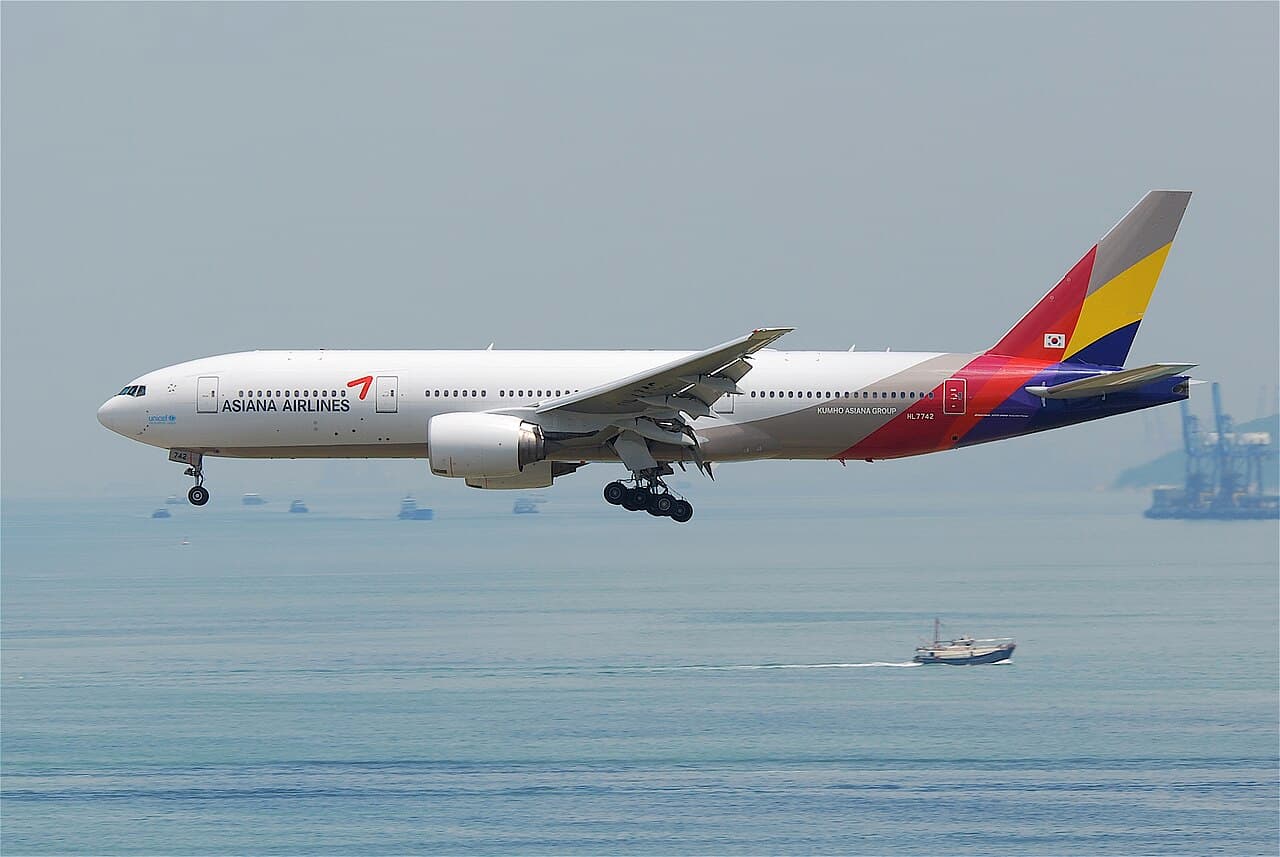
Saudia Airlines denies reports of selling five B777 jets to Iran's Mahan Air
On July 3, 2026, Saudia Airlines, the national carrier of Saudi Arabia, posted a statement online denying any…
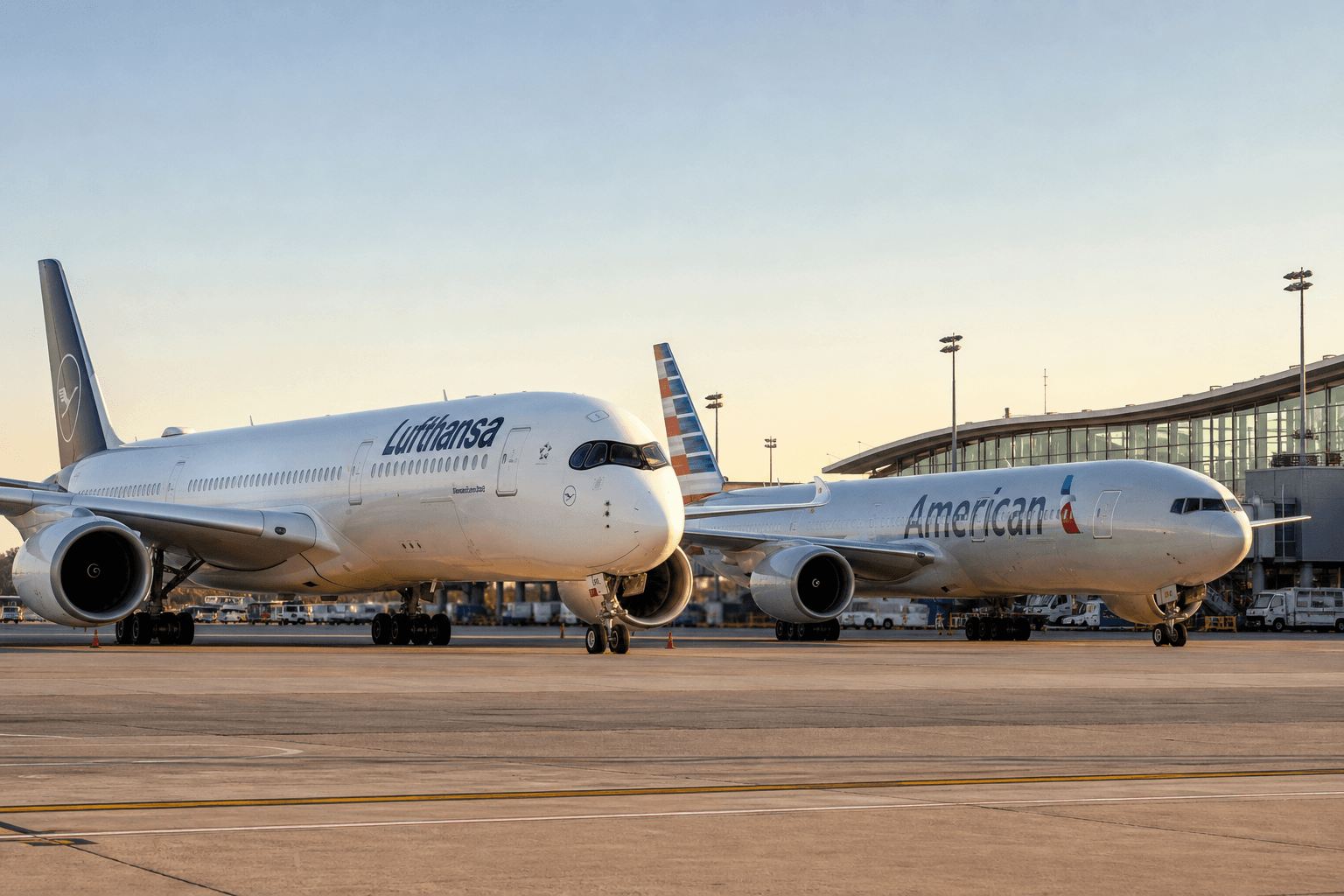
Delta A350 and US Boeing 777 Pilot Pay Align Closely in 2026
Why do airlines pay A350 and Boeing 777 Captains the same, even though no US carrier operates both of the aircraft types?
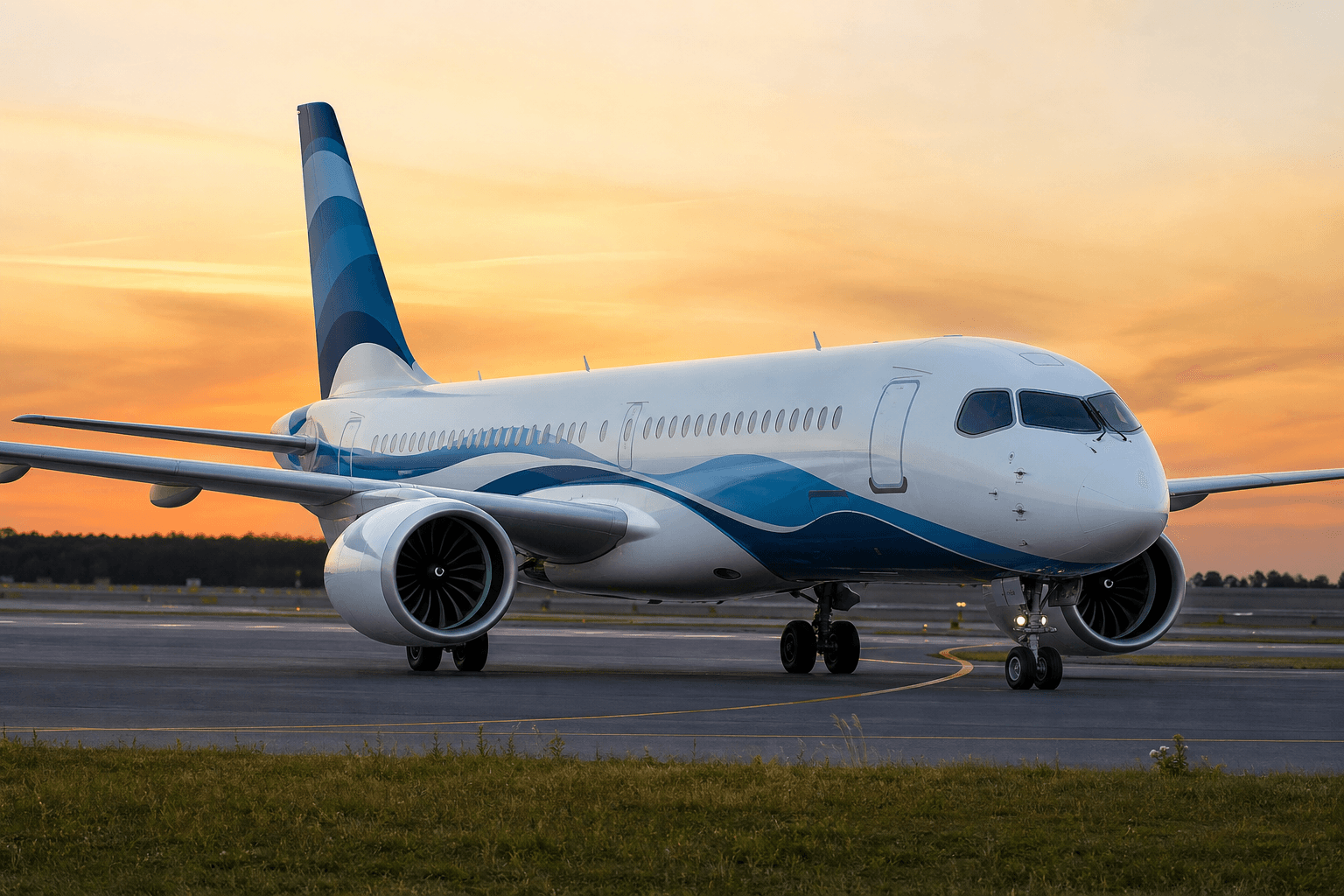
Airbus Enhances A220 Cabin Comfort for Transatlantic Flights with New 3M Insulation Deal
When Airbus and 3M announced a new long-term agreement covering advanced thermal and acoustic insulation for the Airbus A220 on June 23, 2026, the news appeared to be a routine supplier contract. In reality, it reflected a broader strategy that has been developing for years. As the A220 takes on increasingly longer missions, Airbus is investing in technologies that improve the passenger experience in ways that extend well beyond new seats or cabin layouts. The goal is to reinforce one of the aircraft's defining strengths: an exceptionally quiet and comfortable cabin.

Vertical Aviation International CEO François Lassale previews new Vertical Lift Center at Oshkosh 2026
This time on The Green Dot, EAA CEO and Chairman Jack J. Pelton has a one-on-one conversation with Vertical Aviation International President and CEO François Lassale to discuss his background and aviation experience, the mission of VAI as an organization, and the introduction of the new Vertical Lift Center this summer at EAA AirVenture Oshkosh […]
The Daily Touch & Go
The day's best aviation news in your inbox. Free, no spam.