

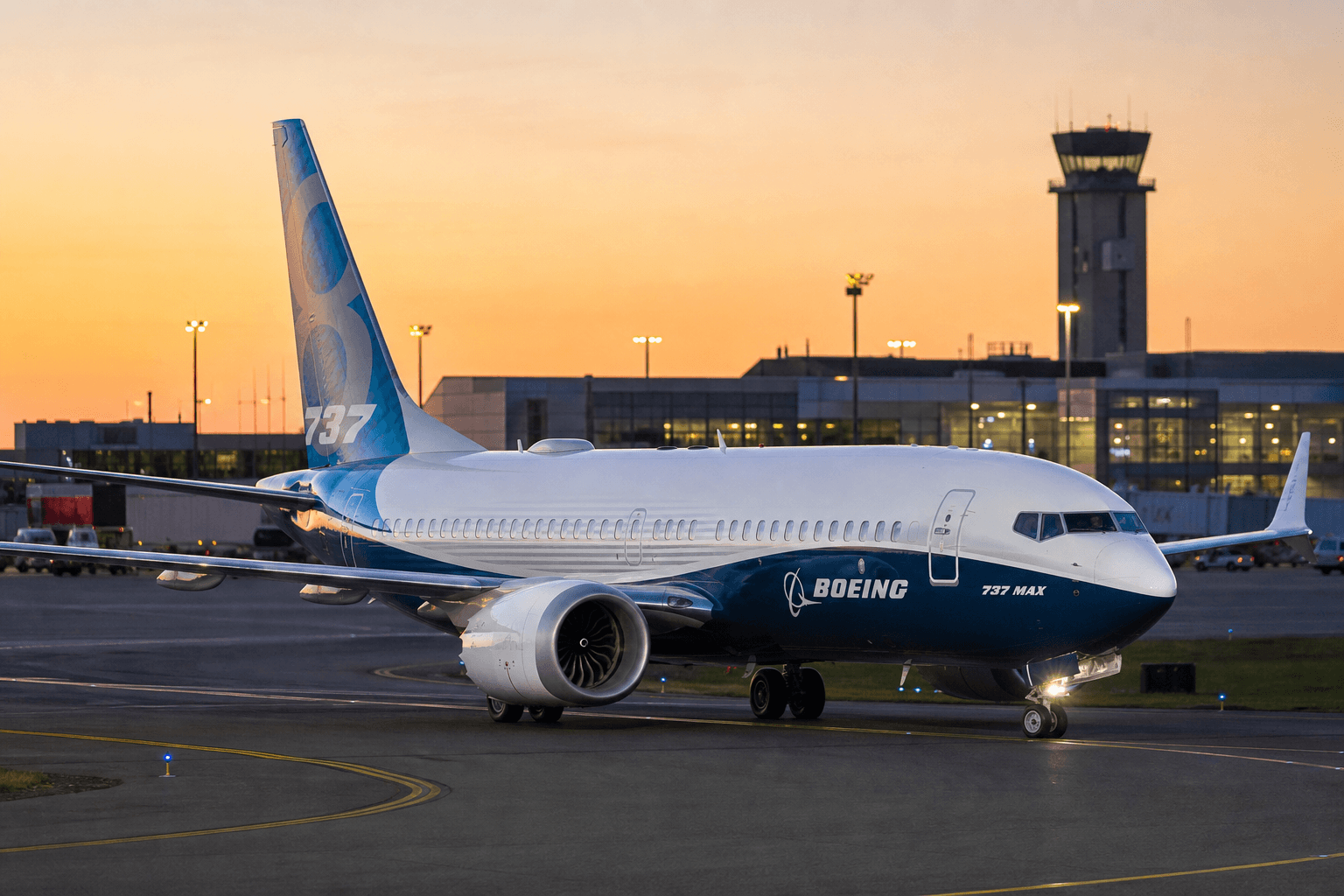
Illustration: The Touch & Go
Boeing's 737 MAX 7 Nears FAA Approval More Than a Decade After Launch
Boeing's smallest 737 MAX variant, the MAX 7, is weeks away from FAA certification nearly 13 years after its launch with Southwest Airlines as the launch customer.
The gist
Boeing is poised to certify the long-awaited 737 MAX 7 in July 2026, completing a protracted development delayed since its 2013 launch.
Continuing coverage
All Boeing →- Boeing advances new St Louis factory for sixth-generation combat jet production
- USAF's New T-7A Red Hawk Trainer Set to Revolutionize Pilot Training by 2027
- FAA imposes Canadian operation restrictions on 1,000 US aircraft over 5G altimeter risks
- FAA expands 737 Max directive after new overheating cabin incidents
- FAA Lets Boeing Self-Certify 737 MAX Deliveries on Alternating Weeks Under Limited ODA
Boeing is on the brink of receiving Federal Aviation Administration (FAA) certification for its 737 MAX 7, the smallest model in its MAX family of single-aisle jets. This milestone arrives nearly 13 years after the program's launch and seven years later than the initially scheduled 2019 delivery to launch customer Southwest Airlines. The Dallas-based carrier was the first to commit to the MAX 7 variant at its unveiling in May 2013, marking Boeing’s effort to offer a jet accommodating up to 172 passengers with improved fuel efficiency and range compared to its predecessors.
The certification is expected imminently, potentially before the end of July 2026, based on informed industry sources. The FAA’s pending approval will finally enable Boeing to fulfill the promise made over a decade ago for the MAX 7’s entry into service. The model, powered exclusively by CFM International LEAP-1B engines, aims to compete in a market segment defined by a balance between capacity and fuel economy, catering primarily to airlines seeking midsize narrowbody aircraft.
With a maximum single-class seating capacity of about 172 passengers and an approximate top range of 3,800 nautical miles, the 737 MAX 7 is positioned against Airbus’s A220-300 and A320neo models. The A220-300 accommodates up to 160 single-class seats, and the A320neo can carry up to 194, placing the MAX 7 squarely in the middle in terms of capacity. Additionally, Airbus is reportedly developing an A220-500 variant, potentially to seat around 180 passengers, which would intensify competition in this segment and challenge Boeing’s market share in the near future.
The extended timeline from launch to near-certification is noteworthy, reflecting the complex process of aircraft development compounded by Boeing’s broader operational challenges over the past decade. The MAX 7’s protracted path contrasts with more streamlined certifications observed for other models and underscores regulatory scrutiny and development hurdles that have shaped Boeing’s narrowbody program in recent years.
In parallel with the MAX 7’s progress, Boeing’s largest MAX family member, the 737-10, is also advancing through final FAA certification stages. Deputy Administrator Chris Rocheleau characterized the approval process as essentially concluding with final checks, suggesting a swift clearance is imminent. Together, these certifications could enhance Boeing’s competitiveness in the single-aisle market dominated by Airbus’s A320 family and A220 offering.
Southwest Airlines’ early involvement as launch customer reaffirms its significant role in shaping Boeing’s narrowbody strategy. The operator’s extensive domestic network and fleet composition emphasize the MAX 7’s strategic fit as a right-sized solution for medium-capacity routes requiring efficient jet performance. Completion of certification will enable Southwest and other carriers to incorporate the MAX 7 into their plans and fleet renewal efforts.
The broader aircraft market is evolving with manufacturers striving to optimize seating, range, and operating economics amid shifting airline demands and environmental considerations. Boeing’s commitment to finalizing the MAX 7 certification helps solidify the aircraft’s position as a modern, efficient choice for airlines balancing route flexibility with passenger capacity.
As FAA approval looms, Boeing aims to capitalize on a long-awaited opportunity to capitalize on the segment’s demand, which includes a growing set of airlines seeking to modernize their fleets with versatile aircraft. The approaching certification removes a key obstacle, opening doors for deliveries and operational deployment that have been years in the making.
Frequently asked questions
- When is the Boeing 737 MAX 7 expected to receive FAA certification?
- The Boeing 737 MAX 7 is expected to receive FAA certification before the end of July 2026.
- Who was the launch customer for the Boeing 737 MAX 7 and when was it launched?
- Southwest Airlines was the launch customer of the 737 MAX 7, which was officially launched in May 2013.
- What are the key specifications and competitors of the Boeing 737 MAX 7?
- The 737 MAX 7 seats up to 172 passengers with a range of about 3,800 nautical miles; its main competitors include the Airbus A220-300 and A320neo models.
Read more
All Regulatory →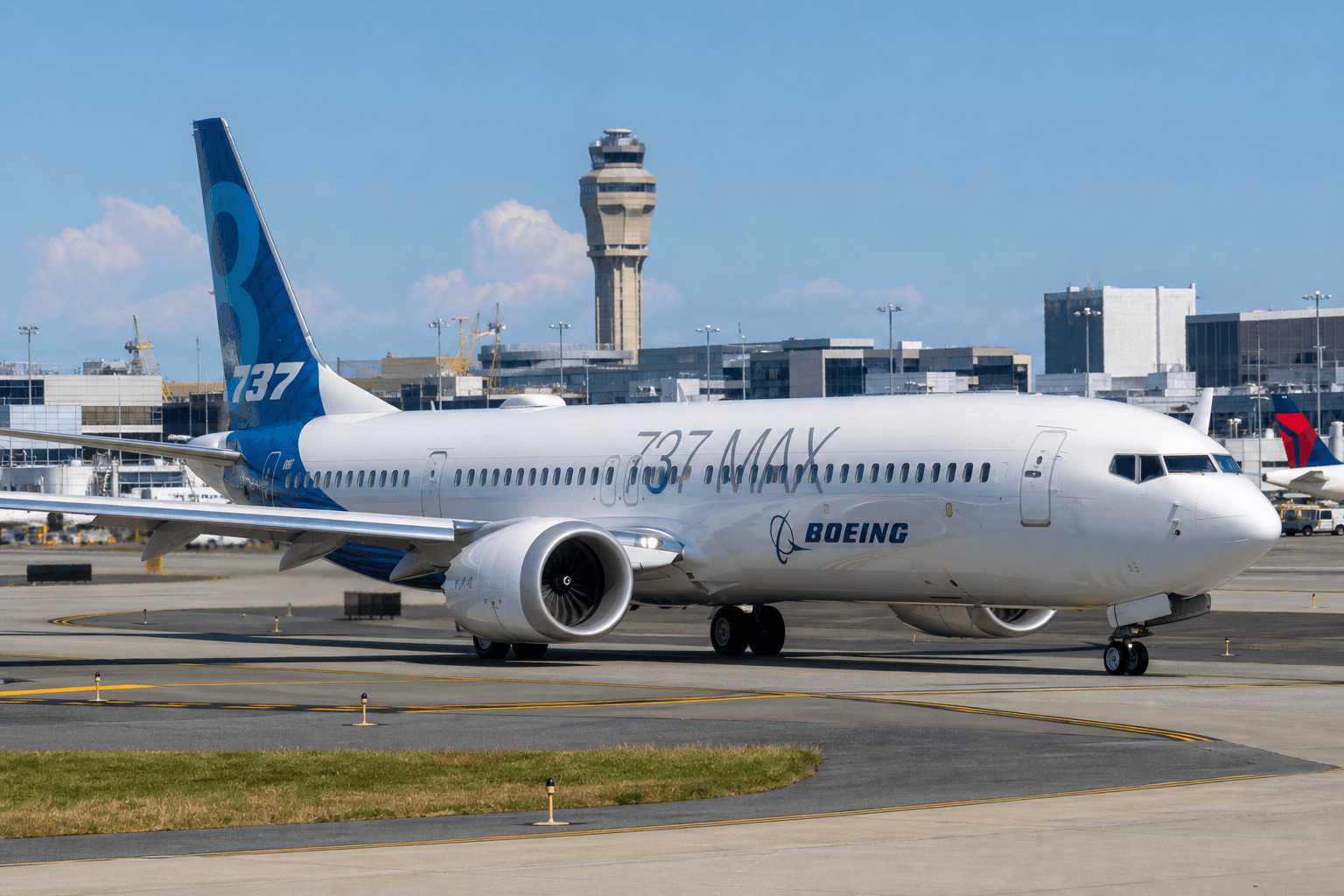
FAA Lets Boeing Self-Certify 737 MAX Deliveries on Alternating Weeks Under Limited ODA
This is the story of the 737 MAX and the ODA, a relationship once broken and now mended. Boeing's push to return to its best is making big strides.
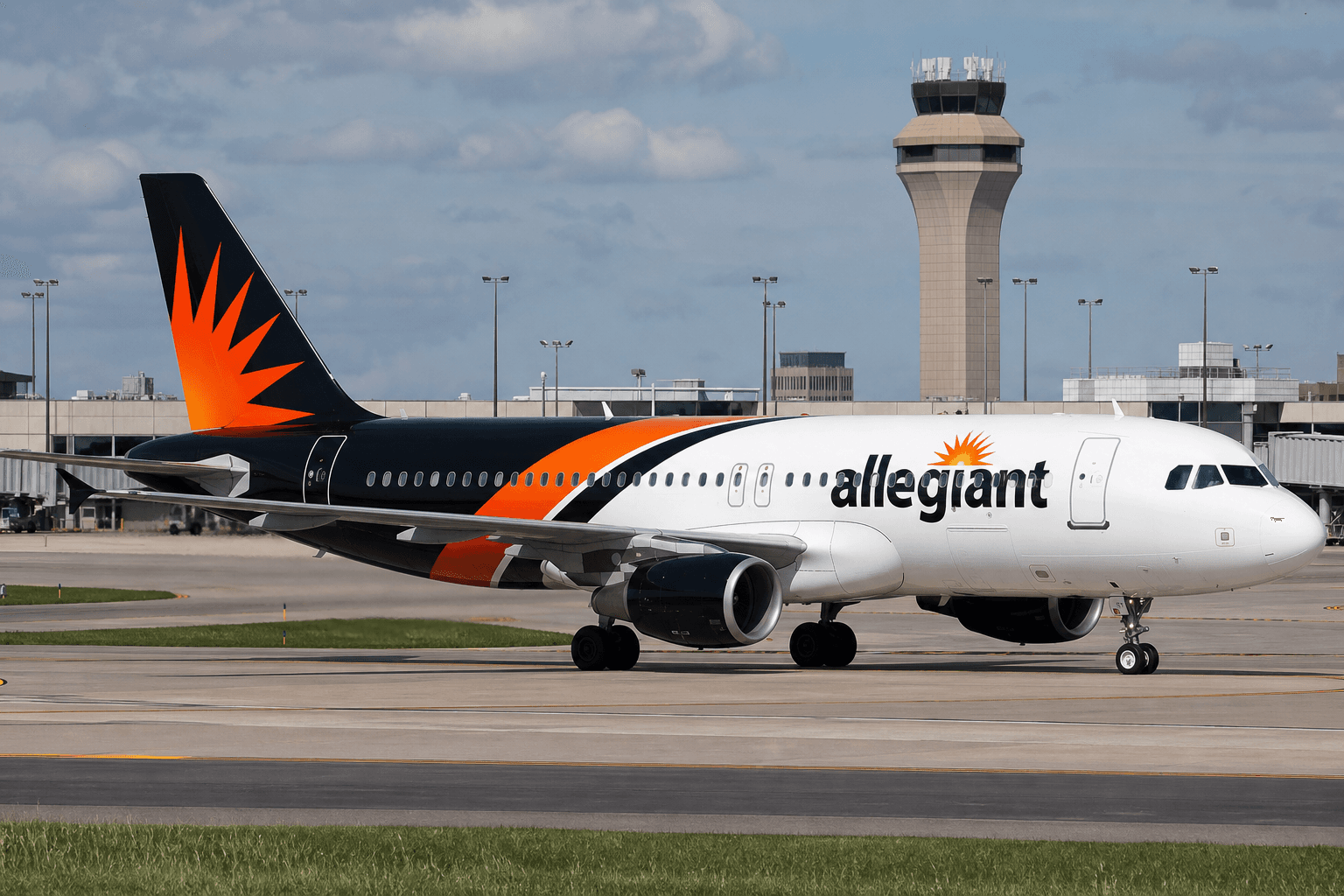
Sun Country Airlines to Merge Fully into Allegiant Following FAA Certification
This article was updated on Thursday, July 9, 2026, to include further details on Allegiant Air and Sun Country's fleets. It was originally published on Wednesday, July 8, 2026.
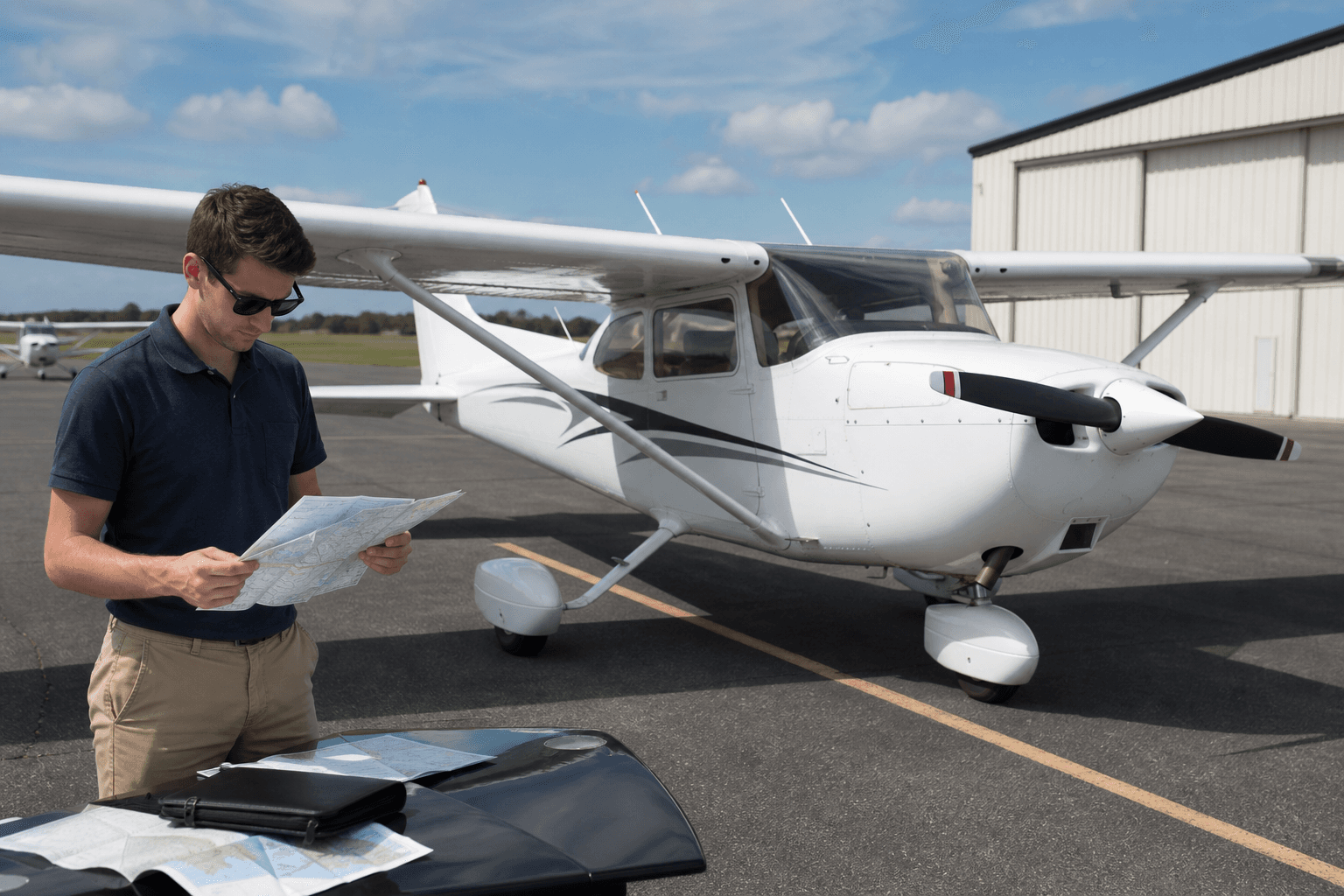
Rising Costs and Predatory Loans Challenge Aspiring Pro Pilots Financing Training
When I was in my early teens, I once asked an older pilot if he had any advice for someone just starting flight training, and he half-jokingly replied, "Ah, yes, have rich parents!" I didn't quite recognize the sage wisdom of this advice and failed to follow it, having had the temerity to get myself born into a large family of rather modest means. So I scrapped and schemed and worked a number of odd jobs through my teen years to pay for primary training and then went off to college and amassed an eye-watering level of student loan debt while completing my advanced ratings, all to graduate just after the 9/11 attacks. In retrospect I was fortunate. My seemingly poor timing put me in a very good position when the pilot shortage finally gathered steam, and as expensive as flight training seemed then, it has become even more so. It was also an era of easy borrowing and low interest rates. If you, like me, lacked the foresight to be born into wealth and are now trying to finance your dream of becoming a professional pilot, you face greater obstacles than I ever did. Post-COVID inflation has made most things more expensive, and everything in aviation from used aircraft to engine overhauls to insurance has outpaced it. Meanwhile, interest rates have skyrocketed, with prime lending rates above 8 percent for a full year now and most unsecured loans at least 3 percent above that. Few reputable banks are offering noncollege flight training loans these days, and this void has been filled by lenders who can be described as little better than loan sharks. Predatory interest rates of 17 percent or more are common. Sadly, many of the flight schools appear to be willing accomplices, prominently advertising "easy" financing "as low as 4.5 percent" or some similarly unrealistic rate. Many of their partner lenders will not reveal actual rates or terms until the student has already been accepted to the training program, with a proposed start date. Every week there are posts on aviation forums by students who have just learned, shortly before starting training, that their proposed $130,000, 15-year loan will end up costing $250,000 or more, with monthly payments above $2,000. Unfortunately, many see little alternative but to sign on the dotted line, justifying the terms with optimistic career earnings projections and the perceived rush to get their ratings "before the pilot shortage is over." It's an effective trap for lower-income kids with a dream but not much financial literacy. Honestly, had I been put in that position at 18 years old, I probably would have signed on the dotted line myself. I was financially illiterate at that age too. I've learned a lot about money since then, though, and about the aviation industry. Let me offer some really sound advice: Be very wary of any flight school that requires significant money up front. There are many cases of schools suddenly closing or otherwise absconding with students' funds or refusing or delaying repayment of the balance after the student has flunked out or quit midway through training. At the very least, they should require no more in your account than is required to complete the next block of training (e.g, private pilot certificate, instrument rating, etc). If a flight school's preferred lender isn't upfront about rates or terms, be very skeptical. Anyone who requires you to be accepted at the school and have a start date before revealing loan terms is likely springing a debt trap on you. A hard truth of aviation is that the majority of those who start primary training quit before earning their private pilot certificate, and the attrition rate for professional programs is similarly high. Not everyone will enjoy flying, and not everyone is cut out for it. You won't really know if it's for you until you're at least through primary training. Don't make any momentous financial decisions until then. Career earnings for a pilot can be high, but also vary quite widely depending on timing, keeping a clean record, maintaining a Class I medical, networking ability, and sometimes just plain dumb luck. Do not base financial decisions on best-case scenarios. And in any case, plan on several early years of earning less than $50,000, perhaps substantially less. Do not, under any circumstances, accept any substantial loan at more than 12 percent interest. It will be a millstone around your neck. Unlike most debt, student loans are not dischargeable in personal bankruptcy. Having to repay a crippling amount of high-interest debt early in your career will cause a high level of stress and may well lead to career decisions that prioritize short-term earnings over long-term advancement. There was a period during the pilot shortage when it made some sense to spend more and even accept less than satisfactory loan terms in order to finish training quickly and reach the airlines ASAP. In my opinion, that period is over. Hiring is starting to return to traditional norms, and there's even a bit of a glut of low-time pilots. It's difficult to be hired at regional airlines at 1,500 hours right now, for example. All of this points to doing your training in a way that minimizes borrowing until interest rates come down. First, get as far into your training as you can while paying cash. If you have a decent job now, pay cash to train toward a private pilot certificate at a local flight school while still working. Make the decision to quit and take on debt only once you have your certificate. If you don't have a job that will pay for primary training, put major effort into securing aviation scholarships and grants. Most aviation organizations offer them, and you should apply for every single one. Some are relatively small, but the dollars add up, and there's a multiplicative effect as your name gets out there. In fact, this is a fantastic way to get a head start on networking. When you reach the point that you simply have to finance your training, shop around. You'll be surprised to find there's a fair amount of variance among private student loan lenders—not all are loan sharks. If your intended school is pushing use of a predatory lender, I'd be very skeptical about training there. After all, when the lending is more lucrative than providing the actual training, that makes the training a loss leader—and quality is likely to suffer accordingly. READ MORE: 6 Mistakes to Avoid When Looking for Pilot Training Loan s Rates vary significantly based on credit scores and history. If you know that you'll be applying for loans in the next few years, put a strong effort into increasing your credit history and scores now. Alternatively, you'll get better rates by having a cosigner with good credit. This doesn't need to be a parent, but given that they'll share responsibility for the loan with you, you had best have a good relationship and proven yourself trustworthy to anyone you ask to cosign on a loan. The Federal Reserve is expected to start lowering interest rates next summer. As long as your lender does not tack on substantial origination fees, you may well be better off taking multiple smaller loans throughout your training, versus one big loan at the start. And while variable rate loans can be a gamble, I think they're a decent bet now, so long as yours is adjusted monthly or quarterly and is tied to a fair index (the former standard, London Interbank Offered Rate [LIBOR], has been discontinued, and Secured Overnight Financing Rate [SOFR] is the best replacement). Finally, the best interest rates going these days in the U.S. are for federal direct subsidized and unsubsidized Loans. For the 2023-24 school year, they're set at 5.5 percent for undergraduate students and 7.05 percent for graduate/professional students. The catch is these loans can only be used at nationally accredited institutions, which largely limits you to college flight programs (both four-year and two-year). With pilot supply and recruiting returning t
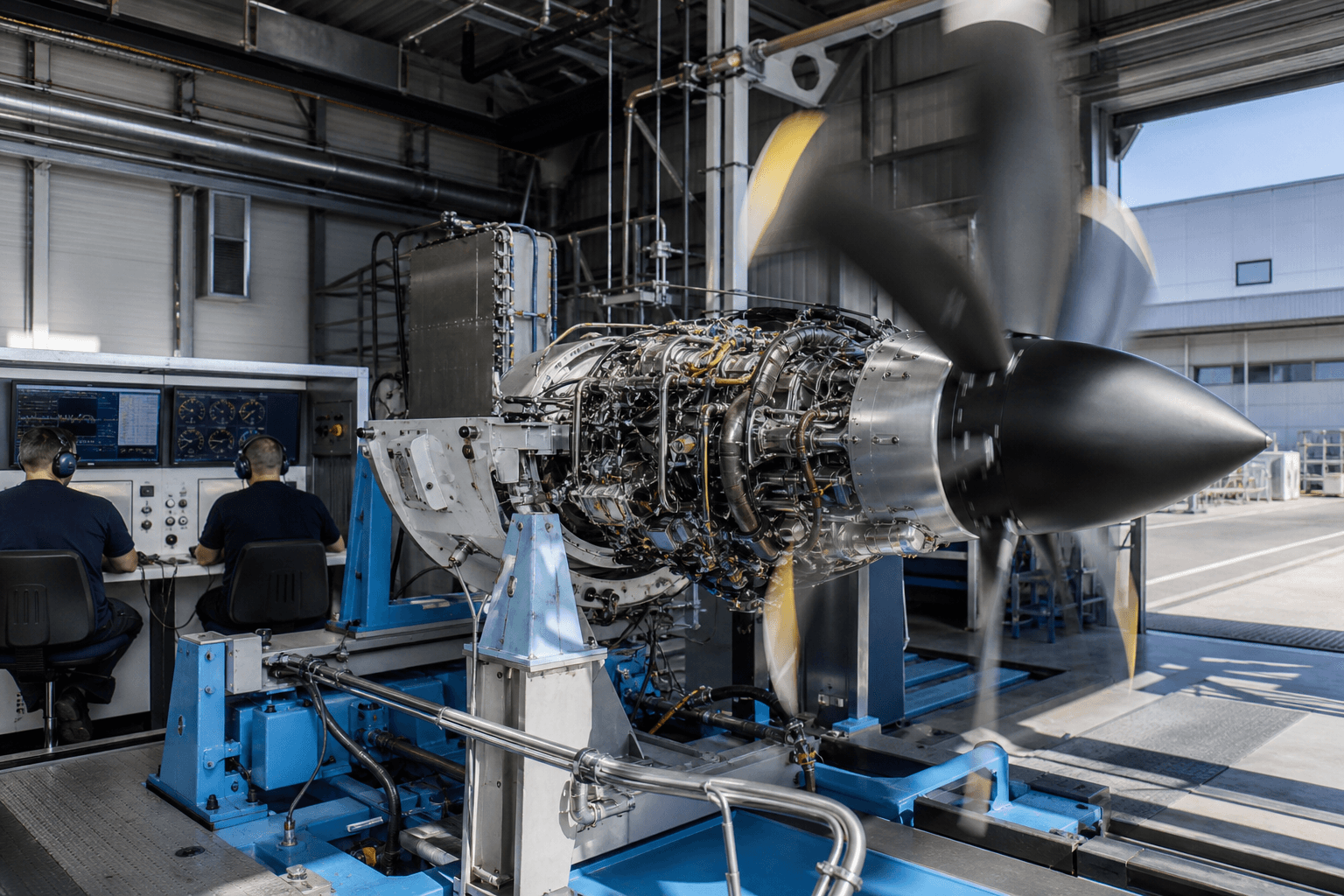
VK-800 engine begins 150-hour endurance tests for Russia's LMS-901 Baikal and other light aircraft
Variants of engine will be used on LMS-192 Osvey and LMS-901 Baikal as well as light trainer. Endurance testing of Russian aerospace firm UZGA's VK-800 engine has commenced, with the powerplant set to run for 150h on a dedicated ground rig. The engine is intended to power at least three aircraft models. These comprise the LMS-901 Baikal utility aircraft, the twin-engined LMS-192 Osvey regional transport — being developed jointly with Belarus — and the UTS-800 light trainer. The engine variants for these models are respectively the VK-800SM, the -800S1 and the -800SP. UZGA says the endurance test commenced "on the eve" of the Innoprom industrial exhibition in Ekaterinburg which opened on 6 July. The company presented the VK-800, which has an output of 806-877hp, as part of its display at the show. UZGA says the engine is being tested at "maximum operating conditions", allowing assessment of stability and reliability. The company adds that flight tests of the UTS-800 will "soon begin". The single-engined aircraft features composite structure, a 'glass cockpit', and lightweight ejection seats. Development prospects for light aviation was discussed during a forum at the Innoprom event. Federal air transport regulator Rosaviatsia's chief, Dmitry Yadrov, stated that the Baikal aircraft is expected to secure certification next year with the Osvey following at the end of 2029. He says domestic operators are requesting 127 such aircraft by 2035. The Baikal is intended to replace the Soviet-era Antonov An-2, but Yadrov highlighted the need to preserve the An-2 fleet "until a fully-fledged production replacement becomes available". He says a new type certificate for the An-2 was recently signed, enabling assignment of responsibility for the type's support and modernisation — including engine upgrades — to the Siberian aviation research institute SibNIA. The An-2 remains a "vital element of transport accessibility", adds Yadrov. United Aircraft chief Vadim Badekha, during the forum, stated that the aerospace firm was ready to establish partnerships for projects in the light aviation sector, and offer production sites such as its Sokol plant in Nizhny Novgorod. "We understand perfectly well that entering a large, serious, and extensive production requires significant investment," he said. "We have established the necessary capacity. And we are ready to provide this capacity, including for the launch of a major series of light aircraft."
The Daily Touch & Go
The day's best aviation news in your inbox. Free, no spam.