


Essential Safety Tips for Pilots Landing on Frozen Midwest Lakes This Winter
Pilots flying to winter destinations in the Midwest must understand ice thickness requirements, gear needs, and safety measures for landing on frozen lakes.
The gist
Midwest pilots should master ice landing safety with proper gear and thickness checks for secure winter fly-ins.
Flying to winter locations in the Midwest often means landing on frozen lakes, a unique challenge that demands heightened safety awareness. Pilots must ensure the ice is sufficiently thick to support their aircraft’s weight, using established guidelines for minimum thickness. This practice is critical for preventing accidents and ensuring smooth operations in cold weather conditions.
Ice thickness is a key determinant of safe landings on frozen lakes. Experts recommend a minimum ice thickness to safely bear the weight of small general aviation aircraft. Pilots are advised to measure ice thickness directly where possible or rely on local reports. This precaution helps mitigate risks of ground being less stable than expected, which can be life-threatening.
Proper equipment is also essential for frozen lake landings. Aircraft may require special skis or other landing gear adapted for ice and snow conditions. Additionally, pilots should carry survival gear suited to cold environments in case of unexpected delays or emergencies during winter fly-ins. These measures contribute to both safety and preparedness.
Weather conditions in the Midwest during winter fluctuate rapidly, making continuous monitoring vital. Pilots must be skilled in interpreting ice reports, temperature trends, and lake freeze patterns. Such knowledge enables better timing of flights and reduces the hazard of weakened ice, improving overall flight safety.
The distinct environment of frozen lakes differs greatly from conventional airports. Pilots need targeted training and experience to navigate these challenging surfaces confidently. Emphasizing training in ice landings is an important step toward greater safety and reducing incidents in this niche but demanding area of aviation.
As winter recreational flying grows, understanding best practices for frozen lake operations becomes increasingly important. Operators and pilots are encouraged to share knowledge and experiences, ensuring safer winter fly-ins. Awareness of ice conditions, proper equipment, and readiness protocols will remain focal points for maintaining safety standards.
Read more
All Aviation Safety →
FAA Allocates $1.776 Billion in Airport Grants for Runway and Safety Projects
Fresh funding will support a range of projects, from runway rehabilitations to safety upgrades.
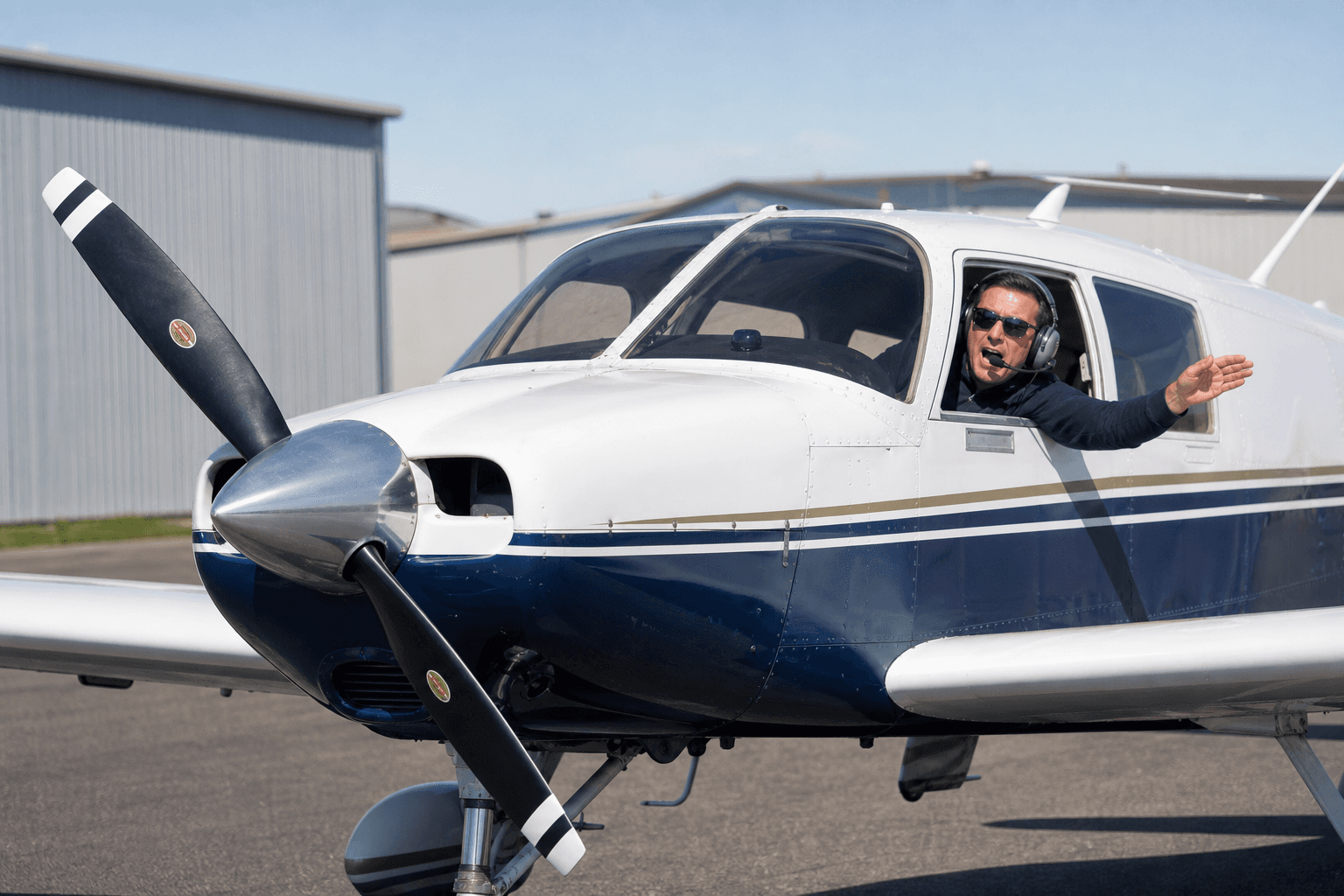
Pilots Reminded to Follow Critical 'Clear Prop' Safety Procedure During Engine Start
Your flight instructor surely covered the safety protocols for starting the engine during your first lesson and watches closely to make sure you remember the steps: First, turn the battery and beacon on to alert anyone nearby that your airplane is about to start. Then look forward, left, right, and rearward to visually “clear” the area. After that, crack the window open and shout “Clear prop!” in a loud and mighty voice before you engage the starter.
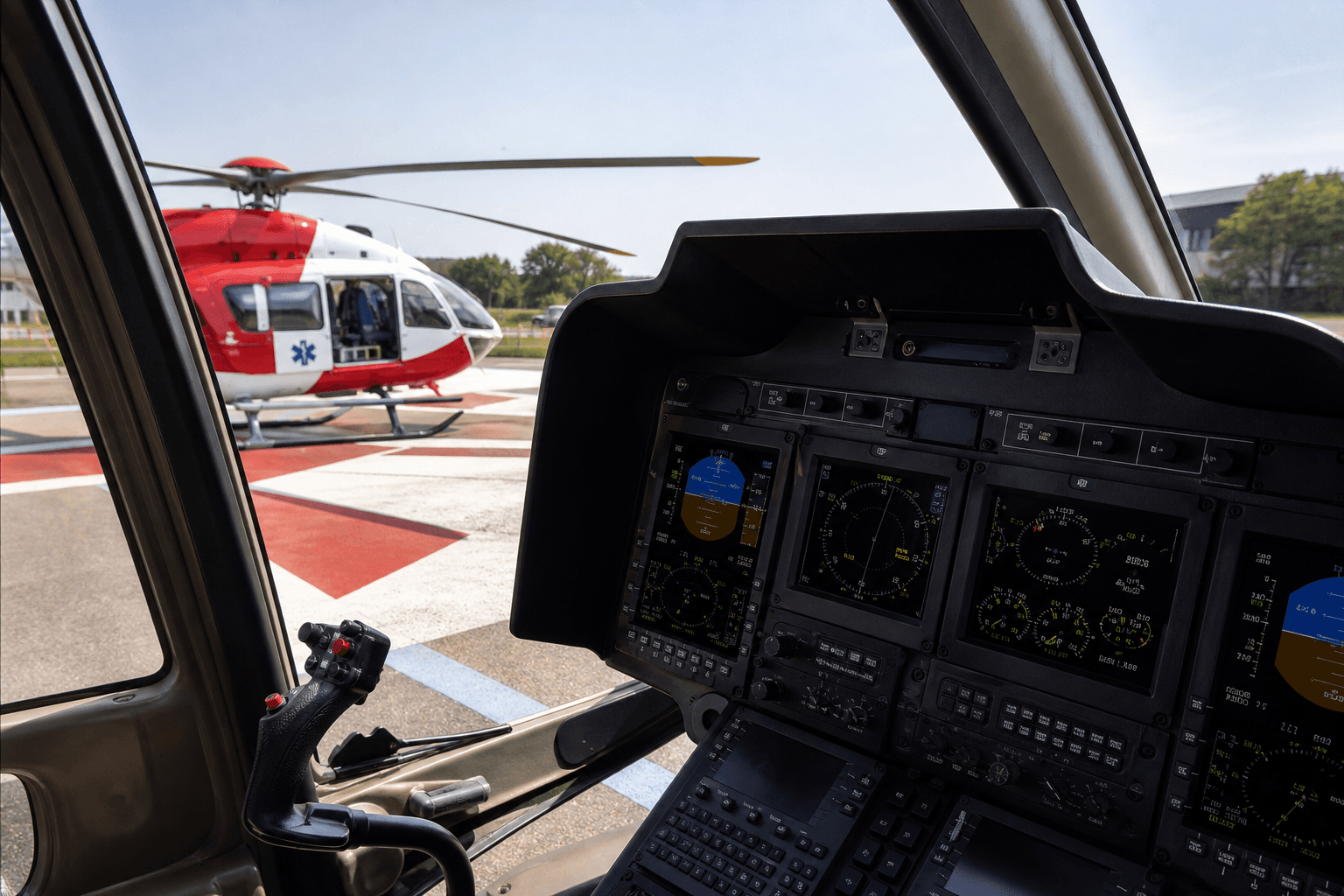
NTSB Report Highlights Military GPS Jamming in Fatal Air Ambulance Crash
Preliminary NTSB report explores role of military signal jamming in recent accident and need for pilots to maintain robust situational awareness.
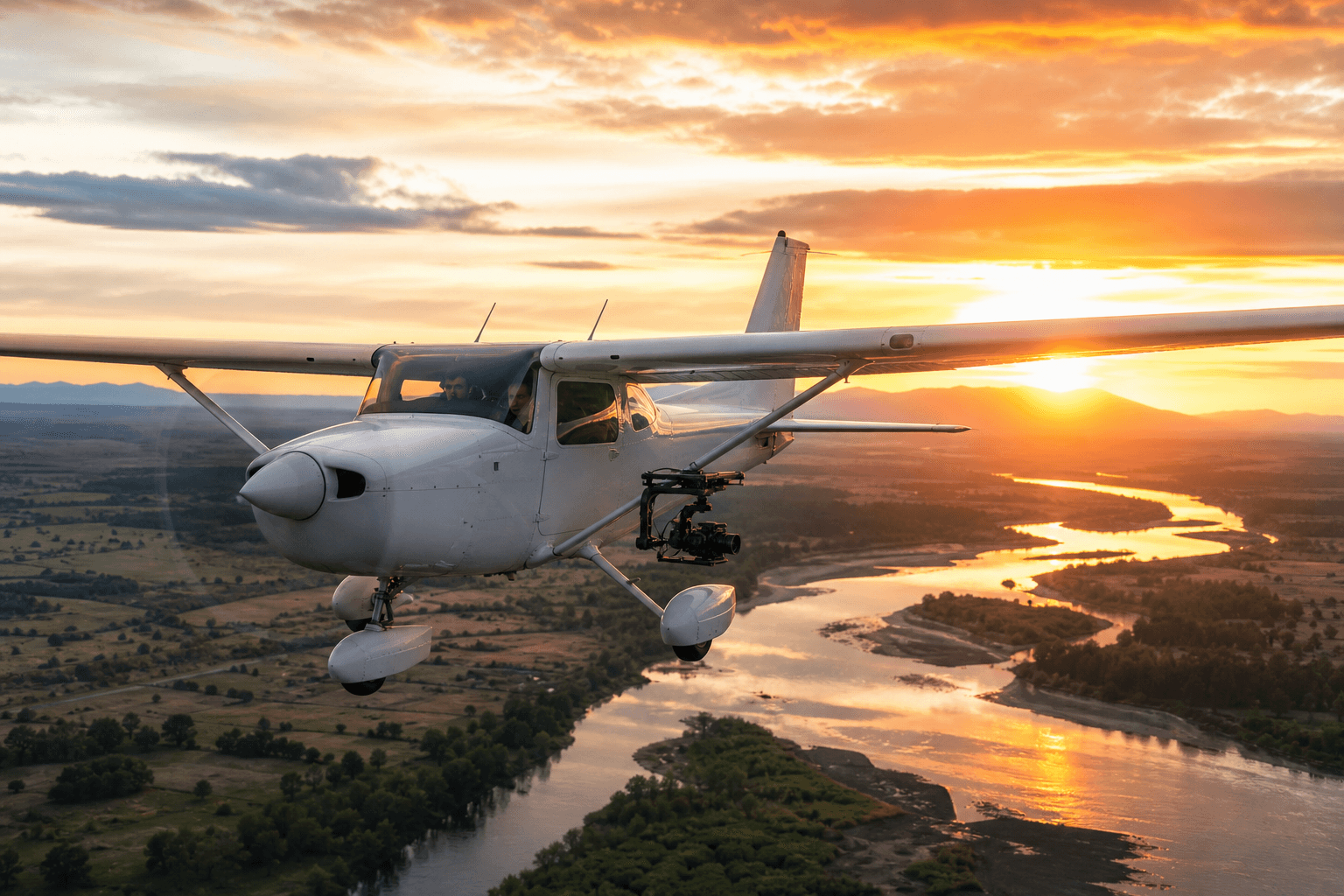
Jenny Blalock's Fatal Crash Highlights Critical Gaps in Aviation Safety for Aerial Filming
Death of Jenny Blalock provides safety lessons hidden in a preventable accident.
The Daily Touch & Go
The day's best aviation news in your inbox. Free, no spam.