

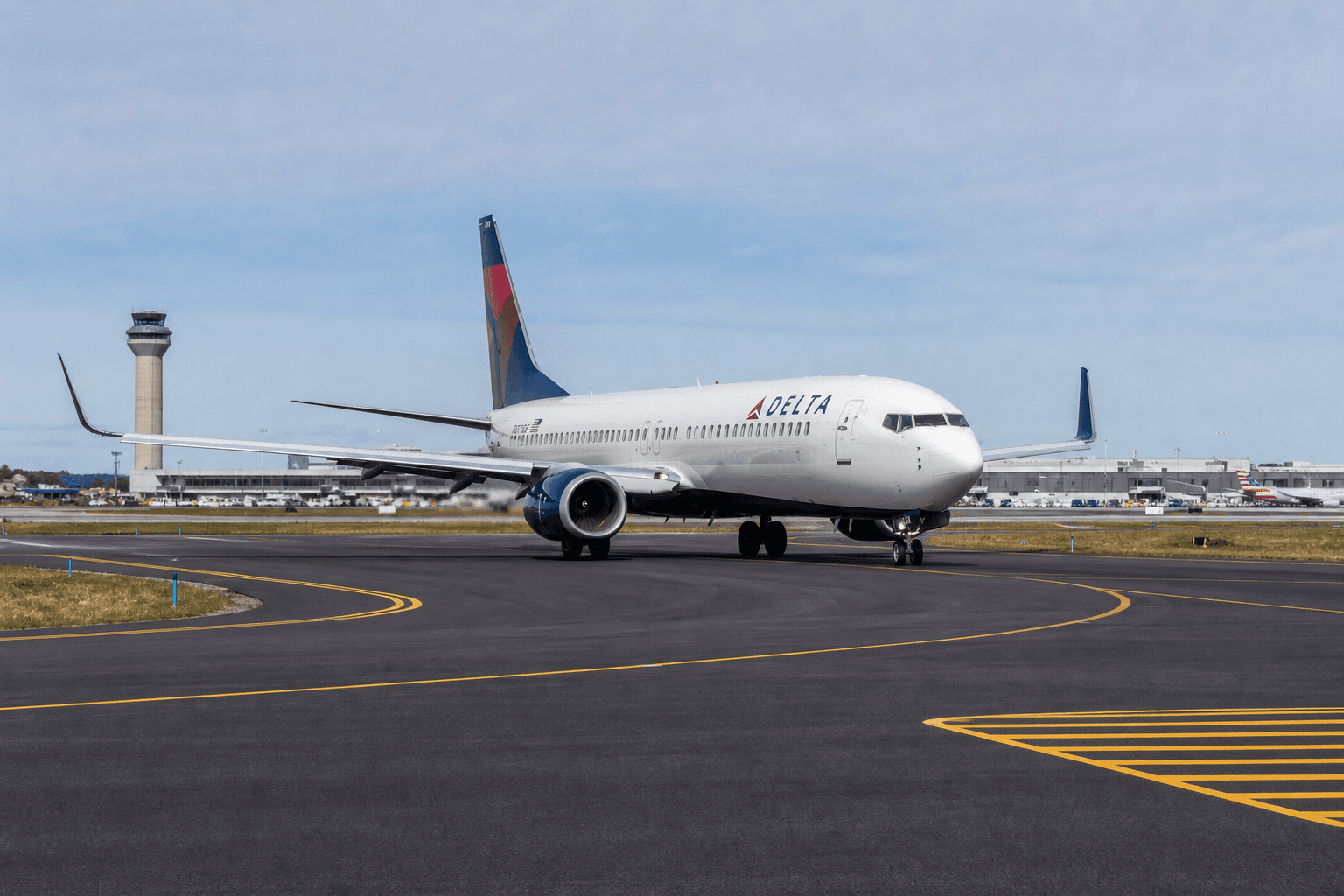
Illustration: The Touch & Go
FAA Awards $1.776 Billion in Airport Grants to Boost Infrastructure and Safety
The FAA has announced $1.776 billion in grants supporting runway rehabilitations and safety enhancements nationwide this July.
The gist
FAA delivers $1.776 billion in airport grants to improve runways and enhance safety across the U.S.
Continuing coverage
All Us Airports →The Federal Aviation Administration (FAA) has allocated $1.776 billion in airport grants as part of its ongoing efforts to enhance the nation's aviation infrastructure and safety. These funds are slated to support a broad spectrum of projects including runway rehabilitations, safety upgrades, and other critical airport improvements. The grants aim to ensure safer, more reliable operations at airports across the United States ahead of peak travel periods like the Fourth of July holiday.
Runway rehabilitation projects funded through this grant cycle are expected to improve pavements to better withstand heavy aircraft traffic and adverse weather conditions. Additionally, safety upgrades encompass lighting system enhancements, installation of advanced navigation aids, and measures to increase compliance with modern regulatory standards. Airports of various sizes are recipients, reflecting the FAA’s commitment to both large hubs and smaller regional facilities.
This infusion of capital comes at a crucial time when air travel demand is rebounding and the need for resilient infrastructure is paramount. Aging pavements and outdated equipment at many airports have necessitated significant investment to maintain operational safety and efficiency. The FAA's grants provide essential support to airport authorities aiming to meet these challenges without overburdening local budgets or passengers.
Historically, FAA airport grants form a vital part of federal infrastructure investment to maintain and upgrade the U.S. aviation network. By prioritizing projects that address safety and operational enhancements, the FAA continues to reinforce the nation’s leadership in global aviation. Airports benefiting from these funds will likely see improvements that aid in reducing delays and enhancing passenger experiences in the coming years.
Looking ahead, ongoing funding initiatives like these grant programs will remain critical as the aviation sector adapts to evolving technologies and increasing environmental considerations. The FAA’s proactive grant awards underline the agency’s focus on safeguarding the integrity of air travel infrastructure and supporting economic growth through a modernized aviation system.
Read more
All Aviation Safety →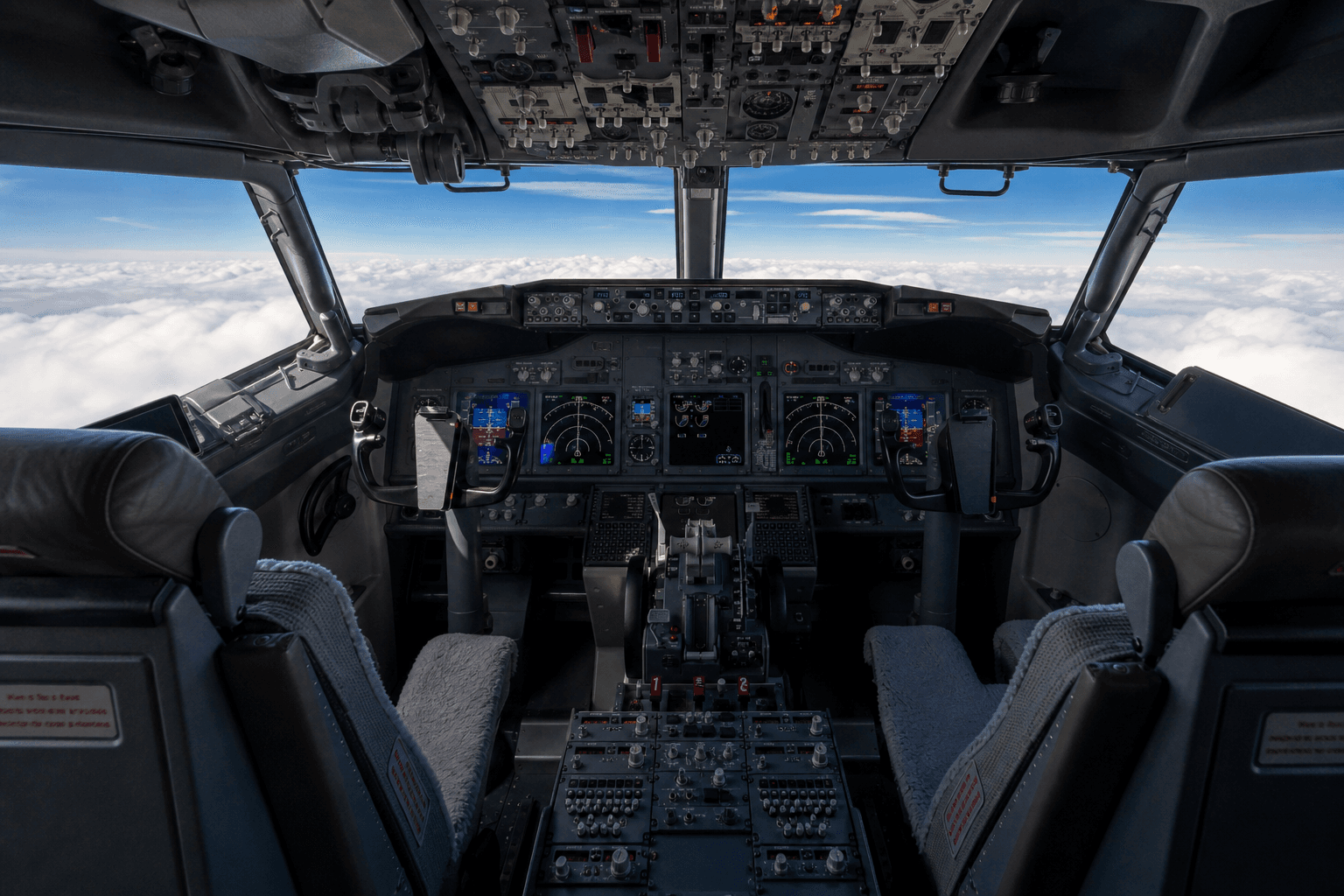
Southwest Pilot Who Reported Cockpit Misconduct Faces Union Sanctions Demand
A Southwest captain pled guilty after exposing himself and watching porn in the cockpit during a flight to Orlando while his first officer continued flying the plane. Now, years into the first officer's lawsuit claiming Southwest and its pilots union retaliated against her for reporting the incident, the union is asking a court to sanction her and make her pay its legal fees.
Air India A320neo Flight Control Systems Briefly Failed Before 300-Foot Plunge Injuring 24
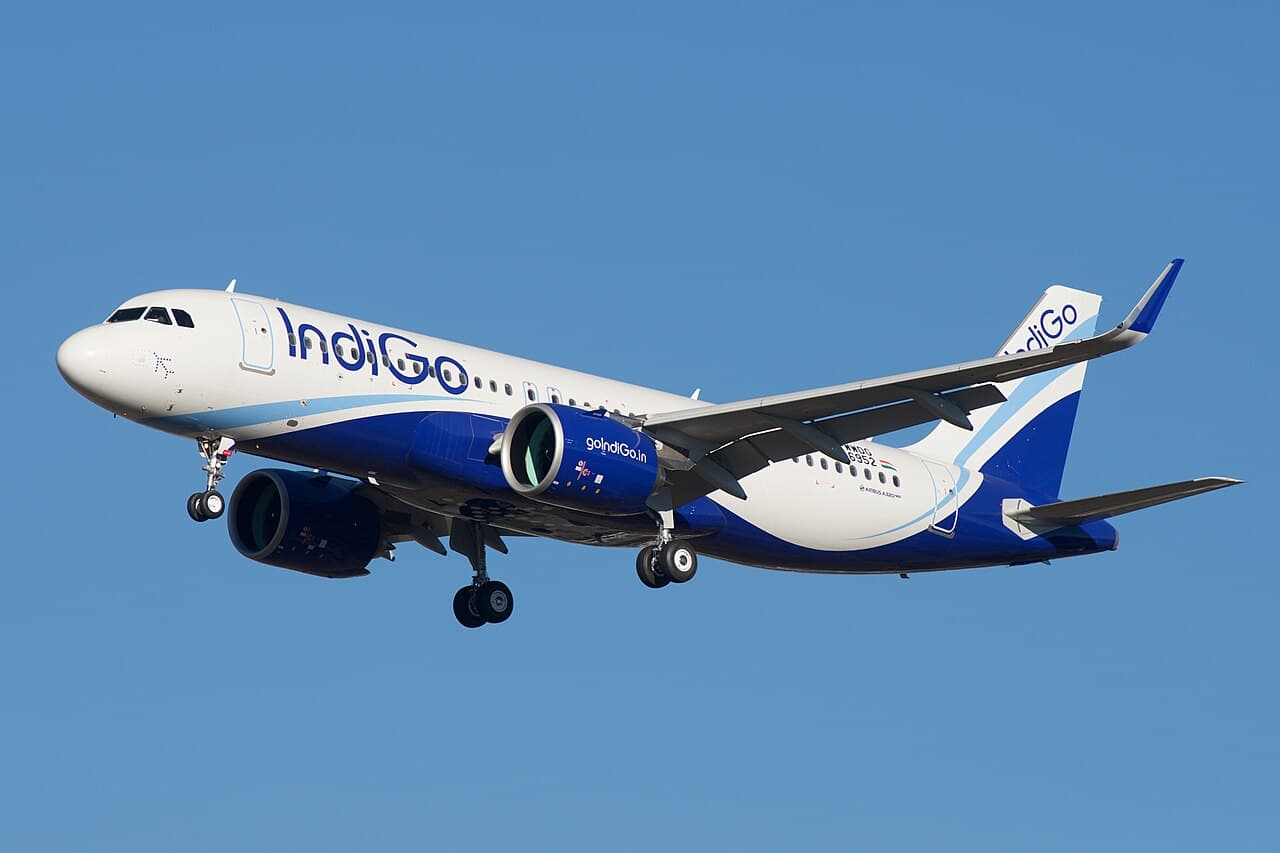
The flight control systems of an Air India Airbus A320neo narrowbody plane which suddenly plunged 300 feet while at cruising altitude, leaving 24 passengers and crew injured, went dark for several seconds, an internal report from the aircraft manufacturer has revealed. Air India flight AI-2379 from Phuket, Thailand to Delhi on August 4 was flying at a cruising altitude of around 34,000 feet when it unexpectedly dropped. Anyone and anything that wasn't strapped down was thrown into the air. Multiple passengers and crew were injured after they were slammed into the ceiling of the seven-year-old aircraft Around 20 passengers and four cabin crew members were injured in the incident, many of whom had to be transported to the hospital with head, neck, and spinal injuries. In a new internal report from Airbus which had been viewed by Reuters but not independently verified, it is claimed that the flight control system that controls the plane's elevators and ailerons suddenly became unavailable for around four seconds. During this brief period, the plane pitched up. The First Officer responded by pointing the nose of the plane down but there was no immediate correction due to the alleged loss of hydraulic systems. The document does not establish the cause of the incident and the events are still under investigation by India's Aircraft Accident Investigation Branch (AAIB) with support from the French Bureau d'Enquetes et d'Analyses (BEA). Late last year, Airbus issued an urgent safety alert for its range of best-selling A320 family single-aisle aircraft following an investigation into an incident aboard a JetBlue aircraft when the plane suddenly pitched down mid-flight without any input from the pilots. Engineers were able to establish that the unexpected pitch-down input came from a malfunctioning ELAC computer unit. The ELAC stands for Elevator & Aileron Computer, and it is designed to interpret the inputs the pilots are putting into the controls and then smoothly and correctly control the elevators and ailerons. Airbus believes that the ELAC was corrupted by intense solar radiation, although the issue only affected a software update known as L104. To fix the issue, airlines were ordered to restore all aircraft with the L104 software to the last version before this. In most cases, this required engineers to plug a Portable Data Loader with the older L103 software into the cockpit computer of affected planes and reinstall the tested software. Although there are around 11,500 Airbus A320 series aircraft in active commercial service around the world, only 6,000 of these had the L104 software installed. Earlier this week, it was revealed that the Captain of flight 2379 had failed a second drug test. As is standard practice following a serious aviation occurrence, all of the crew are subject to drug testing. The Captain's initial rapid test came back as 'non negative' so a more detailed test was ordered. Investigators are yet to confirm the results of this test, but sources claim it tes tested positive for cannabis. There is currently no suggestion that illegal banned had anything to do with the events that unfolded on flight 2379.
FAA Seeks Billions More to Fund CAP Automation Amid Growing Industry Competition
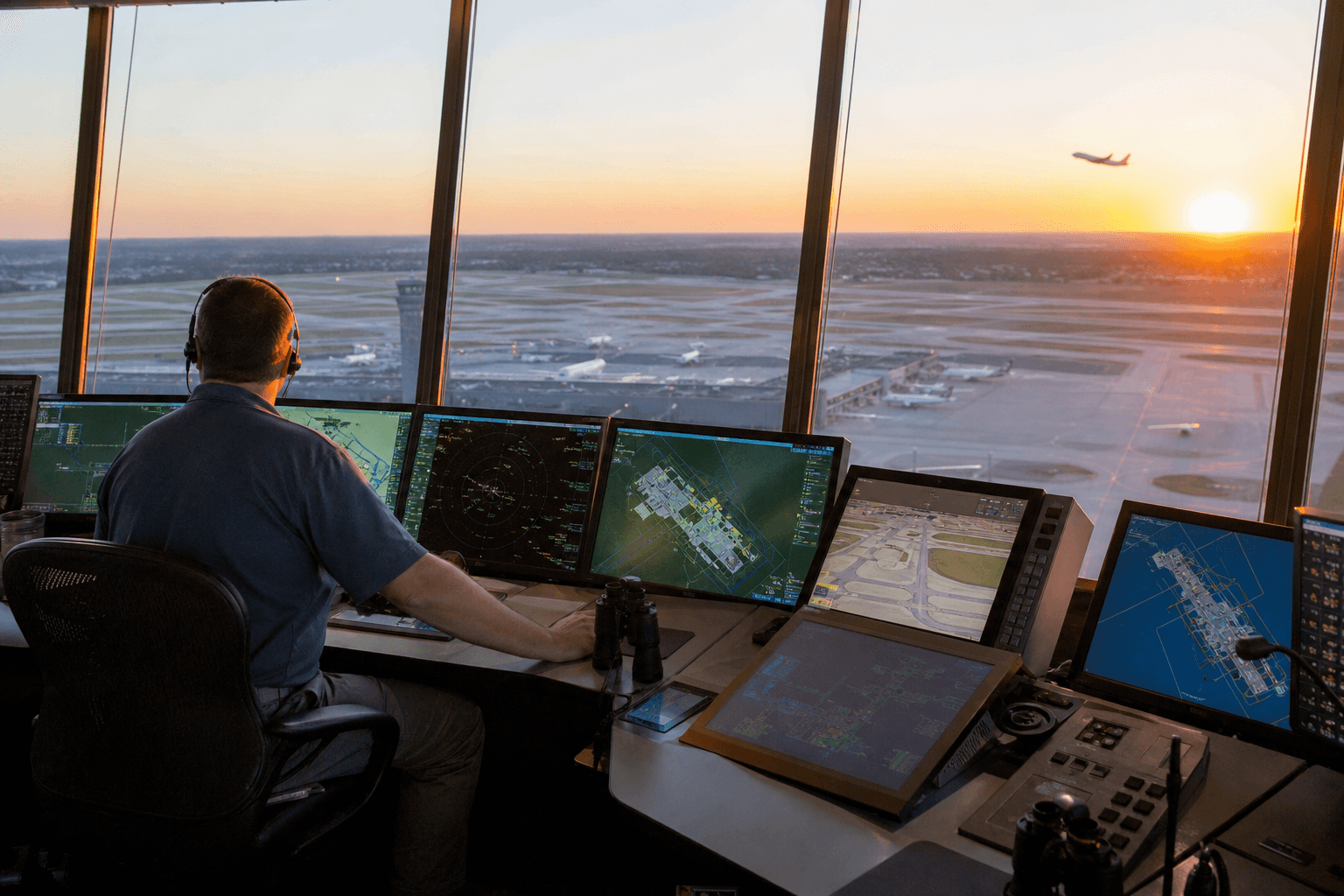
As competition for the FAA's common automation platform (CAP) contract heats up, the agency still lacks the funds required to develop the technology, which is envisioned to combine its En Route Automation Modernization (ERAM) and Standard Terminal Automation Replacement System (STARS) platforms. Thales becomes the latest company to pitch a CAP solution to the FAA. On Wednesday, it announced TopSky-America, a cloud-based, AI-powered platform that it said is tailored for the FAA to enhance information sharing, decision making, and situational awareness for air traffic controllers (ATCs). The idea is to reduce controller workload by combining data from ERAM, which manages high-altitude flights, and STARS, which coordinates arrivals and departures in towers and terminal route approach control (TRACON) facilities, in a single digital interface. STARS also provides sequencing and issues weather updates and conflict alerts. The CAP is billed as a core pillar of the Transportation Department's (DOT) Brand New Air Traffic Control System (BNATCS) effort. Without funding, though, it is unclear how the FAA plans to support the CAP's development and deployment. Congress last year allocated $12.5 billion toward BNATCS, while the DOT has requested a total of $31.5 billion to fund its more expensive components. The Modern Skies Coalition, led by the Aircraft Owners and Pilots Association (AOPA), in July called on Congress to allocate another $20 billion toward the effort. It estimated that the CAP alone would cost $10 billion. Transportation Secretary Sean Duffy has previously asked for the additional $20 billion but in recent months has signalled that the agency would settle for less. Duffy on Tuesday said the DOT "would love $20 [billion], but we'll take $10 [billion]." The secretary clarified that $10 billion would cover certain software upgrades planned under BNATCS. A "second $10 billion," he said, would be required for the "actual bricks and mortar" of new ATC facilities, such as TRACONs. Duffy did not mention the CAP in his remarks Monday, and the FAA's internal estimate of its cost is unclear. Thales said Thursday that it supports the "FAA's call for additional congressional funding." Competition Heats Up Thales described TopSky-America as an advanced ATC automation system "built specifically for the U.S. National Airspace System [NAS]." The platform is a version of the company's popular TopSky-ATC offering. But Thales emphasized that it is "customized for the unique requirements" of and designed "exclusively" for U.S. airspace. "These capabilities will deliver greater predictability for air carriers and the traveling public, improve operational performance, and help reduce workload on the controller workforce—while continuing to uphold the highest standards of safety," the company said in its announcement. TopSky-America is not the only CAP candidate. RTX's Collins Aerospace is pitching a version of its AutoTrac platform for the FAA contract, FlightGlobal reported in March. Collins was previously selected for BNATCS to provide hundreds of new ATC radars , while parent RTX is the FAA's prime STARS contractor. Leidos, which maintains the ERAM system, also has a CAP solution . The Air Current in April reported that Thales, Collins, Leidos, Australia's Frequentis, and Spain's Indra—the FAA's other BNATCS radar contractor—are the five companies shortlisted for the CAP contract. Thales' path to winning the contract could involve highlighting the success of its TopSky-ATC, which it estimates manages 40 percent of air traffic globally. The company in July announced agreements to modernize the air traffic management systems of Singapore and Mongolia. It also produces primary and secondary ATC surveillance radars and is developing capabilities for the management of uncrewed aircraft systems (UAS) traffic. Also working in the French company's favor is a commitment to design TopSky-America software upgrades in the U.S., a nod to the DOT's desire for domestic companies to lead the ATC modernization effort. "One of the focuses in modernization was to onshore production of critical infrastructure," FAA Administrator Bryan Bedford said Tuesday. "We have brought those jobs back to the United States, which is a key focus of [Secretary Duffy] and [President Donald Trump]." Thales has about 5,000 U.S. employees and said producing the platform domestically will create hundreds of new jobs. Ultimately, the contract award could come down to a battle among the shortlisted companies. Thales earlier this year lost out on the FAA's contract for Strategic Management of Airspace, Routes, and Trajectories (SMART)—an AI-powered, predictive air traffic management software —after being shortlisted for that award. Bedford said Tuesday that Thales, Palantir, and Air Space Intelligence (ASI), which ultimately won the contract, each created digital twins of the NAS for evaluation. Duffy described the exercise as a "competition" and said ASI produced the "best product, the best tool that we thought would help us best manage the airspace." "We want the best companies building our software," Duffy said. "And what's different is we're not just picking a contractor to work for us. We're actually going through a competition to see who actually can deliver on behalf of the FAA."
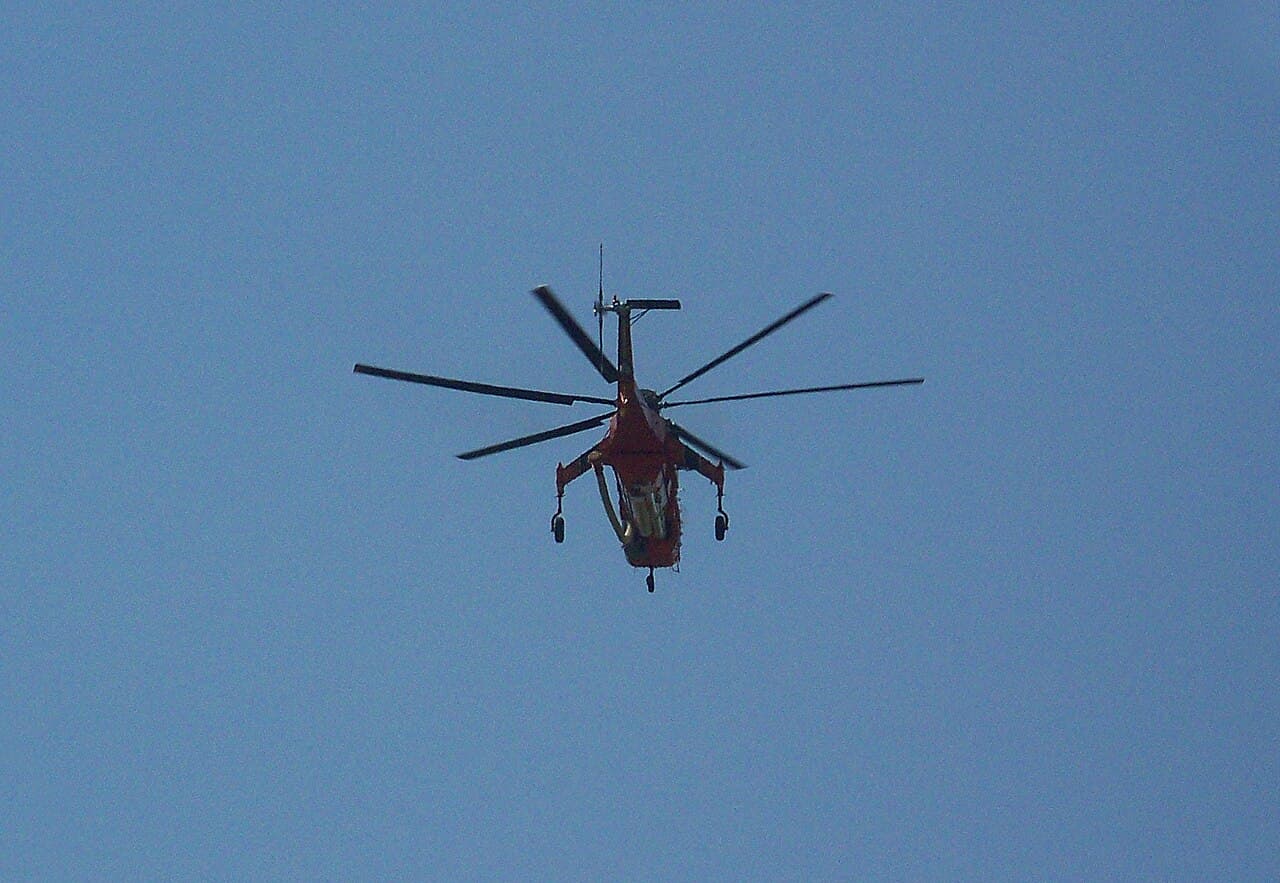
Two Pilots Die in Sikorsky S-64 Skycrane Helicopter Crash Fighting Utah Wildfire
Two pilots died when their firefighting helicopter crashed in central Utah while en route to a blaze in Fishlake National Forest. The Sikorsky S-64 Skycrane was dispatched Friday morning to combat the wildfire. According to the Sevier County Sheriff's Office, the helicopter went down at about 10 a.m. MDT near Richfield, Utah, en route to the fire. Immediately after the accident, access to the crash site was blocked by the raging wildfire, so the condition of the crew could not be immediately determined. READ MORE: Wildfires Near Spokane Threaten Key Airports READ MORE: Daher Delivers TBM 960 for Wildfire Air Attack Operations The helicopter has the ability to carry up to 2,000 gallons of water. The National Transportation Safety Board (NTSB) and the FAA are investigating the accident. The names of the deceased pilots have not been released. They were employed by Helicopter Transport Services, an industrial helicopter company that provides rotor-wing aircraft for a variety of industries. The crash ignited a second fire that spread, connecting with the existing blaze known as the Widemouth 2 Fire.
The Daily Touch & Go
The day's best aviation news in your inbox. Free, no spam.