

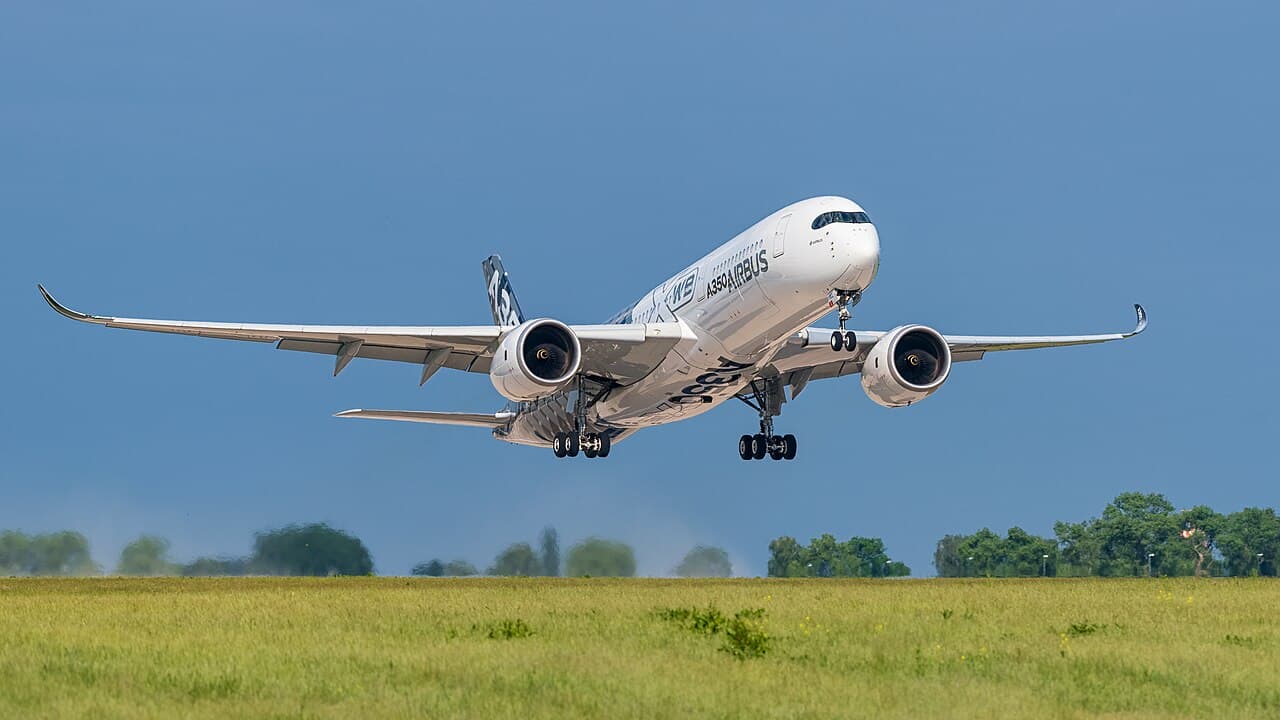
Image: Julian Herzog ( Website ) · CC BY 4.0 · via Wikimedia Commons
Rolls-Royce Unveils Trent XWB Upgrade Promising Airlines $10 Million Yearly Savings
Rolls-Royce announced a new upgrade to its Trent XWB engine for the Airbus A350, offering airlines up to $10 million in annual operating cost savings through improved fuel efficiency.
The gist
Rolls-Royce's Trent XWB upgrade could cut Airbus A350 fuel costs by nearly $10 million per airline each year.
Rolls-Royce has introduced a significant upgrade to its Trent XWB engine, the powerplant used by the Airbus A350 family, aiming to enhance fuel efficiency and reduce operating costs for airlines. The company claims this latest engine enhancement could translate into nearly $10 million in annual savings per operator by lowering fuel consumption and maintenance expenses.
The Trent XWB engine remains among the most utilized and fuel-efficient engines in commercial aviation, consistently powering Airbus A350s across global fleets. This upgrade builds on that legacy by incorporating state-of-the-art materials and aerodynamic refinements that optimize combustion and reduce drag within the engine's core components.
Since its launch, the Airbus A350 has been celebrated for combining long-range capability with superior fuel economy. Rolls-Royce’s continuous improvements contribute to keeping the A350 competitive against rival aircraft and engines. Airlines operating A350s stand to benefit from lower fuel burn rates and potentially extended maintenance intervals, improving profitability on international routes.
This development arrives amid increasing pressure on airlines to reduce operational costs and environmental impact. As fuel expenses represent a significant portion of airline spending, enhancements like the Trent XWB upgrade help carriers meet sustainability targets while maintaining economic efficiency. The technology is expected to be retrofitted onto in-service engines and incorporated into new production units shortly.
Looking forward, Rolls-Royce’s commitment to incremental engine improvements underscores the evolving role of propulsion technology in transforming aviation's carbon footprint and cost structure. Industry watchers will be attentive to how quickly airlines adopt these modifications and the real-world impact on fuel savings and emissions reductions.
With airlines demonstrating strong interest in fuel-efficient upgrades, the Trent XWB enhancement could set new standards for long-haul engine performance. Its success could influence future engine design strategies and reinforce the Airbus-Rolls-Royce partnership as a cornerstone in commercial aviation propulsion.
Read more
All Airlines →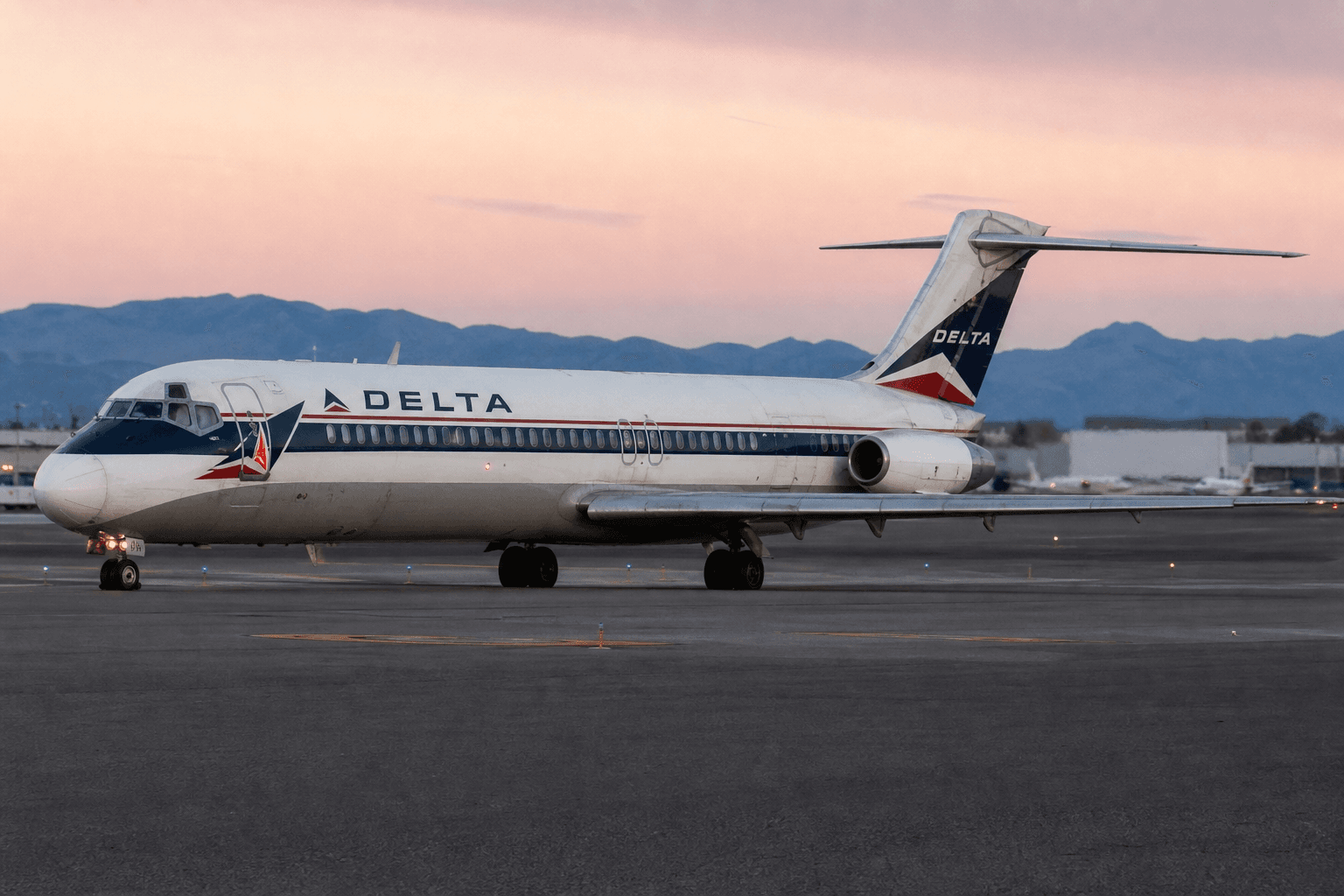
McDonnell Douglas DC-9's Longevity Surpasses Its Intended Successors
Some aircraft evolve, advancing and growing into the era of flight ahead. Some disappoint and leave carriers holding on to older airframes for longer.
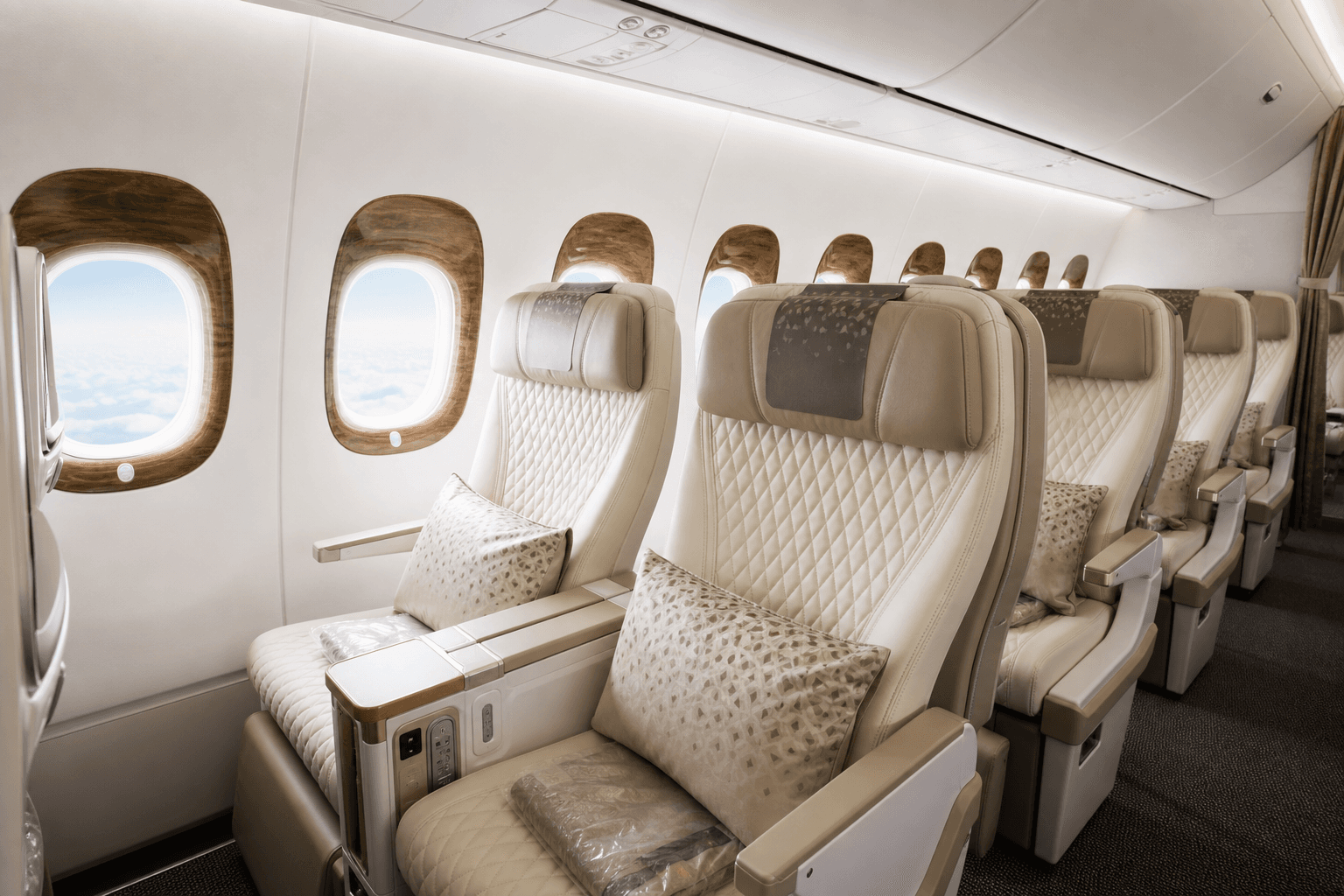
Emirates Premium Economy Cabin Boasts Larger Seats Than Singapore Airlines
Emirates' premium economy seats are an inch wider than Singapore Airlines,' offering passengers a more spacious and comfortable flying experience.

Top Aviation Financier Chris Pannacciulli Shapes Global Aircraft Investment Trends
Global Aviation Round-Up from Aircraft Value Intelligence (AVN) Chris Pannacciulli occupies the nexus of finance and aerospace, helping direct the capital that fuels aircraft investment, fleet growth, and industry expansion. […]
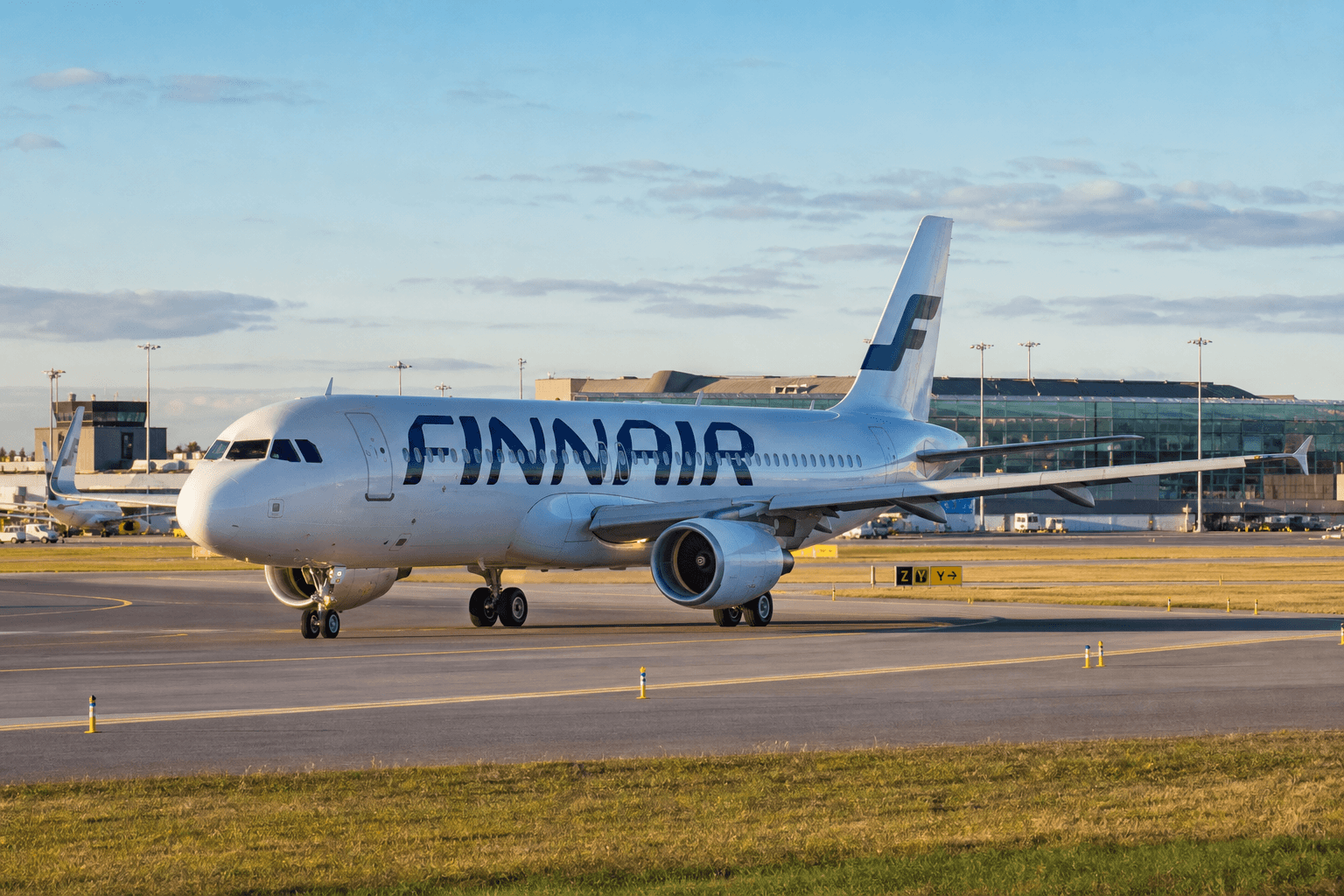
Finnair advances plans to add up to 12 used A320s and explores wet-leases to expand network
Oneworld carrier says it is benefiting from strong demand and Middle East capacity constraints. Finnair is "making progress" sourcing up to 12 used Airbus A320ceo-family jets and is considering aircraft leases "or even wet-leases" to support its medium-term network plans, the carrier's finance chief says. Addressing analysts on a 29 June investor call ahead of…
The Daily Touch & Go
The day's best aviation news in your inbox. Free, no spam.