

Illustration: The Touch & Go
Royal Navy conducts first sea-launched test of Callen-Lenz Nyan attack drone
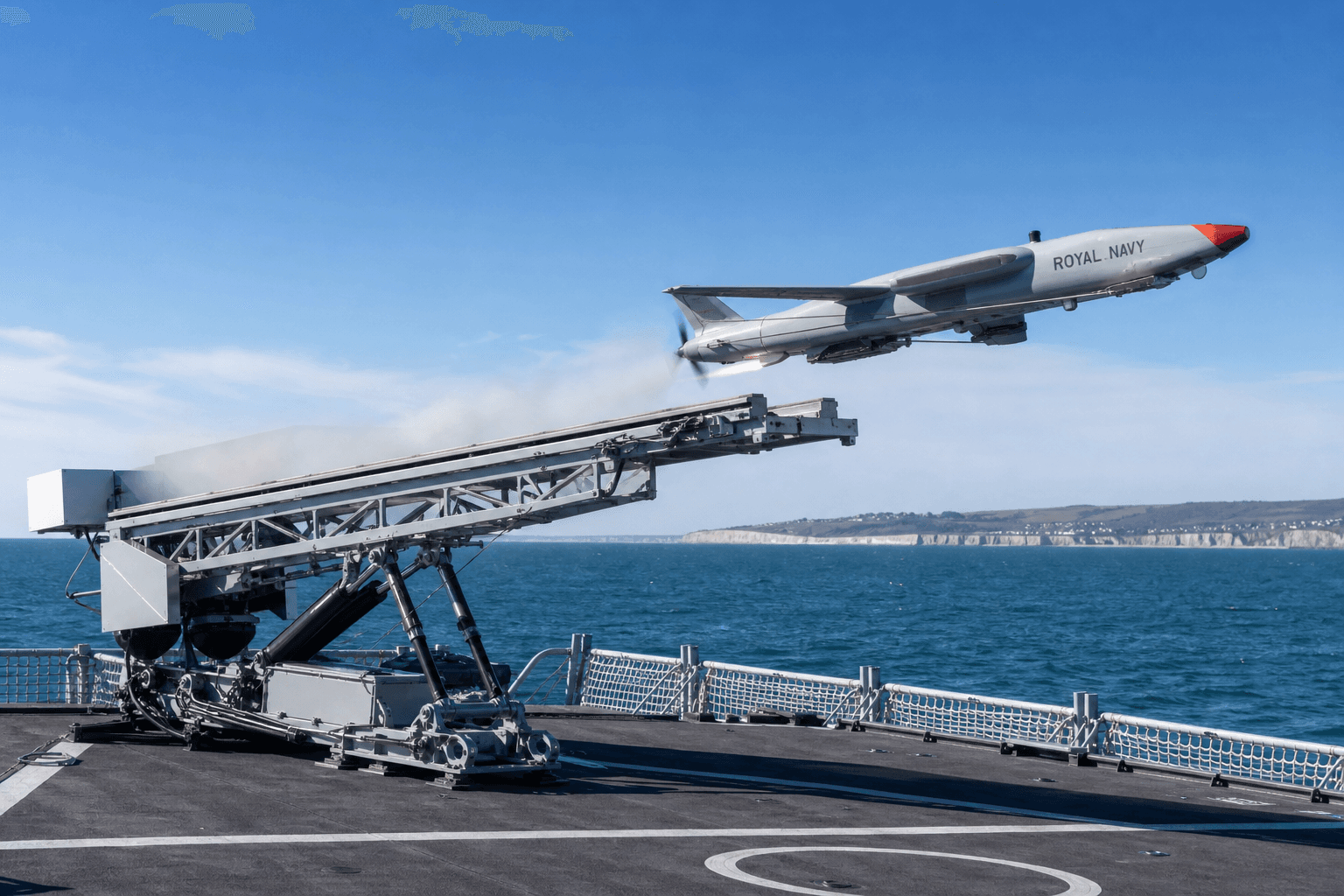
The UK Royal Navy has successfully launched the Callen-Lenz Nyan one-way effector drone from a surface vessel in trials supporting its hybrid operational concept.
The gist
The Royal Navy advances drone warfare by launching the UK-made Callen-Lenz Nyan attack drone from a surface ship at sea.
In a pioneering step for British naval operations, the Royal Navy has for the first time launched the UK-developed Callen-Lenz Nyan one-way effector (OWE) drone from a surface vessel. The launch occurred during trials held off England's south coast in June, marking a significant advancement in the Navy’s hybrid operational concept that seeks to integrate manned and unmanned systems in maritime warfare.
The Callen-Lenz Nyan is designed as an expendable attack drone, capable of delivering precision strikes. Launching it from a ship at sea demonstrates the potential for surface vessels to deploy such assets rapidly and flexibly, extending the Navy’s reach and lethality. These launches took place from an experimental platform dedicated to testing emerging naval technologies and tactics.
This development is part of a broader Royal Navy initiative to evolve warfighting under what it calls a hybrid operating concept. By combining traditional naval power with cutting-edge unmanned systems, the Navy aims to increase operational effectiveness and survivability in contested environments. The Nyan OWE testing contributes valuable data on deploying autonomous strike drones from maritime platforms.
The successful launches underscore the UK’s commitment to domestically produced unmanned systems and their integration into naval operations. As global naval forces increasingly explore drone capabilities to complement traditional assets, the Royal Navy’s progress with the Callen-Lenz Nyan positions it at the forefront of future maritime combat innovation.
Looking ahead, continued trials will likely focus on refining deployment procedures, command and control integration, and assessing operational scenarios to maximize the drone’s tactical utility. The Royal Navy’s embrace of such technology reflects an adaptation to modern threats and a shift toward networked, multi-domain warfare concepts.
Read more
All Military/Defense →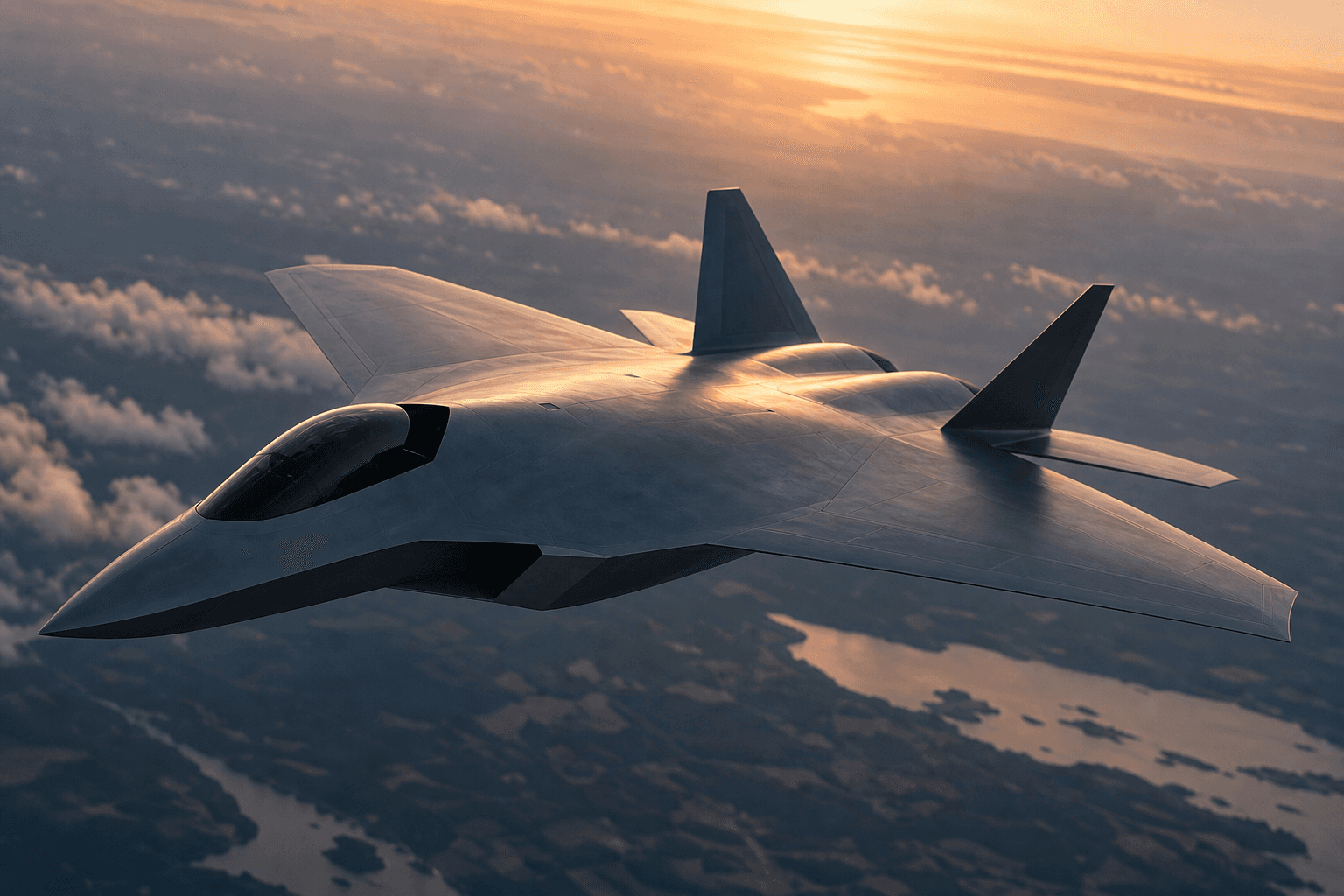
Global Combat Air Programme advances with £4.6bn Edgewing contract for next-gen fighter
Three-nation funding allocation covers activities until end of 2027. The trinational Global Combat Air Programme (GCAP) has entered its next phase, with the award of an 18-month contract funding the completion of its advanced concept and assessment phase. Announced on 3 July – two days after its signature – the new allocation of £4.6 billion…
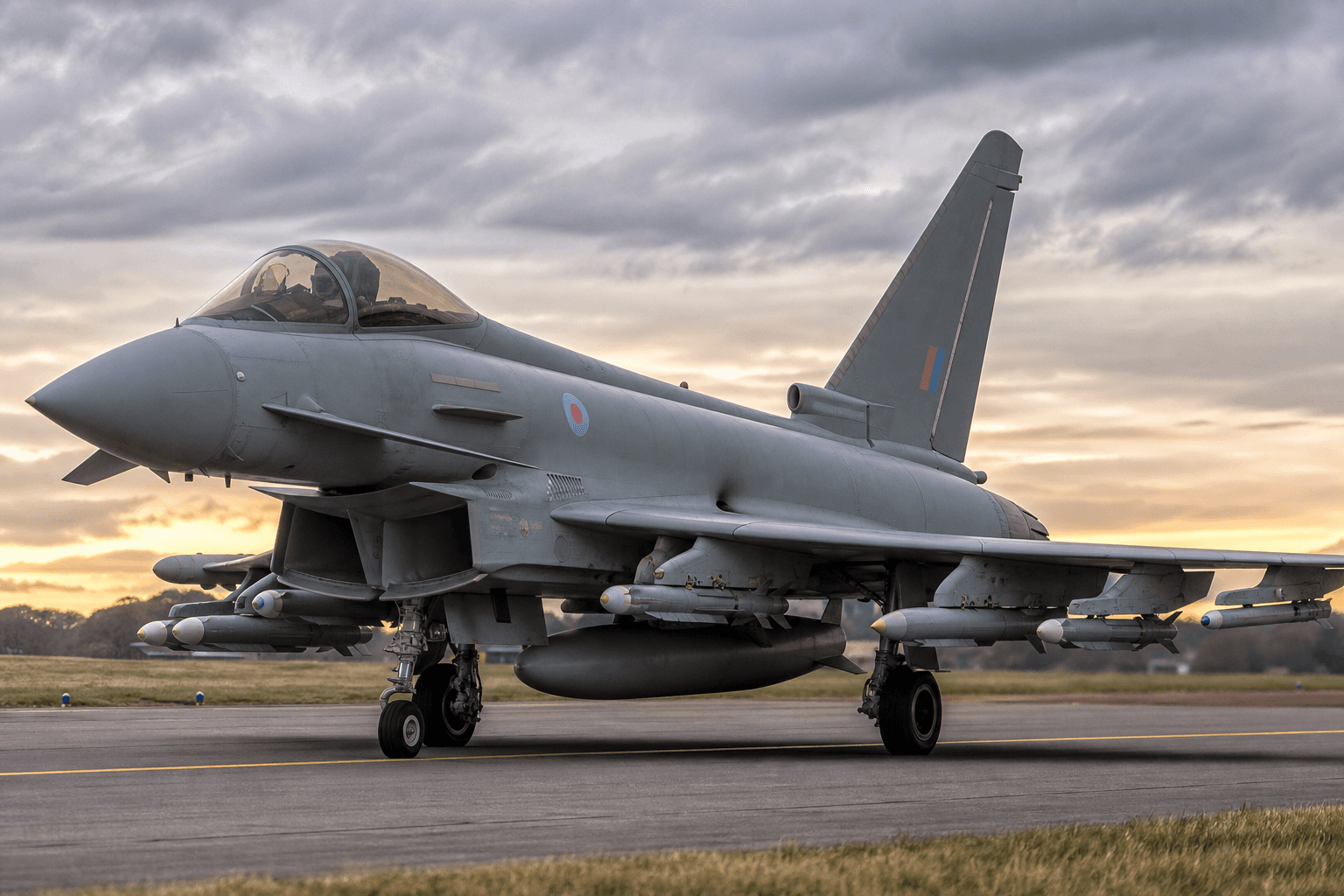
UK MoD prioritizes next-gen missile development over upgrades to Storm Shadow and Meteor
New weapons investment outlined in spending plan. The UK Ministry of Defence (MoD) will not invest in further upgrades to two of the Royal Air Force's (RAF's) long-range air-launched weapons, instead favouring the development of next-generation systems. In its Defence Investment Plan (DIP), the MoD says it will allocate £1.4 billion ($1.86 billion) to MBDA's…

Battle of Britain Memorial Flight Showcases Iconic WWII Aircraft in UK
The Battle of Britain Memorial Flight (BBMF) is one of Britain’s most treasured aviation organisations,…
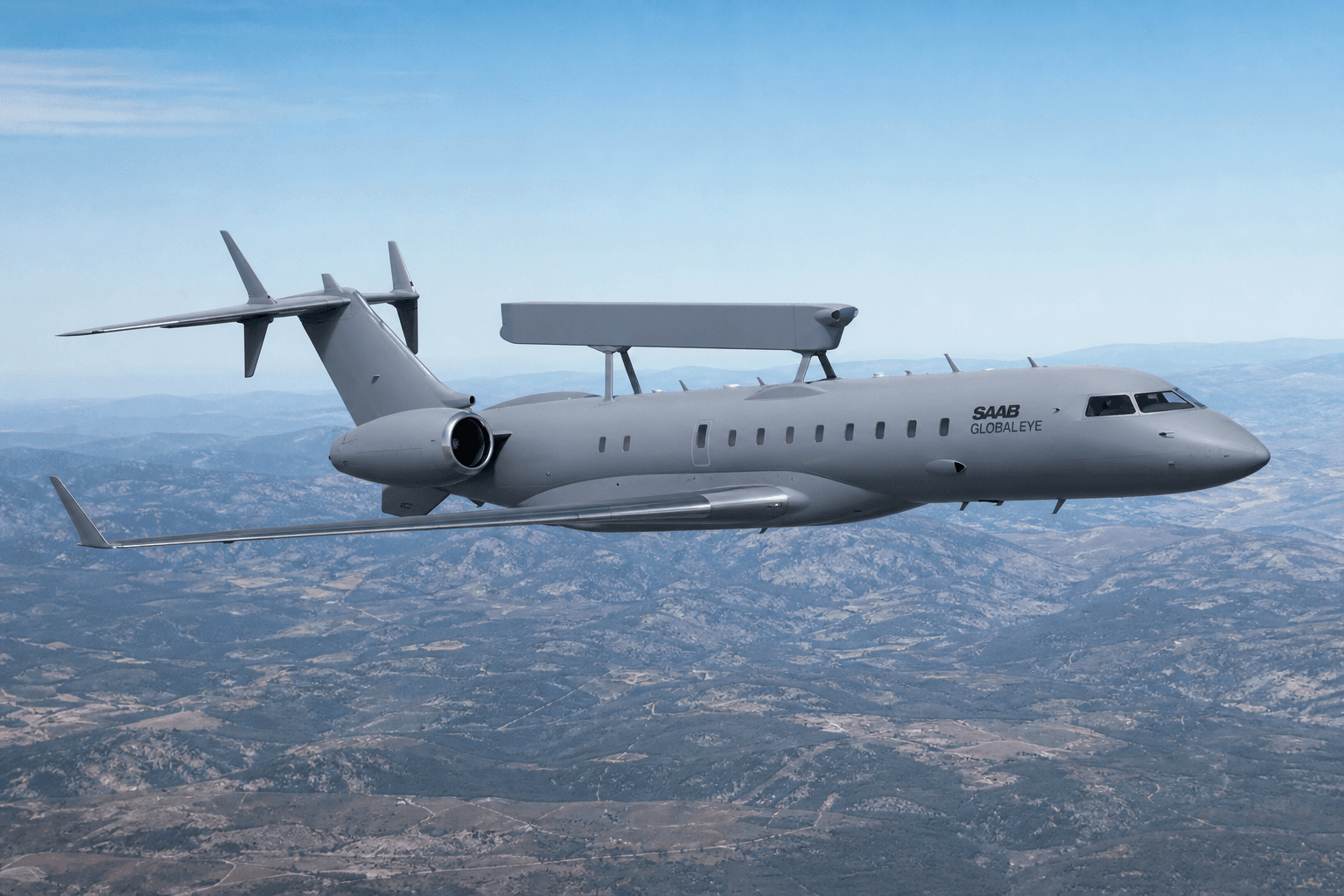
NATO to replace Boeing E-3A AWACS fleet with Saab GlobalEye aircraft
NATO is expected to announce plans to replace its aging Boeing E-3A Sentry AWACS fleet with Saab GlobalEye surveillance aircraft, Reuters…
The Daily Touch & Go
The day's best aviation news in your inbox. Free, no spam.