

Illustration: The Touch & Go
UK to invest £1.4bn in next-gen Stratus cruise missiles, ends Meteor upgrades
The UK Ministry of Defence commits substantial funding to the Stratus missile program, foregoing further upgrades to Storm Shadow and Meteor to focus on future weapons capabilities.
The gist
UK defense shifts investment to Stratus missile development, ending upgrades for Storm Shadow and Meteor.
Continuing coverage
All Uk →- Jet2 commits fully to CFM Leap-1A engines for entire Airbus A321neo fleet
- Passenger dies after alcohol-fueled altercation and restraint on Jet2 flight from Cyprus to UK
- UK confirms purchase of 12 F-35As to restore RAF nuclear strike role
- easyJet board agrees in principle to Castlelake's £5.2 billion acquisition bid
- EasyJet Board Signals Support for Castlelake Takeover Bid at £6.90 Per Share
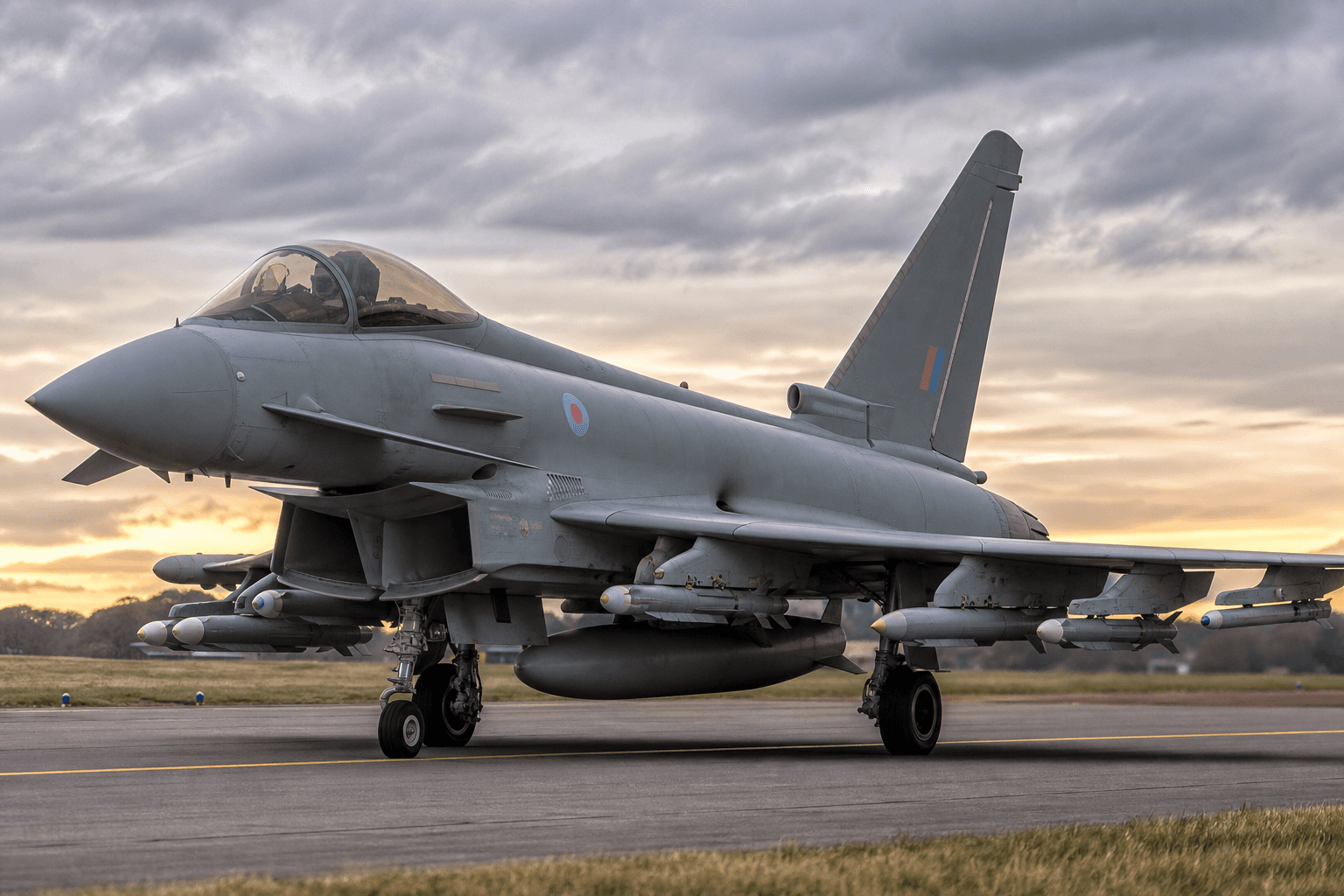
The UK Ministry of Defence (MoD) has announced a strategic pivot in its complex weapons investment, allocating £1.4 billion over four years towards the development of the Stratus family of cruise and anti-ship missiles. This move signals a deliberate choice to forego additional upgrades to current long-range air-launched weapons, including the Storm Shadow cruise missile and Meteor beyond-visual-range air-to-air missile. The funding allocation is part of the MoD's Defence Investment Plan (DIP) and aims to bolster both Royal Air Force (RAF) and Royal Navy strike capabilities through modernized and cost-effective missile systems.
The Stratus program, developed in cooperation with France and Italy, is designed to create a low-observable successor to the Storm Shadow missile. This stealthy new missile variant, known as the LO version, is intended to increase the Royal Air Force’s long-range precision strike options, particularly for aircraft such as the Eurofighter Typhoon, which currently carries Storm Shadow missiles. The UK’s investment also encompasses the RS variant of Stratus, tailored for use on Royal Navy frigates to enhance anti-ship strike capability.
The Defence Investment Plan explicitly recognizes the operational role played by Storm Shadow missiles, noting their origin in the 1990s and their significance in recent conflicts, including their deployment by the Ukrainian air force against Russian forces. Despite Storm Shadow’s proven utility, the MoD is prioritizing the next generation of missile technology, citing lessons learned from recent combat which emphasize the demand for more numerous and affordable cruise missiles to maintain operational effectiveness and cost efficiency.
In parallel, a comprehensive review of the Stratus program is scheduled for completion by 1 September. This review will evaluate all options relating to the future direction of the Stratus missile effort and will be conducted within a broader government-wide assessment of complex weapons systems. The goal is to ensure timely delivery of valuable capabilities within budget constraints, reflecting a heightened emphasis on fiscal responsibility and operational relevance.
While details about Meteor missile upgrades were not explicitly referenced in the DIP, a senior defence official confirmed that the UK will cease support for any mid-life enhancements to the Meteor beyond-visual-range air-to-air missile. Instead, the UK and France recently signed a memorandum of understanding to jointly study a successor to the Meteor. This study, slated for an initial 12-month duration, seeks to assess future air combat threats and develop missile concepts suited to emerging aerial warfare challenges.
The Meteor missile, co-developed by six European nations including the UK, France, Germany, Italy, Spain, and Sweden, currently equips both Typhoon and Rafale fighters. With this program concluding, attention is shifting to future air-to-air missile technologies that could incorporate advancements to meet anticipated threat landscapes, leveraging European collaboration and innovation.
Further investments highlighted in the Defence Investment Plan include continued integration of MBDA’s Spear 3 miniature cruise missile with the UK’s Lockheed Martin F-35 Lightning II fleet. Although Spear 3 integration was initially scheduled for the mid-2020s, it has been deferred to the Block 4 upgrade of the F-35 program. The target for operational introduction is now in the early 2030s, alongside broader investments in stand-off and long-range weapons for the Lightning Force, though specific details remain undisclosed.
This redirection of UK defense investment reflects a strategic assessment of long-term threats and evolving military needs, prioritizing missile quantity and technological advancement over incremental upgrades. By focusing on new missile families like Stratus and exploring successors to Meteor, the UK aims to sustain and enhance its complex weapons capabilities across both air and naval domains into the next decade.
Read more
All Military/Defense →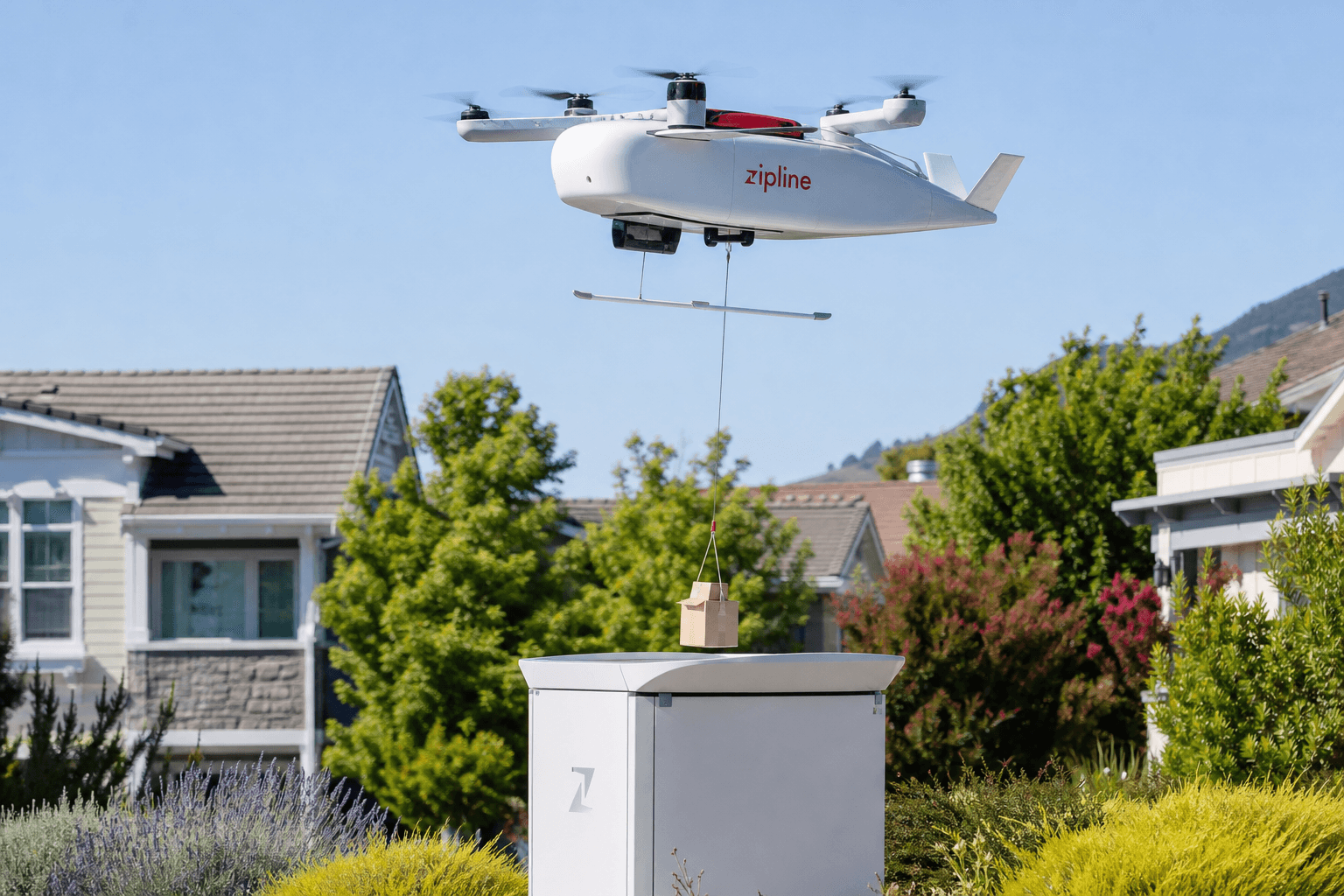
Uber, Zipline Aim for 1 Million Daily Drone Deliveries by 2029
App- and web-based delivery platforms from Walmart, Amazon, DoorDash, and now Uber are embracing small drones to slash trip times in a trend that could reshape low-altitude U.S. airspace. Uber on Monday announced it is partnering with drone manufacturer and operator Zipline, which is also a partner of Walmart and competitor Wonder , the parent company of Grubhub. By the end of 2029, Uber and Zipline hope to achieve a cadence of 1 million daily drone deliveries, with "goals to expand far beyond that." The partners said the first deployments will begin this year in Dallas, Houston, and other cities where Zipline already operates, expanding as the company scales to dozens of other areas. Zipline in a news release called the move "one of the biggest steps toward expanding Zipline's service to every home in the U.S." "Our goal is for millions of people to be able to order lunch, dinner, snacks, and more through the Uber Eats app and have them delivered by Zipline" in five to 10 minutes, the company said. In a show of confidence, Uber is also making a strategic investment of an undisclosed amount in Zipline. "We look forward to bringing this technology to more communities and making autonomous delivery part of everyday life," said Dara Khosrowshahi, CEO of Uber, in a statement. Zipline's Platform 2 (P2) drones, or Zips, cruise at about 70 mph with up to 8 pounds of cargo, capable of 24-mile, one-way trips or flying within a 10-mile service radius. At the delivery location, the drones unfurl a tether to lower orders—stored within a smaller "droid"—to the ground from as high as 300 feet. Zips are designed for hub-and-spoke or dock-to-dock operations, delivering to the customer's front yard or public locations such as a park. Store employees load orders into a container called a Dropbox , entering a code on a keypad to unlock a secure drawer. The Zip then lowers the smaller droid into the Dropbox and secures the order autonomously. Zipline began conducting medical drone delivery operations in Rwanda in 2016 and now serves more than 5,000 hospitals. It operates commercial on-demand and medical delivery services in Ohio, Arkansas, and Texas. The company said U.S. deliveries now make up about 70 percent of its volume. Beyond Zipline, Uber seeks to add an aerial element to its services in partnership with Joby Aviation, with which it is exploring commercial air taxi services beginning in the Middle East. Drone Delivery Set to Explode For years, ambitions of drone delivery were kept afloat by venture capital flowing to small startups or side projects of companies such as Amazon and Alphabet. The industry has since evolved from pilot programs to routine commercial services. The backing of platforms such as Uber could take it to new heights—with significant implications for low-altitude airspace. Uber's collaboration with Zipline pits it directly against rival DoorDash in the drone delivery business. In July, the latter revealed it is building its own delivery drone to complement the models it operates from Alphabet's Wing, Israel's Flytrex, and Ireland's Manna. DoorDash has explored U.S. drone delivery since 2024 but is now looking to bring more of those operations in-house, akin to Amazon's Prime Air unit that builds and operates its own drones. The company is putting the full weight of its DoorDash Labs automation division into developing an end-to-end network, including a software that determines which deliveries best lend themselves to drones. Wonder aims to add Zipline's drone delivery service to the majority of its Texas locations by the end of next year, and it recently trialled a service in New Jersey with partner Dexa. Walmart offers drone delivery from Zipline, Wing, and Flytrex through its app and website. Uber also works with Flytrex and is exploring the U.S. market in partnership with Manna. According to Uber, Zipline drones make a delivery every 20 seconds on average. The company says it has delivered over 20 million items across more than 2.5 million deliveries and 140 million miles flown. Achieving one million daily deliveries by 2029, though, will require even greater scale. Drone delivery operators represented by the Commercial Drone Alliance (CDA) and other lobbying groups are clamoring for the FAA's finalization of Part 108 , which would unlock routine operations beyond the visual line of sight (BVLOS) of humans. Instead, drones would rely on detect and avoid systems and uncrewed aircraft system (UAS) traffic management (UTM) platforms to keep operations safe. Part 108 would enable the scale the drone industry desires. But pilots have pushed back on some of the proposal's more permissive elements, such as the granting of right-of-way to drones over crewed aircraft in certain scenarios. The Air Line Pilots Association (ALPA) and others have expressed skepticism about the maturity of detect and avoid systems and their ability to prevent collisions. Proposed Part 108 reportedly moved to the federal Office of Information and Regulatory Affairs (OIRA) for review last month. That means the rule could be months or even weeks away from being finalized, and companies such as Uber and Zipline could soon face fewer restrictions on fully autonomous drone delivery.
Reliance and Rolls-Royce Collaborate to Develop Indigenous Engine for India's AMCA
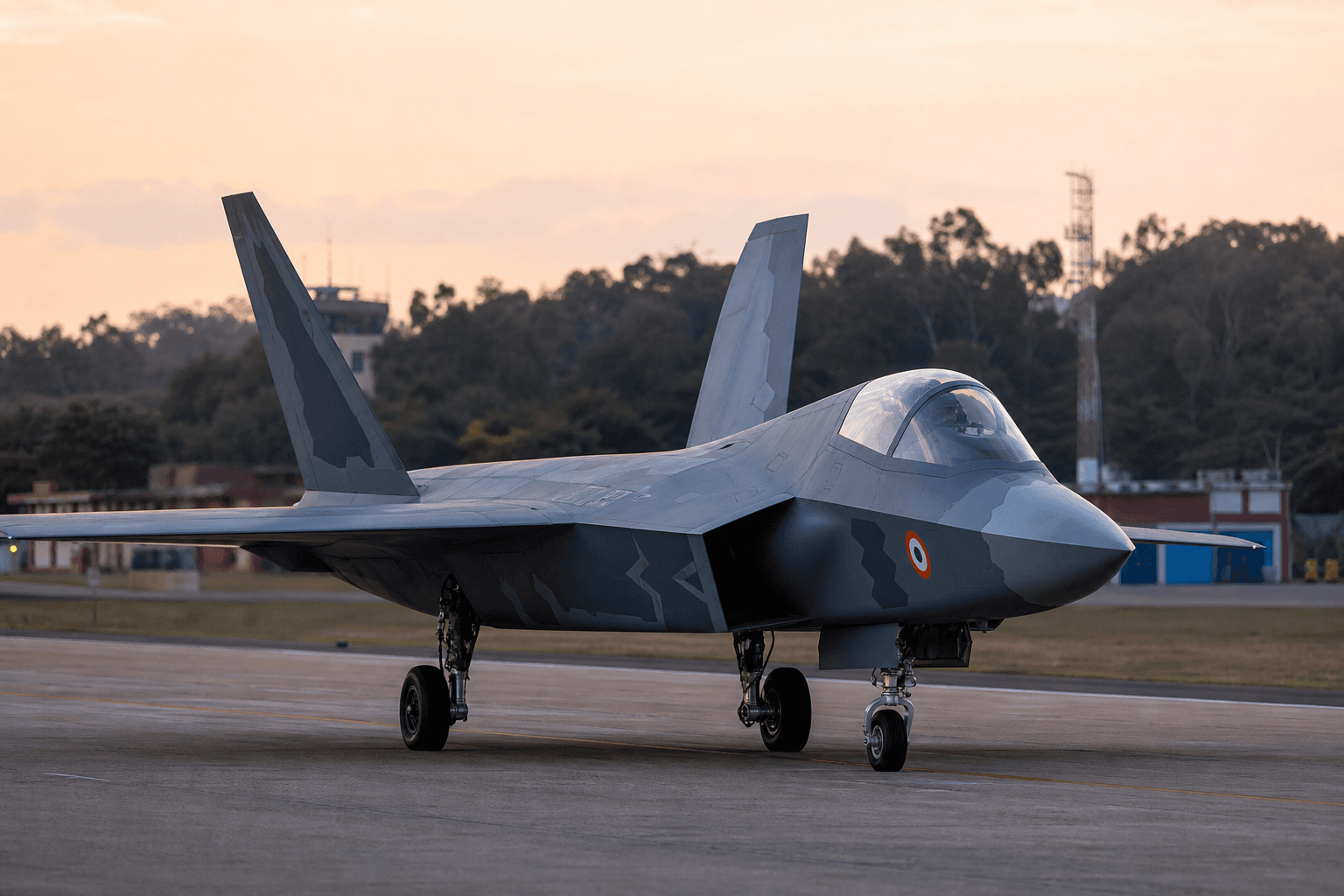
Partnership is a nod to India's desire to develop its local defence industry. Reliance and Rolls-Royce will explore the possibility of developing a fighter engine for India's planned Advanced Medium Combat Aircraft (AMCA). The two companies say they have a "strategic intent" related to designing, developing, manufacturing, and delivering an indigenous engine for the fighter. They will also explore a local production capability for the engine. "India's strategic autonomy requires sovereign capability in critical technologies," says Reliance Industries executive director Anant Ambani. "Our intent with Rolls-Royce is to combine their world-leading expertise in advanced propulsion with Reliance's technology, manufacturing, scale and execution capabilities to build an indigenous aero-engine ecosystem in India. Together, we aim to build an enduring national capability that can make India self-reliant and, over time, globally competitive in advanced propulsion technologies." AMCA has been on the drawing board for nearly two decades, with India's Aeronautical Development Agency (ADA) leading the programme. In May 2025, New Delhi cleared a plan that will allow private sector players to bid to work with ADA developing the jet: in the past, state-owned Hindustan Aeronautics (HAL) would have been tapped as the exclusive developer. Initially, AMCA will be powered by a pair of GE Aerospace F414 INS-6 engines, with later tranches of the aircraft to be powered by a locally developed engine. In June 2023, GE Aerospace and HAL entered a memorandum of understanding for the potential production of F414s in India. Indian media reports indicate that Safran has also shown interest in a future AMCA engine. The design phase for AMCA ran between 2019-2024, and the formal development effort is to run over 10 years, with five prototypes to be built. Plans call for the first production aircraft to be delivered in 2036. The aircraft marks India's first attempt to develop a low observable aircraft, with the air force hoping to obtain 120 examples.
Davis-Monthan Air Force Base Ends Five Decades of A-10 Pilot Training as Focus Shifts to F-35
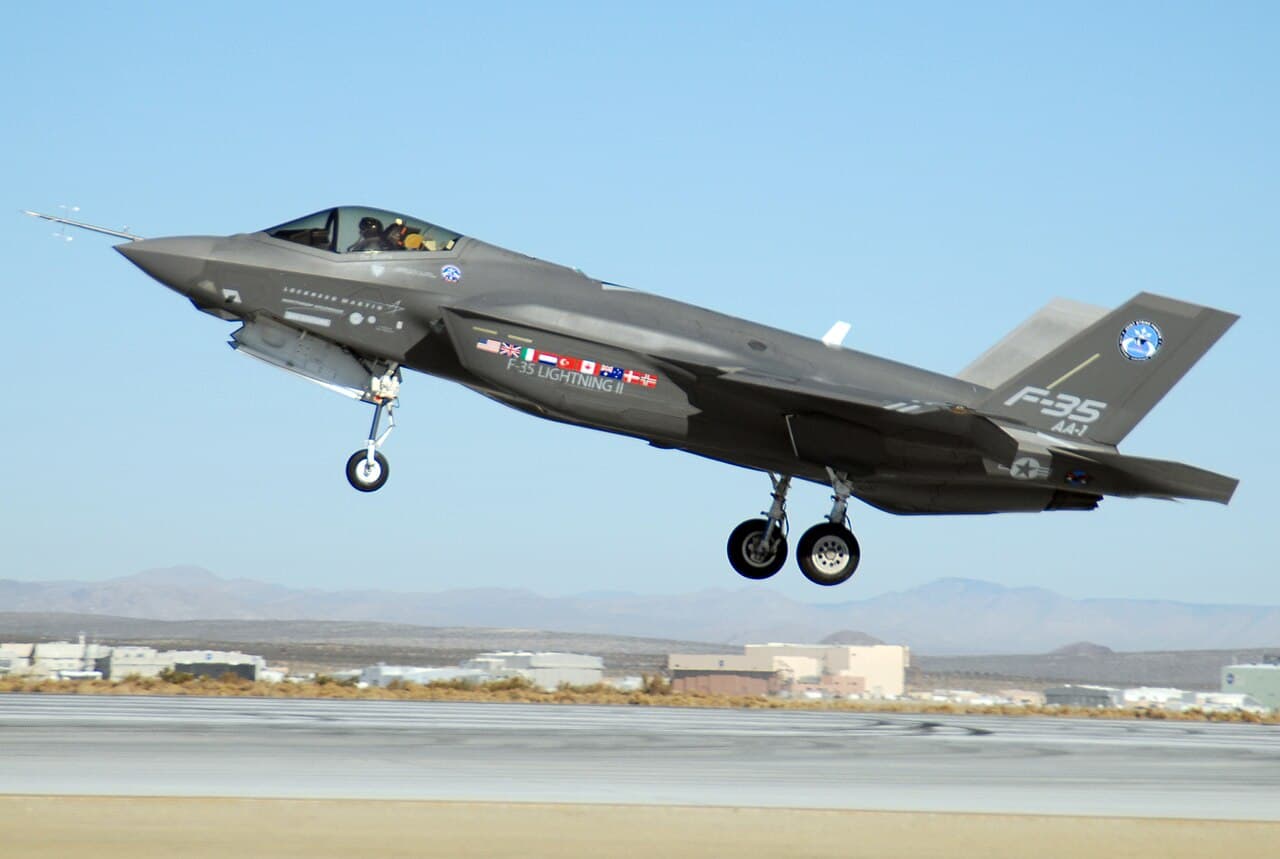
In April 2026, the US Air Force closed the training pipeline that had produced every Fairchild Republic A-10 pilot it ever fielded. The 357th Fighter Squadron graduated its last class of Thunderbolt II students at Davis-Monthan Air Force Base in April. That same week, and at that same base, an A-10 flying combat search and rescue escort over Iran took enemy fire, kept flying, and helped bring a downed fighter pilot home before its own pilot was forced to eject over Kuwait.
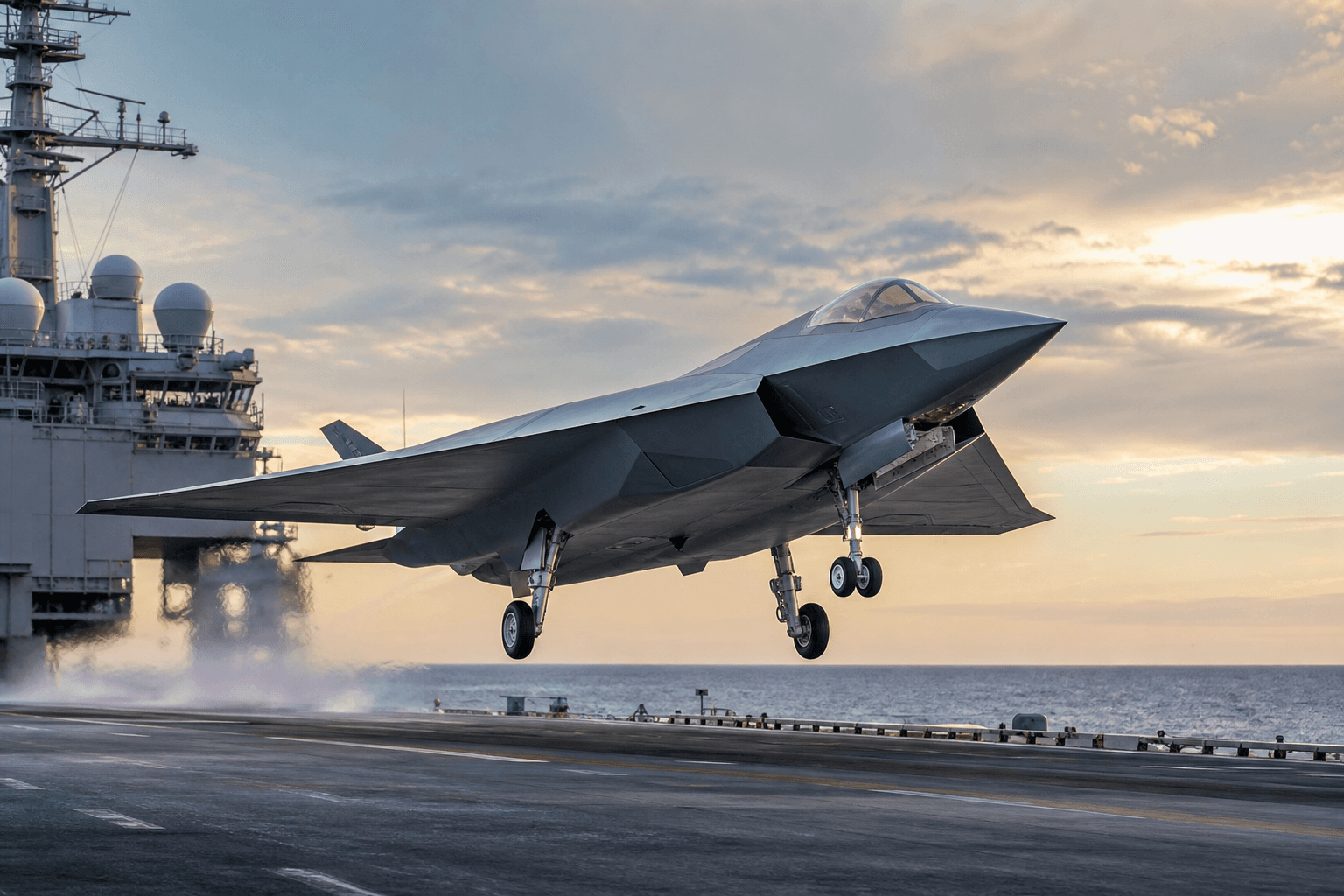
Congress Boosts US Navy Sixth-Gen Fighter Budget From $74M to $971M to Accelerate F/A-XX Development
As the United States races towards its first sixth-generation fighter jet, the Next Generation Air Dominance Program of the US Air Force has taken the spotlight, but it is not the only endeavor underway. The US Navy F/A-XX stealth carrier fighter was expected to be shelved, but lawmakers decided to resuscitate the program with an enormous funding injection.
The Daily Touch & Go
The day's best aviation news in your inbox. Free, no spam.