

Illustration: The Touch & Go
Air Canada Expands US Widebody Flights by 35% This Summer on Key Routes
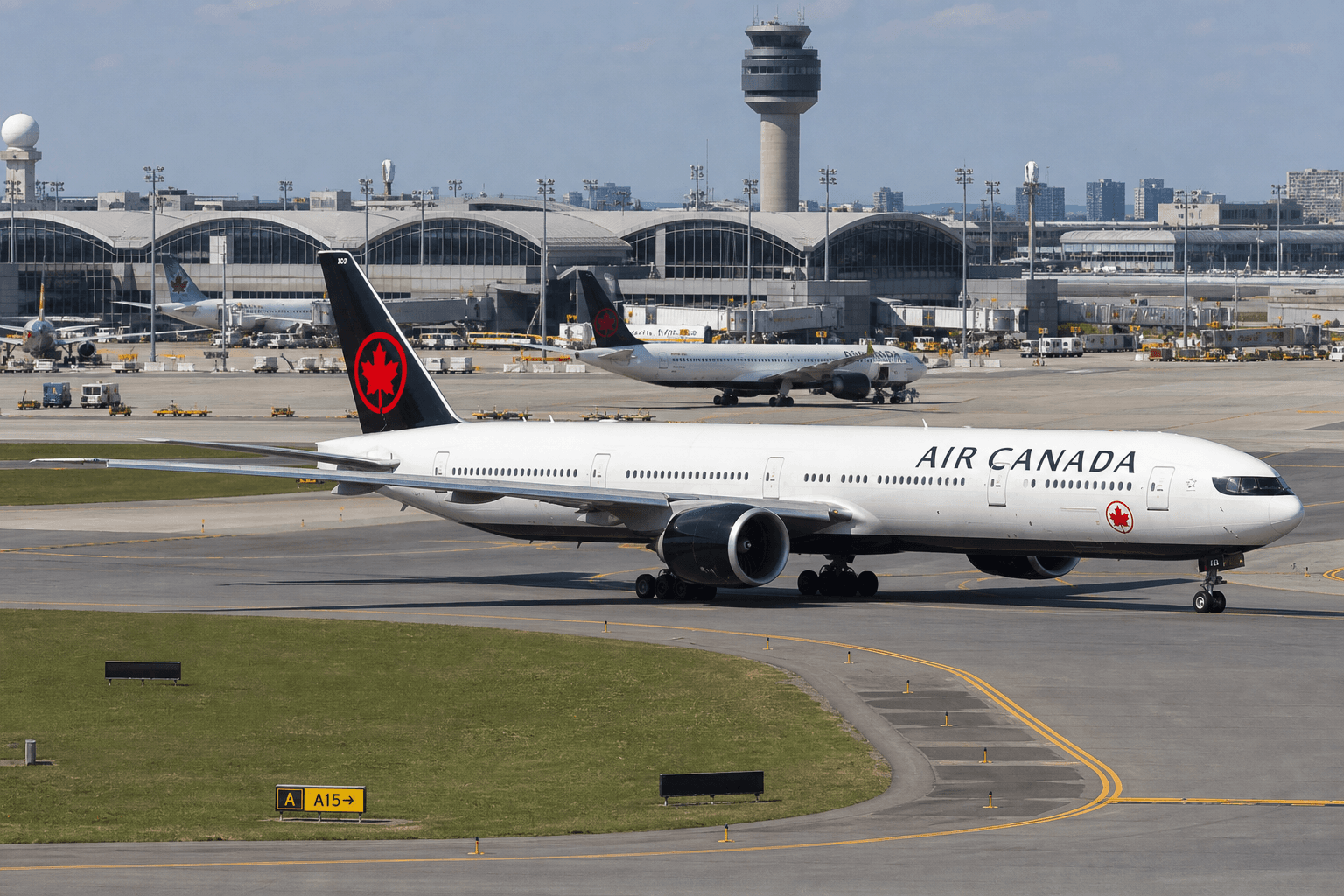
Air Canada is boosting its widebody aircraft services to the United States by 35% in Q3 2026, focusing on Vancouver-Newark and Toronto-Los Angeles routes this summer season.
The gist
Air Canada hikes widebody US flights 35% in summer 2026, enhancing capacity on Vancouver-Newark and Toronto-Los Angeles corridors.
Continuing coverage
All Air Canada →- Five Airlines Shift Long-Haul Routes From Widebodies to Airbus A321XLR in 2026
- Air Canada Picks 16 Airbus A350-1000s Over Delayed Boeing 777X for Long-Haul Fleet Renewal
- Air Canada Sets New Q2 Revenue Record Despite Rising Fuel Costs and Operational Hurdles
- Air Canada Faces Backlash Over Losing Passenger's Husband's Ashes and $200 Voucher Offer
- Air Canada posts solid Q2 results as global carriers announce fleet and route shifts
Air Canada is significantly increasing its widebody flight operations to the United States this summer, marking a 35% rise in transborder widebody flights compared to last year. This growth is concentrated on two primary routes: Vancouver to Newark and Toronto to Los Angeles. The Canadian flag carrier will operate 188 one-way widebody flights during the busy Q3 2026 period, up from 139 flights in the same quarter in 2025, signalling a strategic push into higher capacity transborder services.
On the Vancouver to Newark route, Air Canada operates daily Boeing 787-9 Dreamliner services covering nearly 3,000 miles between the west coast of Canada and the New York metropolitan area. These flights typically depart Vancouver in the morning and arrive in Newark later in the afternoon, offering convenient schedules for both business and leisure travelers. Competition on this route includes JetBlue's year-round Vancouver to JFK service and seasonal Newark flights by United Airlines, positioning Air Canada competitively with its widebody capacity.
The Toronto to Los Angeles corridor sees Air Canada's most frequent widebody deployments this summer, with up to two flights per day using a mix of Boeing 787-8, 787-9, and 777-200LR aircraft. This route is among the busiest transborder links from Toronto Pearson, with flights spanning approximately 2,170 miles and taking up to five hours. Besides Air Canada's widebody options, Porter Airlines also serves the route with Embraer E195-E2 regional jets, emphasizing the route's strong demand.
Historically, Air Canada's widebody US transborder operations peaked significantly prior to the pandemic. In 2022, they operated 452 widebody flights to the US, which was less than half of their all-time high of 1,254 in 2019. This summer's 188 flights suggest a cautious but steady recovery toward pre-pandemic widebody transborder capacity levels. The absence of Montreal to Los Angeles Airbus A330-300 widebody services this year indicates a refocus on the Vancouver and Toronto hubs for widebody utilization.
The increase in widebody usage on these North American routes is notable because such aircraft are typically reserved for long-haul international service or heavily trafficked domestic routes within large countries. Air Canada's deployment of 787 and 777 widebodies enhances passenger comfort and operational flexibility, potentially accommodating higher premium cabin demand and connecting traffic flows.
Air Canada's strategic emphasis on Los Angeles also underscores LAX's role as a major international hub for onward connections to Mexico, Asia, and the Pacific Rim. By bolstering frequency and aircraft size on the Toronto-LAX route, Air Canada is optimizing its network feed into global markets. Vancouver to Newark likewise connects passengers to the New York metro region, a major business and travel center.
As travel demand between Canada and the US continues to recover, carriers like Air Canada appear to be recalibrating their fleet deployment to balance capacity with evolving market conditions. This recalibration includes growing widebody operations on select key routes where demand justifies larger aircraft, while other routes may revert to smaller narrowbody aircraft or reduced frequency.
The airline's gradual scaling up of widebody transborder flights can be seen as part of broader network and fleet management amid shifting post-pandemic travel trends. These moves cater to passengers seeking enhanced in-flight comfort and those connecting onward internationally, while also signaling confidence in sustained US-bound demand from Canadian gateways in Vancouver and Toronto.
Read more
All Airlines →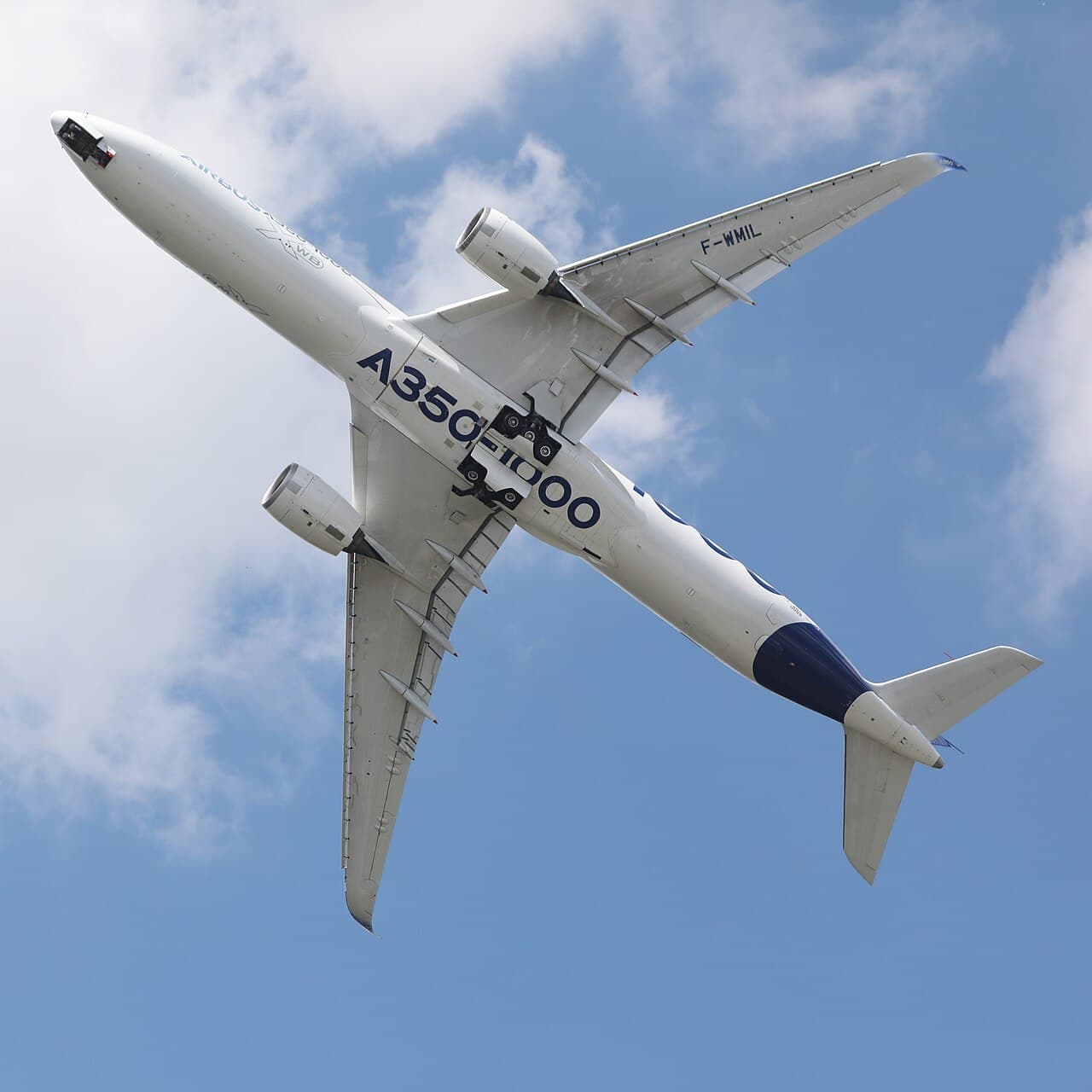
Air Canada Picks 16 Airbus A350-1000s Over Delayed Boeing 777X for Long-Haul Fleet Renewal
For nearly two decades, the Boeing 777-300ER has been at the very heart of Canada's flagship carrier, dominating long-haul routes from Toronto Pearson International Airport (YYZ) and Vancouver International Airport (YVR) across the Pacific and Atlantic oceans. When it came time to plan its flagship fleet successor for the decade ahead, Air Canada turned away from Seattle and placed its faith in the rival company Airbus . The airline confirmed a firm commitment for eight Airbus A350-1000s , with purchase rights for eight additional aircraft, bypassing Boeing's delayed 777X program to opt for European composite-twin technology for its next era of international expansion.
Boeing 787 vs Airbus A330neo: Cost, Orders, and Operating Efficiency Compared
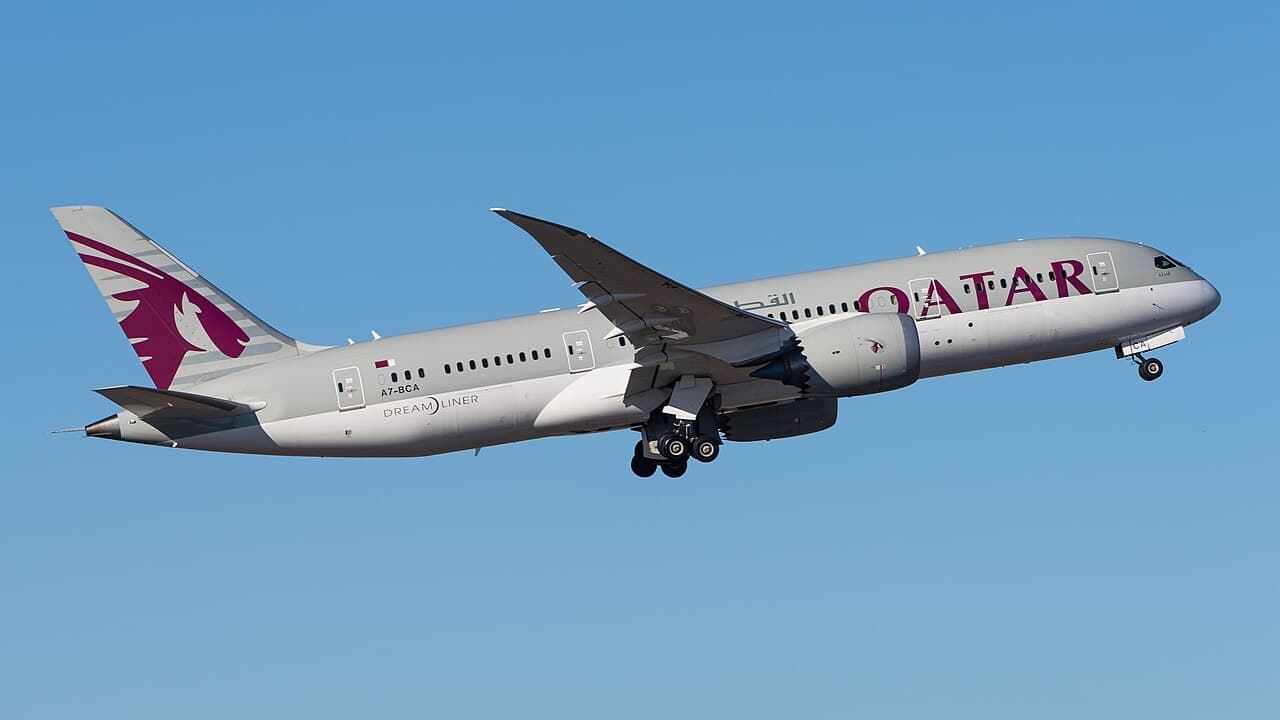
The current commercial aviation landscape is dominated by Boeing and Airbus . The two companies directly compete for contracts with the world's largest aircraft operators, and has resulted in an effective duopoly since the 1990s. Today, the Airbus A330neo family and Boeing 787 Dreamliner family compete for market share in the mid-sized widebody category.
Air Canada Sets New Q2 Revenue Record Despite Rising Fuel Costs and Operational Hurdles
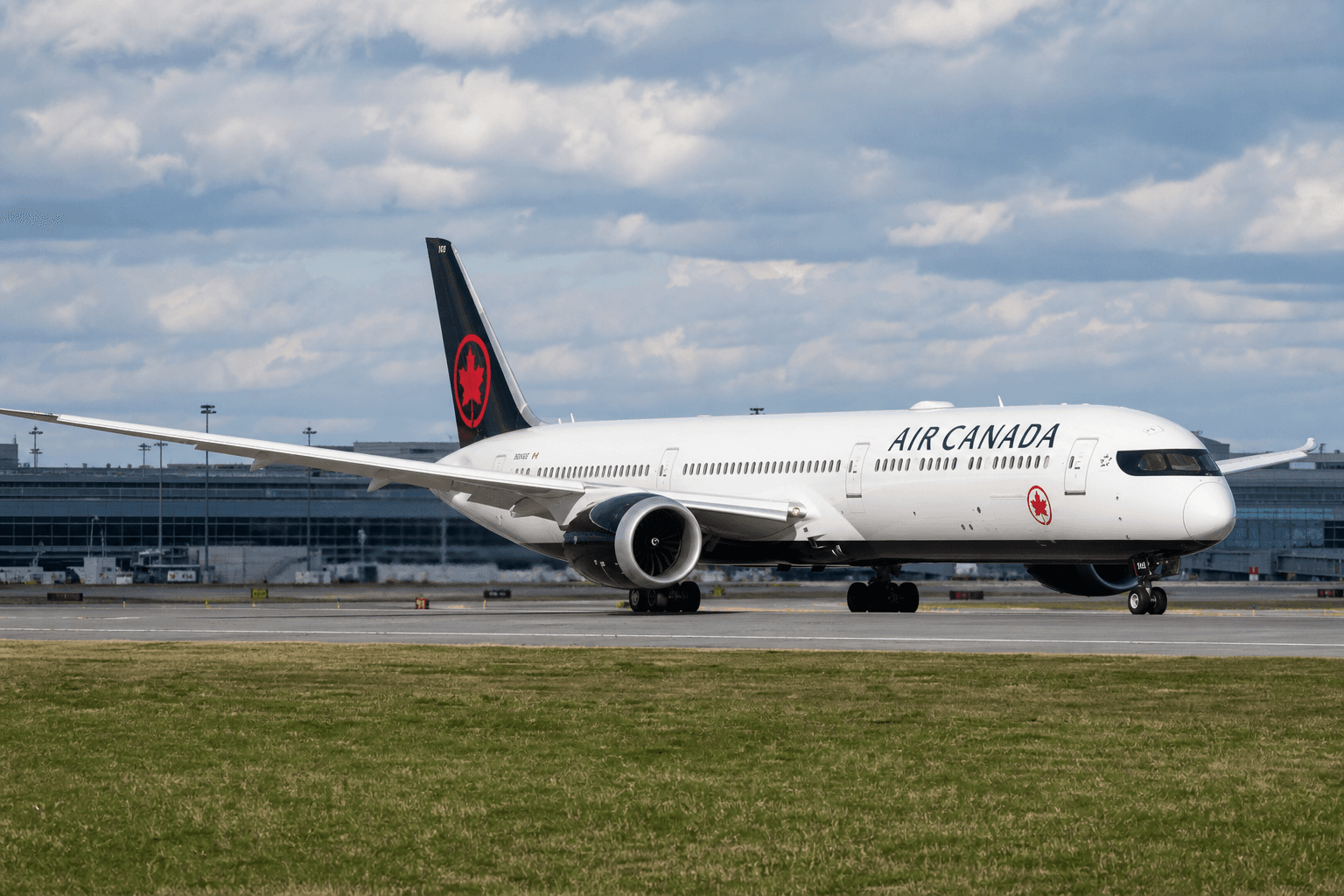
Air Canada reported strong second-quarter 2026 results driven by solid demand. The airline achieved record operating revenues of $6.3 billion. This marked an 11 per cent rise from the same period last year. ezstandalone.cmd.push(function () { ezstandalone.showAds(119); }); Demand stayed robust across the network. Premium and corporate travel performed well. Sixth Freedom traffic also contributed. Capacity grew just 0.3 per cent year over year. Weather disruptions in the later part of the quarter limited flight completion rates. This kept capacity slightly below the lower end of guidance. ezstandalone.cmd.push(function () { ezstandalone.showAds(127); }); Key Financial Highlights Adjusted EBITDA reached $719 million. This sat at the top end of the company’s second-quarter guidance range. The result came despite a 49 per cent jump in fuel expense. Operating expenses totalled $6.481 billion. This led to an operating loss of $215 million. The loss included $388 million in labour-related and other charges. ezstandalone.cmd.push(function () { ezstandalone.showAds(128); }); On an adjusted basis, the picture looked stronger. Air Canada posted adjusted pre-tax income of $77 million. Adjusted net income stood at $114 million, or $0.40 per diluted share. The reported net loss was $178 million, equal to $0.63 per diluted share. Adjusted CASM came in at 15.47 cents. Cash generation remained healthy. Net cash flows from operating activities totalled $651 million. Free cash flow reached $174 million. The airline used $125 million to repurchase more than six million shares. Its net leverage ratio held steady at 1.7.CEO ezstandalone.cmd.push(function () { ezstandalone.showAds(129); }); Photo Credit: Air Canada Comments on Performance President and Chief Executive Officer Michael Rousseau highlighted the quarter’s strengths. “Air Canada delivered record second-quarter operating revenues… supported by strong demand across our network,” he said. He pointed to diversified revenue sources, effective pricing, and focus on controllable costs. Rousseau also thanked employees for their commitment. He noted the company’s solid cash position and balance sheet. These factors support investment and shareholder returns. Looking ahead, Rousseau expressed confidence. He cited resilient premium and corporate demand, fare actions to offset fuel volatility, and disciplined cost control. ezstandalone.cmd.push(function () { ezstandalone.showAds(130); }); He also mentioned Anko van der Werff as his announced successor and the path toward an investment-grade rating in the mid-term. Photo Credit: Air Canada Updated Full-Year Guidance Air Canada reinstated and updated its full-year 2026 outlook. Adjusted EBITDA is now expected between $2.9 billion and $3.2 billion. This is lower than the previously suspended range of $3.35 billion to $3.75 billion. Capacity growth is forecast at 2.25 per cent to 3.25 per cent versus 2025. Adjusted CASM should rise 5 to 6 per cent from 2025 levels. Free cash flow is projected between $200 million and $500 million. ezstandalone.cmd.push(function () { ezstandalone.showAds(131); }); Assumptions include modest Canadian GDP growth and continued demand trends. The Canadian dollar is expected to average C$1.41 per U.S. dollar. Jet fuel is assumed at about C$1.38 per litre in the third quarter and C$1.29 in the fourth. The company plans to offset a significant portion of higher fuel costs through pricing and hedging. It also assumes $1 billion from planned sale-and-leaseback transactions in 2026. Longer-Term Outlook Air Canada continues to target operating revenues of approximately $30 billion by 2028. It aims for an adjusted EBITDA margin of at least 17 per cent that year. Aspirations for 2030 include further margin gains and strong free cash flow generation. ezstandalone.cmd.push(function () { ezstandalone.showAds(132); }); The results show Air Canada navigating higher fuel costs and one-time charges while capturing strong travel demand. Management remains focused on cost control, cash generation, and long-term value creation.
American Airlines Launches Six New Transatlantic Routes from US Hubs to Europe
American Airlines has added six new or returning nonstop transatlantic routes to its network in 2026, linking three major US hubs with European destinations. The routes connect some major US hubs with Scotland, Italy, Greece, Hungary and the Czech Republic. Launched between March and May, the services form part of American's largest summer schedule yet and strengthen its position across the Atlantic.
The Daily Touch & Go
The day's best aviation news in your inbox. Free, no spam.