

Illustration: The Touch & Go
Air Canada's A321XLR Features 14 Business Seats Without Premium Economy to Boost Route Flexibility
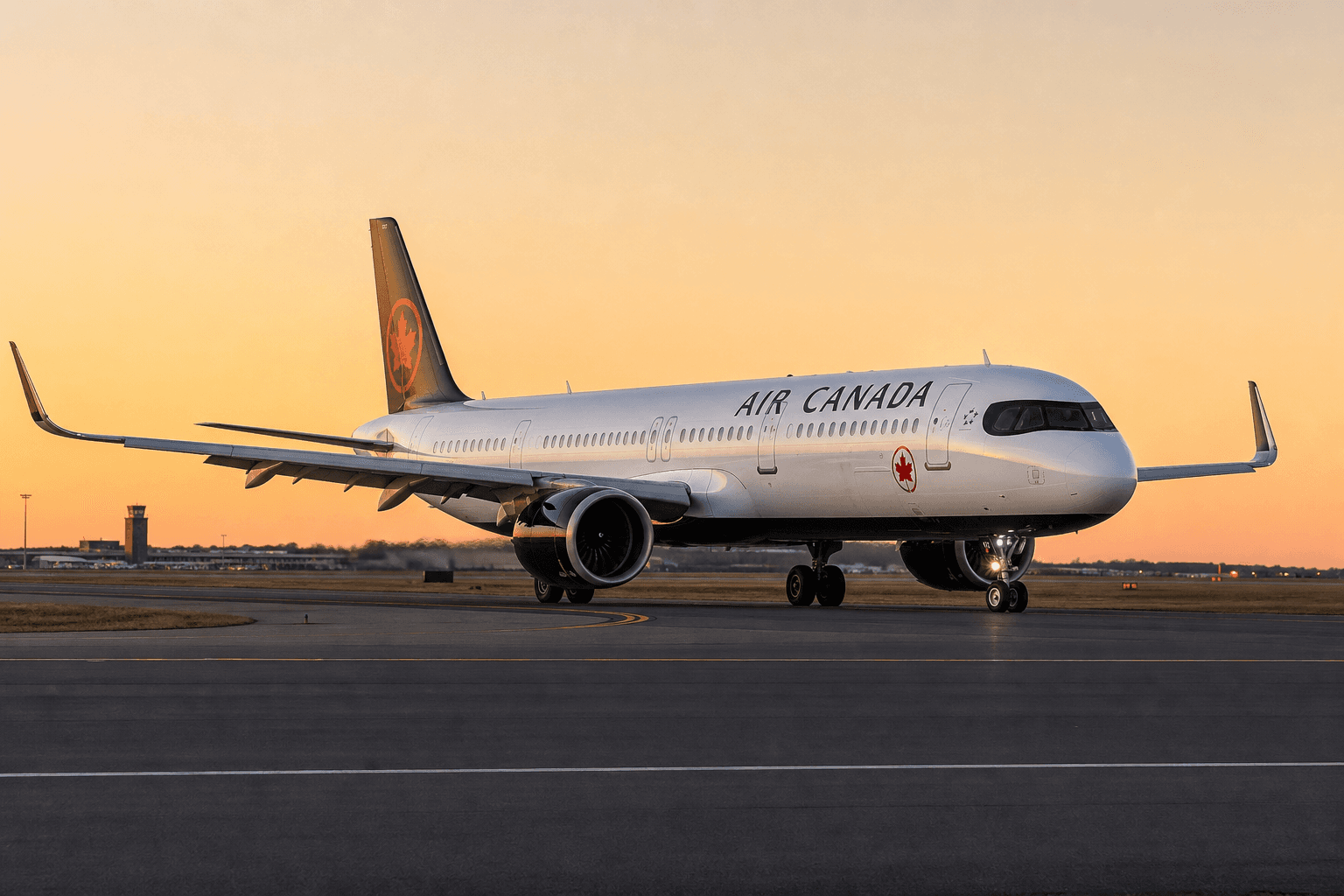
Air Canada's newly delivered Airbus A321XLR sports a simplified interior with 14 business class suites and no premium economy cabin, reflecting a strategic focus on flexible route development.
The gist
Air Canada's Airbus A321XLR adopts just 14 business seats and no premium economy, prioritizing flexible economy seating and efficient route growth.
Continuing coverage
All Air Canada →- Air Canada launches new long-haul routes to Tenerife and Sapporo for 2026/27 winter
- United Airlines Allows Flight Attendants to Drink Alcohol While Deadheading Under Strict Conditions
- Air Canada Aeroplan and World of Hyatt Launch New Status and Points Partnership
- Air Canada and IAMAW Reach Tentative Four-Year Deal Covering 11,000 Maintenance Workers
- Air Canada Debuts Speedy City Shuttle Linking Downtown Montréal with Montréal-Trudeau Airport
Air Canada took delivery of its first Airbus A321XLR in April 2026, marking a notable step in its long-haul narrowbody fleet evolution. Unlike many carriers opting for premium-heavy cabins on this aircraft, Air Canada has installed only 14 business class suites and eliminated a dedicated premium economy cabin, instead offering a large economy section. This configuration choice is drawing attention as it contrasts with other North American carriers pursuing more premium layouts on similar aircraft.
The Airbus A321XLR was designed to enable long, thin routes that cannot sustain widebody jets, and Air Canada’s cabin design reflects a clear strategic approach. The airline’s 182-seat configuration includes 14 seats in its Signature Class business cabin with fully lie-flat suites, complemented by 168 economy seats. Notably absent is a separate premium economy class, a segment growing strongly for many global carriers over the past decade.
This simplified two-class setup aligns with a European style of configuring the A321XLR rather than the North American trend. Airlines like Iberia and Aer Lingus have also adopted layouts that omit premium economy, opting instead for a smaller premium cabin and expansive economy seating. This approach facilitates operational flexibility and reduces the complexity and costs associated with managing a middle cabin class.
Rather than a separate premium economy cabin, Air Canada offers 36 Preferred+ seats within economy, providing an economy seat with extra legroom and comfort compared to standard economy seats. These seats feature 34 to 35 inches of pitch, versus 31 inches in regular economy, delivering a noticeably roomier experience that can be sold flexibly as an upgrade or regular economy fare depending on demand.
This decision was influenced by operational factors. Managing a dedicated premium economy cabin entails distinct inventory control, differentiated service standards, specific catering, and standalone pricing. Air Canada’s Preferred+ product embedded within economy allows for more dynamic pricing and seat allocation across seasonal fluctuations, an important factor on the types of secondary transatlantic routes it intends to operate with these aircraft.
The airline’s route plans shed light on this cabin choice. The A321XLR will serve non-primary European destinations such as Toulouse, Nantes, and Berlin from Montréal–Trudeau International Airport. Such markets typically generate leisure and visiting friends and relatives traffic rather than a large, consistent base willing to pay premium economy fares year-round. The modest business class cabin and flexible Preferred+ seating optimize capacity and revenue without overcommitting to premium product.
By deploying a smaller, right-sized aircraft instead of larger widebodies like the Boeing 787 or Airbus A330, Air Canada can better match seat supply to demand on these thin routes. The A321XLR’s range and efficiency allow the airline to open new long-haul city pairs while controlling capital and operating costs. This cabin layout enables the airline to spread costs over more economy passengers, while still capturing some premium-class revenue from business travelers.
This contrasts markedly with American Airlines and United Airlines, which outfit their A321XLRs with larger premium cabins and include dedicated premium economy seating, positioning the aircraft as a miniature widebody. Air Canada’s configuration underscores a philosophy of using the A321XLR more as a strategic tool for network development rather than a premium-focused product.
In summary, Air Canada’s cabin design for the A321XLR signals a sharp focus on operational flexibility and route economics over maximizing premium seat count. Offering premium services like lie-flat business while maintaining broad economy capacity with upsell potential allows the airline to efficiently serve emerging markets and seasonal leisure demand without the fixed costs and complexity of a full premium economy cabin.
Read more
All Airlines →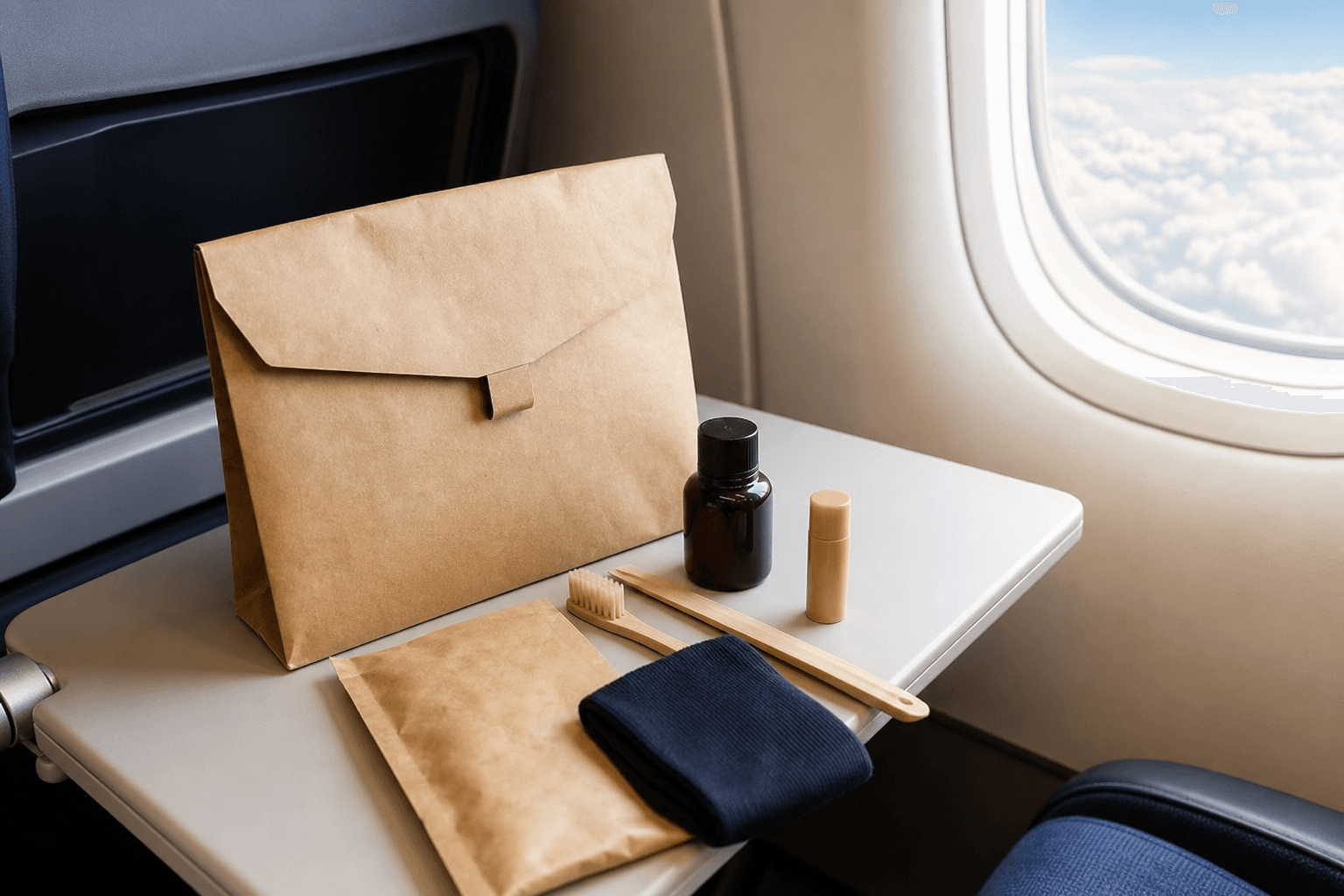
Top 5 Airlines Offering Best Premium Economy Amenity Kits in 2026
In the fiercely competitive landscape of long-haul aviation, the battle for passenger loyalty has moved beyond just legroom and seat pitch. The soft product, or the tangible extras that accompany your flight, has become a primary differentiator for travelers looking to maximize the value of a premium economy ticket. A generous amenity kit is now a physical manifestation of an airline's commitment to your comfort during a 12-hour flight .
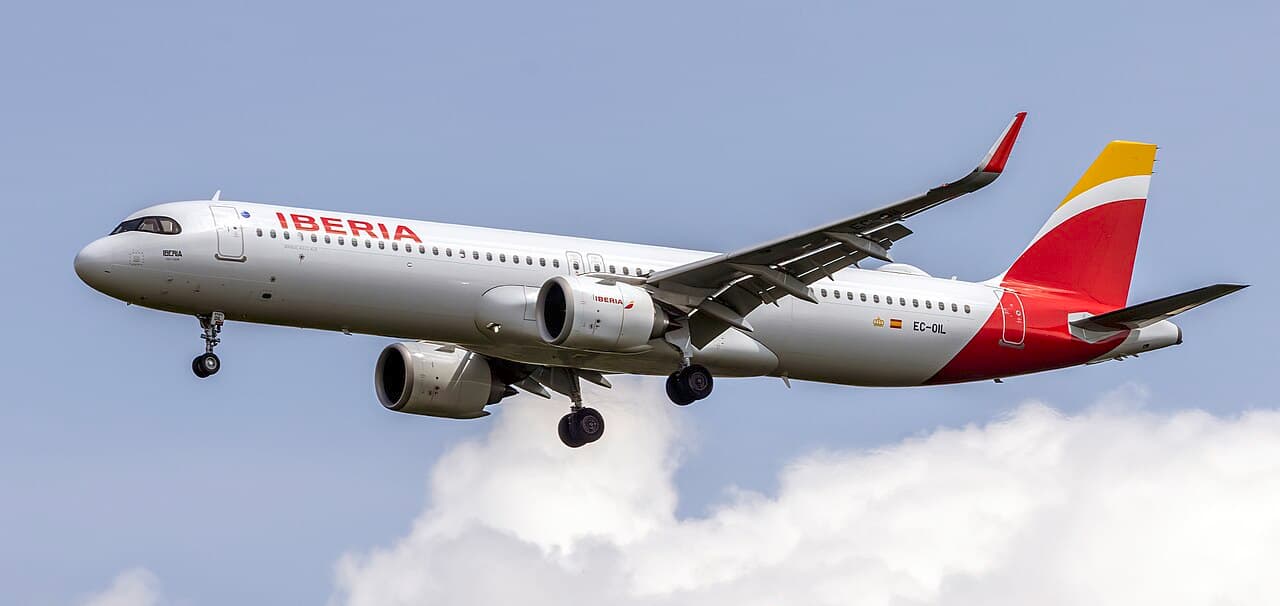
Qantas Postpones First Airbus A321XLR International Flight to February 2027
Each week, airlines worldwide submit schedule changes to Cirium Diio, OAG , and elsewhere. In the latest update, Qantas confirmed a notable change to its inaugural international service aboard the Airbus A321XLR. The launch date has been pushed back to next year.
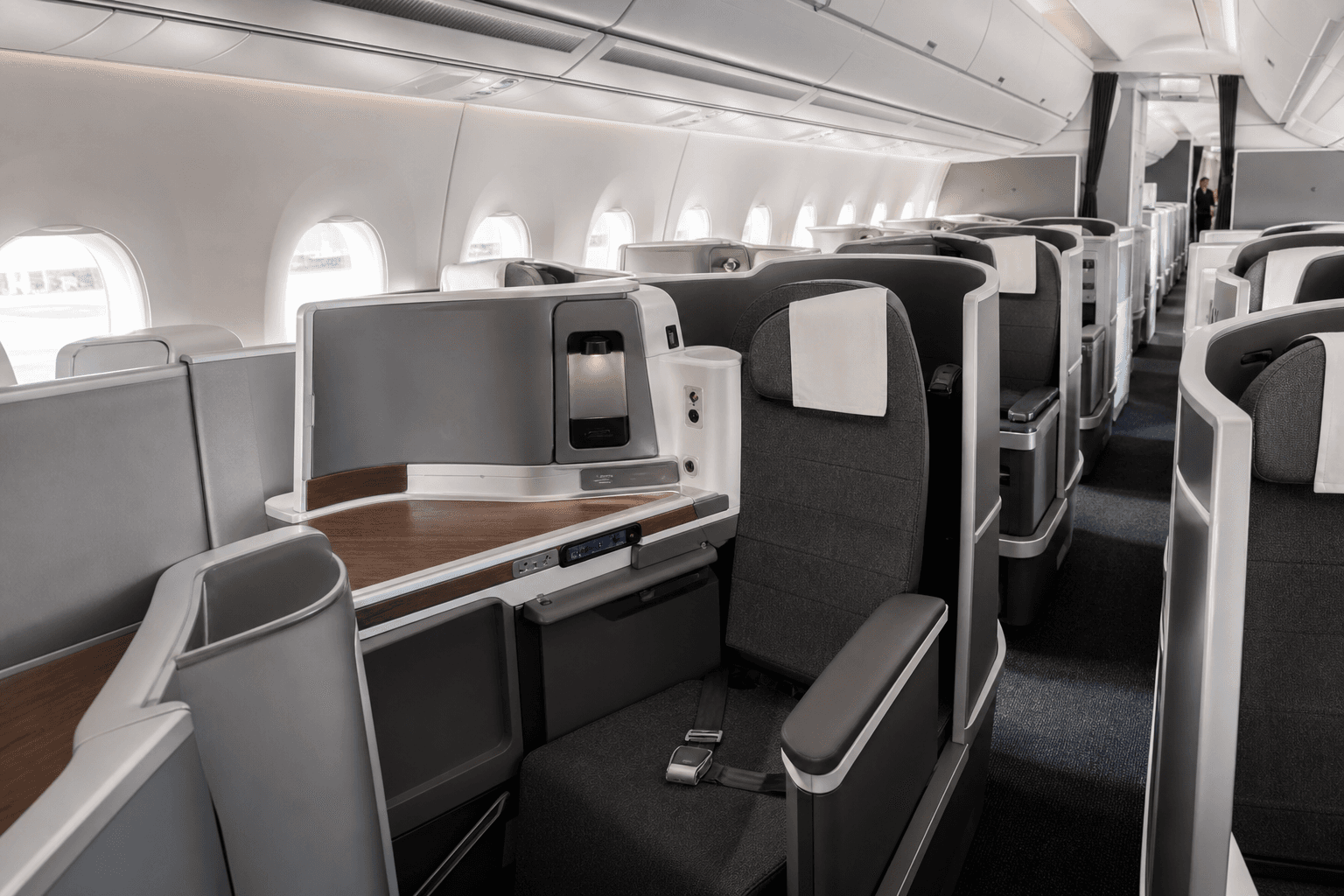
Airbus A350 Business Class Narrows Gap on First Class Value Despite Price Premium
The Airbus A350 has become one of the world's premier long-haul airliners, serving flagship routes for airlines across Europe, Asia, the Middle East, and North America. Alongside its quieter cabin, lower cabin altitude, higher humidity levels, and wider fuselage, the aircraft has also become a showcase for some of the aviation industry's most advanced premium cabins.
Boeing Delivers 53 Jets in July Amid Airbus Lead in 2026 Production Race
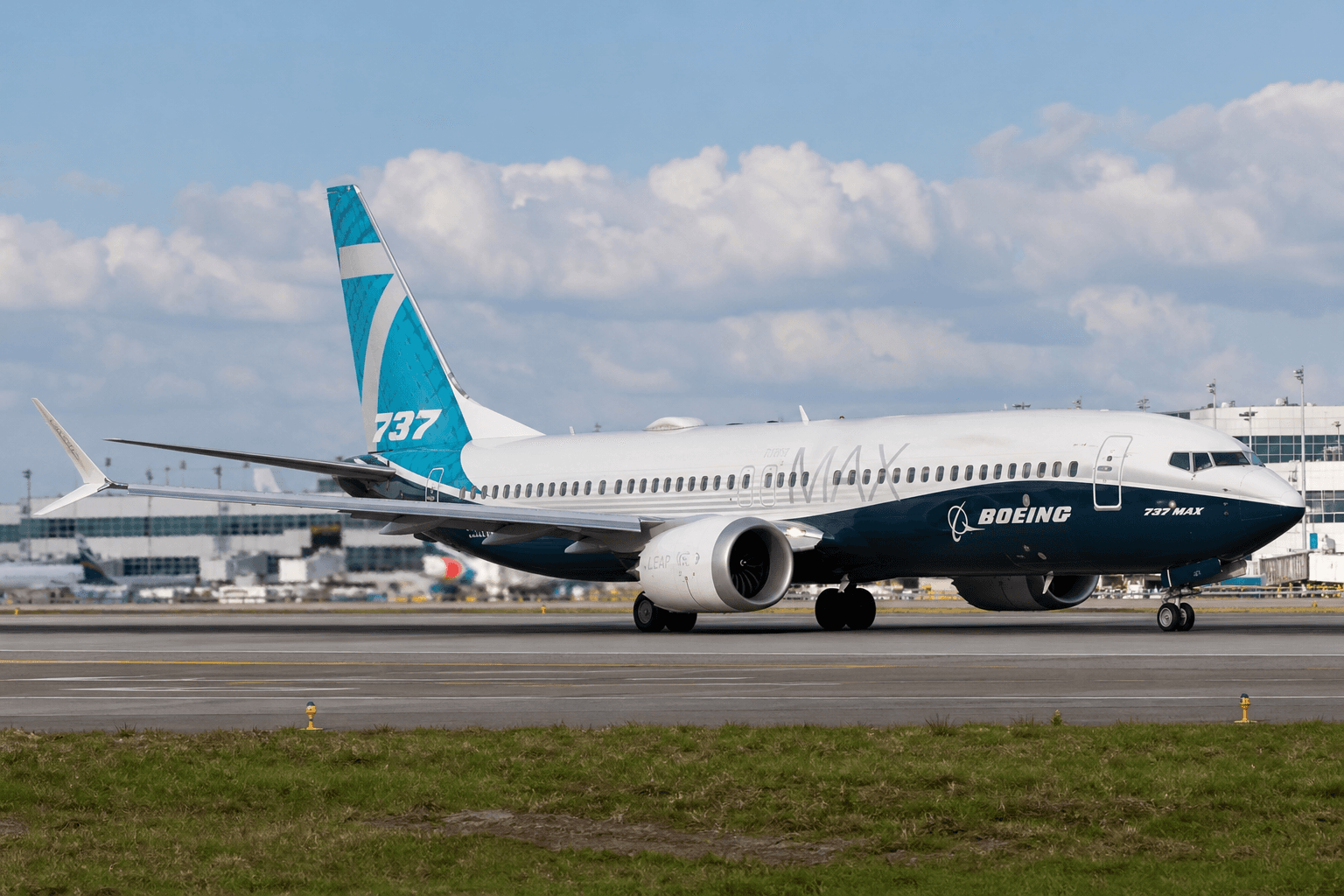
Boeing handed over 53 commercial airplanes in July 2026. The total marks steady progress in the company’s recovery. It also highlights ongoing competition with rival Airbus. ezstandalone.cmd.push(function () { ezstandalone.showAds(119); }); The deliveries included 39 Boeing 737 MAX jets and 10 787 Dreamliners. Boeing also delivered three 767s and one 777 Freighter. These numbers come from the company’s monthly orders and deliveries report. Modest Gain for Boeing, Clear Lead for Airbus July’s total rose about 10 percent from the same month last year. In July 2025, Boeing delivered 48 airplanes. That earlier figure included 37 MAX jets and eight 787s.Still, the July 2026 result fell short of recent highs. ezstandalone.cmd.push(function () { ezstandalone.showAds(127); }); Boeing delivered 60 planes in May and 64 in June. Production timing and customer readiness can cause these monthly swings. Airbus outpaced Boeing in July . The European manufacturer delivered 67 aircraft to 39 customers. That figure included a strong mix of A320-family jets plus several A220s and A350s. ezstandalone.cmd.push(function () { ezstandalone.showAds(128); }); Year-to-date through July 31, the gap remains clear. Airbus has delivered 418 planes. Boeing has delivered 367. Airbus continues to hold the monthly and cumulative lead. Photo Credit: Boeing Boeing’s Production Focus Boeing continues to raise 737 MAX output. The company aims to stabilize rates near 47 jets per month. Regulators earlier lifted tighter limits after past safety issues. The higher pace supports backlog reduction and customer needs. ezstandalone.cmd.push(function () { ezstandalone.showAds(129); }); The 10 Dreamliner deliveries stand out. Boeing delivered 13 of the jets in June but only six in May. Seat certification delays slowed some earlier handovers. July’s total shows progress at the South Carolina factory. Fresh Orders Maintain Momentum July also brought new business for Boeing. Uganda Airlines signed for four 787-9 Dreamliners and four 737 MAX 8s. This marked the African carrier’s first direct order with Boeing. The deal supports fleet growth and more efficient routes. AerCap ordered 15 more 787-9s. The lessor already holds a large Dreamliner portfolio. This addition expands its offerings to airline customers. ezstandalone.cmd.push(function () { ezstandalone.showAds(130); }); Boeing recorded 38 gross orders in July. These covered 18 of the 737 MAX, 19 of the 787, and one 777X. Eight 737 MAX cancellations offset some of the gains. Net orders for the month stood near 30 after adjustments. Through the end of July, Boeing logged 429 net orders for the year. Airbus posted a much stronger sales month with 204 gross orders. The European firm continues to build a larger backlog overall. Photo Credit: Boeing The Bigger Picture Deliveries serve as a useful proxy for factory output. Not every completed plane leaves in the same month it rolls off the line. Customer readiness and final checks can shift the timing. ezstandalone.cmd.push(function () { ezstandalone.showAds(131); }); Boeing trails Airbus in monthly deliveries and year-to-date totals. Yet Boeing’s focus remains clear: steady production increases, quality improvements, and backlog fulfillment. Narrowbody MAX jets drive most volume. Widebody 787s add higher-value activity. Both manufacturers face supply-chain pressures as they chase ambitious full-year targets. Airbus aims near 870 deliveries for 2026. Boeing works to close the gap through higher rates and consistent output. The July data shows Boeing moving in the right direction after earlier challenges. New orders from airlines and lessors keep the pipeline healthy. Industry watchers will track the next rate increases and how the two rivals perform through the rest of the year. ezstandalone.cmd.push(function () { ezstandalone.showAds(132); });
The Daily Touch & Go
The day's best aviation news in your inbox. Free, no spam.