

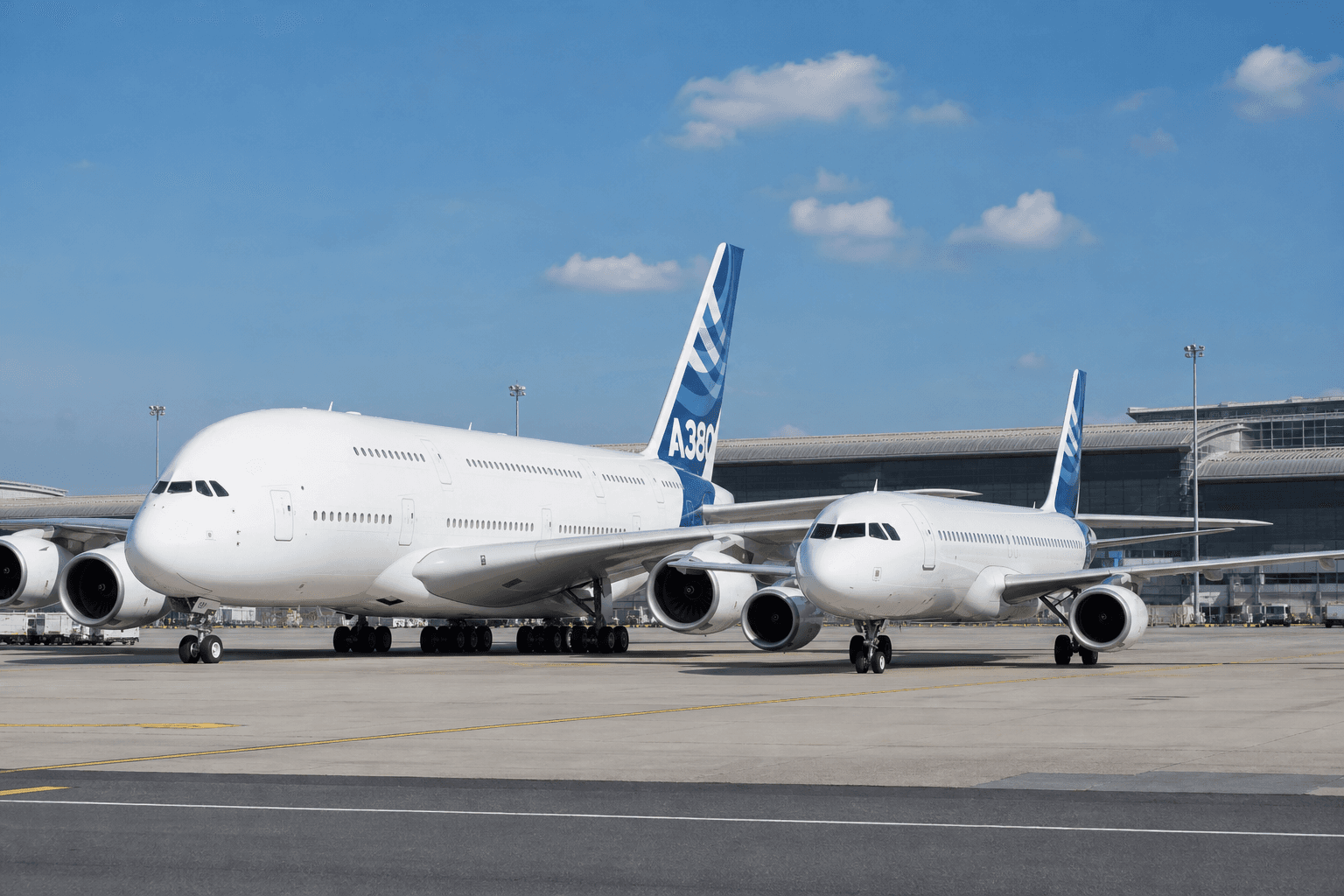
Illustration: The Touch & Go
Airbus A320 Delivers Higher Fuel Efficiency Per Passenger Than A380 Despite Larger Size of the Superjumbo
While the Airbus A380 burns more fuel overall due to its size, the smaller A320 achieves greater passenger-mile fuel efficiency across typical configurations and load factors.
The gist
Despite the A380's massive capacity, the Airbus A320 outperforms it substantially in fuel efficiency per passenger mile flown.
The vast difference in scale between the Airbus A380 and A320 is striking when looking at raw fuel burn figures. The A380, a four-engine double-deck aircraft weighing 1,268,000 pounds, consumes nearly 4,600 gallons of jet fuel per hour during cruise. In contrast, the narrowbody A320, at about 172,000 pounds, uses roughly 750 gallons per hour. This means the A380 burns approximately six times more fuel per hour than the A320, which aligns with their disparate size and design profiles.
However, direct fuel consumption comparisons do not tell the full story without considering the number of passengers carried. The A380’s large fuel use is offset by its substantially higher seating capacity, which ranges from 400 in premium configurations to 615 passengers in high-density layouts. The A320 typically seats between 150 and 180 passengers, depending on version and cabin configuration. When fuel consumption is divided by the number of passengers, the picture changes substantially.
Calculating fuel burned per passenger-mile during cruise reveals that the A320 offers superior efficiency. For instance, an A380 configured with 525 seats averages about 64 passenger-miles per gallon. In a denser 615-seat layout used by carriers like Emirates, the figure rises to approximately 75 passenger-miles per gallon. By comparison, the A320ceo reaches about 117 passenger-miles per gallon carrying 170 passengers, and a high-density 180-seat configuration improves this to around 124. The newer A320neo versions push this further to approximately 130-138 passenger-miles per gallon thanks to more efficient engines.
Several factors contribute to the A320’s relative fuel efficiency per passenger despite its smaller size. The twin-engine narrowbody benefits from lower overall weight relative to seating capacity and advanced aerodynamic features introduced in the neo variant. Meanwhile, the A380’s fuel burn advantage from carrying more passengers is tempered by its four engines and higher structural weight, which requires significantly greater overall fuel usage. The efficiency gap widens when comparing newer narrowbody technology with the A380’s older engine and airframe design.
Load factors — the percentage of seats filled on a flight — also strongly influence per-passenger fuel efficiency. Neither aircraft operates at 100% capacity in commercial service. At an 85% load factor, a 525-seat A380 typically carries about 446 passengers, reducing passenger-miles per gallon efficiency from 64 to roughly 54. A 70% load factor with 368 passengers further drops efficiency to around 45 passenger-miles per gallon. The A320 sees a parallel decline but starts from a higher baseline; at 85% load, it maintains approximately 100 passenger-miles per gallon, and at 70%, about 82. High load factors such as Emirates achieves on its A380 fleet help protect the economics of the superjumbo’s operations.
The differing mission profiles of the A380 and A320 add additional complexity to these fuel efficiency comparisons. The A380 typically flies long-haul routes up to 8,000 nautical miles, operating mostly at cruise where fuel burn per mile is lowest. Conversely, the A320 often operates shorter routes (2-4 hours), where fuel consumption associated with takeoff and climb represents a larger proportion of total burn. This dynamic means the A320’s per-passenger fuel efficiency on some shorter sectors will be lower than its cruise-phase numbers imply.
Overall, while the Airbus A380 is optimized to move large numbers of passengers across intercontinental distances with impressive economy for an aircraft of its size, the A320 stands out as more fuel-efficient per passenger-mile due to factors including advanced engine technology, weight efficiency, and aircraft design. These metrics are vital for airlines balancing operational costs against environmental considerations as they manage diverse fleets to meet mission-specific demands.
This comparative analysis also highlights how factors like seating configuration, load factors, and route length must be considered when evaluating aircraft fuel efficiency metrics. Airlines operating A380s focus on ensuring high passenger loads and premium route structures, while the A320 series’ versatility across short and medium-haul markets leverages its efficiency strengths. Both aircraft play complementary roles in global air transport but exhibit distinctly different fuel efficiency profiles when assessed on a per-passenger basis.
Read more
All Airlines →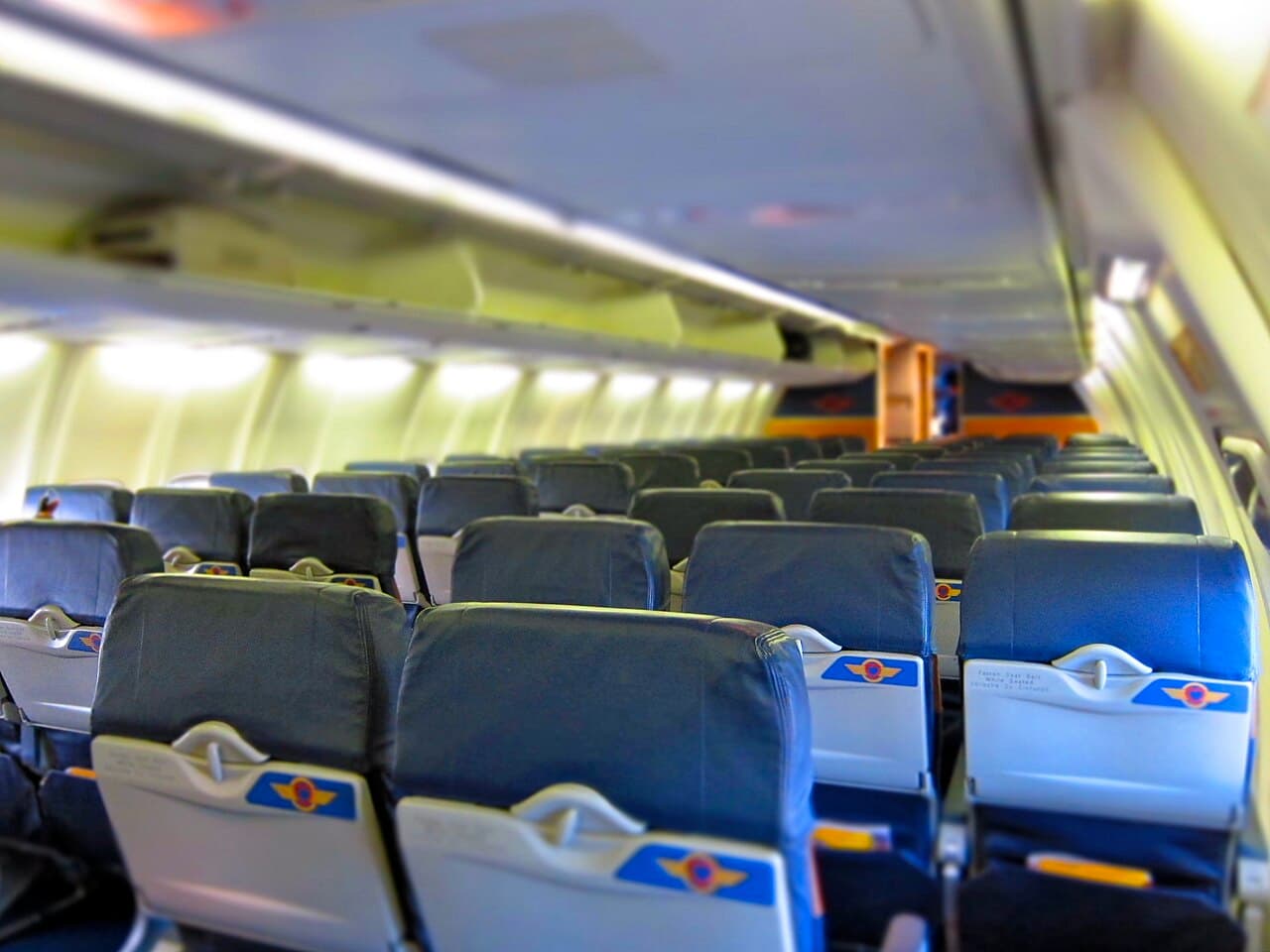
American Airlines to retrofit narrowbody fleet with seatback 4K entertainment screens
US carrier reverses a bet on personal devices as it races to close the cabin gap with Delta Air Lines and United Airlines. American Airlines plans to add seatback screens on domestic aircraft in a surprising reversal of its in-flight entertainment product. Every narrowbody Airbus and Boeing jet will be retrofitted with the 4K screens, the carrier says. The upgraded systems will also feature Bluetooth connectivity and USB-C fast charging ports. For years, American had resisted seatback screens in favour of streaming via wi-fi to passengers’ personal devices to save on weight. With the retrofit, American's cabins will largely resemble those of its two main competitors, Delta Air Lines and United Airlines. The upgrades, planned to be completed by the early 2030s, will complement American's rollout of SpaceX's Starlink high-speed wi-fi and new investments in premium cabins, dining and lounges. More than 140 long-haul aircraft in American's fleet already feature the screens, it says. “We're making one of the most significant investments in the onboard experience in our history,” says American chief customer officer Heather Garboden. “From next-generation seatback entertainment at every seat to substantially more premium seating options, these enhancements will give our customers more ways to relax, stay connected and enjoy their journey." American does not identify any specific suppliers for the screens, but notes it is “evaluating several leading technology providers and will select the partner that delivers the best customer experience and value for American”. “We are looking for a partner with a modern, scalable platform that can evolve alongside technology advancements, enabling continuous enhancements to the customer experience while creating incremental revenue opportunities for American,” adds the carrier. Airlines across the industry are pouring money into premium cabins as they race to meet demand for higher-fare seats . As fuel prices erode profits, forward-cabin fares have proven resilient and helped many carriers remain profitable. American has the most growth planned among major North American airlines for the rest of 2026, as measured by available seat miles (ASMs). The carrier says premium-seat growth already outpaced main cabin by nearly two-to-one in the second quarter. "Today, premium seating is approximately 25% of seats on narrowbody departures and in the coming years, that number will grow to approximately 40%,” American says.
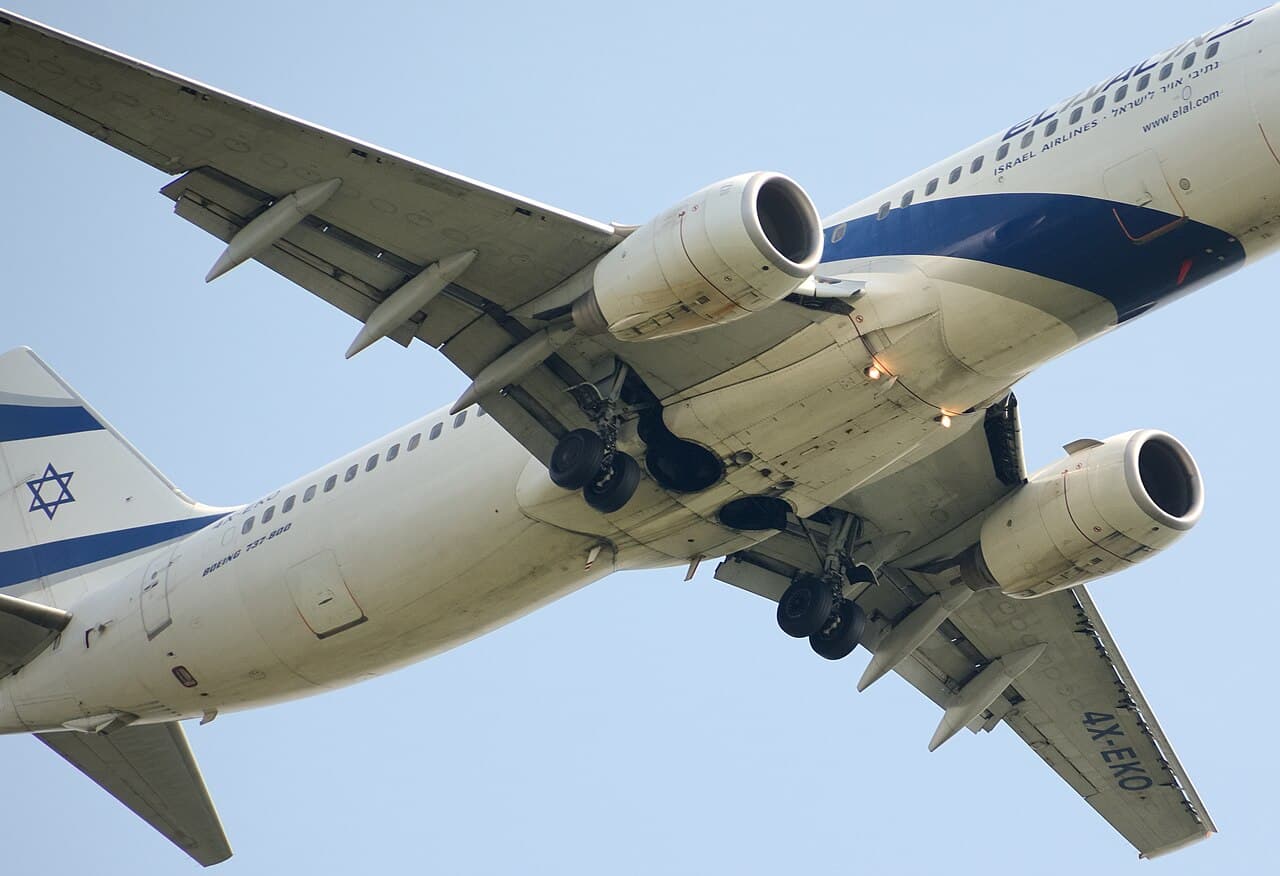
Modern jet engines cut commercial aircraft fuel burn by up to 15 percent over predecessors
The primary driver of aircraft efficiency today is the engines. While advances in aerodynamics and materials do cut down on fuel burn as well, the engine is the main determinant as to how much fuel an aircraft burns, and older planes equipped with new engines tend to be more than competitive against a clean-sheet aircraft. During the start of the Jet Age, manufacturers were primarily focused on increasing power, with fuel efficiency being a second priority, but as technology has developed, this has changed.
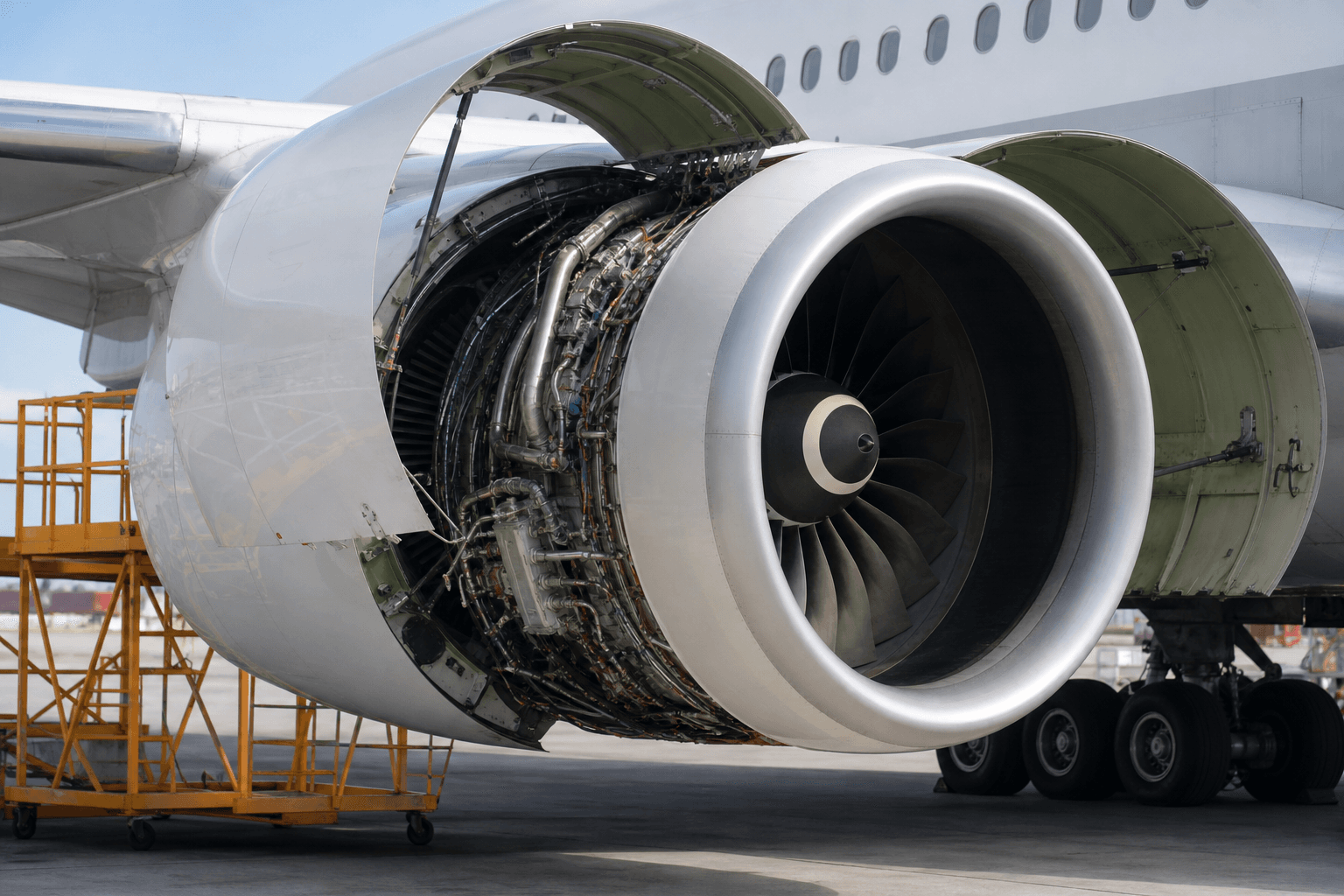
Rolls-Royce and GE Engine Designs Diverge Amid Widebody Market Duopoly
GE Aerospace and Rolls-Royce (RR) currently dominate the large widebody engine market , although RR also wants to challenge GE once again in the massive narrowbody engine market. These are two of the largest Original Engine Manufacturer giants in the commercial sector, along with Pratt & Whitney and Safran.
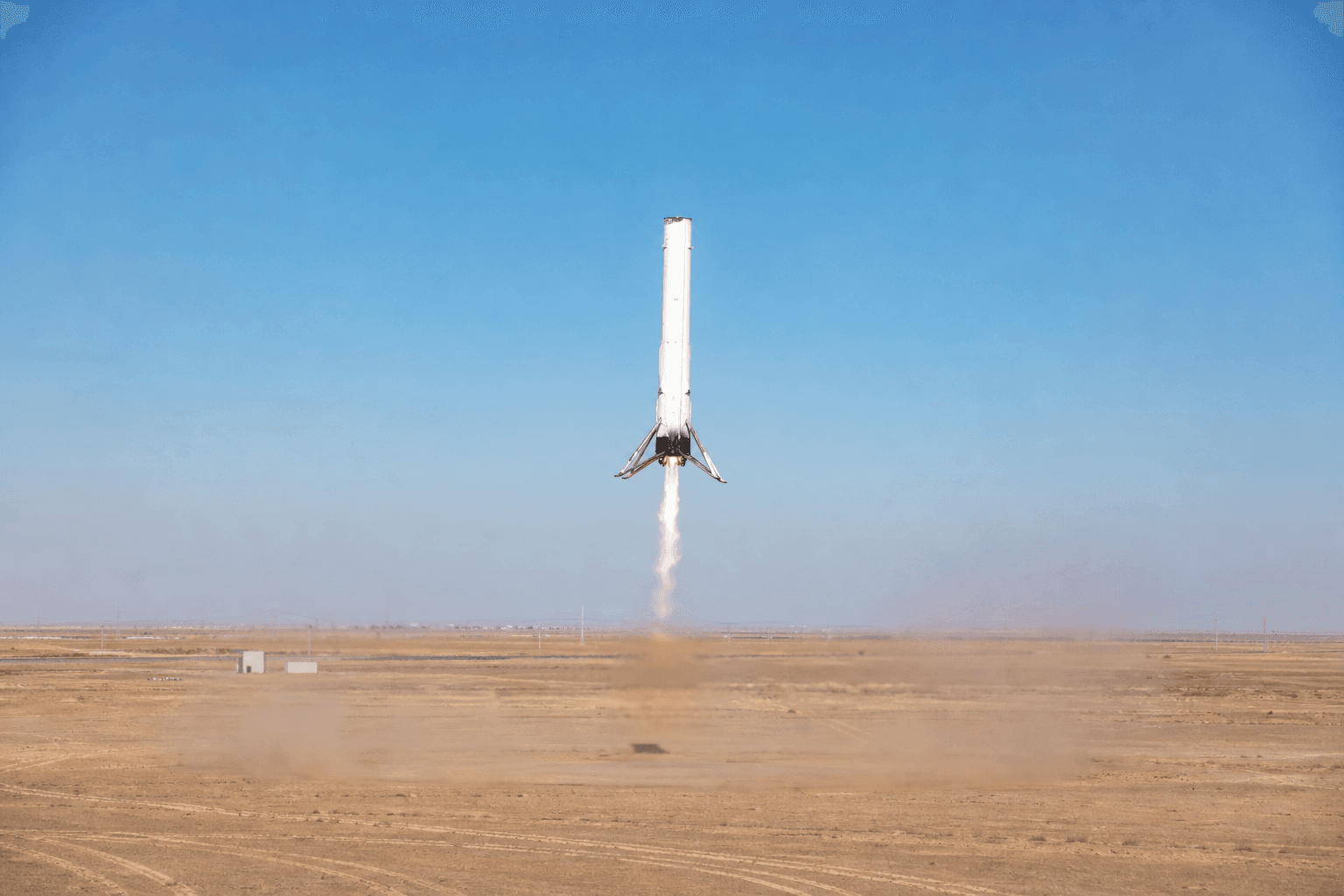
China's LandSpace achieves milestone with Zhuque-3 reusable rocket booster landing
SpaceX could face formidable new competition in the space launch market after China's LandSpace successfully landed the first stage of its Zhuque-3 rocket, becoming the first private Chinese company to recover an orbital-class booster using the same method as SpaceX's reusable Falcon 9 rocket. The Zhuque-3 lifted off from the Dongfeng Commercial Space Innovation Pilot Zone in northwestern China at 07:35 local time on August 19, 2026. After separating from its second stage, the booster reoriented itself, completed a reentry burn and descended toward a landing site in Minqin County in Gansu province, approximately 240 miles from the launch pad. The booster deployed its landing legs and touched down vertically nearly eight minutes after liftoff. "This mission marks China's first-ever successful recovery attempt of the first stage of an orbital-class launch vehicle using landing legs, and China's first successful booster recovery on land," LandSpace said in a statement. Video released by the company shows a gentle touchdown reminiscent of the technique SpaceX pioneered a over a decade earlier with the first successful Falcon 9 landings. The launch was the second flight of Zhuque-3 and LandSpace's second attempt to recover its first stage. The rocket reached orbit on its inaugural flight in December 2025, but an abnormal combustion event prevented the booster from completing its landing. LandSpace said it made several changes before the second flight, including revisions to the landing propulsion system, thermal protection and return-control software. The company also added a predicted-impact-point function to the rocket's autonomous flight termination system. Zhuque-3 uses nine methane-fueled engines on its first stage. Its stainless-steel construction and liquid methane and liquid oxygen propulsion system are intended to support repeated flights while reducing manufacturing and refurbishment costs. LandSpace says an expendable Zhuque-3 can carry as much as 14.2 metric tons to low Earth orbit. The company wants to fly each first stage as many as 20 times and plans to attempt the first reuse of a recovered booster within six months. The successful landing places LandSpace alongside both SpaceX and Blue Origin as the only private companies to have propulsively landed the booster of an orbital-class rocket. SpaceX first landed a Falcon 9 booster in December 2015 and has since made booster recovery and reuse a routine part of its launch operations. Blue Origin landed the first stage of its New Glenn orbital rocket for the first time in November 2025. SpaceX founder Elon Musk had not publicly commented on the successful landing as of August 20. In an October 2025 post on X, however, Musk said the Zhuque-3's combination of stainless-steel construction, methane propulsion and a Falcon 9-style architecture could enable it to eventually outperform Falcon 9. China completed its first recovery of an orbital-class booster in July 2026 during the inaugural flight of the state-developed Long March 10B. Instead of landing on legs, that stage was captured by cables stretched across an offshore platform. LandSpace, founded in 2015, had already claimed another first in commercial spaceflight, with its smaller Zhuque-2, which became the first methane-fueled rocket to reach orbit in July 2023. The company is seeking to raise 7.5 billion yuan, or approximately $1.1 billion, through an initial public offering in Shanghai. It plans to use the funding to expand development and production of reusable launch vehicles in its quest to compete in the commercial space launch market.
The Daily Touch & Go
The day's best aviation news in your inbox. Free, no spam.