

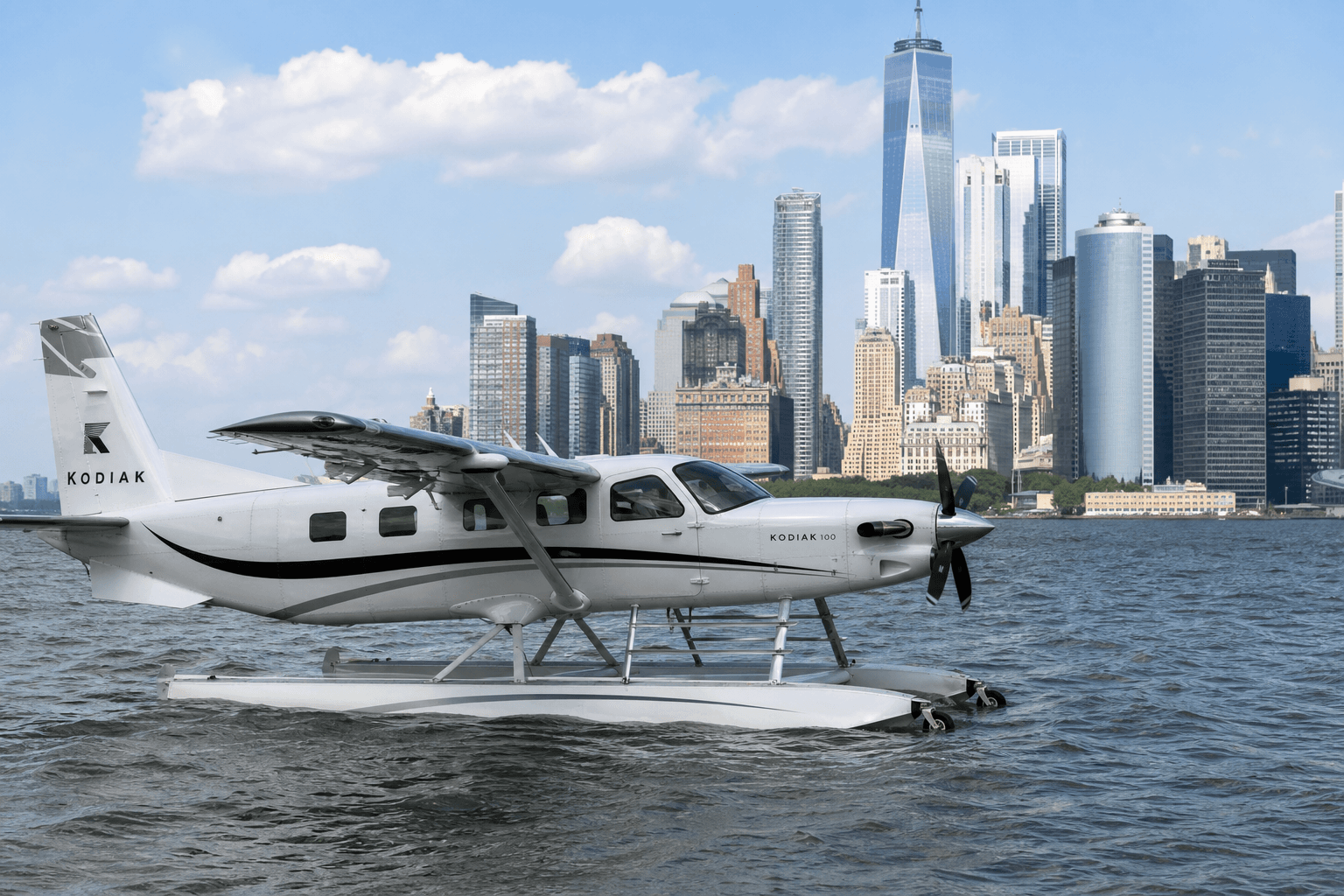
Illustration: The Touch & Go
Kodiak 100 seaplane suffers wing strut failure during hard landing on New York East River
A Kodiak 100 seaplane inbound from The Hamptons made a hard landing on the East River near Manhattan, with all eight onboard rescued and one minor injury reported.
The gist
Kodiak 100 seaplane crash-lands on New York’s East River; all eight onboard rescued with one minor injury.
On July 5, 2026, a Kodiak 100 seaplane encountered a critical incident while attempting to land on the East River off Manhattan’s 23rd Street in New York City. The aircraft made a hard landing on the water, bouncing twice upon contact before destabilizing and partially submerging one side. Visual recordings of the event, captured both by bystanders and a passenger, show the left wing and fuselage leaning heavily to one side as the plane settled in the water.
The seaplane was carrying six passengers and two crew members on a route from The Hamptons, a well-known upscale resort area located in eastern Long Island. Emergency services swiftly responded to the scene, successfully rescuing all eight people onboard. Among them, only one person sustained minor injuries and was reported to be in stable condition.
Preliminary observations suggest that the cause of the incident involved mechanical failure related to the wing structure of the aircraft. The Federal Aviation Administration (FAA) has confirmed its intention to investigate the crash thoroughly. According to initial reports, one of the plane’s wing struts may have snapped after hitting a wave during the landing sequence, which compromised the seaplane’s stability.
The Kodiak 100 is a utility aircraft commonly modified for amphibious operations with floats, favored for its ruggedness and short takeoff and landing capabilities. Despite its reputation for reliability, structural failures such as a broken wing strut are rare but critical events that can severely impact flight safety. The FAA’s investigation will focus on maintenance records, operating conditions, and the exact sequence of events leading up to the failure.
Following the incident, the aircraft remained stranded mid-river where it partially submerged. Recovery teams towed the damaged seaplane away from the landing site to prevent interference with maritime and air traffic. The affected area is a busy corridor for seaplane operations in New York Harbor, emphasizing the importance of swift recovery and safety management in congested waterways.
Seaplane operations in urban environments like New York City often require careful coordination with local authorities and adherence to strict safety protocols due to the proximity of populated areas and heavy waterway usage. This incident adds to the limited but serious history of seaplane accidents requiring emergency response in major metropolitan areas.
The quick evacuation and rescue of all passengers and crew highlight the effectiveness of emergency response systems prepared for aviation incidents on waterways. While injuries were limited, the event underscores the critical need for stringent aircraft maintenance checks and robust structural integrity, particularly in aircraft operating in challenging marine conditions.
Investigation outcomes from the FAA will inform potential safety recommendations for operators and manufacturers to prevent recurrence of similar failures. It will also provide insight into operational conditions unique to seaplane flight paths over busy urban rivers and challenges posed by wave impact during water landings.
This event marks a significant safety incident for seaplane operations in New York City waters. With increasing interest in seaplane travel for regional connectivity, the findings will be closely examined by the aviation community to enhance protocol and engineering standards for amphibious aircraft.
Read more
All Aviation Safety →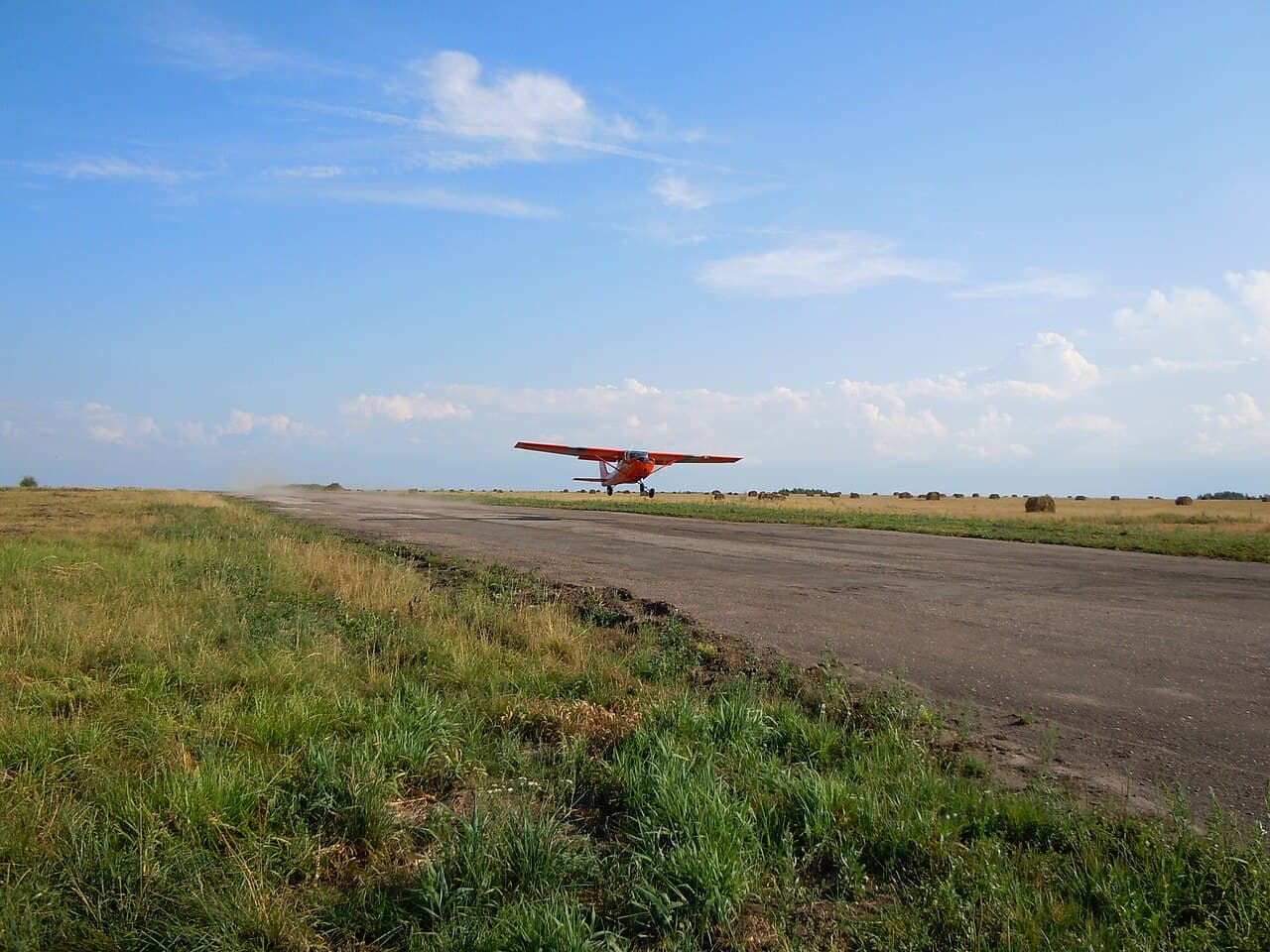
Cessna 150 Collides with Pennsylvania State Police Bell 407 Helicopter at Carlisle Airport
The pilot of a Cessna 150 was killed and two State Police troopers were hurt when the small plane collided with a police Bell 407 helicopter at Carlisle Airport, Pennsylvania, on Wednesday evening. Early reports suggest that the helicopter had been conducting routine training and was hovering a few feet above a grass area when the Cessna struck it from behind.
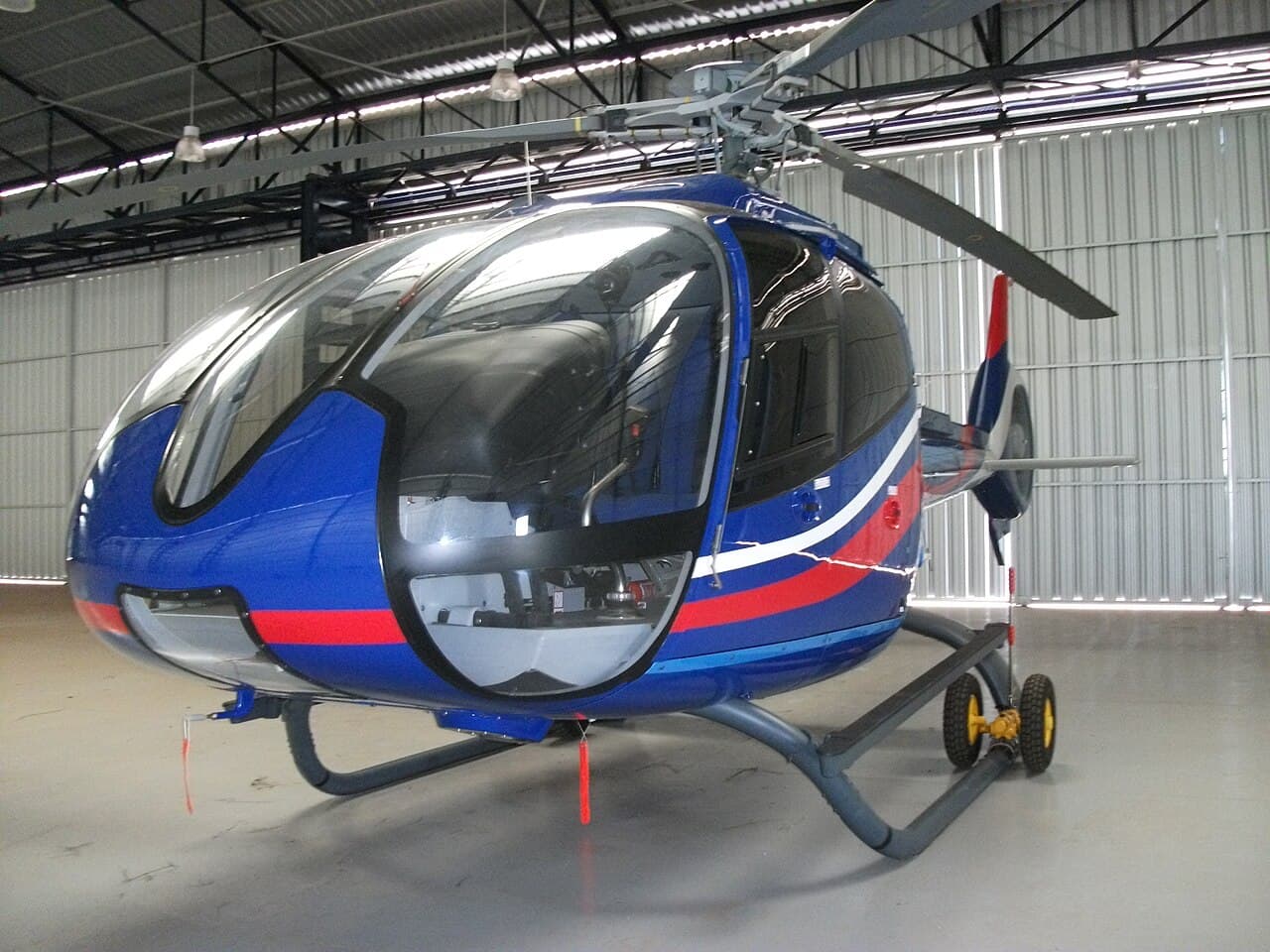
Seven perish in Eurocopter EC130 crash on Kenya safari flight near Mount Ololokwe
Five Americans were among seven people killed when a tourist helicopter crashed in a remote area of northern Kenya on August 19, 2026. The Eurocopter EC130 B4, registered 5Y-GYM, was carrying six passengers and one pilot when it crashed near Kirish, close to Mount Ololokwe in Samburu County. The Kenya Civil Aviation Authority (KCAA) said the accident occurred at approximately 09:13 local time while the helicopter was flying from Loisaba Conservancy to the Ewaso Nyiro area. The aircraft was operated by Lady Lori Helicopters and was carrying guests of luxury safari company &Beyond. "We can confirm that on the morning of August 19, an aircraft registered as 5Y-GYM, carrying &Beyond guests, crashed near Kirish, close to Mt. Ololokwe in Samburu County, Kenya," the company said in a statement. The US State Department confirmed that five US citizens were among those killed. "We can confirm the deaths of five US citizens in a helicopter crash in Samburu County, Kenya," a State Department spokesperson said. "The US Embassy is in touch with local authorities and is providing consular assistance." Lady Lori Helicopters identified the aircraft as 5Y-GYM and said it was operating the charter flight from Suyian Conservancy to Ololokwe. "Lady Lori Helicopters is deeply saddened to confirm that one of our aircraft, registered 5Y-GYM, was involved in an accident," the company said. "Our deepest sympathies are with the guests, crew, their families and loved ones, and all those affected by this tragic accident." The six passengers included Michele Sensi-Contugi, director of Ecuador's National Intelligence Center; his wife, Stephany Hollihan Vasconez, a dual US-Ecuadorian citizen; and José Alberto Suárez, a senior Telemundo executive based in Florida. The Kenya Red Cross joined a multiagency response at the crash site. The remote and mountainous terrain complicated efforts to reach the wreckage. Kenya's Air Accident Investigation Department is leading the crash investigation. The EC130 B4 is a seven-seat, single-engine helicopter developed by Eurocopter, now part of Airbus Helicopters. The type is widely used for sightseeing and charter flights because of its large cabin, low external noise and unobstructed views. Mount Ololokwe, also known as Ol Donyo Sabache, rises above the Samburu region and is a popular destination for hiking and wildlife tourism. Loisaba Conservancy and the Ewaso Nyiro River are also part of Kenya's northern safari circuit.
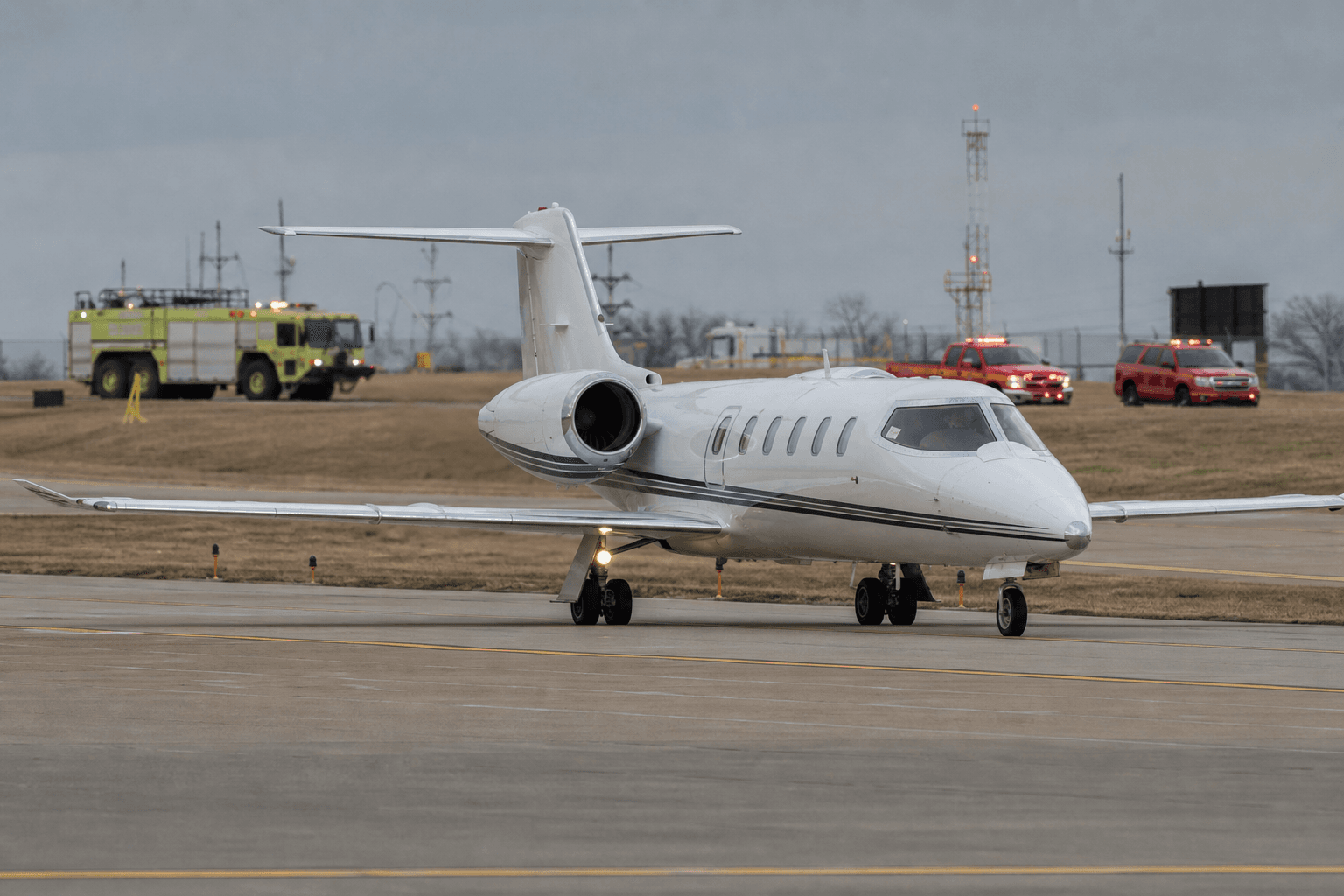
NTSB Publishes New Video and Reports on Deadly Philadelphia Learjet 55 Crash
The National Transportation Safety Board (NTSB) released a new batch of investigative material from its probe of the January 2025 Learjet 55 crash in Philadelphia, including surveillance videos capturing the aircraft before and during the accident. The material was added to the NTSB's public docket Tuesday, Aug. 18. The docket now contains 59 items, including operational, airworthiness and maintenance reports, along with videos, audio recordings and other investigative data. Among the newly released videos are doorbell-camera and drive-thru footage showing the final seconds of the flight. Additional surveillance footage shows the aircraft at Miami-Opa Locka Executive Airport and Northeast Philadelphia Airport, including video of the crew conducting its preflight and the airplane taxiing for departure. The Learjet 55, operated by Jet Rescue Air Ambulance, departed Northeast Philadelphia Airport shortly after 6 p.m. on Jan. 31, 2025, carrying a pediatric patient, her mother and four crewmembers on a flight to Tijuana, Mexico. The aircraft was airborne for about 22 seconds before crashing near Cottman Avenue and Roosevelt Mall. All six people aboard were killed, as were two people on the ground. At least 24 others were injured. The docket also includes an operational factors factual report, accident flight risk assessment, pilot training and flight-time records, aircraft weight-and-balance information, airworthiness and maintenance reports, and a checklist page recovered from the wreckage. Investigators also released reports covering the cockpit voice recorder , enhanced ground proximity warning system, aircraft performance and FAA ADS-B data. The NTSB has not yet determined what caused the crash. The newly released documents are factual investigative material and do not represent the agency's final findings or probable cause. The investigation remains ongoing, with the NTSB expected to address the cause and any contributing factors in its final report.
Tail-strike and delayed liftoff mark Vietnam Airlines 787 takeoff in Munich
German investigation authority confirms tail-strike as Hanoi-bound twinjet laboured to become airborne. German investigation authority BFU has confirmed that the Vietnam Airlines Boeing 787-9 involved in a prolonged take-off roll at Munich struck its tail during a late lift-off. The aircraft, operating to Hanoi, was departing from runway 26L at 13:57 on 15 August but returned and landed just over 2h later. "During the rotation phase, the tail of the aircraft touched the ground," says BFU, adding that the aircraft "lifted off late". It states that the flight recorders from the twinjet are being read out at the authority's Braunschweig facilities. "Reading and analysing the data will take some time," it says. BFU also confirms that type marks "that could be attributed to the aircraft" were identified at the far end of the runway. No preliminary conclusions have been drawn by the inquiry, and no details have been released on performance calculations or system functionality. But the presence of the tyre marks – perhaps indicating activation of braking systems – is likely to be a focus of the probe, given that the crew appeared to have committed to becoming airborne. The aircraft carried out a full-length take-off from 26L, which is 4,000m in length, but preliminary information from Vietnamese publications appear to confirm indications that the aircraft struggled to accelerate. Vietnamese outlet VnExpress , citing an initial report from the country's civil aviation authority, says the crew realised – about halfway along the runway – that the aircraft's speed did not increase for a few seconds, before acceleration resumed. Upon reaching the V1 decision speed, it reports, the crew noticed a deceleration but believed there was insufficient runway distance to abort take-off. Normally V1 is defined as a speed which allows take-off to be aborted safely, and this might suggest an unexpected shortfall in the aircraft's acceleration performance and delays in achieving V1. The VnExpress report says the crew increased thrust to maximum and started rotating with about 300ft of runway remaining, generating a tail-strike warning. The crew also received alerts on tyre pressure. After burning fuel to reduce the landing weight, the 787 touched down on Munich's runway 26R. Several main landing-gear tyres were badly damaged. Meteorological data from Munich airport at the time indicates light variable winds and good visibility. Vietnamese and US representatives are participating in the inquiry. "Investigation into the accident is not yet complete," says BFU. "Further facts regarding human and technical factors, as well as organisational influences, still need to be established."
The Daily Touch & Go
The day's best aviation news in your inbox. Free, no spam.