

Illustration: The Touch & Go
Steven Greenway appointed CEO of Alliance Airlines as Stewart Tully steps down
Alliance Airlines names aviation veteran Steven Greenway as its new CEO effective October 1, 2026, succeeding Stewart Tully after 11 years of leadership.
The gist
Steven Greenway takes the helm at Alliance Airlines, ushering in new leadership after Stewart Tully’s decade-long tenure.
Continuing coverage
All Qantas →- Qantas A380 Flies Nearly 1,000 Passengers with Floodlight Left Inside Wing
- Singapore Airlines Faces Challenges With Largest Premium Economy Section on Ultra-Long Haul Flight
- Qantas Postpones First Airbus A321XLR International Flight to February 2027
- Qantas Operates 11 Ultra-Long Nonstop Flights with Melbourne-Dallas Route as Longest
- Melbourne Airport Set for 32% Surge in Airbus A380 Flights This Summer
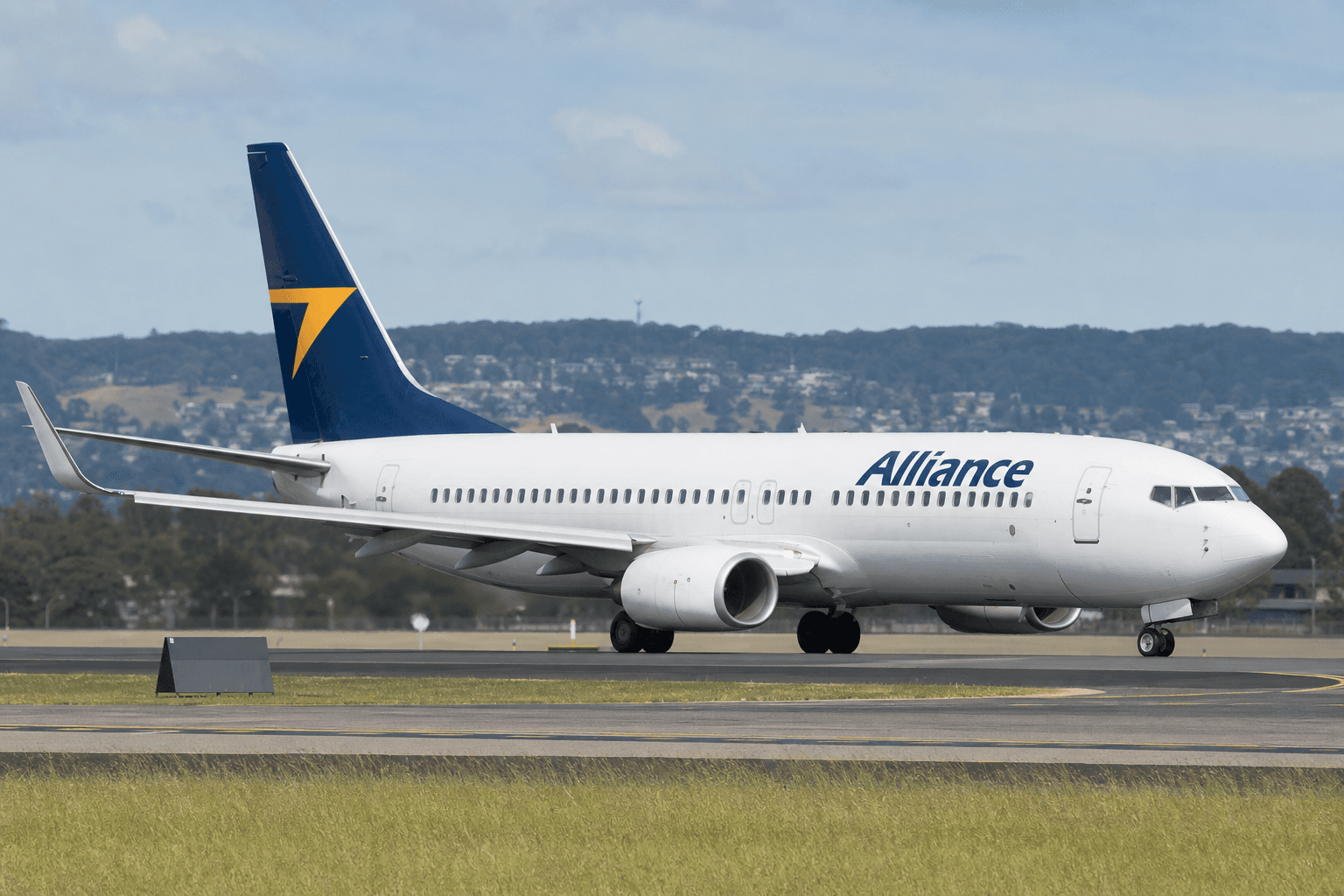
Alliance Airlines, an Australian specialist in ACMI, contract, and charter airline services, has announced the appointment of Steven Greenway as its new Chief Executive Officer starting October 1, 2026. Greenway succeeds Stewart Tully, the Managing Director and CEO who is stepping down after more than 11 years at the company. To ensure a smooth leadership transition, Tully will remain in the business until October 29, 2026. Alliance operates a sizeable fleet of over 70 aircraft under the umbrella of Alliance Aviation Services Limited, serving as a key player in Australia’s aviation sector.
Stewart Tully’s leadership tenure was marked by significant growth and diversification of Alliance Airlines’ operations. He notably strengthened long-term customer relationships while investing in both fleet expansion and engineering capabilities. These moves reinforced Alliance’s position as Australia’s leading provider of specialized aviation services. James Jackson, Alliance’s Chair, commended Tully’s outstanding contribution and his skillful navigation through challenging periods that enhanced the company’s strategy and overall operational resilience.
The leadership change coincides with a strategic evolutionary phase for Alliance Airlines, following a revised wet lease agreement with Qantas and recent organizational adjustments publicly disclosed on August 5, 2026. The company appears poised to capitalize on these developments, moving into a new era of execution that includes a focus on fly-in fly-out (FIFO) operations, a niche in which Alliance has been cultivating expertise.
Steven Greenway comes to Alliance Airlines with more than 25 years of aviation leadership experience across four continents, having held senior executive and CEO roles at major airlines and aviation businesses in Australia, Asia, the Middle East, and North America. His most recent position was as CEO of flyadeal, the Saudi low-cost carrier and a subsidiary of the Saudia Group, where he served from 2024 until early 2026.
During Greenway’s two-year tenure at flyadeal, the airline saw passenger numbers grow by nearly one third, surpassing 10 million passengers annually for the first time. His leadership also oversaw the expansion of the carrier’s aircraft and route network and the placement of an order for 10 Airbus A330-900neo widebody jets, setting the stage for the airline’s entry into the long-haul market. This expansion aligned with Saudi Arabia’s broader Vision 2030 strategy to grow its aviation sector.
Prior to flyadeal, Greenway held executive roles such as Executive Vice President at WestJet, President of its low-cost subsidiary Swoop, CEO of reward-U, Chief Commercial Officer at Scoot, and partner at Mango Aviation Partners. These global leadership experiences underscore his capability to steer Alliance Airlines through its next chapter as a FIFO-focused carrier.
Jackson expressed confidence in Greenway's ability to lead Alliance during this important period, emphasizing his proven track record and fit with the company’s operational and cultural foundations. Greenway himself conveyed enthusiasm for the role and a commitment to continue delivering strong service levels while prioritizing safety and reliability for customers.
Reflecting on his new role, Greenway noted the personal significance of returning to lead an Australian aviation company, citing the country as foundational to his global journey and expressing a desire to give back to the community that shaped him. His leadership marks a key transition for Alliance as the company navigates evolving market dynamics and expands its specialized operations in the Australian aviation landscape.
With this leadership change, Alliance Airlines aims to build on its established strengths and leverage Greenway’s extensive international aviation expertise to enhance operational performance and strategic growth. The company’s evolving partnership with Qantas and the operational focus on FIFO flights position Alliance as a specialized and adaptive player within the regional and contract aviation market.
Frequently asked questions
- When will Steven Greenway start as CEO of Alliance Airlines?
- Steven Greenway will take over as CEO of Alliance Airlines starting October 1, 2026.
- Who is the outgoing CEO of Alliance Airlines and how long was his tenure?
- The outgoing CEO is Stewart Tully, who served for over 11 years before stepping down in October 2026.
- What experience does Steven Greenway bring to Alliance Airlines?
- Steven Greenway has over 25 years of international aviation leadership experience, including CEO roles at flyadeal and senior positions at WestJet, Scoot, and others across multiple continents.
Read more
All Aviation Safety →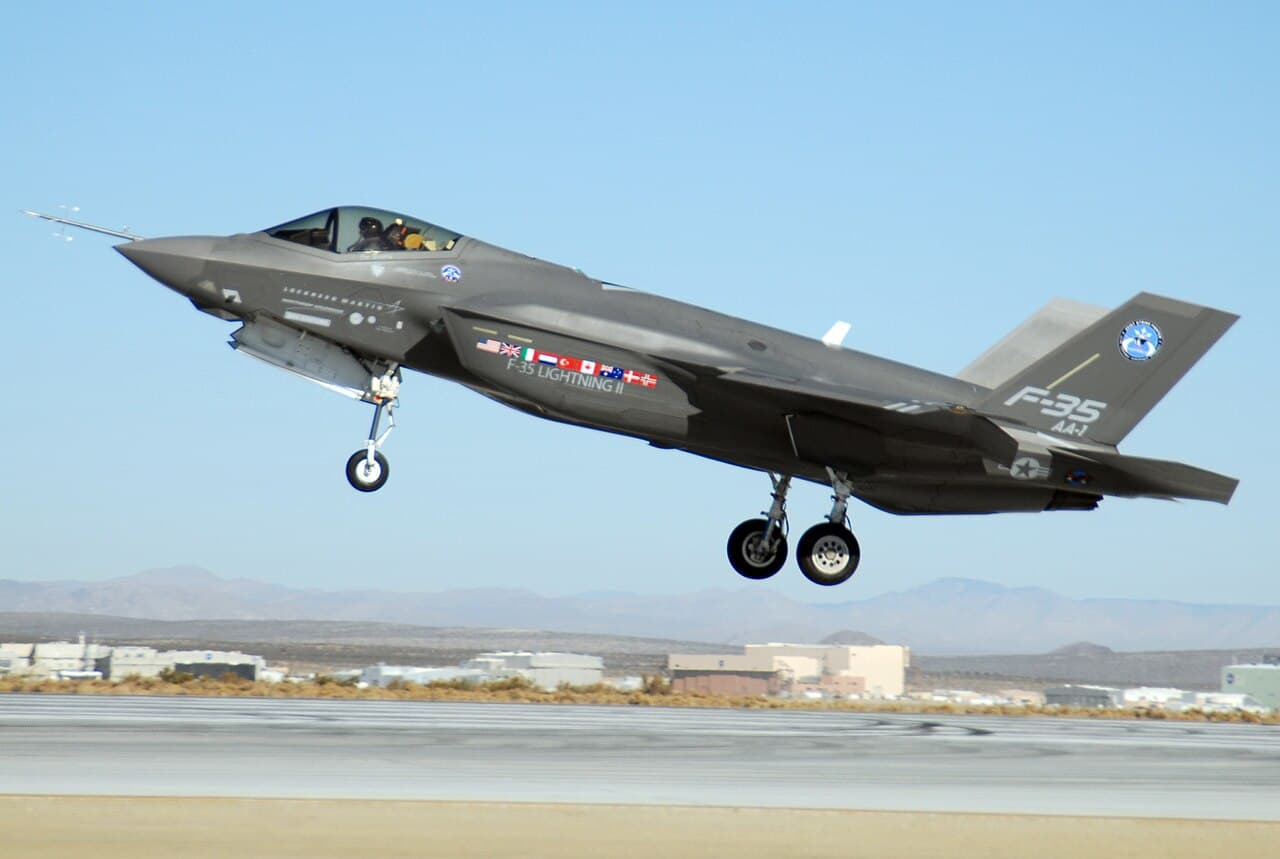
Multiple unknown drones breach restricted airspace at Australian F-35 base
The incident is the latest in a string of drone incursions into secure facilities around the world. The air base housing some of Australia’s most sensitive military aircraft was overflown by multiple drones of unknown origin over the course of three days. RAAF Williamtown in New South Wales is home to the bulk of Australia’s inventory of Lockheed Martin F-35A stealth fighters, as well as the country’s Boeing E-7 Wedgetail airborne early warning and control jets. The facility is collocated with the Newcastle commercial airport. Multiple airspace breaches were logged at Williamtown between 11 and 13 July, according to reporting from The Daily Telegraph . Australia’s minister for defence industry, Pat Conroy, acknowledged the incident in a 10 August interview with broadcaster ABC Newcastle . Conroy describes the incursions as “UAS activity over the airport”. “This is sadly something we’re seeing more often, people operating drones near airports, both civilian and military airports,” he adds. Conroy declines to address specific questions about the incident, such as the number and type of drones involved or the impact on either military or civil operations. The Telegraph report claims the Australian Defence Force does not know who was operating the UAS or what the reason was for the incursion. Military personnel at Williamtown apparently resorted to closing the window blinds at base facilities and calling the New South Wales (NSW) police for assistance. An investigation into the matter by the NSW police is now complete, according to Conroy. The defence industry minister adds that Canberra enacted regulatory changes last year to allow Australian military personnel to “seize, disable or destroy drones” and that the government is investing A$7 million ($4.9 million) in new counter-UAS equipment. Actually stopping marauding quadcopters can prove difficult in practice, particularly in civil airspace. While a range of kinetic, directed-energy and electronic warfare measures can be deployed in combat zones, such systems can also pose a risk to commercial aviation, potentially requiring protracted and disruptive ground stops. In February, the civil regulators at the US Federal Aviation Administration (FAA) ordered a hasty closure of the airspace around El Paso, Texas, which included halting flight operations at El Paso International airport. It was later reported that the FAA ordered the ground stop after the Pentagon and US Customs and Border Protection (CBP) deployed a counter-drone laser weapon to the area around El Paso, which sits on the US-Mexico border. The laser’s deployment was a response to drone activity in the area linked to Mexican drug cartels, according to the Trump administration. CBP fired the directed-energy system at what later turned out to be an innocuous party balloon, according to reporting from The New York Times, without coordinating with the FAA. Drone incursions are a growing issue at secure facilities around the world, both military and civilian. Earlier this month, a drone carrying an explosive device impacted a cargo aircraft at Leipzig-Halle airport in Germany but failed to detonate. A second UAS was discovered on the ground carrying a detonator and explosive device. A police bomb disposal unit was able to disarm the device.
Tail-strike and delayed liftoff mark Vietnam Airlines 787 takeoff in Munich
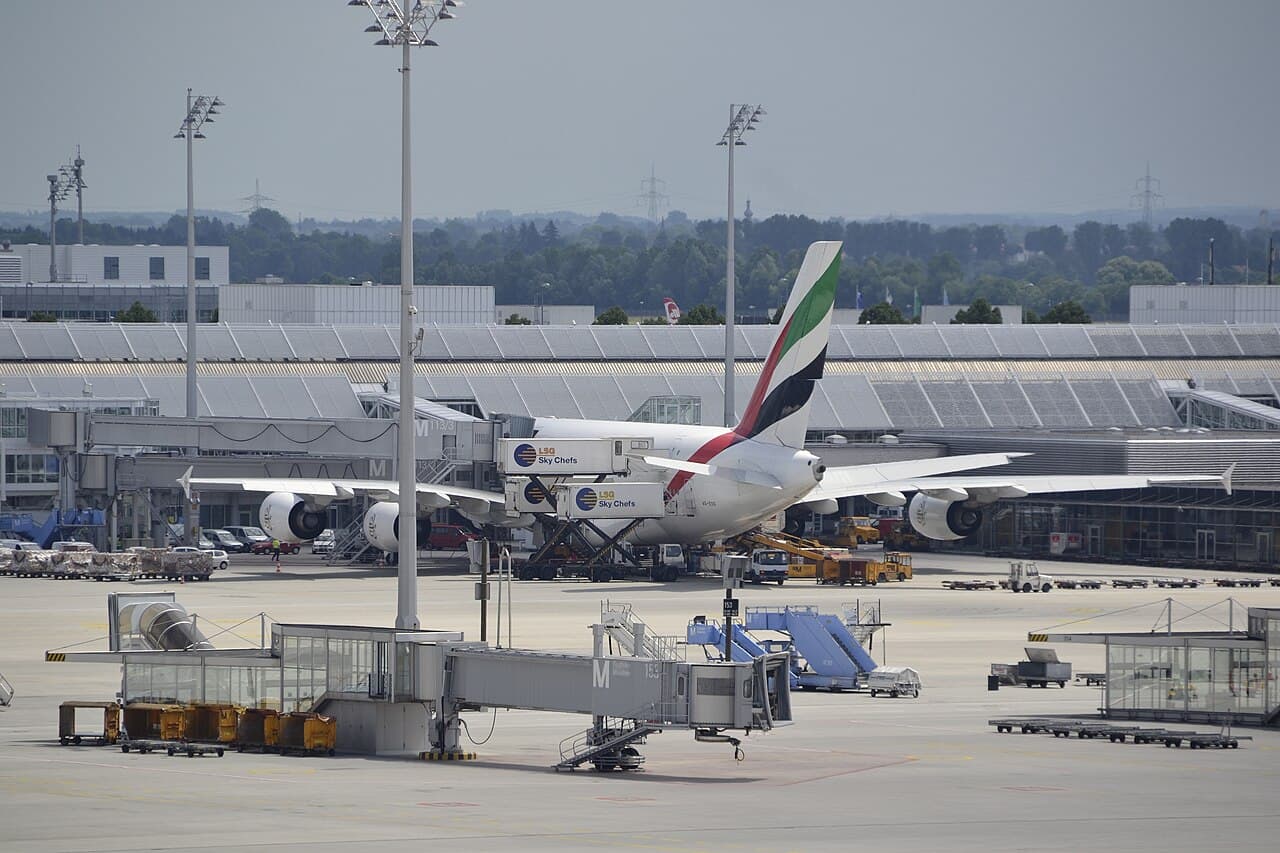
German investigation authority confirms tail-strike as Hanoi-bound twinjet laboured to become airborne. German investigation authority BFU has confirmed that the Vietnam Airlines Boeing 787-9 involved in a prolonged take-off roll at Munich struck its tail during a late lift-off. The aircraft, operating to Hanoi, was departing from runway 26L at 13:57 on 15 August but returned and landed just over 2h later. "During the rotation phase, the tail of the aircraft touched the ground," says BFU, adding that the aircraft "lifted off late". It states that the flight recorders from the twinjet are being read out at the authority's Braunschweig facilities. "Reading and analysing the data will take some time," it says. BFU also confirms that type marks "that could be attributed to the aircraft" were identified at the far end of the runway. No preliminary conclusions have been drawn by the inquiry, and no details have been released on performance calculations or system functionality. But the presence of the tyre marks – perhaps indicating activation of braking systems – is likely to be a focus of the probe, given that the crew appeared to have committed to becoming airborne. The aircraft carried out a full-length take-off from 26L, which is 4,000m in length, but preliminary information from Vietnamese publications appear to confirm indications that the aircraft struggled to accelerate. Vietnamese outlet VnExpress , citing an initial report from the country's civil aviation authority, says the crew realised – about halfway along the runway – that the aircraft's speed did not increase for a few seconds, before acceleration resumed. Upon reaching the V1 decision speed, it reports, the crew noticed a deceleration but believed there was insufficient runway distance to abort take-off. Normally V1 is defined as a speed which allows take-off to be aborted safely, and this might suggest an unexpected shortfall in the aircraft's acceleration performance and delays in achieving V1. The VnExpress report says the crew increased thrust to maximum and started rotating with about 300ft of runway remaining, generating a tail-strike warning. The crew also received alerts on tyre pressure. After burning fuel to reduce the landing weight, the 787 touched down on Munich's runway 26R. Several main landing-gear tyres were badly damaged. Meteorological data from Munich airport at the time indicates light variable winds and good visibility. Vietnamese and US representatives are participating in the inquiry. "Investigation into the accident is not yet complete," says BFU. "Further facts regarding human and technical factors, as well as organisational influences, still need to be established."
Malaysia Airlines completes drug screening for all active pilots with zero positives
Malaysia Aviation Group (MAG) announced that it has completed mandatory drug screening for all Malaysia Airlines pilots, meeting the August 15, 2026 deadline the company set as part of stepped-up safety and fitness-for-duty measures across its airlines. According to the group, all 100% of the airline's operationally active pilots were screened, and every result returned negative. Captain Nasaruddin A. Bakar, President and Group Chief Executive Officer of MAG, called the completion of this first phase an important milestone, but said the work isn't finished. He said the group is moving forward with screening across other operational groups to ensure the same rigorous standards apply consistently throughout its airlines, adding that safety remains central to every decision the company makes. Screening expands to cabin crew and Firefly With the pilot screening phase complete, MAG is now moving into its next phase, covering approximately 2,840 Malaysia Airlines cabin crew. That screening began on August 18, 2026, and will be progressively ramped up, with completion targeted for September 3, 2026. The program is also progressing at MAG's sister airline, Firefly, covering both pilots and cabin crew. As of August 15, 2026, more than half of Firefly's 158 pilots and 163 cabin crew had already been screened, with all results returning negative so far. The group said that Firefly is on track to complete screening for its remaining staff by August 25, 2026, ahead of a September 5, 2026 deadline set by Malaysia's Civil Aviation Authority (CAAM). MAG said it will maintain an ongoing random testing program, led by its Safety and Health team, alongside continued collaboration with aviation authorities. The company noted these measures build on its existing fitness-for-duty framework, which already includes pre-employment screening, medical certification, recurrent training, periodic alcohol and drug testing, pre-flight compliance checks, and crew fitness assessments. A response to a drug smuggling arrest The screening program was launched on August 6, 2026, after a Malaysia Airlines second officer was arrested in Indonesia on alleged drug smuggling charges. MAG described the mandatory screening as an "immediate step," initially covering all active pilots before expanding to cabin crew, with the company stating its approach would go "beyond industry practice." The case originated on July 28, 2026, when Indonesian customs officers detained the pilot after Malaysia Airlines flight MH727 arrived in Jakarta from Kuala Lumpur. Authorities allege they found approximately 25 kilograms of ecstasy pills and methamphetamine, worth an estimated $10.5 million, concealed in the pilot's luggage. Malaysia Airlines said the individual had been traveling in the cockpit jump seat as an observer, was not the pilot flying the aircraft, and had been off duty for two days prior to the incident. Malaysia's Civil Aviation Authority (CAAM) opened a separate regulatory investigation into whether all aviation security requirements were properly followed before the pilot departed Kuala Lumpur International Airport. CAAM Chief Executive Datuk Captain Norazman Mahmud said flight crew are not exempt from standard airport security screening and must undergo the same checks as other individuals entering security-restricted areas. Malaysian police also opened a parallel criminal investigation, reviewing CCTV footage and baggage screening records while cooperating with Indonesian authorities. RELATED Retired QantasLink Fokker F100 finds new home at Australian aviation museum
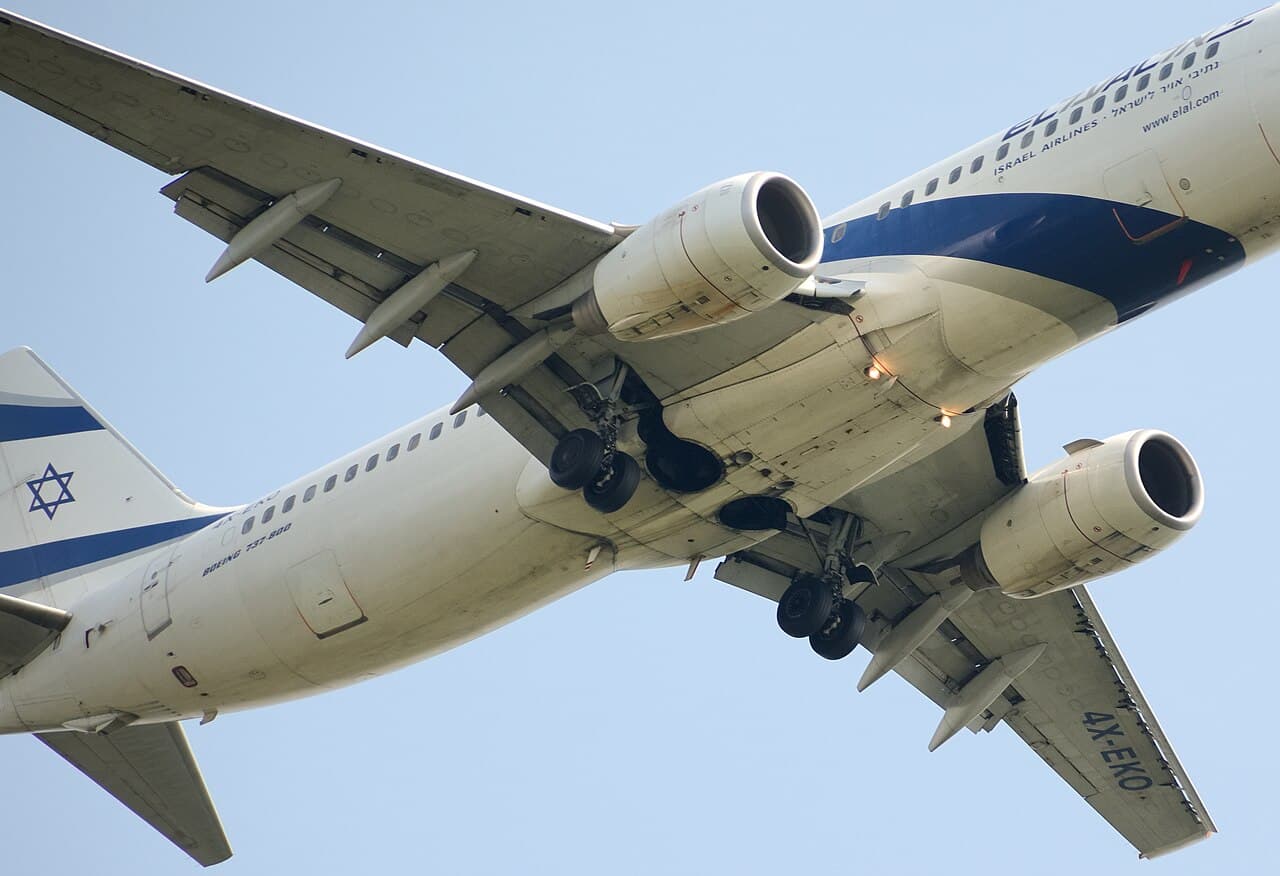
Seven Passengers Sue Delta After Low-Speed Collision with Japan Airlines 787 at Seattle
Seven members of the same family are pursuing injury claims against Delta Air Lines after a Japan Airlines Boeing 787-9 struck the tail of their stationary Boeing 737-800 at Seattle-Tacoma International Airport (SEA) in February 2025. The litigation is notable because the collision occurred at roughly 2.3 mph (3.7 km/h), and the National Transportation Safety Board (NTSB) recorded no injuries among the people aboard either aircraft.
The Daily Touch & Go
The day's best aviation news in your inbox. Free, no spam.