

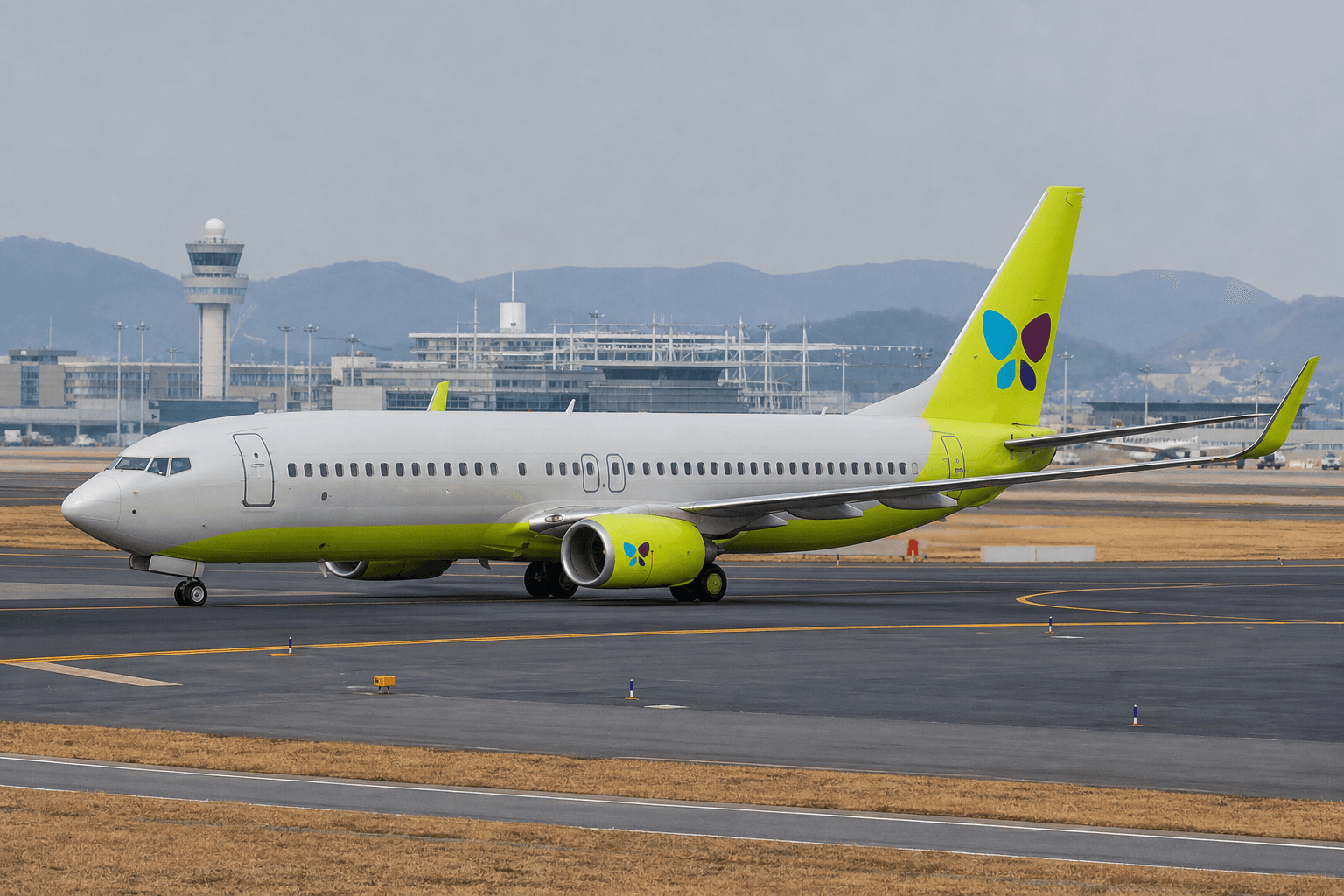
AI-generated illustration
Airlines
South Korea clears merger of Air Seoul, Air Busan, and Jin Air under Jin Air brand
South Korea's Ministry of Land, Infrastructure and Transport approves the merger of three low-cost carriers following Korean Air's Asiana acquisition, with operations combined under Jin Air from March 2027.
The gist
South Korea merges Air Seoul, Air Busan, and Jin Air into a single low-cost airline operating as Jin Air from March 2027.
South Korea's Ministry of Land, Infrastructure and Transport has approved a merger uniting three low-cost carriers: Air Seoul, Air Busan, and Jin Air. This move follows Korean Air's acquisition of Asiana Airlines, aiming to consolidate operations among its subsidiaries and affiliates. The merger will create a streamlined carrier under the Jin Air brand, with combined operations commencing on March 17, 2027.
The parent companies’ consolidation initiated the merger; Jin Air operates under Korean Air, while Air Seoul and Air Busan are affiliated with Asiana Airlines. Korean Air and Asiana's formal integration is scheduled to complete by December 17, 2026. Prior to the low-cost carriers' merger, South Korea’s Fair Trade Commission granted approval, leaving only shareholder consent, projected for December 2026, before finalization.
The combined fleet of the three airlines totals 58 active aircraft. Jin Air operates 31 aircraft, comprising three Boeing 777s, one Airbus A321, seven Boeing 737 MAX 8s, eighteen Boeing 737-800s, and two Boeing 737-900s, alongside three inactive planes. Air Busan's fleet includes 21 Airbus A320 family jets, while Air Seoul operates six Airbus A321 aircraft. This mix reflects a diverse narrowbody and widebody fleet geared toward both domestic and regional routes.
Integration has generated concerns in Busan, South Korea's second-largest city, as Air Busan is based at Gimhae International Airport in Busan. Local authorities fear reduced prominence post-merger and had requested the headquarters to be located in Busan. Although this request was set aside, Jin Air committed to increasing its Busan operations: route count will rise from 28 to 33, and weekly flights will expand from 281 to 339.
This regional increase is notable considering Busan’s strategic importance in South Korea’s domestic aviation network. The promise to grow presence at Gimhae Airport may mitigate local opposition but does not alter Jin Air’s expected seat as the brand and operational leader for the merged entity.
The consolidation mirrors a similar development in Japan, where All Nippon Airways (ANA) in October 2026 announced plans to acquire Regional Plus Wings (RPW), the parent of Air Do and Solaseed Air. These two regional airlines operate mainly in Hokkaido and Kyushu and cooperate closely with ANA, distributing their capacity.
Currently, Air Do operates eight Boeing 737-700s and three Boeing 767-300ERs, while Solaseed Air has a fleet of fourteen Boeing 737-800s. Although ANA intends to maintain the existing brands for the time being, it has not excluded the possibility of fully integrating them into ANA's mainline operations in the future.
Korean Air's acquisition of Asiana Airlines and the subsequent consolidation of its low-cost subsidiaries align with a broader restructuring trend in Northeast Asia’s aviation sector, reflecting efforts to optimize route networks and reduce operational redundancies. The completed merger will represent a significant restructuring of South Korea’s LCC market.
The final formal merger steps include shareholder approval set for December 2026, after which the unified Jin Air will officially launch its integrated operations in March 2027, managing a fleet of nearly 60 aircraft and expanded route offerings across South Korea and the region.
Originally reported by AeroTime
Read more
All Airlines →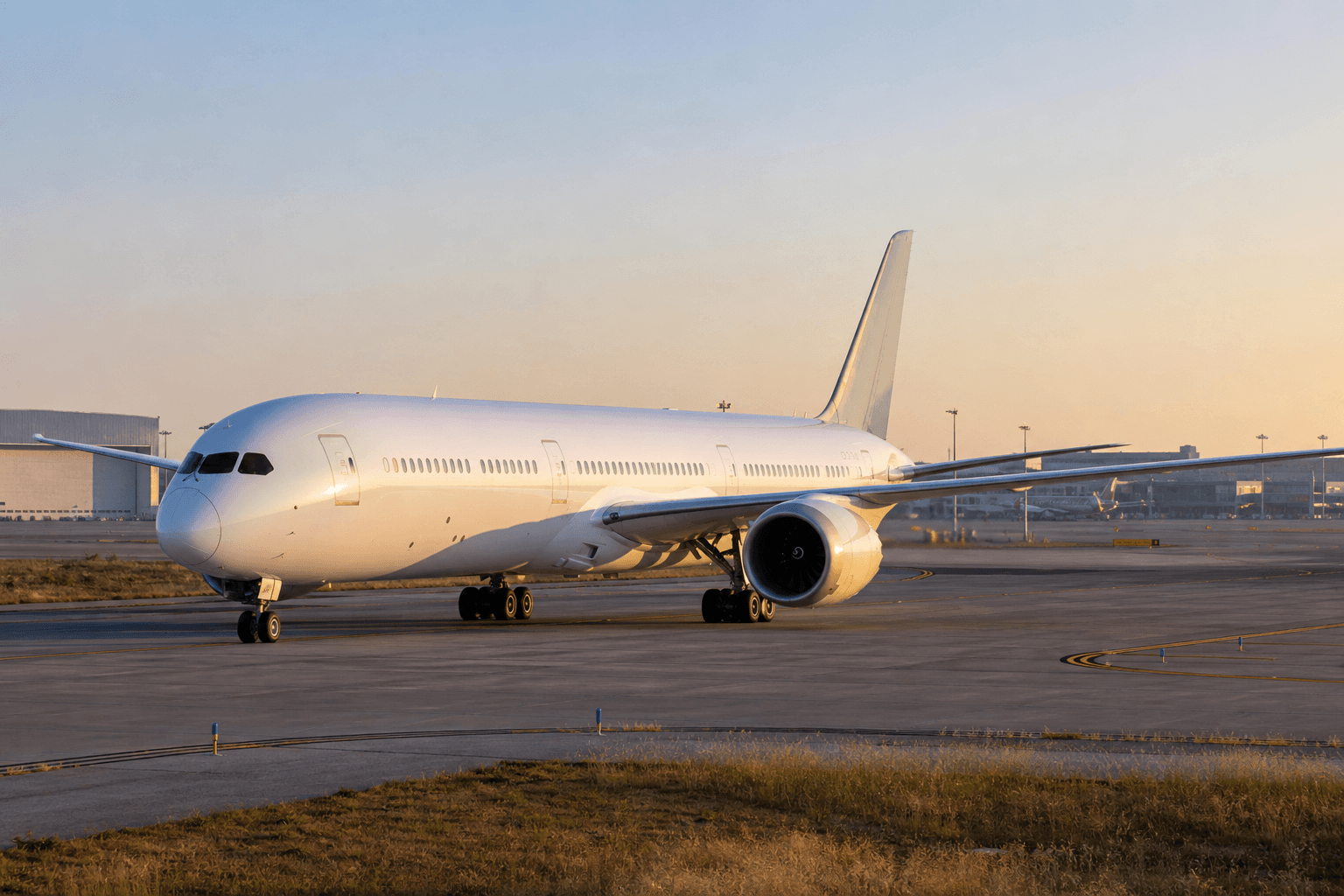
Philippine Airlines places firm order for up to 20 Boeing 787-10 Dreamliners
PAL confirms order for 15 Boeing 787-10 aircraft with options for five more, powered by GE GEnx-1B engines, aiming to modernize and expand its long-haul fleet.
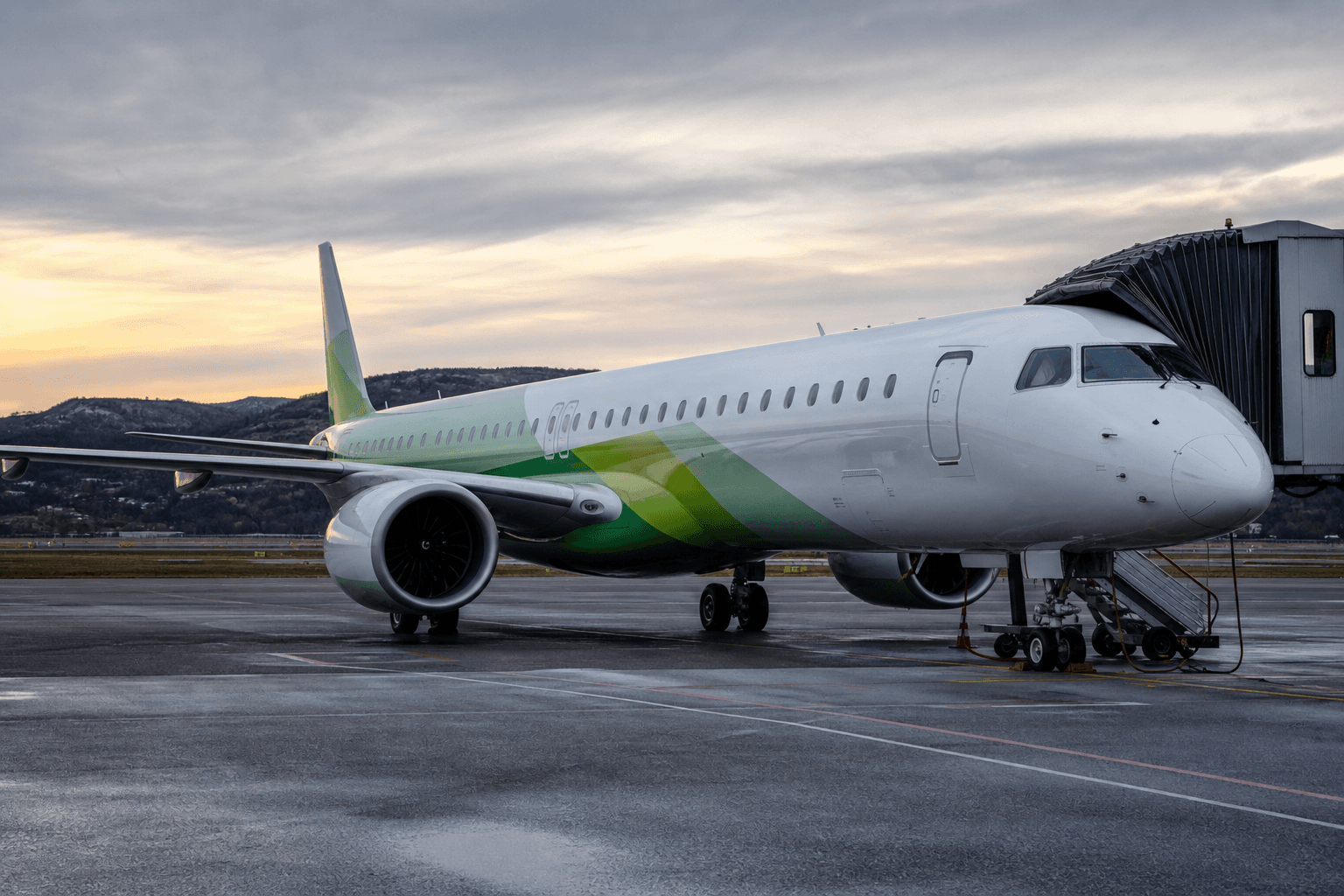
Widerøe Adds Two Embraer E195-E2 Jets to Expand Regional Network
Norwegian regional carrier Widerøe will lease two Embraer E195-E2 aircraft to enhance connectivity between major regional hubs, improving services beyond Oslo.

Frontier Airlines Jet Fatally Strikes Trespasser on Denver Runway During Takeoff
A Frontier Airlines flight collided with a person who breached airport security on Runway 17L at Denver International, leading to an engine fire and injuries among passengers.
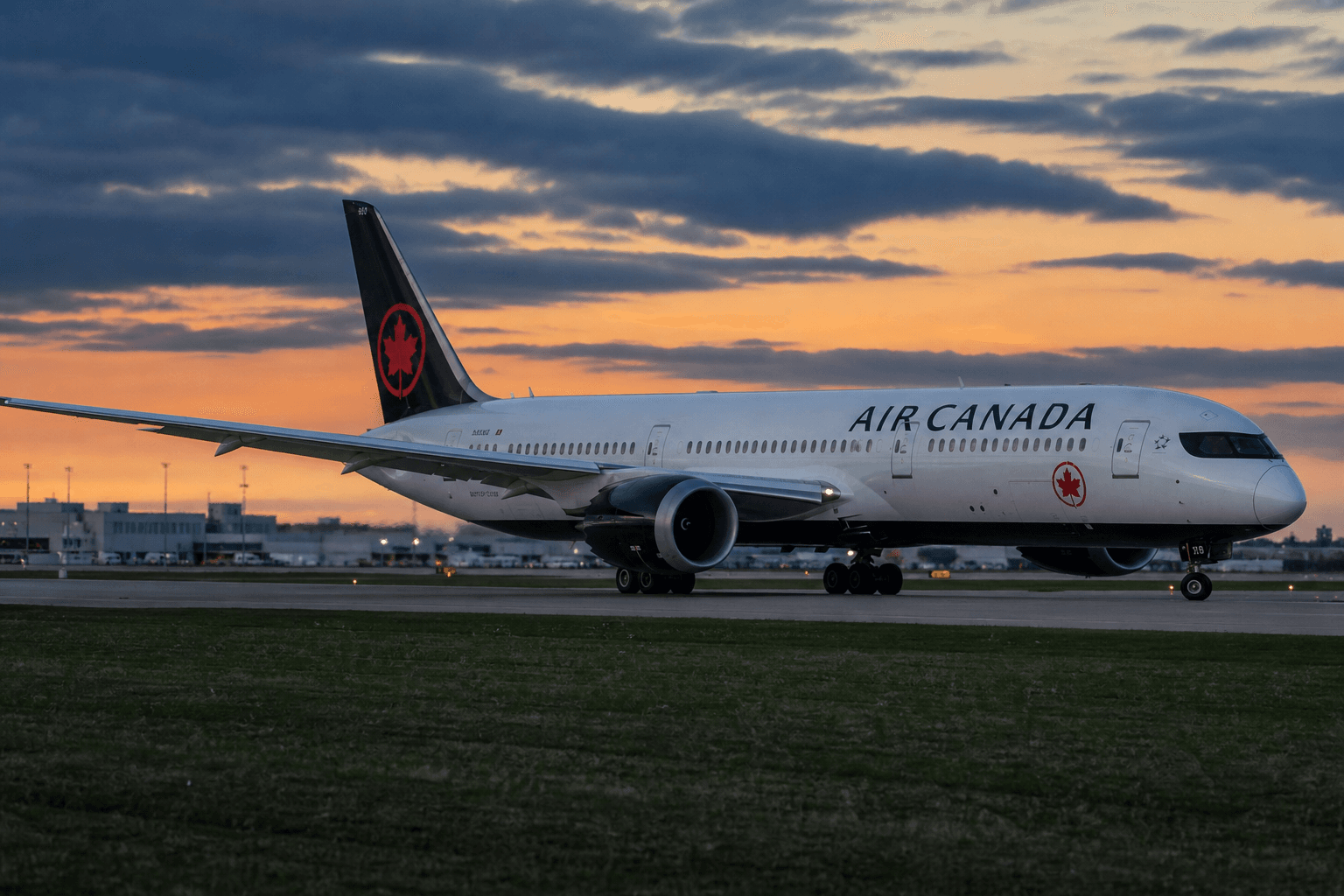
Air Canada Introduces 22 New International Routes Across Canada Over Four Weeks
Between November 21 and December 17, Air Canada and Rouge will launch 22 new or returning international routes from eight Canadian cities, focusing on Caribbean and Mexican destinations.
The Daily Touch & Go
The day's best aviation news in your inbox. Free, no spam.