

AI-generated illustration
Technology/eVTOL
Delta's High-Speed Wi-Fi Rollout Faces Delay After ULA Rocket Failure Destroys 40 Amazon Satellites
A United Launch Alliance Vulcan rocket failure resulted in the loss of 40 Amazon Leo satellites vital for Delta Air Lines' planned inflight connectivity upgrade.
The gist
Delta’s planned Amazon Leo Wi-Fi rollout may be delayed after a ULA rocket failure destroyed 40 key satellites.
Continuing coverage
All Delta Air Lines →- Delta Air Lines Drops Boeing 767 From 12 Routes, Shifts to Newer Widebodies and Narrowbodies
- Delta Air Lines launches seasonal nonstop flights from Minneapolis to Maui
- Delta Air Lines Uniquely Operates Mainline Jets with Under 110 Seats in U.S.
- Delta Air Lines Phases Out Boeing 777-200LRs for More Efficient Airbus A350s
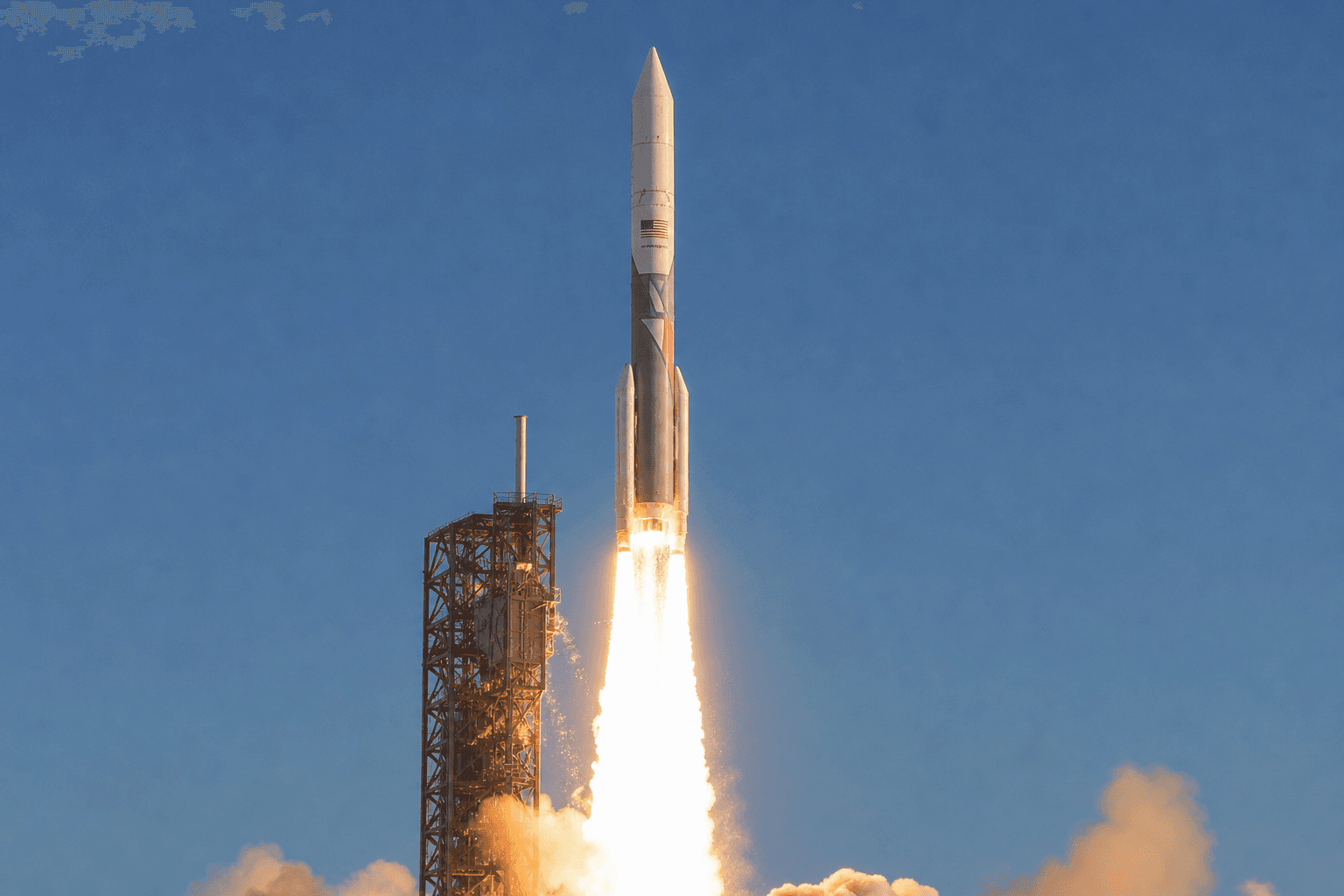
Delta Air Lines' ambitious plans to upgrade its inflight Wi-Fi using Amazon's Leo satellite internet network have encountered a new setback following the failure of a United Launch Alliance (ULA) rocket on November 15, 2026. The Vulcan rocket, after just ten minutes into its launch, experienced an anomaly leading to the loss of its payload: 40 Amazon Leo satellites intended to expand the internet network.
The lost satellites form part of a larger constellation that Amazon expects to deploy using 38 scheduled Vulcan rocket launches. This particular failure marks the first rocket malfunction for ULA in two decades of operation and has introduced uncertainty over the launch cadence needed to establish the Leo network as planned. With the cause of the anomaly yet unknown, further launches may face delays.
Delta selected Amazon's Leo system as the infrastructure backbone for its next-generation high-speed Wi-Fi, deviating from popular competitors like SpaceX’s Starlink. The airline publicly announced in March 2026 that it would begin outfitting 500 aircraft with Amazon Leo technology starting in 2028. A key factor in this choice was Leo's integration capabilities with Delta’s own Delta Sync inflight entertainment portal, leveraging Amazon Web Services (AWS) cloud systems.
This decision has not sat well with Elon Musk, founder of SpaceX and Starlink. Musk has criticized Delta’s move publicly, pointing to customer feedback and market impacts, even suggesting severe consequences for Delta's CEO, Ed Bastian. Despite testing Starlink back in 2022, Delta chose to back Amazon Leo, illustrating a competitive battle for dominance in inflight connectivity.
Earlier in 2026, Delta’s satellite Wi-Fi roadmap was also affected by a Blue Origin New Glenn rocket explosion on the launchpad in May, which had delayed other Amazon Leo satellite deployments. That failure was attributed to engine issues and led to modifications before resuming launches. The recent ULA failure compounds the risk of further delays impacting Delta's rollout schedule.
Amazon remains optimistic despite the setbacks, expressing confidence that ULA will resolve the issue and return to flight soon. ULA committed to collaborating with customers and regulators to identify the problem and implement corrective actions. The company has a vested interest in restoring its launch cadence, which is critical not only to Amazon's Leo strategy but to a broad range of commercial satellite missions.
Leo satellite deployments have so far accounted for only a small fraction of the planned total constellation. Bloomberg reports that 398 satellites have been launched over 14 successful flights, roughly 12 percent of the targeted 3,236 satellites for global coverage. This illustrates the scale of the project and how any launch setbacks can have cascading effects on network availability and performance.
Delta’s choice to pursue Amazon’s Leo, rather than Starlink, breaks the prevailing trend among airlines adopting Starlink for inflight Wi-Fi. However, the cumulative impact of launch failures raises risks that the airline’s connectivity plans may lag behind competitors. The situation emphasizes the challenges in deploying large-scale satellite constellations for commercial aviation applications.
Pending investigation into the Vulcan rocket anomaly, the timeline to restore reliable satellite launches remains uncertain. For Delta, the Wi-Fi rollout currently slated for 2028 could face further postponements depending on recovery progress. ULA has pledged to work quickly with Amazon and regulatory bodies to resume flight operations and mitigate delays to Amazon Leo’s network build-out.
Originally reported by Simple Flying
Read more
All Technology/eVTOL →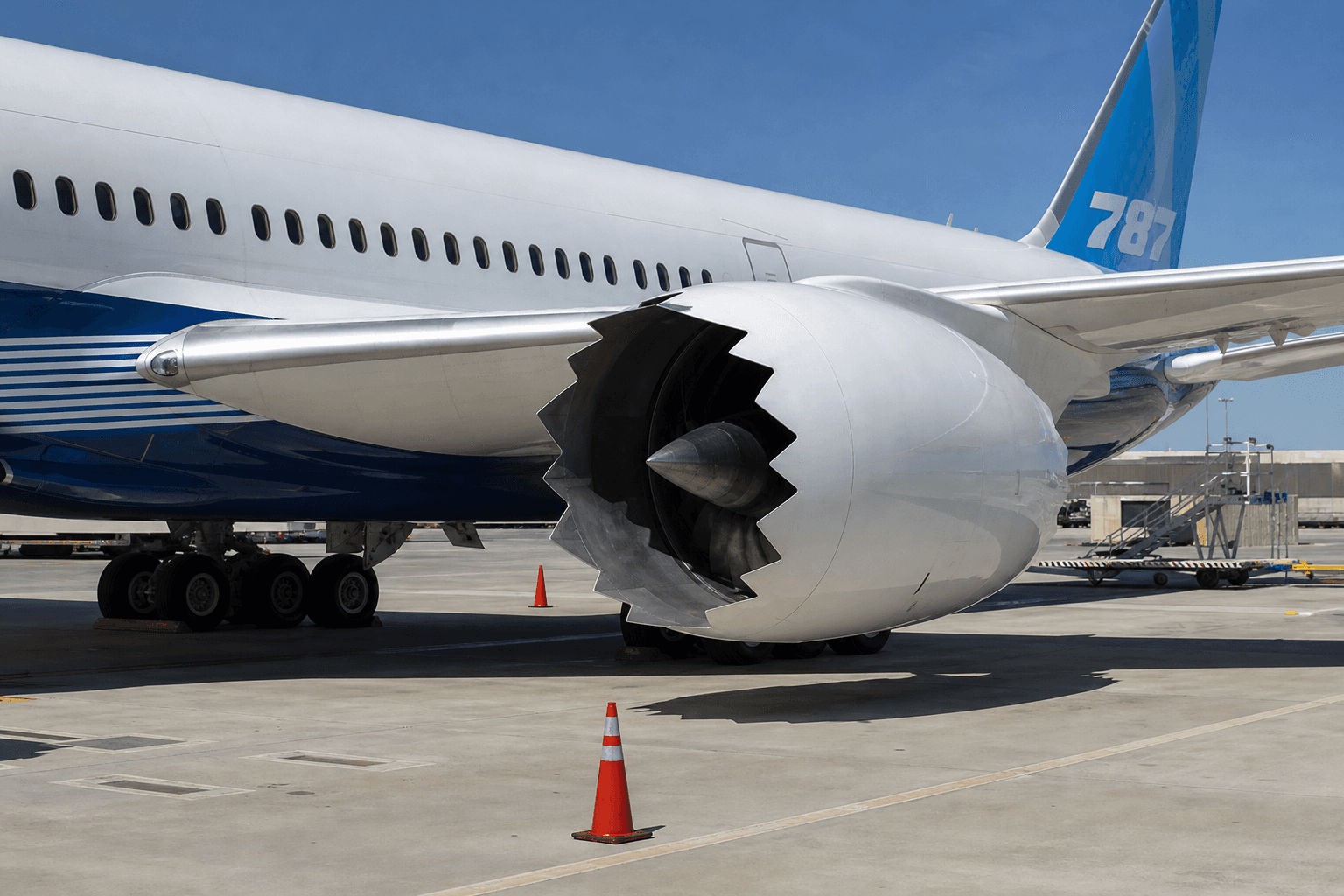
Boeing's 737 MAX, 747-8, and 787 Use Chevrons That Cut Noise but Hurt Efficiency
Boeing's serrated engine exhaust nozzles reduce airport noise but create drag that decreases engine thrust and fuel efficiency throughout flights.
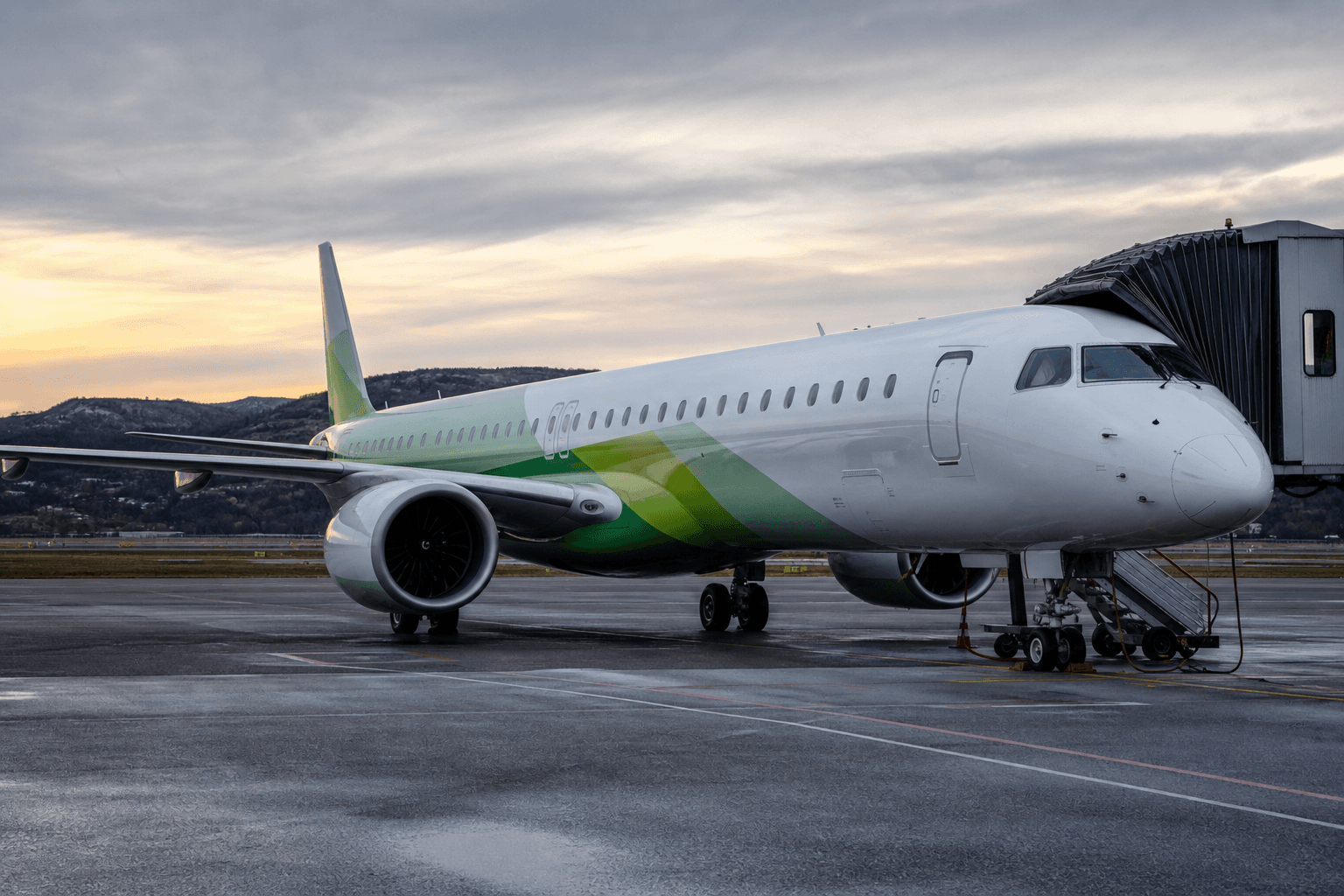
Widerøe Adds Two Embraer E195-E2 Jets to Expand Regional Network
Norwegian regional carrier Widerøe will lease two Embraer E195-E2 aircraft to enhance connectivity between major regional hubs, improving services beyond Oslo.
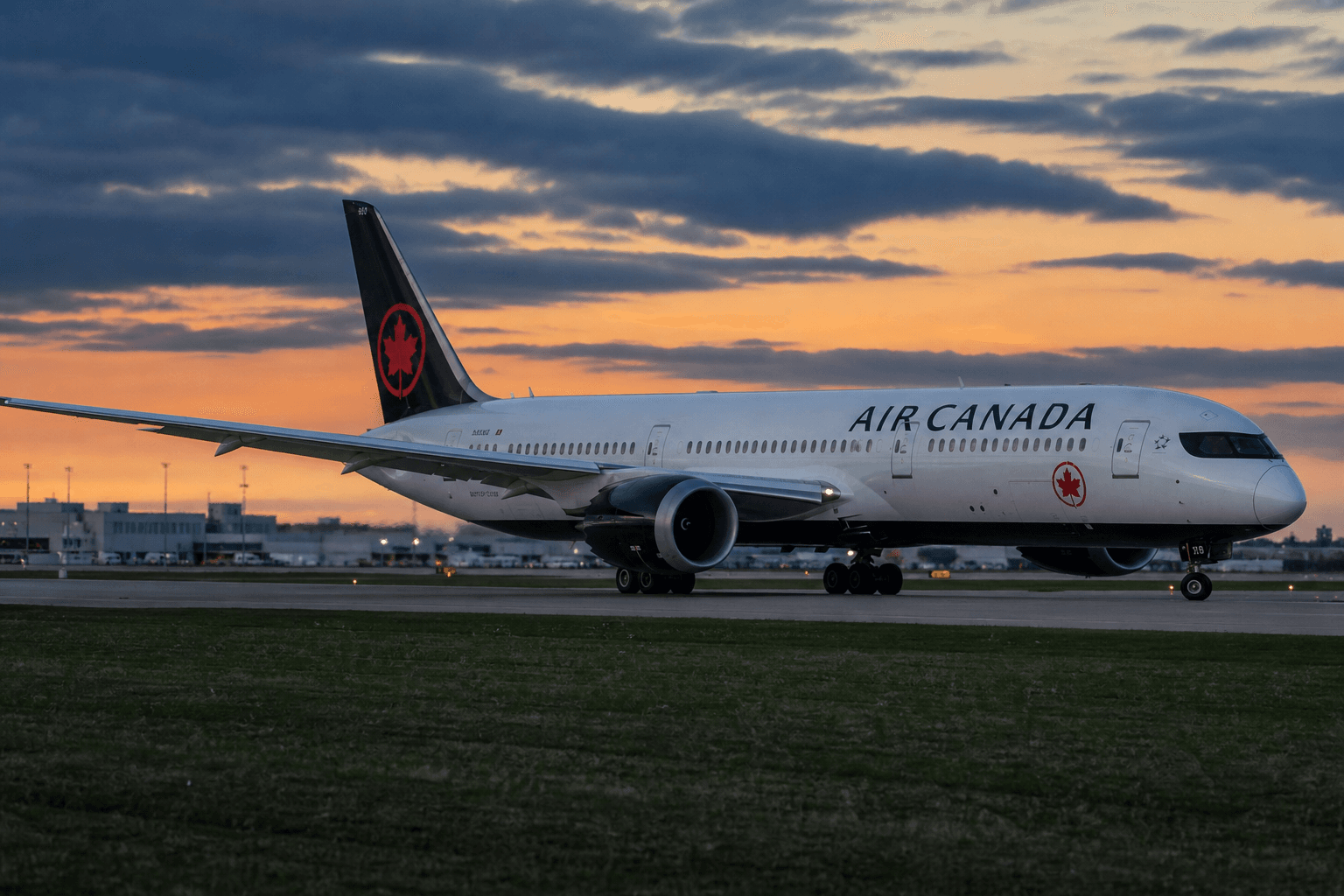
Air Canada Introduces 22 New International Routes Across Canada Over Four Weeks
Between November 21 and December 17, Air Canada and Rouge will launch 22 new or returning international routes from eight Canadian cities, focusing on Caribbean and Mexican destinations.
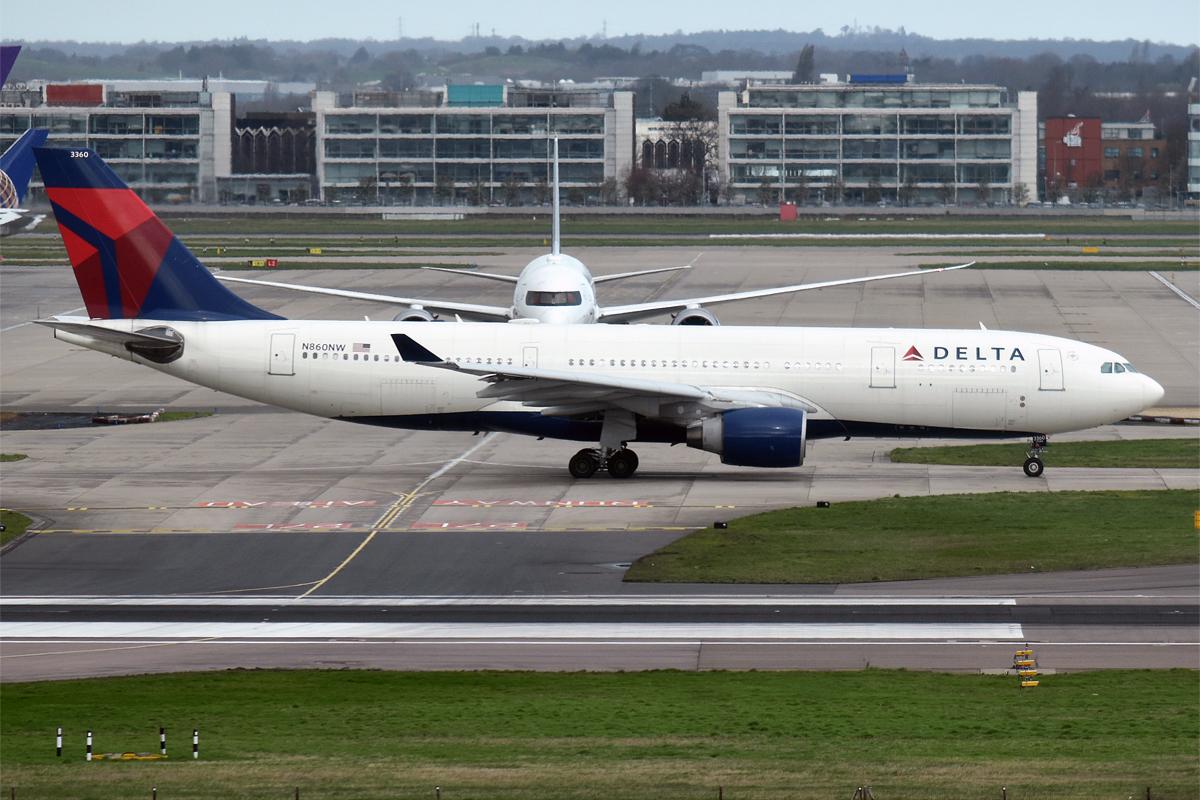
Delta Air Lines Drops Boeing 767 From 12 Routes, Shifts to Newer Widebodies and Narrowbodies
Delta Air Lines has removed Boeing 767 aircraft from four international and eight domestic routes, replacing them with Airbus widebodies and narrowbody jets throughout 2026.
The Daily Touch & Go
The day's best aviation news in your inbox. Free, no spam.